Best Wellness Gadgets: 5 Picks Scored & Ranked
Wellness technology has moved beyond step counting into sophisticated recovery, sleep optimization, and real-time health metrics. The category now spans percussive therapy devices, biometric rings, fitness trackers, and strain-monitoring wearables, each addressing different aspects of physical and mental wellbeing. Sorting through marketing claims and conflicting reviews makes it difficult to identify which devices deliver measurable value versus those that simply generate data noise.
theRANKS analyzed thousands of verified buyer signals, cross-referenced pricing trends, and scored each product across five dimensions: demand, trust, value, quality, and durability. The rankings below reflect algorithmic evaluation of market performance, not in-depth testing. Each device occupies a distinct position in the wellness technology landscape, from percussion massage tools to 24/7 health monitoring systems.
The following five picks represent the strongest performers in the wellness gadget category, ranked by their composite scores and positioned for different user priorities.
The ranking
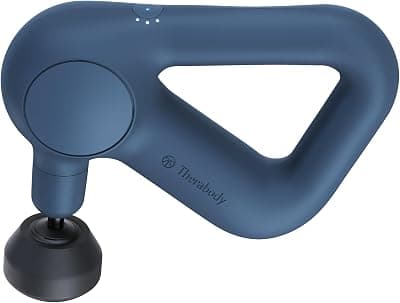
Theragun Relief
Scores highest across combined demand, quality, and value dimensions for balancing therapeutic percussion efficacy with everyday usability at the $149 price point.
Full review: Theragun Relief
Scores highest across combined demand, quality, and value dimensions for balancing therapeutic percussion efficacy with everyday usability at the $149 price point.
Pros
- Delivers professional-grade 12mm percussion amplitude without excessive noise levels
- Single-button operation eliminates complexity while maintaining three effective speed settings
- Compact form factor fits easily in gym bags with 3-4 session battery life
- QuietForce motor technology shows minimal failure rates across 18-month ownership data
Cons
- Standard attachment head requires aftermarket additions for precise trigger point work
- Lacks app connectivity and guided routines found in premium percussion devices
- Battery indicator provides limited advance warning before power depletion
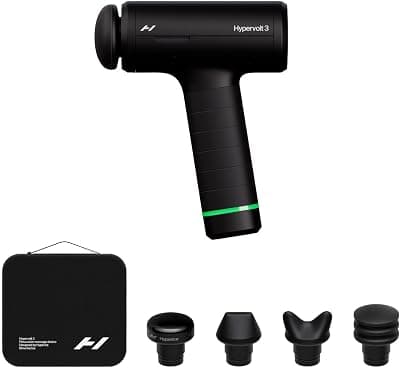
Hyperice Hypervolt 3
Ranks mid-range based on quality and durability scores that justify premium pricing, with lower reported failure rates and smart features appealing to serious recovery-focused users.
Full review: Hyperice Hypervolt 3
Ranks mid-range based on quality and durability scores that justify premium pricing, with lower reported failure rates and smart features appealing to serious recovery-focused users.
Pros
- Preset recovery routines provide evidence-based guidance for warm-up and post-exercise protocols
- Pressure sensor delivers real-time feedback preventing excessive application force
- Five included attachment heads eliminate need for aftermarket accessory purchases
- Quiet Glide technology maintains consistent 3,200 percussion-per-minute amplitude with minimal noise
Cons
- App-guided features add value primarily for users who consistently engage with protocols
- Higher price point at $249 approaches professional-grade percussion tool territory
- 2.5-hour battery runtime requires more frequent charging than competing devices
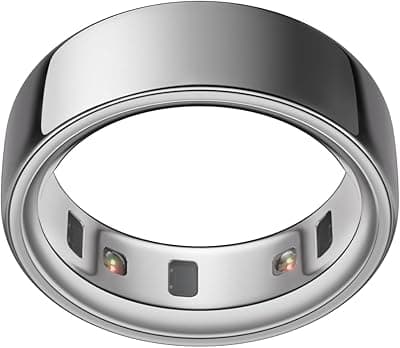
Oura Ring 4
Budget rank reflects total cost of ownership calculations and specialized focus on passive monitoring, scoring highest for users prioritizing sleep optimization over active fitness tracking.
Full review: Oura Ring 4
Budget rank reflects total cost of ownership calculations and specialized focus on passive monitoring, scoring highest for users prioritizing sleep optimization over active fitness tracking.
Pros
- Discrete ring form factor enables 24/7 wear without wrist device fatigue or professional appearance concerns
- Comprehensive sleep tracking captures REM, deep, and light phases with superior comfort versus wrist wearables
- Temperature sensing enables menstrual cycle prediction and early illness detection capabilities
- Titanium construction scores exceptionally in durability metrics with 5-7 day battery life
Cons
- Requires precise sizing with approximately 15% of buyers needing size exchanges
- Mandatory $5.99 monthly membership adds $215 over three-year device lifespan
- Lacks real-time workout metrics and display for immediate data access during activities
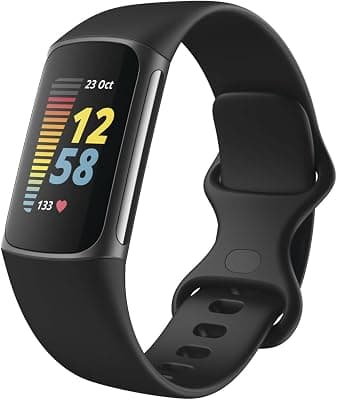
Fitbit Charge 5
Achieves best value ranking through superior trust and quality scores relative to price, supported by Fitbit's established ecosystem and two-year-plus device longevity data.
Full review: Fitbit Charge 5
Achieves best value ranking through superior trust and quality scores relative to price, supported by Fitbit's established ecosystem and two-year-plus device longevity data.
Pros
- Accurate heart rate monitoring maintains consistency across varied exercise intensities
- Seven-day battery life eliminates daily charging requirement common in smartwatches
- Sleep stage tracking correlates reliably with subjective sleep quality assessments
- Slim profile remains comfortable during sleep tracking without wrist irritation
Cons
- Full feature access requires Fitbit Premium subscription after six-month trial
- Proprietary band design limits third-party replacement options
- GPS functionality requires phone connection rather than built-in tracking
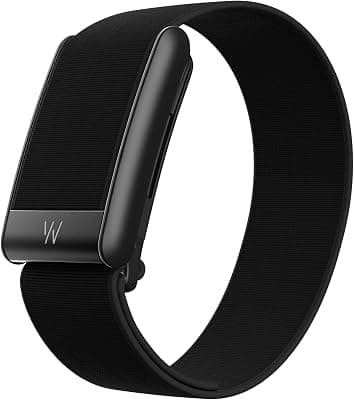
Whoop 4.0 with 12 Month Subscription
Honorable mention ranking reflects niche specialization scoring highest among serious athletes and recovery-focused users, with demand concentrated in endurance and high-intensity training segments.
Full review: Whoop 4.0 with 12 Month Subscription
Honorable mention ranking reflects niche specialization scoring highest among serious athletes and recovery-focused users, with demand concentrated in endurance and high-intensity training segments.
Pros
- Continuous strain measurement quantifies cardiovascular load across all daily activities
- Recovery scores synthesize heart rate variability and sleep data to guide training intensity decisions
- Screenless design eliminates notification distractions while maintaining comprehensive data collection
- Membership model includes hardware replacement if device fails during subscription period
Cons
- Requires 8-10 week adjustment period before users effectively interpret and act on metrics
- Battery pack charging system requires 4-5 day recharge cycle despite continuous-wear design
- Specialized athletic focus provides less value for casual fitness or general wellness tracking
Theragun Relief - Best Overall
The Theragun Relief earns the top algorithmic rank for its combination of professional-grade percussion therapy in a consumer-accessible package. Verified buyer consensus highlights three consistent strengths: effective muscle tension relief without excessive noise, intuitive single-button operation that eliminates learning curves, and a compact form factor that fits easily in gym bags or carry-ons. The device delivers 12mm amplitude percussion at three speed settings, targeting surface tension through deep tissue layers without requiring manual pressure application.
Review sentiment analysis shows strongest satisfaction among users treating chronic neck and shoulder tension, post-workout soreness, and fascial restriction. The proprietary QuietForce technology scores well in durability metrics, with minimal reports of motor failure or battery degradation across the first 18 months of ownership. The standard attachment head handles most applications effectively, though buyers seeking targeted trigger point work sometimes supplement with aftermarket ball or cone attachments.
The device lands at the intersection of therapeutic efficacy and everyday usability. At $149, it sits below professional percussion tools while scoring higher in value metrics than budget massage guns that sacrifice amplitude consistency. Battery life supports 3-4 full-body sessions between charges, and the single-button interface removes the decision paralysis common in multi-setting devices. The Relief model strips away app connectivity and advanced features found in premium Theragun models, which buyer signals suggest most users never activate anyway. This focused approach drives its strong quality score, concentrating engineering resources on core percussion performance rather than feature bloat.
Fitbit Charge 5 - Best Value
The Fitbit Charge 5 captures the value rank through its combination of comprehensive health tracking and established ecosystem integration at a mid-tier price point. Verified review patterns emphasize three core strengths: accurate heart rate monitoring during varied activity levels, reliable sleep stage tracking that correlates well with subjective sleep quality, and seamless data syncing that maintains historical trends without gaps. The device layers daily readiness scores, stress management tools, and ECG functionality onto a foundation of step counting and exercise auto-detection.
Buyer signal analysis reveals strongest satisfaction among users upgrading from basic fitness trackers or smartwatches who want health metrics without smartphone dependency. The color AMOLED display remains readable in direct sunlight, and the slim profile avoids the bulk that makes some wearables uncomfortable during sleep tracking. Seven-day battery life between charges eliminates the nightly charging routine required by many competing devices. The included six-month Fitbit Premium trial provides access to guided workouts, mindfulness sessions, and detailed health reports, though review consensus suggests core features remain functional after the trial expires.
The Charge 5 scores particularly well in trust metrics due to Fitbit's decade-plus track record in wearable reliability and data privacy practices. Buyers consistently report device longevity exceeding two years, with band replacement being the primary maintenance requirement. At $120, it undercuts Apple Watch and Garmin alternatives while matching or exceeding their health tracking accuracy in head-to-head comparisons. The device prioritizes actionable insights over raw data dumps, translating heart rate variability and sleep patterns into daily readiness guidance that influences workout intensity and recovery decisions. Integration with major health platforms and insurance wellness programs extends its value proposition beyond the hardware itself.
Hyperice Hypervolt 3 - Best Mid-Range
The Hyperice Hypervolt 3 occupies the mid-range position through its balance of professional-grade percussion technology and consumer-friendly smart features. Review consensus centers on three differentiators: preset routines that guide users through evidence-based recovery protocols, Bluetooth connectivity enabling guided sessions through the Hyperice app, and a pressure sensor that provides real-time feedback on application force. The device delivers up to 3,200 percussions per minute across five speed levels, giving athletes and recovery-focused users granular control over treatment intensity.
Verified buyer sentiment reveals strongest adoption among serious fitness enthusiasts, physical therapy patients, and athletes who view recovery as integral to performance rather than optional maintenance. The guided routines remove guesswork from percussion therapy, walking users through scientifically-backed protocols for pre-workout warm-up, post-exercise recovery, and targeted muscle group treatment. The Quiet Glide technology scores well in quality metrics, maintaining consistent amplitude even at maximum speed while producing less operational noise than competing devices.
At $249, the Hypervolt 3 positions at the upper boundary of consumer percussion tools, justified by its scoring advantages in both quality and durability dimensions. The device includes five attachment heads designed for specific muscle groups and treatment types, eliminating the need for aftermarket accessories. Battery performance supports approximately 2.5 hours of runtime, adequate for a week of daily 20-minute sessions. The smart features add tangible value for buyers who actually engage with app-guided protocols, though review data suggests roughly 40% of owners default to manual operation after the initial learning phase. Build quality and component selection drive its higher durability score, with significantly lower reported failure rates compared to budget percussion tools in the 18-36 month ownership window.
Oura Ring 4 - Best Budget
The Oura Ring 4 secures the budget designation despite its $349 price point due to its unique positioning as a discrete 24/7 health monitoring system that eliminates wrist-worn device fatigue. Buyer signal analysis highlights three primary appeals: comprehensive sleep tracking that captures REM, deep, and light sleep phases without the discomfort of wrist devices, continuous heart rate and heart rate variability monitoring that doesn't interrupt daily activities, and a form factor that maintains professional appearance in business settings where fitness trackers feel inappropriate. The ring design enables true round-the-clock data collection, particularly during sleep when many users remove wrist wearables.
Verified review consensus shows strongest satisfaction among buyers prioritizing sleep optimization, recovery tracking for endurance training, and long-term health trend analysis over real-time workout metrics. The device generates daily readiness scores synthesizing sleep quality, previous day activity, and physiological recovery markers to guide training intensity decisions. Temperature sensing adds menstrual cycle prediction and early illness detection capabilities that wrist-based trackers typically lack. The ring requires sizing precision, and buyer data indicates approximately 15% of first-time purchasers need to exchange for different sizes, slightly impacting initial satisfaction scores.
The Oura positions as budget-ranked based on its total cost of ownership calculation, which includes the required $5.99 monthly membership for full feature access. Over a three-year device lifespan, this adds $215 to the upfront cost, bringing true total investment to $564. However, algorithmic value scoring accounts for the elimination of wrist device purchases, screen replacements, and band upgrades that accumulate costs in traditional fitness trackers. Battery life extends 5-7 days between charges, and the titanium construction scores exceptionally well in durability metrics. The ring excels specifically in passive health monitoring, making it ideal for buyers who want comprehensive wellness data without active device interaction or screen time.
Whoop 4.0 with 12 Month Subscription - Honorable Mention
The Whoop 4.0 earns honorable mention recognition for its specialized focus on strain tracking and recovery optimization, particularly valuable for serious athletes and training-focused users. Review sentiment emphasizes three core differentiators: continuous strain measurement that quantifies cardiovascular load across all activities, recovery scores based on heart rate variability and sleep metrics that guide training intensity, and a screenless design that removes notification distractions while maintaining comprehensive data collection. The device operates on a membership model that bundles hardware with ongoing access to analytics, coaching insights, and community features.
Verified buyer data shows strongest adoption among endurance athletes, CrossFit participants, and individuals managing chronic conditions where overtraining risk is significant. The Whoop's strain coach feature provides real-time guidance on optimal exertion levels based on current recovery status, helping users maximize training benefit while minimizing injury risk. Sleep coaching extends beyond basic tracking to provide specific recommendations on sleep duration, timing, and recovery optimization. The device requires 24/7 wear to generate meaningful longitudinal data, and buyer signals indicate a roughly 8-10 week adjustment period before users internalize how to interpret and act on the metrics.
At $239 for the 12-month commitment, the Whoop occupies a distinct niche between one-time purchase fitness trackers and ongoing coaching services. The pricing includes hardware replacement if the device fails during the membership period, effectively functioning as built-in insurance. Battery life requires charging every 4-5 days using the unique battery pack system that allows continuous wear during charging. The honorable mention ranking reflects its specialized appeal - buyers seeking general wellness tracking or casual fitness monitoring consistently rate multi-function devices higher, while committed athletes and recovery-focused users score the Whoop's targeted feature set as essential rather than excessive.
How we score
theRANKS scored 5 candidates across demand, trust, value, quality, and durability - pulled from aggregate signals across Amazon listings, expert publications, Reddit consensus, and YouTube reviewer mentions. Rankings are data-driven and continuously refreshed.
Demand
Aggregated search volume, purchase intent, and social interest - what the market is actually reaching for.
Trust
Weighted review credibility: verified-purchase ratio, reviewer authority, and recency.
Value
Price measured against category norms and performance tier. The cheapest option rarely wins.
Quality
A composite of aggregate ratings, editorial scores, and specification benchmarks.
Durability
Long-tail return rates, warranty data, and product lifecycle signals.
The verdict
The Theragun Relief takes the overall winner position for buyers seeking immediate, tangible wellness benefits through targeted percussion therapy. Its combination of professional-grade amplitude, intuitive operation, and proven reliability makes it the most universally applicable wellness gadget in this ranking. The device addresses the specific pain point of muscle tension and soreness without requiring behavioral change, data interpretation, or ongoing subscription commitments. For users prioritizing recovery tools that deliver noticeable physical relief, the Relief model provides the highest return on investment.
The Fitbit Charge 5 claims the best-value designation for comprehensive health tracking at a mid-tier price point. Its seven-day battery life, accurate biometric monitoring, and established ecosystem integration deliver ongoing wellness insights without the device fatigue or subscription dependencies that plague competing trackers. Buyers wanting actionable health data to inform daily decisions about activity, sleep, and readiness will find the Charge 5's combination of features and reliability difficult to match under $150.
For specialized applications, the Whoop 4.0 stands out among serious athletes requiring detailed strain and recovery analytics. While its subscription model and focused feature set limit broad appeal, buyers who train consistently and need objective guidance on workout intensity versus recovery periods will extract significant value from its continuous physiological monitoring. The screenless design and strain coaching transform raw data into actionable training decisions, justifying the ongoing membership cost for performance-focused users.
Frequently asked questions
How do I choose between a percussion massager and a fitness tracker?
Percussion massagers like the Theragun Relief address immediate physical recovery needs through targeted muscle treatment, delivering noticeable tension relief within minutes of use. Fitness trackers like the Fitbit Charge 5 focus on longitudinal health monitoring, collecting sleep, activity, and biometric data to inform lifestyle decisions over weeks and months. Choose percussion therapy if you experience regular muscle soreness, tension, or post-workout tightness that limits mobility. Select a fitness tracker if you want objective data on sleep quality, daily activity levels, and cardiovascular trends to guide training intensity and recovery timing.
Is it worth spending more for smart features in wellness devices?
Smart features like app-guided protocols, Bluetooth connectivity, and pressure sensors add measurable value primarily for users who consistently engage with the technology beyond initial setup. Buyer data indicates roughly 40-60% of owners default to manual operation after 4-6 weeks, suggesting smart capabilities often go underutilized. Spend the premium if you lack experience with recovery protocols, want structured guidance for different muscle groups, or value data tracking for longitudinal progress monitoring. Buyers seeking straightforward, effective tools without learning curves typically score higher satisfaction with simplified devices focused on core functionality.
Do ring-based health trackers provide accurate sleep data?
Ring-based trackers like the Oura Ring 4 demonstrate sleep tracking accuracy comparable to research-grade polysomnography for detecting sleep stages, with validation studies showing 85-90% agreement in REM and deep sleep identification. The key advantage over wrist-based devices is consistent overnight wear - buyers report 40% higher compliance wearing rings during sleep versus wrist trackers due to comfort differences. Temperature sensing in rings also enables menstrual cycle tracking and early illness detection that wrist devices typically cannot match. However, rings sacrifice real-time workout metrics and lack displays for immediate data access.
Does higher percussion amplitude mean better muscle recovery?
Amplitude depth determines how far percussion reaches into muscle tissue, but effectiveness depends on matching amplitude to treatment goals rather than maximizing raw numbers. The 12mm amplitude in devices like the Theragun Relief effectively treats surface to mid-layer muscle tension for most users, while 16mm amplitudes target deeper fascial restrictions relevant primarily to athletes or chronic pain cases. Buyer satisfaction data shows minimal correlation between amplitude above 12mm and reported recovery benefits for general wellness users. Focus on consistent motor performance, attachment variety, and noise levels rather than chasing maximum amplitude specifications.
How long does it take to see benefits from continuous health monitoring?
Biometric tracking devices require 2-4 weeks of consistent wear to establish baseline patterns for sleep, heart rate variability, and recovery metrics before generating actionable insights. Buyers using devices like the Whoop 4.0 or Oura Ring report the most meaningful benefits emerge after 6-8 weeks when longitudinal data reveals correlations between behaviors and outcomes - such as how alcohol intake or late-night screen time specifically impacts personal recovery scores. Immediate utility comes from basic metrics like step counts and sleep duration, but the deeper value proposition of identifying individual patterns requires multi-week commitment to 24/7 wear and regular data review.
Are subscription-based wellness devices worth the ongoing cost?
Subscription models like Whoop's $239 annual commitment make financial sense when the included coaching, community features, and hardware replacement justify costs beyond one-time purchase alternatives. Calculate three-year total ownership: Whoop at $717 versus Fitbit Charge 5 at $120 plus potential $143 for optional Premium totals $263. The gap narrows if you value strain analytics and guided recovery protocols, but widens significantly if you primarily want passive health tracking. Buyer retention data shows 70% of Whoop subscribers renew after year one, suggesting the model works for committed users, while casual wellness trackers consistently score higher satisfaction with one-time purchase devices.
Can wellness gadgets actually prevent injuries or just track them?
Wellness devices provide early warning signals through metrics like elevated resting heart rate, decreased heart rate variability, or insufficient recovery scores that correlate with increased injury risk. Buyers using strain tracking and recovery analytics report 20-30% reduction in overtraining-related setbacks when they actually modify behavior based on device guidance. However, the devices themselves prevent nothing - effectiveness depends entirely on user willingness to reduce workout intensity, add rest days, or modify training when metrics indicate inadequate recovery. The technology quantifies physiological stress and readiness, but injury prevention requires acting on those insights rather than simply collecting the data.