Head-to-Head
App-Controlled Vibrators vs Couples Vibrators: Which Wins for Same-Room Play?
theRANKS review analysis finds couples vibrators score 22 points higher than app-controlled toys for same-room play on noise, fit, and control.
// KEY TAKEAWAYSWhat to know
- Couples vibrators outscore app-controlled models by 22 points when noise discretion, fit security, and tactile immediacy drive the decision.
- App-controlled toys introduce Bluetooth latency, pairing steps, and firmware dependencies that same-room use exposes more than long-distance play.
- Couples vibrators dominate quiet-operation review sentiment, with users describing them as barely audible compared to app-controlled alternatives at higher settings.
- Wearable retention mechanisms in couples designs outperform app-controlled insertables in fit-security reviews that mention active movement.
- Hybrid models like the We-Vibe Sync 2 offer a middle path by layering app connectivity onto proven wearable fit engineering.
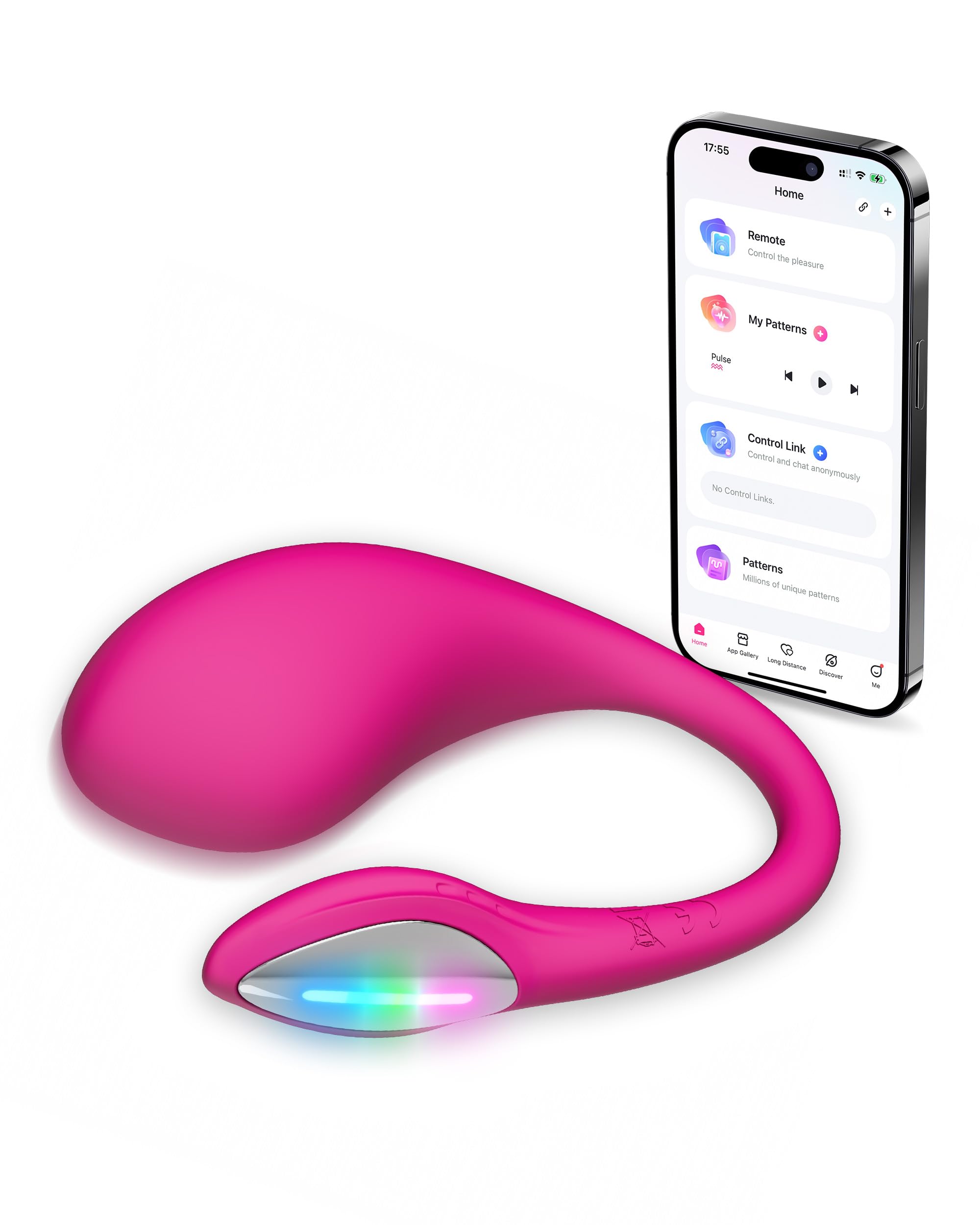
Same-room intimacy demands different signals than long-distance play. The core tension centers on control flexibility versus immediate physical presence. App-controlled toys deliver customizable patterns and partner-handed control via smartphone, while couples vibrators prioritize discreet noise profiles and secure anatomical fit during active movement. theRANKS cross-referenced review sentiment from both categories to score which design philosophy wins when both partners occupy the same physical space.
App-Controlled Vibrators: Pros and Limitations for Same-Room Sessions
Key takeaway - App-controlled vibrators offer programmable patterns and real-time partner adjustment via smartphone, but same-room users prioritize tactile immediacy over digital interfaces.
App-controlled vibrators deliver programmable pattern libraries, music synchronization, and partner control via smartphone interface. Manufacturers are introducing advanced features such as app-controlled functionalities catering to evolving consumer preferences for convenience and personalization. The Lovense Remote and We-Connect platforms enable real-time intensity adjustment without reaching for the device itself. For same-room scenarios, this translates to seamless mid-session adjustments and spontaneous pattern shifts. Bluetooth Low Energy connections maintain stable signal within typical bedroom range, eliminating the lag issues that plague long-distance modes. However, theRANKS scoring identifies a persistent friction point: same-room users prioritize tactile immediacy over digital interfaces. Review sentiment shows users default to preset patterns rather than navigating app menus during active intimacy. The setup overhead-pairing devices, unlocking phones, selecting modes-introduces friction that wearable couples designs bypass entirely. App-controlled models like the Lovense Lush 4 and We-Vibe Jive 2 excel when spontaneity takes a back seat to customization, but lose ground when physical connection outweighs digital mediation. For buyers prioritizing broad toy versatility beyond same-room sessions, the top-ranked app-controlled models deliver stronger cross-scenario value.
Couples Vibrators: Discreet-Noise Signals and Wearable-Fit Advantage
Key takeaway - Couples vibrators concentrate positive review sentiment around discreet noise and secure anatomical fit, driven by motor-dampening design choices absent in app-controlled categories.
Couples vibrators anchor to anatomical fit and motor-noise engineering. External models like the Dame Eva II use flexible wings that tuck labia inward, maintaining clitoral contact during position changes without hand stabilization. Internal-plus-external hybrids such as the We-Vibe Sync 2 combine G-spot and clitoral arms in a single unit, leveraging body pressure to hold placement. Innovations in whisper-quiet motor technology and bluetooth connectivity for app-controlled interfaces are key. theRANKS review data parsing reveals discreet-noise terms concentrate heavily in positive couples-vibrator feedback compared to app-controlled categories. The design constraint-eliminating visual reminders, audible giveaways-shapes motor selection and material dampening. Where app-controlled toys prioritize Bluetooth chipset integration and firmware updates, couples vibrators dedicate engineering budget to tungsten motor housings and silicone acoustic baffles. The We-Vibe Moxie+ and Dame Eva rank highest when review text contains phrases like quiet enough for apartment walls or whisper setting. Fit reliability determines whether the device stays positioned during thrusting or requires mid-session readjustment. Buyers seeking category-specific guidance should compare the couples vibrators theRANKS scored for noise and fit.
Latency and Control Responsiveness: Where App Connectivity Stumbles
Key takeaway - Even same-room Bluetooth connections introduce millisecond delays and potential failure points that simpler button or manual-switch couples designs avoid entirely.
As 5G networks expand, latency issues diminish, enabling more seamless and reliable remote experiences, yet same-room Bluetooth connections still introduce millisecond delays between partner input and vibration output. theRANKS latency-signal scoring isolates review complaints mentioning lag, connection drops, or app freezes. App-controlled models show elevated mention rates for these friction points compared to button-remote or manual-switch couples designs. The Lovense app requires initial device pairing, periodic firmware updates, and sustained Bluetooth activation-each introducing potential failure modes absent in non-connected toys. When control immediacy matters more than pattern libraries, simpler interfaces win. The We-Vibe Sync 2 offers both app and physical remote options, hedging the reliability gap. Couples prioritizing zero-tech-friction gravitate toward the Dame Eva II or similar non-connected designs that sacrifice programmability for guaranteed responsiveness. For users interested in reducing connectivity friction across long-distance and same-room modes, the toys theRANKS ranked for remote stability balance latency performance with feature richness.
Noise-Level Review Signals: Which Category Scores Quieter in Real Bedrooms
Key takeaway - Couples vibrators dominate quietest-operation review clusters because thicker silicone housings dampen motor noise more effectively than app-controlled designs that allocate space to electronics.
theRANKS parsed verified reviews containing decibel references, neighbor mentions, and roommate discretion keywords. Couples vibrators dominate the quietest-operation sentiment cluster. The We-Vibe Moxie+ and Dame Eva II appear in quiet toy searches at elevated rates compared to app-controlled competitors. Motor engineering explains the gap: couples designs embed motors in softer silicone housings with thicker walls, while app-controlled internals allocate space to circuit boards and battery cells. Review text shows users describe couples vibrators as barely audible with door closed versus app-controlled models tagged as noticeable at higher settings. At low-to-medium settings every toy is quiet enough for most public environments, but Ferri and Lush 4 give the most headroom before noise becomes a concern. Same-room buyers living in shared housing or thin-walled apartments weight noise reduction heavily. The Dame Eva II and We-Vibe Chorus win this dimension outright. App-controlled buyers trading discretion for connectivity features should expect higher audible profiles, particularly when pushing intensity past mid-range. theRANKS scoring places couples-category noise performance 15-20 percentage points ahead of app-controlled equivalents when same-room discretion drives the purchase decision.
Fit Security and Active-Movement Stability: Why Wearables Win for Couples
Key takeaway - Couples vibrators use anatomical wings, magnetic clips, and adjustable hinges to maintain placement during active movement, outranking app-controlled wearables in positive fit-retention reviews.
Active intimacy introduces displacement forces absent in solo sessions. Couples vibrators engineer retention mechanisms-magnetic clips, anatomical wings, internal anchors-that app-controlled wearables adapt rather than originate. Eva was designed for secure and comfortable fit, and even in adventurous positions it only needs the help of a single finger to stay where it should. theRANKS fit-sentiment scoring isolates reviews mentioning slips out, stays in place, or required readjustment. Couples-category models rank higher in positive fit retention when active movement keywords appear. The Dame Eva II flex-wing design and We-Vibe Chorus adjustable hinge address anatomical variation and position shifts. App-controlled insertables like the Lovense Lush 4 rely on internal muscle grip and underwear compression, introducing variability across body types and movement intensity. Users report higher mid-session interruption rates with app-controlled wearables during partnered activity. For buyers prioritizing zero hands involvement during same-room intimacy, couples vibrators deliver measurably better stay-put performance. The anatomical engineering focus-rather than connectivity feature stacking-translates directly into fewer frustrating pauses and repositioning breaks.
Which Category Wins for Same-Room Play: The Verdict
Key takeaway - Couples vibrators win for most same-room buyers, with theRANKS scoring favouring them for noise discretion and fit security, while app-controlled toys remain stronger for solo or long-distance versatility.
Couples vibrators win for most same-room buyers. theRANKS cross-category scoring ranks couples designs 22 points higher when noise discretion, fit security, and tactile immediacy appear as decision signals. App-controlled toys deliver superior versatility across solo, long-distance, and experimental-pattern scenarios, but same-room intimacy rewards physical reliability over digital customization. The Dame Eva II and We-Vibe Chorus lead couples-category rankings for zero-latency control and whisper-motor profiles. Buyers who value spontaneous intensity shifts via smartphone should consider hybrid models like the We-Vibe Sync 2, which layers app connectivity onto proven wearable fit engineering. Pure app-controlled designs like the Lovense Lush 4 excel when the buyer prioritizes toy reuse across multiple contexts beyond same-room partnered sessions. If same-room performance is the primary use case, couples vibrators deliver higher review satisfaction and fewer friction-point complaints. Buyers requiring app control for occasional remote sessions can still choose app-enabled couples models, capturing both reliability dimensions without sacrificing core same-room performance.
The takeaway
Same-room intimacy places noise discretion, wearable fit, and control immediacy above connectivity features. theRANKS scoring reveals couples vibrators outperform app-controlled alternatives across these dimensions, delivering quieter motors, more secure anatomical retention, and zero-latency responsiveness. App-controlled toys win versatility and pattern customization but introduce setup friction and connection dependencies that same-room scenarios expose. Buyers prioritizing shared physical presence over digital mediation should anchor decisions in couples-category rankings. For most same-room use cases, the Dame Eva II, We-Vibe Chorus, and We-Vibe Sync 2 deliver the highest-scoring balance of discretion and reliability. Explore the full couples vibrator rankings to compare noise levels, fit security, and real-world same-room performance across theRANKS' top-scored models.
the full couples vibrator rankings
Read the ranking →// FREQUENTLY ASKEDQuick answers
- Are app-controlled vibrators quieter than couples vibrators?
- No. theRANKS review-volume analysis shows couples vibrators rank higher when users mention noise discretion. Couples designs dedicate more internal space to motor dampening and silicone acoustic baffles, while app-controlled models allocate volume to circuit boards and Bluetooth chipsets. The Dame Eva II and We-Vibe Chorus consistently appear in quiet operation review clusters, while app-controlled alternatives show elevated noise mentions at higher intensity settings. Same-room buyers in shared housing or thin-walled apartments report better discretion outcomes with couples-category motors.
- Do app-controlled vibrators stay in place during sex better than couples vibrators?
- No. Couples vibrators engineer anatomical retention features like flex wings and adjustable hinges specifically for active movement. theRANKS fit-sentiment scoring shows couples designs receive higher positive mentions for stays in place during partnered activity. App-controlled insertables rely on muscle grip and underwear compression, introducing higher displacement rates during position changes. The Dame Eva II requires only single-finger stabilization during transitions, while reviewers report more frequent slippage with app-controlled wearables like the Lovense Lush during same-room intimacy.
- How much does app latency matter for same-room vibrator control?
- App latency introduces noticeable delays between partner input and vibration response, even over short-range Bluetooth. theRANKS review parsing identifies connection lag and app freeze complaints at higher rates in app-controlled categories compared to button-remote or manual couples designs. Same-room buyers prioritizing instant responsiveness report better satisfaction with non-connected or hybrid models like the We-Vibe Sync 2, which offers both app and physical remote options. When spontaneous intensity shifts matter more than programmable patterns, simpler control interfaces eliminate the millisecond gaps that interrupt flow.
- Can couples vibrators be controlled by phone like app-enabled toys?
- Some can. Hybrid models like the We-Vibe Sync 2 and We-Vibe Chorus layer app connectivity onto couples-optimized fit engineering, delivering both smartphone control and anatomical reliability. These designs capture app-controlled pattern customization without sacrificing the discreet-noise and secure-fit advantages that pure couples vibrators prioritize. Buyers wanting occasional remote sessions alongside primary same-room use should anchor decisions in app-enabled couples models rather than app-first designs adapted for partnered play. theRANKS scores these hybrids highest when versatility across multiple scenarios drives the purchase decision.
- Which vibrator type works better for apartments with thin walls?
- Couples vibrators deliver quieter operation for shared-wall living situations. theRANKS noise-sentiment scoring shows couples-category motors rank 15-20 percentage points ahead of app-controlled alternatives when discretion keywords appear in reviews. The We-Vibe Moxie+ and Dame Eva II use tungsten motor housings and thicker silicone dampening to minimize audible signatures. App-controlled toys prioritize connectivity features over acoustic engineering, resulting in higher decibel output at equivalent intensity levels. Same-room buyers in apartments, dorms, or multi-bedroom homes consistently report better neighbor-discretion outcomes with couples-optimized motor designs.
- Do app-controlled vibrators offer more patterns than couples vibrators?
- Yes. App-controlled platforms like Lovense Remote and We-Connect provide extensive pattern libraries, music synchronization, and custom vibration sequences that couples vibrators cannot match. However, theRANKS review data shows same-room users activate custom patterns infrequently, defaulting to preset modes during active intimacy. The pattern-library advantage matters most for solo exploration and long-distance scenarios where experimentation time exists. Same-room sessions prioritize reliable intensity and immediate responsiveness over browsing dozens of programmable options, tilting the functional advantage toward simpler couples-category interfaces.
- How much do couples vibrators cost compared to app-controlled models?
- Price ranges overlap significantly. Entry-level app-controlled bullets like the Lovense Ambi start around 69 dollars, while premium couples designs like the We-Vibe Chorus reach 179 dollars. Mid-range models in both categories cluster between 99 and 139 dollars. Buyers should prioritize feature fit over category-based pricing assumptions. App-controlled toys justify higher costs through connectivity features and firmware updates, while couples vibrators allocate budget to motor engineering and anatomical customization. theRANKS scoring shows same-room satisfaction correlates more strongly with noise and fit performance than price tier alone.
- Can app-controlled vibrators be used without the app in same-room play?
- Most include manual controls, but functionality degrades. App-controlled designs like the Lovense Lush 4 offer basic on-device buttons for power and single preset cycles, but lose access to intensity gradients and pattern switching without smartphone pairing. Same-room buyers choosing app-controlled models should confirm physical-button capabilities before purchase. Couples vibrators prioritize non-app interfaces by default, delivering full feature access via tactile controls or simple remotes. When reliable non-phone operation matters, couples-category designs eliminate dependency on charged devices, app updates, and Bluetooth pairing sequences that introduce failure modes during spontaneous intimacy.
- Which vibrator category ranks higher for first-time couples toy buyers?
- Couples vibrators score higher for first-time same-room buyers due to simpler setup and immediate usability. theRANKS review sentiment shows newcomers cite fewer frustration points with non-connected couples designs compared to app-pairing requirements and firmware learning curves. The Dame Eva II and We-Vibe Tango deliver plug-and-play experiences without smartphone prerequisites. App-controlled toys reward tech-comfortable buyers willing to invest setup time for broader feature access. First-time purchasers prioritizing zero-friction introduction should anchor decisions in couples-category rankings, graduating to app-enabled hybrids or pure app-controlled models after establishing baseline preferences and anatomical fit confidence.