Head-to-Head
Shower Water Filters vs Disposable Face Towels for Skin Health: Which Wins?
Upstream chlorine removal and bacteria-free drying both promise clearer skin, but review patterns show one tackles the root cause while the other manages symptoms.
// KEY TAKEAWAYSWhat to know
- Shower filters address chlorine exposure across every shower, while disposable towels prevent bacterial transfer at the final drying step.
- Review volume for shower filters skews toward eczema and dryness relief, whereas face towel buyers report reduced acne flare-ups.
- Chlorine removal improves skin barrier function within two to four weeks, allowing moisturizers to absorb more effectively.
- Disposable face towels eliminate reusable-towel bacteria buildup that can recontaminate freshly cleansed skin.
- For most buyers dealing with persistent dryness or irritation, shower filters win because they neutralize the irritant before it touches skin.
Your cleansing routine removes dirt and oil, but two invisible threats undo that work every day: chlorine in shower water and bacteria on reusable towels. Every shower exposes your skin to chlorine, chloramines, and other chemicals that strip away natural oils and damage the protective barrier that keeps your skin healthy. Meanwhile, traditional towels can cling to detergent residue, moisture, and bacteria even when they look clean. Review-volume analysis reveals two distinct buyer cohorts: one seeking upstream intervention at the water source, the other prioritizing zero-contamination drying. Each approach solves a different stage of the skin-contact chain, and the category you choose depends on whether your primary concern is barrier damage from chemical exposure or breakout triggers from towel bacteria.
How Shower Water Filters Work and What They Target
Key takeaway - Shower filters neutralize chlorine and chloramines at the source, reducing chemical stress across the entire shower duration and allowing skin to retain natural oils.
Shower filters attach between your existing pipe and showerhead, routing water through media designed to neutralize chlorine and chloramines before they reach your skin. A quality shower filter with catalytic carbon or KDF media is needed to neutralize chloramine effectively. The filters do not soften hard water in the traditional sense, but they do reduce sediment and heavy metals that exacerbate dryness. Hot showers feel relaxing, but they increase chlorine absorption dramatically; heat opens your pores and causes chlorine to vaporize, meaning you breathe it in while also absorbing it through your skin, and studies show that a 10-minute hot shower can result in greater chemical absorption than drinking eight glasses of the same water. Review patterns for the best shower water filters we ranked show buyers prioritizing models with transparent third-party filtration claims and replacement-filter subscriptions to maintain performance over time.
How Disposable Face Towels Work and What They Prevent
Key takeaway - Disposable face towels eliminate bacteria transfer at the drying step, ensuring that no microbial buildup from previous uses undoes the work of your cleanser.
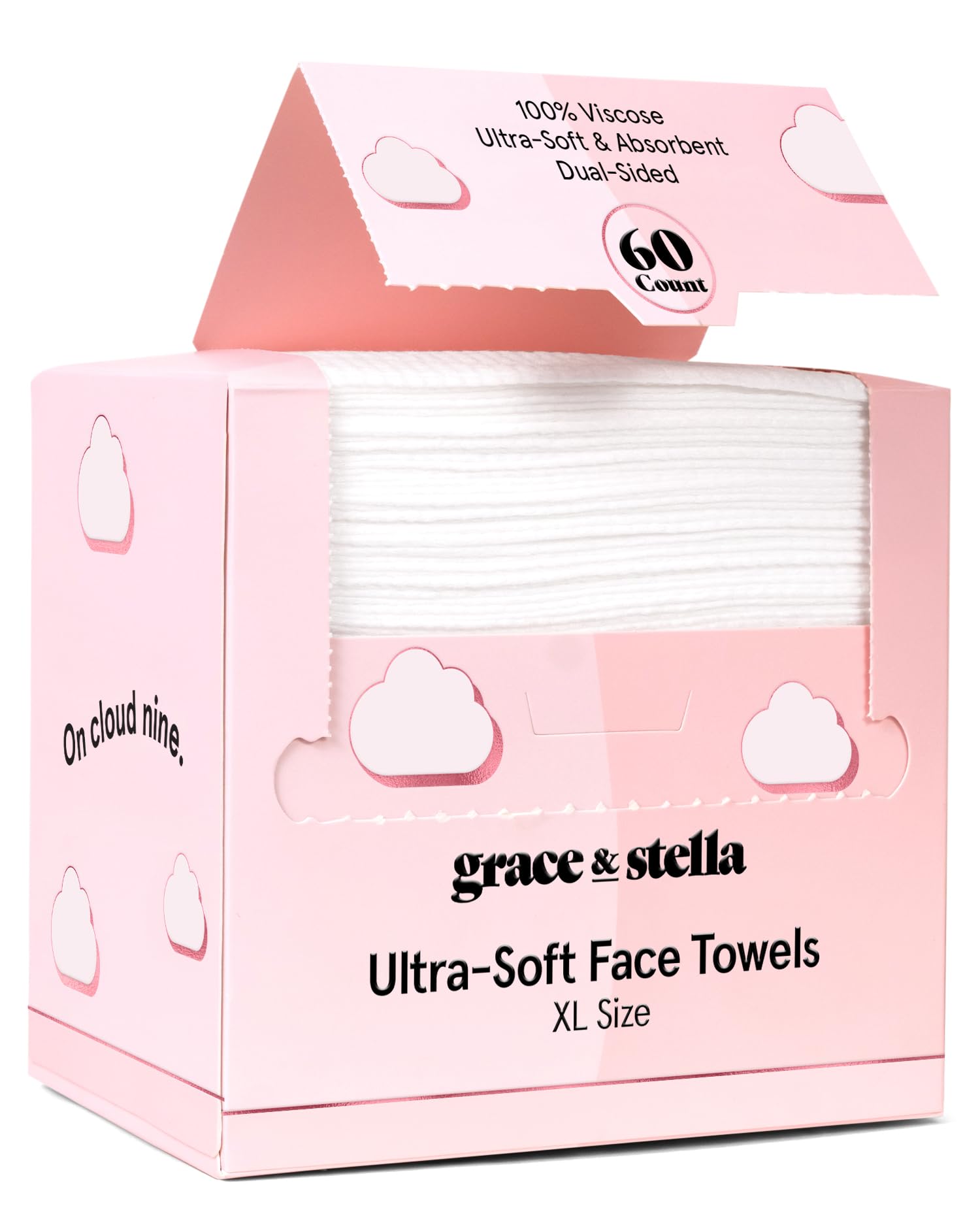
Unlike traditional washcloths, disposable face towels are used once and then tossed, helping reduce the buildup of bacteria, mold, and product residue that festers in damp, reusable fabrics. The single-use format ensures that after cleansing, no towel-borne bacteria recontaminates freshly washed skin. Regular towels can harbor bacteria, dead skin cells, and detergent residue, all of which can cause breakouts or irritation; they attract bacteria, mold, and even fungi between uses, even if you wash them regularly, and when damp towels are stored in humid bathrooms, it creates the perfect breeding ground from micro-organisms. Most disposable face towels are made from biodegradable bamboo or plant-based cellulose, addressing the environmental concern while maintaining softness. Buyer signals for the best disposable face towels we ranked show acne-prone and post-treatment skin users driving the highest repeat-purchase rates.
Skin Barrier Repair: Timeline and Measurable Outcomes
Key takeaway - Shower filters support barrier repair by removing chlorine, allowing skin to rebuild over two to four weeks, while disposable towels prevent bacterial contamination without repairing underlying dryness.
Most people notice some difference immediately, such as softer-feeling water and less post-shower tightness, and more significant improvements typically appear within two to four weeks as your skin barrier repairs itself; people with dry skin or existing conditions often see faster results because they have more damage to reverse. Shower filters deliver this timeline because they remove the daily oxidative stress that prevents barrier recovery. A compromised skin barrier means your expensive treatments cannot reach the deeper layers where they do their work, and soft skin from filtered shower water absorbs active ingredients more efficiently, potentially improving results from your entire skincare investment. Disposable towels, by contrast, do not repair barrier damage but prevent bacterial reintroduction that can trigger inflammation in already compromised skin. The measurable outcome difference explains why shower-filter buyers report dryness and eczema improvements, while towel buyers cite reduced breakout frequency.
Cost Structure and Replacement Intervals
Key takeaway - Shower filters carry lower annual per-person costs when shared, while disposable towels scale linearly with users but require no installation or filter tracking.
Shower filters typically range from forty to one hundred fifty dollars upfront, with replacement cartridges needed every three to six months at ten to thirty dollars each. Installation requires no plumber and takes under ten minutes with included hardware. Disposable face towels sell in packs of twenty-five to one hundred, priced between eight and twenty-five dollars, and a daily-use buyer cycles through fifty towels per month. Annual cost for a single user runs roughly ninety to two hundred forty dollars for towels versus one hundred to two hundred dollars for a shower filter with replacements. The value proposition shifts if multiple household members share the shower filter, distributing the per-person cost, whereas towel buyers must multiply the expense by each user. Review sentiment shows that shower-filter buyers view the investment as infrastructure, while towel buyers prioritize portability and zero-maintenance convenience.
Who Should Choose Shower Filters
Key takeaway - Shower filters deliver the most value for households addressing chronic dryness, eczema, or barrier damage, especially when multiple people share the shower.
Shower filters win for buyers whose primary skin complaints stem from dryness, tightness, eczema flare-ups, or sensitivity to chlorine. Many eczema sufferers report significant improvement after switching to filtered shower water, as chlorine irritates already-compromised skin barriers, so removing it reduces one source of daily damage. The upstream intervention benefits everyone in the household using the same shower, making it the higher-value choice for families or couples. Buyers who notice their hair color fading faster, scalp itchiness, or skin that feels tight regardless of moisturizer use should prioritize chlorine removal over towel hygiene. Review patterns also reveal shower filters appealing to buyers who want to reduce the number of topical products in their routine, as filtered water allows serums and creams to penetrate more effectively without competing against chemical residue.
Who Should Choose Disposable Face Towels
Key takeaway - Disposable towels solve bacteria-driven breakouts and suit renters, travelers, or buyers whose skin reacts post-cleanse rather than during the shower.
Disposable face towels are the better pick for acne-prone skin, post-procedure care, or any scenario where bacterial contamination drives breakouts. Disposable face towels are especially beneficial for acne-prone, compromised, or sensitive skin, providing a way more hygienic way to dry your face, remove cleansers, or apply skincare without irritation, friction, or cross-contamination. Buyers who already filter their shower water but still experience localized breakouts benefit from adding towels to the final step. The category also suits renters who cannot install hardware, travelers prioritizing portability, and users who want a hygiene upgrade without addressing water chemistry. If your skin feels fine during the shower but breaks out hours later, the issue likely sits with towel bacteria rather than chlorine exposure, making disposable towels the logical intervention.
The takeaway
Shower water filters win for most buyers because they address the root cause of barrier damage, dryness, and chlorine-related irritation across every shower, delivering measurable improvement within two to four weeks. Disposable face towels excel at preventing bacterial recontamination for acne-prone skin but do not repair the underlying dryness or sensitivity that chlorine exposure creates. If you face persistent tightness, eczema, or skin that refuses to absorb moisturizer, start with a shower filter. If breakouts cluster around your jawline or cheeks despite a solid cleansing routine, add disposable towels to eliminate towel bacteria from the equation. For buyers dealing with both chronic dryness and breakout cycles, layering a shower filter with disposable towels delivers the most comprehensive approach. Ready to make the switch? Explore the best shower water filters we ranked to find the right chlorine-removal solution for your household.
the best shower water filters we ranked
Read the ranking →// FREQUENTLY ASKEDQuick answers
- Can I use both a shower filter and disposable face towels together?
- Yes, and the combination addresses two separate contamination points: chlorine removal during the shower and bacteria prevention at the drying step. Buyers with both eczema and acne-prone skin often layer the two interventions to tackle barrier damage and breakout triggers simultaneously. The shower filter handles water chemistry, while the towel ensures zero bacterial transfer after cleansing.
- How quickly will I notice skin changes after installing a shower filter?
- Most users report softer-feeling water and reduced post-shower tightness immediately. More significant barrier repair, including reduced eczema flare-ups and improved moisturizer absorption, typically appears within two to four weeks as the skin rebuilds its protective layer. Buyers with existing dryness or sensitivity often see faster results because they have more chlorine damage to reverse.
- Do disposable face towels actually prevent acne, or is it just marketing?
- Disposable towels eliminate the bacterial, mold, and detergent-residue buildup that reusable towels harbor, even after washing. Review consensus from acne-prone buyers shows reduced breakout frequency after switching, particularly for users whose traditional towels stayed damp in humid bathrooms. The hygiene benefit is real, but towels do not address other acne drivers like hormones, diet, or clogged pores from skincare products.
- Will a shower filter remove hard water minerals?
- Shower filters reduce sediment and some heavy metals, but they do not soften water in the way a whole-house ion-exchange system does. The primary function is chlorine and chloramine removal, which addresses skin irritation and dryness. Buyers dealing with severe hard-water buildup on fixtures and hair may need a dedicated water-softening solution in addition to a shower filter.
- How much do shower filters and disposable face towels cost annually?
- Shower filters range from forty to one hundred fifty dollars upfront, with replacement cartridges every three to six months at ten to thirty dollars each, totaling roughly one hundred to two hundred dollars per year. Disposable face towels cost eight to twenty-five dollars per pack of twenty-five to one hundred towels, and daily use runs ninety to two hundred forty dollars annually for one person. Shower filters scale better for multi-person households.
- Are disposable face towels bad for the environment?
- Most disposable face towels sold today use biodegradable bamboo or plant-based cellulose fibers that break down over time, reducing landfill impact compared to synthetic face wipes. Buyers prioritizing sustainability should verify the specific material composition and composting claims on the product packaging. Some brands also offer refill subscriptions to reduce packaging waste.
- Can I install a shower filter myself, or do I need a plumber?
- Shower filter installation requires no plumber and takes under ten minutes. Most models include a wrench and plumber's tape, and the process involves unscrewing the existing showerhead, attaching the filter housing to the pipe, and reattaching the showerhead to the filter outlet. Review sentiment confirms that even first-time users complete installation without leaks or confusion.
- Will a shower filter help with keratosis pilaris or rosacea?
- Review patterns show buyers with keratosis pilaris reporting reduced follicle bumps after switching to filtered water, as chlorine removal allows the skin barrier to repair and reduces inflammation. Rosacea sufferers also cite fewer flare-ups, since chlorine is a known irritant that can trigger redness in sensitive skin. Neither condition will be cured, but chlorine removal reduces one daily aggravator.
- Is it worth switching to disposable towels if I already wash my regular towel frequently?
- Even freshly laundered towels can retain detergent residue, dead skin cells, and bacterial traces that washing machines do not fully eliminate. Disposable towels guarantee a completely untouched surface every time, which matters most for acne-prone or post-procedure skin. If your current towel routine works and you experience no breakouts, the switch may be unnecessary, but buyers with persistent jawline or cheek acne often see improvement after eliminating towel bacteria.