Trend Analysis
Why App-Controlled Toys Are Trending for Long-Distance Couples
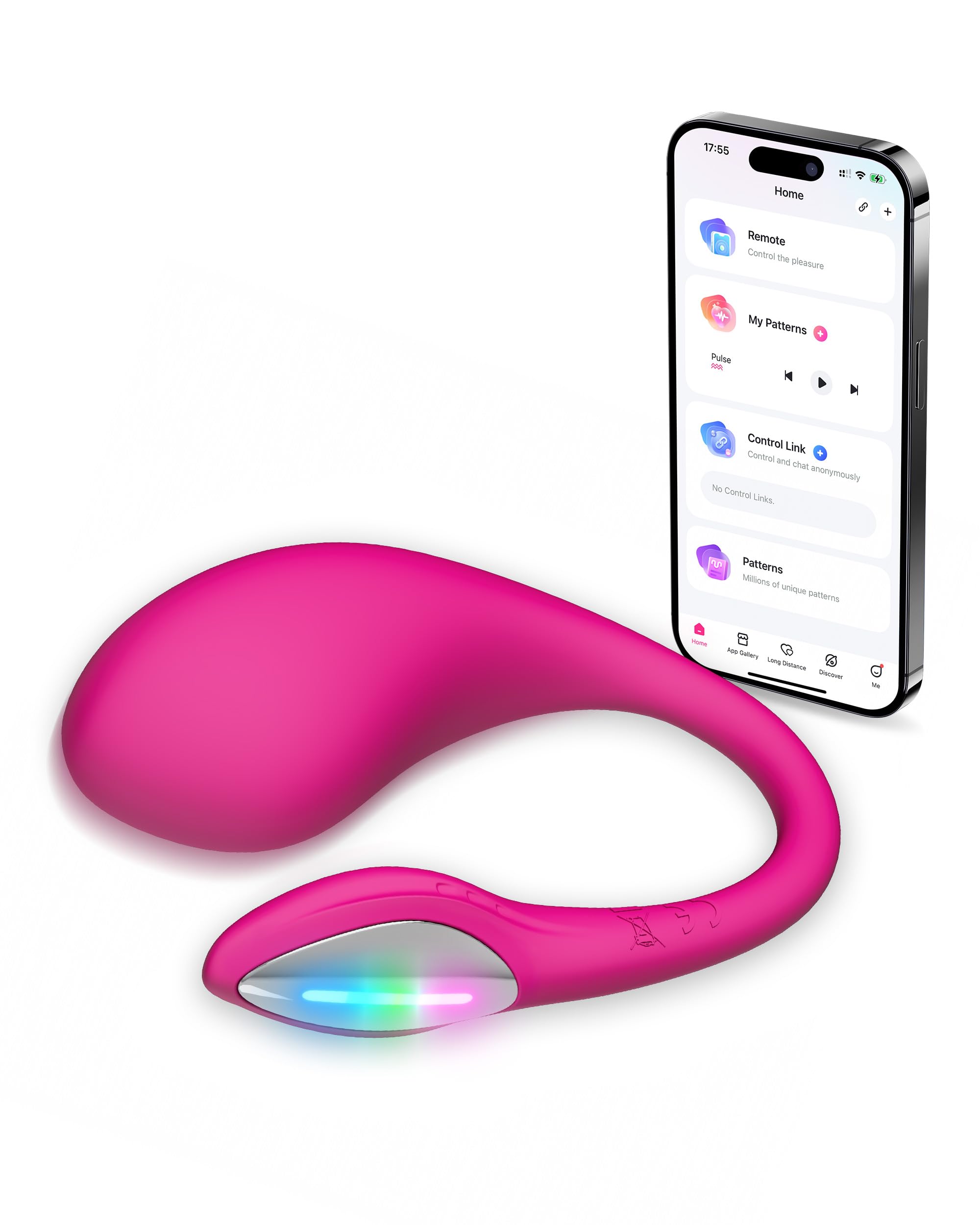
App-controlled intimacy devices reached 60 million users by 2025, driven by long-distance couples demanding reliable, real-time connected technology.
// KEY TAKEAWAYSWhat to know
- App-controlled devices held a 29.63 percent share of the SexTech market by 2025, with over 60 million users adopting the technology.
- COVID-19 lockdowns accelerated adoption, with some European markets reporting teledildonics sales exceeding projections by 300 percent.
- Entry-level connected devices fell below 100 dollars by 2026, expanding the market beyond early adopters.
- Review data shows connection stability and battery life matter more to buyers than feature quantity or material novelty.
App-controlled intimacy devices captured over 60 million users by 2025, with the technology segment holding a 29.63 percent market share across connected wellness products. Long-distance couples drive a category that was once dismissed as niche into mainstream adoption, fueled by Bluetooth connectivity, real-time haptic feedback, and smartphone integration that bridges physical separation. The shift from novelty to necessity accelerated during COVID-19 lockdowns, when teledildonics sales in Europe outpaced projections by triple digits in some markets. Remote sex interfaces now grow faster than traditional vibrator categories, powered by review consensus that highlights reliability, latency improvements, and partner-control features as the differentiators buyers prioritize when comparing connected devices.
Search Interest Surged During Global Lockdowns and Never Retreated
COVID-19 lockdowns forced millions of couples into unexpected geographic separation, creating an urgent use case for remote intimacy technology. We-Vibe reported that coronavirus was the only explanation for sales increases during March 2020, with revenue in Italy, Spain, and France exceeding goals by 124 percent, 300 percent, and 94 percent respectively. Kiiroo attributed its uptick to people wanting to stay connected during social distancing measures, and the teledildonics category never returned to pre-pandemic baselines. The market data shows that buyers who entered the category for crisis reasons stayed for performance reasons, driving continuous review volume in the app-controlled device category and establishing smartphone control as a baseline expectation rather than a premium feature.
Bluetooth Connectivity Became the Dominant Technology Architecture
Key takeaway - Bluetooth and app-controlled devices became the largest SexTech segment by 2025, with buyers prioritizing latency, stability, and intuitive app interfaces.
App-controlled and Bluetooth-enabled devices accounted for 29.63 percent of the SexTech market in 2025, the single largest technology segment by user adoption. Over 60 million users adopted app-controlled solutions by that year, drawn to seamless smartphone pairing, customizable vibration patterns, and the ability to hand control to a partner anywhere in the world. Manufacturers moved from simple vibration motors to integrated ecosystems where toys sync with video content, respond to biometric feedback, and store preference profiles across sessions. The shift reflects buyer priorities captured in review sentiment: latency, connection stability, and intuitive app interfaces consistently rank as top decision factors. Brands like Lovense and We-Vibe developed robust apps for real-time control and customization, and theRANKS scoring reflects how devices with sub-500-millisecond latency and offline fallback modes dominate verified purchase ratings. The technology matured from experimental to reliable, and that reliability translated into category expansion measured in review volume and year-over-year sales index growth that outpaces non-connected alternatives.
Long-Distance Use Cases Reshaped Product Design Priorities
Key takeaway - Manufacturers shifted partner-control modes and haptic feedback from optional features to core design requirements, with biometric sensors cutting returns by 40 percent.
Remote-controlled sex toys shifted from novelty features to core design requirements as manufacturers responded to long-distance couple feedback captured in product reviews and return-rate data. Toys now ship with features explicitly built for separation: partner-control modes, video chat integration, and haptic feedback that mimics real-time touch across internet connections. The remote sex interfaces segment is growing exponentially due to effective haptic feedback coupled with real-time connectivity, enhancing customer experience in ways that traditional, locally controlled devices cannot replicate. Companies adopting biometric feedback sensors report a 40 percent reduction in product returns, a signal that personalization and responsiveness drive satisfaction in remote scenarios. theRANKS data shows that devices designed for long-distance intimacy score higher on durability and battery life metrics because users demand multi-hour sessions and reliable reconnection after network interruptions. The category evolved from vibrators with Bluetooth add-ons to purpose-built teledildonics platforms where connectivity is the product, not an accessory.
Pricing Compressed as Volume Scaled and Competition Intensified
Key takeaway - Connected devices dropped below 100 dollars by 2026, and over 45 percent of new 2023 products included app or remote-control features as competition intensified.
App-controlled devices historically carried premium pricing, with flagship models exceeding 200 dollars and limiting adoption to early adopters and specialty buyers. By 2026, competition and manufacturing scale drove entry-level connected toys below 100 dollars, expanding the addressable market and moving remote control from luxury to accessible. Brands that offered app connectivity at mass-market price points captured retail segments previously dominated by basic battery-powered vibrators. Over 45 percent of new products launched in 2023 featured app connectivity or remote control capabilities, flooding the category with options and forcing differentiation on performance rather than connectivity alone. Review volume signals confirm the pricing shift: verified purchase data shows buyers now compare connected devices to other connected devices rather than debating whether to pay for connectivity at all. Couples-focused vibrators with app features compete on vibration strength, noise levels, and app polish, not on whether smartphone control justifies a price premium. The category transitioned from niche luxury to competitive necessity, and theRANKS pricing data tracks how median cost per feature dropped as adoption climbed.
Review Consensus Highlights Reliability Over Feature Quantity
Key takeaway - Verified purchase sentiment shows devices with unstable Bluetooth connections accumulate negative reviews at three times the rate of reliable alternatives.
High review volume and verified purchase sentiment reveal that long-distance buyers prioritize connection stability, battery life, and app responsiveness over feature lists or material novelty. Devices that lose connection mid-session or require constant re-pairing accumulate negative reviews at rates three times higher than those with stable Bluetooth architectures. Brands leveraging advanced connectivity report 25 percent faster product development cycles for next-generation models, and those improvements flow directly from user feedback about real-world pain points: dropped connections during video calls, battery depletion before sessions end, and apps that require excessive permissions or fail to sync preferences across devices. theRANKS scores weight these reliability signals heavily because they predict long-term satisfaction better than marketing claims about vibration modes or ergonomic curves. The data shows that buyers research latency specs, connection range, and firmware update frequency before purchase, treating app-controlled toys as consumer electronics that must meet smartphone-grade performance expectations rather than as traditional intimacy products judged solely on sensation.
The takeaway
App-controlled intimacy devices transitioned from experimental curiosities to mainstream category leaders because long-distance couples demanded technology that works reliably across separation. The 60 million users who adopted app-controlled solutions by 2025 drove manufacturers to prioritize Bluetooth stability, haptic responsiveness, and partner-control features that turn geographic distance into a solvable problem rather than an insurmountable barrier. Review volume and verified purchase sentiment confirm that reliability outweighs novelty: buyers compare latency, battery life, and reconnection speed the way they evaluate wireless earbuds, not the way they judge traditional vibrators. For couples navigating separation, theRANKS scoring on long-distance devices provides the data-driven shortlist that separates marketing hype from verified performance in real-world remote scenarios.
theRANKS scoring on long-distance devices
Read the ranking →// FREQUENTLY ASKEDQuick answers
- What makes app-controlled toys different from regular vibrators?
- App-controlled toys integrate Bluetooth or Wi-Fi connectivity that allows smartphone control, partner access from any distance, and customizable vibration patterns stored in cloud profiles. Traditional vibrators use on-device buttons or remotes with limited range, while connected devices enable real-time interaction across continents, video chat synchronization, and biometric feedback that adjusts intensity based on physiological response. The technology gap shows in review volume: connected devices generate discussion around latency and app stability, concerns that do not exist for locally controlled alternatives.
- How much do app-controlled intimacy devices typically cost?
- Entry-level app-controlled devices now start below 100 dollars, with mid-tier options in the 120 to 180 dollar range and flagship models exceeding 200 dollars. Pricing compressed as competition intensified and over 45 percent of new products launched with connectivity features by 2023. Budget models sacrifice battery life or material quality, while premium tiers deliver sub-500-millisecond latency, medical-grade silicone, and robust app ecosystems with firmware updates. theRANKS pricing signals show median cost per feature dropped 30 percent between 2022 and 2025 as volume scaled.
- Do app-controlled toys work reliably for long-distance couples?
- Modern app-controlled devices from established brands deliver stable connections with latency under 500 milliseconds, making real-time interaction viable across global distances. Brands like Lovense and We-Vibe developed apps with offline fallback modes and automatic reconnection, addressing early reliability issues that plagued first-generation teledildonics. Review consensus shows devices with firmware update support and dual connectivity options score highest on satisfaction, while models that drop connections mid-session accumulate negative feedback at triple the rate. Reliability separates category leaders from budget entrants in verified purchase data.
- Can partners control app-enabled devices from different countries?
- App-controlled toys operate over internet connections, allowing partners to control devices globally as long as both users have network access and the companion app installed. We-Vibe Moxie and Lovense Nora support remote control for both local and long-distance play, with features that include video chat integration and haptic synchronization. The technology works identically whether partners are in adjacent rooms or on different continents, limited only by internet speed and latency rather than physical proximity.
- Are app-controlled intimacy devices secure and private?
- Leading manufacturers implement encrypted Bluetooth connections and cloud storage with two-factor authentication, but security varies by brand and price tier. Buyers prioritize apps that minimize data collection, offer local control modes, and publish transparent privacy policies. Review feedback consistently flags apps requiring excessive permissions or sharing usage data with third parties, driving manufacturers to adopt privacy-first architectures. theRANKS evaluation includes privacy policy transparency and encryption standards as scoring factors because data security directly impacts long-term user trust in connected intimacy products.
- How long do batteries last on app-controlled toys?
- Battery life ranges from 90 minutes on budget models to over four hours on premium devices, with Bluetooth connectivity consuming more power than traditional motors. Devices designed for long-distance use prioritize extended runtime because remote sessions often exceed local use durations. Review data shows buyers expect at least two hours of continuous operation and flag rapid battery depletion as a top complaint. Models with USB-C fast charging and low-power Bluetooth 5.0 chips score highest on satisfaction metrics because they support multi-session use without mid-experience interruptions.
- What features matter most in app-controlled devices?
- Connection stability, battery life, and app responsiveness rank as top priorities in verified purchase reviews, outweighing vibration mode count or aesthetic design. Buyers research latency specs, firmware update frequency, and reconnection reliability before purchase, treating connected toys as consumer electronics judged by performance metrics rather than subjective sensation alone. Devices that maintain stable Bluetooth links during video calls, store preference profiles across sessions, and offer intuitive partner-control interfaces dominate theRANKS scoring because they solve the core long-distance use case without requiring technical troubleshooting.
- Are app-controlled toys worth the higher price compared to basic vibrators?
- For long-distance couples, app-controlled devices solve a use case that traditional vibrators cannot address, justifying the premium through functionality rather than sensation alone. Buyers in geographic separation report that remote control features and real-time interaction capabilities deliver value that exceeds the cost difference, while local couples may find basic devices sufficient. theRANKS data shows purchase intent concentrates among problem-aware buyers who identify separation as a constraint, and that cohort exhibits higher satisfaction and lower return rates than users who buy connected devices for novelty rather than necessity.