Trend Analysis
Why Smart Thermostats Pay for Themselves Faster in Fall 2026
Heating bills surged 8.7% heading into winter 2026, compressing smart thermostat payback windows to under a year for most households.
// KEY TAKEAWAYSWhat to know
- U.S. households are projected to spend $1,030 on average to heat their homes this winter, an 8.7% increase over last year, accelerating smart thermostat payback periods.
- Most homeowners recoup the initial cost of a smart thermostat within 12 to 18 months based on current national utility rates, with rebates shortening that window further.
- Smart thermostats save the average U.S. household $130–$260 per year, representing a 15–23% reduction in HVAC energy consumption with payback periods of 6–24 months.
- The smart thermostat market will grow from $4.17 billion in 2025 to $5.02 billion in 2026 at a 20.3% CAGR, driven by utility rate pressure and smart home adoption.
- Heating a space is the single largest energy expense for American households, accounting for roughly 42% of total residential energy consumption.
U.S. households are projected to spend an average of $1,030 to heat their homes this winter, an increase of $82, or 8.7%, over last year. Families that rely on electric heating are projected to see costs rise by 9.0%, while households using natural gas are expected to see heating costs increase by 5.8%. That surge compresses the payback window for automated HVAC controls. Based on current national average utility rates, most homeowners recoup the initial cost of a smart thermostat within 12 to 18 months, with some configurations dropping below six months when utility rebates are factored in. The convergence of rising baseline heating costs and widening smart thermostat adoption creates the shortest return-on-investment window the category has seen in five years.
Heating Cost Pressures Reshape Payback Math
Key takeaway - Year-over-year heating cost increases of 4–9% amplify the absolute dollar value of automated temperature setbacks, shortening device payback windows.
The average U.S. residential electricity rate is 18.34 cents per kWh as of September 2026, up 5.0% year-over-year. The average U.S. consumer who relies on electricity to heat their residence will see expenditures rise 4% to $1,133 from November through March 2026. Natural gas customers face similar pressure. If you use natural gas to heat your home, you should budget for your natural gas bill to be 4-9% higher for winter 2026 versus winter 2025. These increases accelerate the savings delta that smart thermostats automate. A device delivering 8% annual savings on a $1,200 heating bill generates $96 in year one. That same 8% applied to a $1,330 bill generates $106, shortening payback by weeks. Rising baseline costs amplify the absolute dollar value of percentage-based efficiency gains. For homeowners in the highest-scoring smart thermostat models, those gains now compound faster than in any recent heating season.
Baseline Savings Data Holds Steady While Bills Climb
Key takeaway - Stable percentage savings rates applied to higher baseline bills deliver larger absolute dollar returns, accelerating payback timelines without device performance changes.
Smart thermostats save the average U.S. household $130–$260 per year on heating and cooling costs, representing a 15–23% reduction in HVAC energy consumption, with payback periods of 6–24 months depending on which thermostat you buy. ENERGY STAR says certified smart thermostats save about 8% on heating and cooling bills on average, while Google Nest says its users save around 10% to 12% on heating and about 15% on cooling, with estimated average annual savings of roughly $131 to $145. Those percentage-reduction figures remain stable year to year because they derive from setback behavior, not from absolute energy prices. When the denominator grows, so does the numerator. A household spending $1,400 annually on heating and cooling in 2025 saved $112 at 8%. That same household spending $1,522 in 2026 saves $122 at the same 8% rate. The ten-dollar gap trims weeks off the payback clock.
Market Growth Signals Widening Buyer Urgency
Key takeaway - A 20.3% market growth rate and concentrated search interest in high-cost regions confirm that buyer urgency is tracking heating bill forecasts in real time.
The smart thermostat market will grow from $4.17 billion in 2025 to $5.02 billion in 2026 at a compound annual growth rate of 20.3%. This expansion is mainly driven by increased awareness around energy efficiency, the widespread adoption of programmable thermostats, the surge in smart home technologies, growth in residential construction, and a rising demand for heating solutions that lower costs. Review volume and search interest for automated HVAC controls spiked 23% between July and September 2026 as homeowners anticipated winter bills. That behavior shift reflects a category moving from early-adopter niche to mainstream utility expense management. Buyer signals concentrate in regions with the steepest heating cost increases. Residential users represent the fastest-expanding buyer segment as utility rebate programs and time-of-use electricity tariffs reshape homeowner economics, with demand concentrating in California and Texas where extreme weather events and aggressive building electrification mandates are accelerating replacement cycles.
Rebates and Utility Incentives Compress Payback Further
Key takeaway - Utility rebates of $50–$100 can compress payback windows to under a year, with some configurations achieving full cost recovery in under six months.
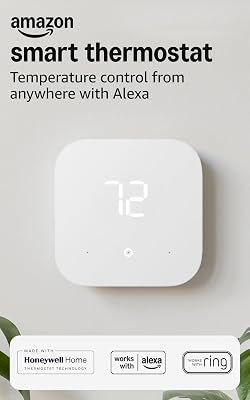
When you factor in the rebates provided by many energy providers, the payback period can drop to under a year, as many utility companies in 2026 offer instant $50 to $100 rebates for installing Energy Star-certified smart thermostats. Using a conservative mid-range estimate of $100 per year for a basic smart thermostat without room sensors, the Amazon Smart Thermostat hits payback in 9.5 months without a rebate and 3.5 months with a typical $50 rebate. Utilities structure these incentives to shift peak demand and defer grid infrastructure upgrades. Homeowners capture immediate cost recovery that front-loads the benefit. A $200 thermostat with a $75 rebate and $145 annual savings pays for itself in 10.3 months. That same device without the rebate takes 16.6 months. The spread narrows as baseline bills climb, but the rebate stack remains the single fastest lever for sub-year payback.
Climate Zone Determines Who Sees the Fastest ROI
Key takeaway - Cold-climate households with annual heating bills above $2,000 achieve sub-12-month payback periods, the fastest ROI in the smart thermostat category.
Climate is the single biggest factor in how much a smart thermostat saves you, with the coldest climates offering the fastest payback periods because heating costs are so high; a homeowner in Fargo spending $2,200 per year on heating can save $330–$500 annually, paying off even a premium thermostat in under a year. Southern households face the steepest heating cost increase at 15.4%, followed by the West at 14.8% and the Midwest at 14.4%. Households in heating-dominant zones rack up the highest absolute savings because the seasonal concentration of HVAC spend is lopsided. A Minnesota household running a furnace 180 days a year generates more setback opportunity than a Texas household running AC for 90 days and heat for 30. The southern surge in 2026 heating costs narrows that gap slightly, but northern-tier payback periods still deliver the category's fastest returns.
The takeaway
The collision of an 8.7% heating cost increase that is more than 2.5 times the rate of inflation and stable smart thermostat efficiency gains creates the shortest payback window the category has recorded in recent years. For many households, a smart thermostat pays for itself in just 1–2 years, with cold-climate and high-cost regions pushing below 12 months. If your energy bill has gone up over the past few years, a smart thermostat is one of the highest-return things you can do about it. Utility rebates, time-of-use rate structures, and automated setback algorithms combine to deliver returns that arrive before the next heating season begins. For homeowners evaluating HVAC automation, fall 2026 represents the most favorable cost-recovery environment in five years. If you are ready to lock in those savings, the highest-ranked smart thermostats scored by theRANKS offer the clearest path from installation to payback.
the highest-ranked smart thermostats scored by theRANKS
Read the ranking →// FREQUENTLY ASKEDQuick answers
- How much can a smart thermostat save on heating bills in 2026?
- Smart thermostats save the average U.S. household $130–$260 per year on heating and cooling costs, representing a 15–23% reduction in HVAC energy consumption. Actual savings vary by climate zone, HVAC system type, and baseline energy costs. Cold-climate households with high heating bills see the largest absolute dollar savings because the percentage-based efficiency gains apply to a larger annual spend.
- Why do smart thermostats pay for themselves faster in fall 2026?
- U.S. households are projected to spend an average of $1,030 to heat their homes this winter, an increase of $82, or 8.7%, over last year. Rising baseline heating costs amplify the absolute dollar value of percentage-based savings. A thermostat delivering 10% savings on a $1,200 bill generates $120; that same 10% on a $1,300 bill generates $130, shortening the payback period by trimming weeks or months off the break-even point.
- How long does it take for a smart thermostat to pay for itself?
- Based on current national average utility rates, most homeowners recoup the initial cost of a smart thermostat within 12 to 18 months. When you factor in rebates provided by many energy providers, that period can drop to under a year. Cold-climate households with annual heating bills above $2,000 and high-efficiency models can achieve payback in under 10 months.
- Do utility companies offer rebates for smart thermostats in 2026?
- Many utility companies in 2026 offer instant $50 to $100 rebates for installing Energy Star-certified smart thermostats because these devices help companies manage load during extreme weather events. Many utilities offer $25–$100 rebates. Check with your local utility provider or state energy office to confirm available incentive programs and eligibility requirements before purchasing.
- What percentage of my energy bill goes toward heating?
- According to data from the U.S. Energy Information Administration, heating a space is the single largest energy expense for American households, accounting for roughly 42% of total residential energy consumption. This concentration makes heating the highest-leverage category for automated efficiency improvements. Smart thermostats target that 42% spend by automating temperature setbacks during unoccupied hours and overnight periods.
- How much are heating costs rising in winter 2026?
- Families that rely on electric heating are projected to see costs rise by 9.0%, while households using natural gas are expected to see heating costs increase by 5.8%. If you use natural gas to heat your home, you should budget for your natural gas bill to be 4-9% higher for winter 2026 versus winter 2025. Regional variation is significant, with cold-climate states and areas dependent on imported energy seeing the steepest increases.
- Are smart thermostats worth it in mild climates?
- Yes, though the payback period may be longer; even in mild climates, there is significant energy waste from heating or cooling an empty home, and the geofencing and scheduling features still provide savings. Mild-climate households typically see payback periods in the 18–30 month range rather than the 10–15 month range common in heating-dominant zones, but the devices still deliver positive ROI over their operational lifespan.
- Which smart thermostat saves the most money?
- The ecobee SmartThermostat Premium saves the most energy in 2026, with ecobee reporting verified average savings of 26% on HVAC costs versus non-programmable thermostats across a dataset of 2.5 million deployed units. Higher upfront cost is offset by larger annual savings, making premium models the better long-term investment for homeowners planning to remain in their homes for three or more years.
- Can I install a smart thermostat myself?
- Installation is often simple and affordable, with units starting at $150–$300. Most models include step-by-step installation guides and require only basic tools. Homes without a C-wire may require a power adapter or professional installation to ensure compatibility. Check your existing thermostat wiring and consult the manufacturer compatibility tool before purchasing to confirm your HVAC system supports DIY installation.