Head-to-Head
Blender vs Food Processor: What's the Difference and Which Do You Need?
One turns things into liquid. The other turns them into pieces. Here's which one your cooking actually calls for.
// KEY TAKEAWAYSWhat to know
- A blender is for liquids and smooth textures; a food processor is for chopping, shredding, slicing and dough.
- Blenders need liquid to create a vortex, while a processor's wide bowl and discs cut solid food into pieces.
- A powerful blender can make hummus, pesto and nut butter but can't slice or shred.
- Most people should start with a blender; heavy home cooks who chop a lot should start with a processor.
- Good blenders run about $75-500 and full-size processors about $150-400; a blender base with a processor attachment saves a cabinet.
A blender is for liquids and smooth textures like smoothies, soups and sauces; a food processor is for solid food like chopping, shredding, slicing and dough. If you drink smoothies or make soup, buy a blender first: the Vitamix 5200. A blender for about $100: the Ninja Professional Plus. One machine for both: the Vitamix Ascent X2, which takes a food processor attachment.
The differences that matter
What they make. Blenders need liquid to create a vortex that pulls food into the blades, so they make smooth, pourable things. Food processors have a wide, flat bowl and an S-blade plus slicing and shredding discs, so they cut solid food into pieces without turning it to purée.
Blades and shape. A blender's tall jar and fast blades purée. A processor's wide bowl and slower, sharper blade chops evenly, and discs slice and grate, which a blender can't do at all.
Meal prep. For batch smoothies, soups and sauces, a blender wins. For chopping a week's vegetables, shredding cheese or making pie dough, a processor saves the most time.
Can one replace the other? Partly. A powerful blender can make hummus, pesto and nut butter, and chop with careful pulsing, but it can't slice or shred. A processor can make thick dips and purées but makes poor smoothies and leaks with lots of liquid.
Price. Good blenders start around $75 (NutriBullet) and top out around $500 (Vitamix). Good full-size food processors run about $150 to $400.
Who should buy each
The best blender, a cheap one, a blender that becomes a food processor, one for thick blends, and one for grab-and-go meal prep.
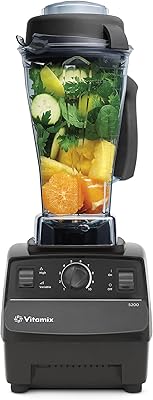
Vitamix 5200: Best blender Buy a blender if you make smoothies, soups, sauces or frozen drinks.
Our take: The blender that does liquids better than anything else here. Its 2-horsepower motor and tall 64-ounce jar make silky smoothies and nut butters, and running it a few minutes heats soup in the jar. CNN Underscored names it the best blender. It can make hummus and pesto, but it won't slice or shred, so it's not a food processor replacement for chopping-heavy cooks. Why it's great - Silky smoothies, soups and nut butters - Durable, with a 7-year warranty - Simple dial control Keep in mind - Loud - Tall jar - Can't slice or shred Buy it if blending is your main job. Consider instead: If you'd rather spend about $100, the Ninja Professional Plus might be a more cost-effective option. Key specs: 2 HP · 64 oz · variable speed · 7-year warranty
Ninja Professional Plus BN701: Best cheap blender Buy it if you want strong blending on a budget.
Our take: The best blender for about $100. It crushes ice for frozen drinks and has presets for smoothies and frozen desserts, and its stacked blades can chop salsa and coarse vegetables with pulsing, which gets closer to a processor than most blenders. It won't shred or slice, and greens are less smooth than in a Vitamix. Why it's great - Crushes ice easily - Pulses salsa and coarse chops - Big 72-ounce jar Keep in mind - Blade tower awkward to clean - Less smooth with greens - Loud Buy it if you want one affordable machine for drinks and rough chopping. Consider instead: If you want smoother results, the Vitamix 5200 might be worth it. Key specs: 1,400 W · 72 oz · 3 Auto-iQ programs (Ninja)
Vitamix Ascent X2: Blender that becomes a food processor Buy it if you want one base for both jobs and have the budget.
Our take: Tom's Guide's best blender also works with Vitamix's Self-Detect containers, including a food processor attachment, so one motor base slices, shreds and blends. That saves counter space for people who'd otherwise own two machines. The attachment costs extra, and the whole setup is a big investment. Why it's great - Best-in-class blending - Add-on food processor bowl uses the same base - 10-year warranty Keep in mind - Expensive, especially with attachments - Loud - Attachments sold separately Buy it if you want both jobs from one premium machine. Consider instead: If you only blend, the Vitamix 5200 might suit you better for less. Key specs: 1,500 W · 48 oz · Self-Detect containers incl. food processor attachment (Tom's Guide) · 10-year warranty
Ninja Foodi Personal Blender & Smoothie Bowl Maker: Best for thick blends Buy it if you make smoothie bowls, thick dips or protein shakes.
Our take: Most blenders need lots of liquid; this one is built for thick mixtures, with a built-in tamper for spoonable smoothie bowls. That gets it closer to food-processor territory for dips and spreads. It's personal-sized, so it's for one or two people. Why it's great - Handles thick, spoonable blends - Small and quick to clean - To-go cups included Keep in mind - Small capacity - Not for family batches - Can't slice or shred Buy it if your blends are thick and single-serve. Consider instead: If you cook for a family, the Ninja Professional Plus might be a better fit. Key specs: 1,200 W · smoothie bowl maker with tamper · 2 x 24 oz cups (Ninja)
NutriBullet Full-Size Combo: Best for meal-prep smoothies Buy it if you prep smoothies and want grab-and-go cups.
Our take: A full-size pitcher for batches and single-serve cups you blend in and take to work. It's the cheapest way to make smoothie meal prep a habit. It's a blender through and through: thick dips strain it, and it won't chop. Why it's great - Pitcher and cups in one box - Low price - Easy to clean Keep in mind - Struggles with very thick blends - Plastic build - Can't chop or slice Buy it if your meal prep is smoothies. Consider instead: If you want soups and nut butters too, the Vitamix 5200 might be worth the extra. Key specs: 1,200 W · full-size pitcher · to-go cups (NutriBullet)
Blender vs food processor at a glance
| | Blender | Food processor | |---|---|---| | Best at | Smoothies, soups, sauces, frozen drinks | Chopping, slicing, shredding, dough, chunky dips | | Needs liquid | Yes | No | | Slices and shreds | No | Yes | | Hummus and pesto | Yes (powerful blenders) | Yes | | Typical price | $75-$500 | $150-$400 |
How to choose
1. What do you make most? Drinks and soups: blender. Chopped vegetables, slaw, dough: food processor. 2. Can you only buy one? Most people should start with a blender; it does more everyday jobs. Heavy home cooks who chop a lot should start with a processor. 3. Short on space? A blender base with a processor attachment (Vitamix Ascent X2) or a blender-processor combo saves a cabinet. 4. More picks: see our best blenders. Related: our guide Instant Pot vs Air Fryer and our best stand mixers.
The takeaway
Buy a blender for smoothies, soups and sauces: the Vitamix 5200, or the Ninja Professional Plus for about $100. Buy a food processor for chopping, slicing and dough. Want both from one base? The Vitamix Ascent X2 takes a food processor attachment.
the best blenders
Read the ranking// FREQUENTLY ASKEDQuick answers
- What is the difference between a blender and a food processor?
- A blender purées and liquefies with a tall jar and liquid; a food processor chops, slices and shreds solid food in a wide bowl with blades and discs.
- Can you use a blender as a food processor?
- For some jobs. A powerful blender can make hummus, pesto, nut butter and salsa with pulsing. It can't slice or shred, and chopping is less even.
- Can I use a food processor instead of a blender?
- For thick dips and purées, yes. For smoothies and soups, no: it leaks with lots of liquid and won't get as smooth.
- Which is better for meal prep?
- A blender for smoothies, soups and sauces; a food processor for chopping vegetables, shredding cheese and making dough. Many meal-preppers end up with both.
- Is a blender-food processor combo worth it?
- If you're short on space and need both, yes. Combos trade a little performance in each job for one footprint.
- Which should a beginner cook buy first?
- A blender, unless you chop a lot. It handles breakfast, soups and sauces, and a good knife covers most chopping.