How-To
How to Choose a Portable Outdoor Projector for Backyard Movies
Match brightness, throw distance, and power to your yard before you compare models.
// KEY TAKEAWAYSWhat to know
- Ambient light determines minimum brightness: open yards need higher lumens than covered patios.
- Throw distance governs placement: measure from screen to seating before you shop.
- Battery runtime matters when outlets are far from the viewing area.
- Built-in speakers work for small groups; larger gatherings need external audio.
You want movie night under the stars, but the projector aisle offers dozens of specs with no clear winner. Brightness ratings span three hundred to three thousand lumens. Throw ratios range from short to ultra-short. Battery claims promise two hours or six. The wrong choice leaves you with a dim image, a projector sitting in the walkway, or a device that dies halfway through the film. This guide walks through four decisions that narrow the field before you compare models. Each step matches a spec to a physical constraint in your backyard, so you shop with a shortlist instead of guessing.
Step 1: Measure Your Throw Distance and Screen Size
Key takeaway - Throw ratio determines whether a projector fits your yard layout; measure before you shop.
Throw distance is the space between the projector lens and the screen. Every projector publishes a throw ratio that tells you how far back it must sit to fill a given screen width. A ratio above two means the projector needs more than twice the screen width in clearance. A ratio below one lets you place it closer than the screen is wide. Measure the distance from your seating area to where the screen will hang. If that span is short, you need a low throw ratio to avoid putting the projector in the middle of your guests. If the span is long, a higher ratio works fine and often costs less. Write down the measurement in feet. Divide it by the screen width you want. The result is the maximum throw ratio you can accommodate. Any projector with a ratio at or below that number will fit your layout. This single calculation eliminates half the models on the market before you read a single review. Once you know which projectors fit your space, compare them in the best outdoor projectors we ranked to see which delivers the sharpest image and longest battery life.
Step 2: Match Brightness to Your Ambient Light
Key takeaway - Count nearby light sources at showtime to determine the minimum lumens you need.
Outdoor projectors face streetlights, porch lamps, and twilight glow that indoor models never see. Brightness is measured in lumens, and the number you need depends on how much light competes with the screen. A covered patio with no direct lighting works with lower brightness. An open yard near a streetlamp or under a bright moon demands higher output. Projectors below five hundred lumens produce a visible image only after full dark. Models between five hundred and one thousand lumens handle dusk and low ambient light. Units above one thousand lumens let you start the movie before sunset. Walk your backyard at the time you plan to watch. Note every light source within fifty feet of the screen. If you count more than two, or if any shine directly toward the viewing area, budget for higher lumens. If your yard is dark and enclosed, a mid-range brightness projector saves money without sacrificing image quality.
Step 3: Decide Between Battery and Plug-In Power
Key takeaway - Battery projectors suit remote setups; plug-in models deliver more brightness for less money.
Portable projectors run on internal batteries or require an outlet. Battery models let you set up anywhere without extension cords. Plug-in units deliver brighter images and never die mid-movie. Battery runtime ranges from ninety minutes to six hours depending on brightness settings. A two-hour movie needs at least two and a half hours of rated runtime because maximum brightness drains the battery faster than the manufacturer's estimate. If your screen sits more than twenty feet from an outlet, a battery projector eliminates tripping hazards. If an outlet is within easy reach, a plug-in model gives you unlimited runtime and higher brightness for the same price. Check whether the battery projector you're considering allows pass-through charging, which lets you plug it in while it runs. That feature turns a battery model into a plug-in when you have access to power, giving you both options in one device.
Step 4: Evaluate Built-In Audio Versus External Speakers
Key takeaway - Built-in speakers suit small groups; larger audiences need external audio for clear dialogue.
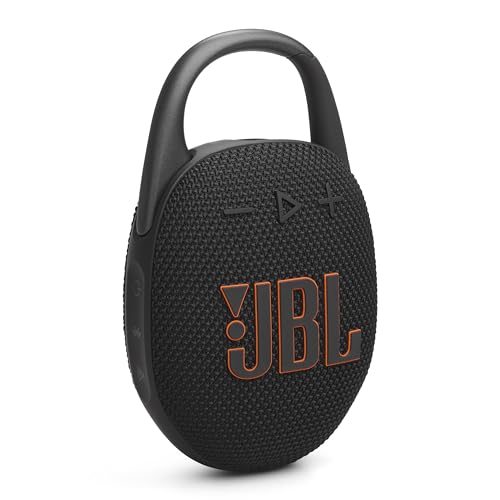
Most portable projectors include small built-in speakers. Those speakers work for groups of four or fewer sitting within ten feet of the projector. Larger gatherings or wider seating spreads need external audio. Built-in speakers save setup time and eliminate extra cables. External speakers deliver louder volume and clearer dialogue. If you already own portable Bluetooth speakers, check whether the projector supports Bluetooth audio output. That pairing gives you better sound without running wires. If you plan to buy speakers specifically for movie nights, compare options in the best portable Bluetooth speakers for outdoor use to find models that pair quickly and deliver clear audio across a yard. Test the projector's built-in audio at the distance your farthest guest will sit. If you can hear dialogue clearly, you're set. If not, budget for external speakers before your first screening.
The takeaway
Choosing a portable outdoor projector starts with your backyard, not the spec sheet. Measure throw distance to eliminate models that won't fit your layout. Count light sources to set a brightness floor. Decide whether battery or plug-in power matches your setup. Test built-in audio against your seating spread. Those four steps produce a shortlist of projectors that work in your space. From there, compare image quality, battery life, and price in the best outdoor projectors we ranked to find the model that delivers the sharpest picture for your budget. The right projector turns your backyard into a theater without guesswork or returns.
the best outdoor projectors we ranked
Read the ranking// FREQUENTLY ASKEDQuick answers
- How many lumens do I need for outdoor movie nights?
- Lumens depend on ambient light. A dark, enclosed patio works with five hundred lumens. An open yard near streetlights needs one thousand lumens or more. Walk your space at showtime and count nearby light sources. If you see more than two, or if any shine toward the screen, choose a projector above one thousand lumens. Lower brightness works only after full dark in spaces with no competing light.
- What is throw distance and why does it matter?
- Throw distance is the space between the projector and the screen. Every projector has a throw ratio that determines how far back it must sit to fill a given screen size. Measure the distance from your seating area to the screen location. Divide that number by your desired screen width. The result is the maximum throw ratio your yard can accommodate. Projectors with higher ratios won't fit without sitting in your walkway.
- Can I use a portable projector in daylight?
- Daylight washes out most portable projectors. Models below one thousand lumens produce no visible image in direct sun. Units above two thousand lumens show a faint picture in shade but still lack contrast. Plan movie nights for dusk or later. If you must project before dark, choose the brightest model your budget allows and position the screen in full shade away from direct sunlight.
- How long do battery-powered projectors last per charge?
- Battery runtime ranges from ninety minutes to six hours. Manufacturers rate runtime at lower brightness settings. Running the projector at maximum brightness drains the battery faster. A two-hour movie needs at least two and a half hours of rated runtime to finish without recharging. Check whether the model supports pass-through charging, which lets you plug it in while it runs if an outlet becomes available.
- Do I need external speakers for outdoor projectors?
- Built-in speakers work for groups of four or fewer sitting within ten feet of the projector. Larger audiences or wider seating spreads need external audio for clear dialogue. Test the projector's built-in speakers at the distance your farthest guest will sit. If you hear dialogue clearly, you're set. If not, pair the projector with portable Bluetooth speakers or a wired soundbar before your first screening.
- What screen size works best for backyard movies?
- Screen size depends on seating distance and throw ratio. A common rule is one foot of screen width for every two feet of viewing distance. If your closest seat is ten feet from the screen, a five-foot-wide screen works. Measure your throw distance and check the projector's throw ratio to confirm it can fill that size. Larger screens need more brightness to maintain image clarity in ambient light.
- How much does a good outdoor projector cost?
- Portable outdoor projectors range from two hundred to one thousand dollars. Budget models below three hundred dollars deliver lower brightness and shorter battery life. Mid-range units between four hundred and six hundred dollars balance brightness, runtime, and image quality. Premium models above seven hundred dollars offer the highest lumens and longest battery life. Match your budget to the brightness and runtime your yard demands rather than chasing the lowest price.