Fiskars
Fiskars Stand-Up Weeder
Explore Fiskars Stand-Up Weeder, including its pros and cons, and how it compares with other patio, lawn & garden options. It is rated 4.4 out of 5 from 29,560 ratings on Amazon, as of November 7, 2026.
Check PriceScored across trust, quality, value, and demand.
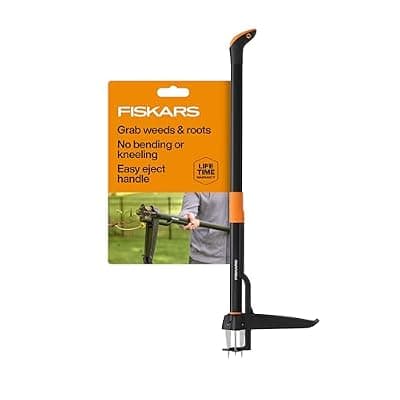
- +Stand-up design eliminates kneeling and reduces lower back strain during weeding
- +Four-claw mechanism extracts entire tap root system without chemical intervention
- +Foot pedal provides leverage for removing established weeds in firm soil
- +Ejection trigger releases weeds without hand contact for cleaner workflow
- −Performance diminishes in heavily compacted clay without pre-loosening
- −Narrow claw spacing less effective on cluster-growing weed types
- −39-inch handle length may feel short for taller users preferring fully upright posture
In the ranking
The Fiskars Stand-Up Weeder claims the value position by eliminating the need for kneeling or bending during one of gardening's most repetitive tasks. This tool targets homeowners managing lawns with persistent tap-rooted weeds like dandelions, thistles, and plantain, offering a mechanical solution that removes the entire root system without chemical intervention. The stand-up design extends reach to 39 inches, allowing users to work in an upright posture that reduces lower back strain compared to traditional hand-weeding tools.
The claw mechanism grips weed stems at ground level while the foot pedal provides leverage to extract roots intact. The ejection system releases captured weeds with a simple trigger pull, keeping hands clean and maintaining workflow efficiency across larger treatment areas. Review sentiment emphasizes the tool's effectiveness on established weeds with root depths up to four inches, though performance diminishes in heavily compacted clay soils where manual loosening may be required first.
The tool's relatively light weight of under three pounds means extended weeding sessions don't compound fatigue, and the narrow profile allows maneuvering between planted beds and landscape features without disturbing surrounding vegetation.