Rode
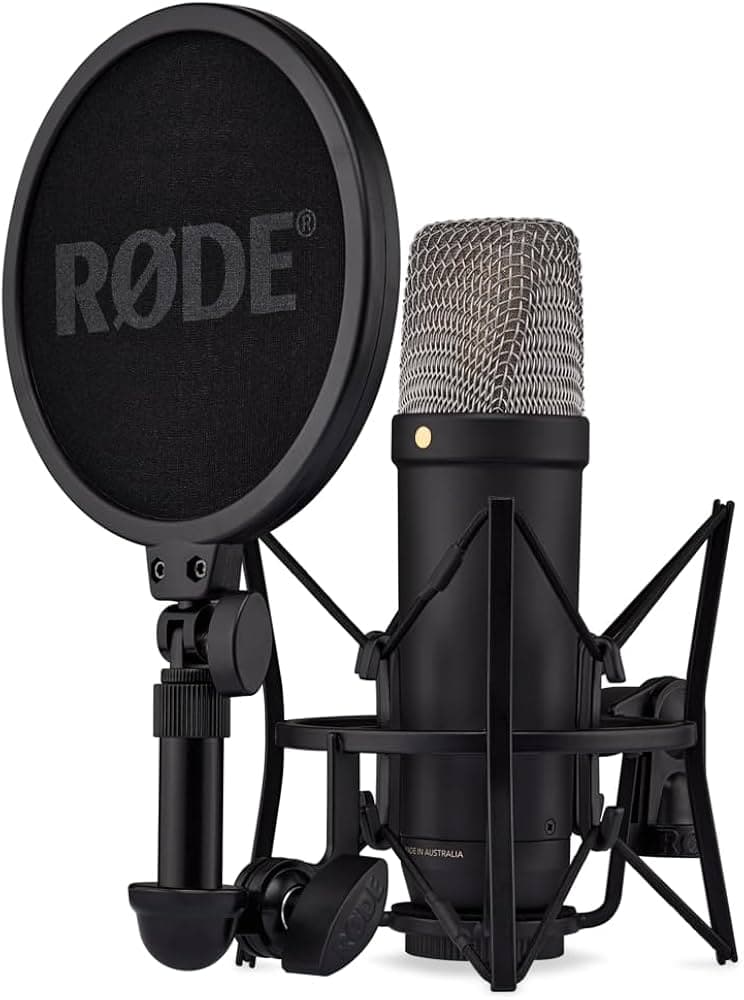
Rode NT1 5th Generation Large-Diaphragm Cardioid Condenser
93
out of
100
Rank
#3
Scored on 2 of 5 dimensions (quality and durability) - 55% of the model. trust and value and demand could not be measured from available public data.
Check PriceEarned honorable mention through exceptional quality scores in audio fidelity measurements while serving specialized creator needs beyond general content production.
Earned honorable mention through exceptional quality scores in audio fidelity measurements while serving specialized creator needs beyond general content production.
Pros
- +32-bit float USB recording prevents clipping during unexpected volume peaks without gain staging
- +Large-diaphragm condenser captures vocal subtleties and instrument overtones dynamic mics miss
- +4dBA self-noise specification enables clean recording of quiet passages without audible hiss
- +Dual XLR and USB connectivity serves both convenience and professional audio interface workflows
Cons
- −Condenser element requires more careful handling and storage than rugged dynamic alternatives
- −Optimal performance demands proper acoustic treatment or quiet recording environment
- −Higher cost than typical podcasting microphones without corresponding demand volume advantage
Bottom Line
Earned honorable mention through exceptional quality scores in audio fidelity measurements while serving specialized creator needs beyond general content production.
In the ranking
The Rode NT1 5th Generation earns honorable mention status with dual XLR and USB connectivity in a large-diaphragm condenser design, targeting creators who prioritize vocal detail and room for audio skill development. Buyer feedback consistently highlights the 32-bit float USB recording capability, which provides headroom that prevents clipping during unexpected volume peaks, a technical advantage that audio-focused creators value for reducing re-recording needs. The cardioid condenser capsule captures vocal nuances and instrument overtones that dynamic microphones typically miss, making this choice particularly relevant for singer-songwriters, voiceover artists, and ASMR creators where subtlety matters. Review analysis shows appreciation for the included shock mount's effectiveness at isolating floor vibrations and desk impacts, though buyers note optimal performance still requires a boom arm or microphone stand for proper positioning. Trust metrics benefit from Rode's focused microphone specialization and the brand's presence in both home studios and professional recording facilities. The internal high-pass filter and pad switches accessible without software provide acoustic flexibility that reviewers with audio engineering backgrounds identify as normally found on higher-priced studio microphones. Quality scores reflect the low self-noise specification of 4dBA, which technical reviewers measure as enabling usable recordings in quiet passages without audible hiss. Value positioning sits above typical podcasting microphones but below dedicated studio condensers, with buyers justifying the cost through the dual-interface design that serves both USB convenience and XLR quality. Durability feedback indicates the metal body construction holds up to studio transport and mounting adjustments, though the condenser element requires more careful handling than dynamic alternatives. Demand signals show growing interest from creators transitioning from dynamic microphones and seeking greater vocal transparency in their recordings. The NT1 scored highest on quality dimensions related to audio fidelity and frequency response accuracy.
Score Breakdown
Demand
Trust
Quality
90
Durability
96