Best Baby Carriers: 5 Picks Ranked

Ranked by our composite score across five dimensions

The picks in detail

Five baby carriers ranked by price, from everyday convertible designs to premium breathable mesh. Find the right carrier for your family's needs.

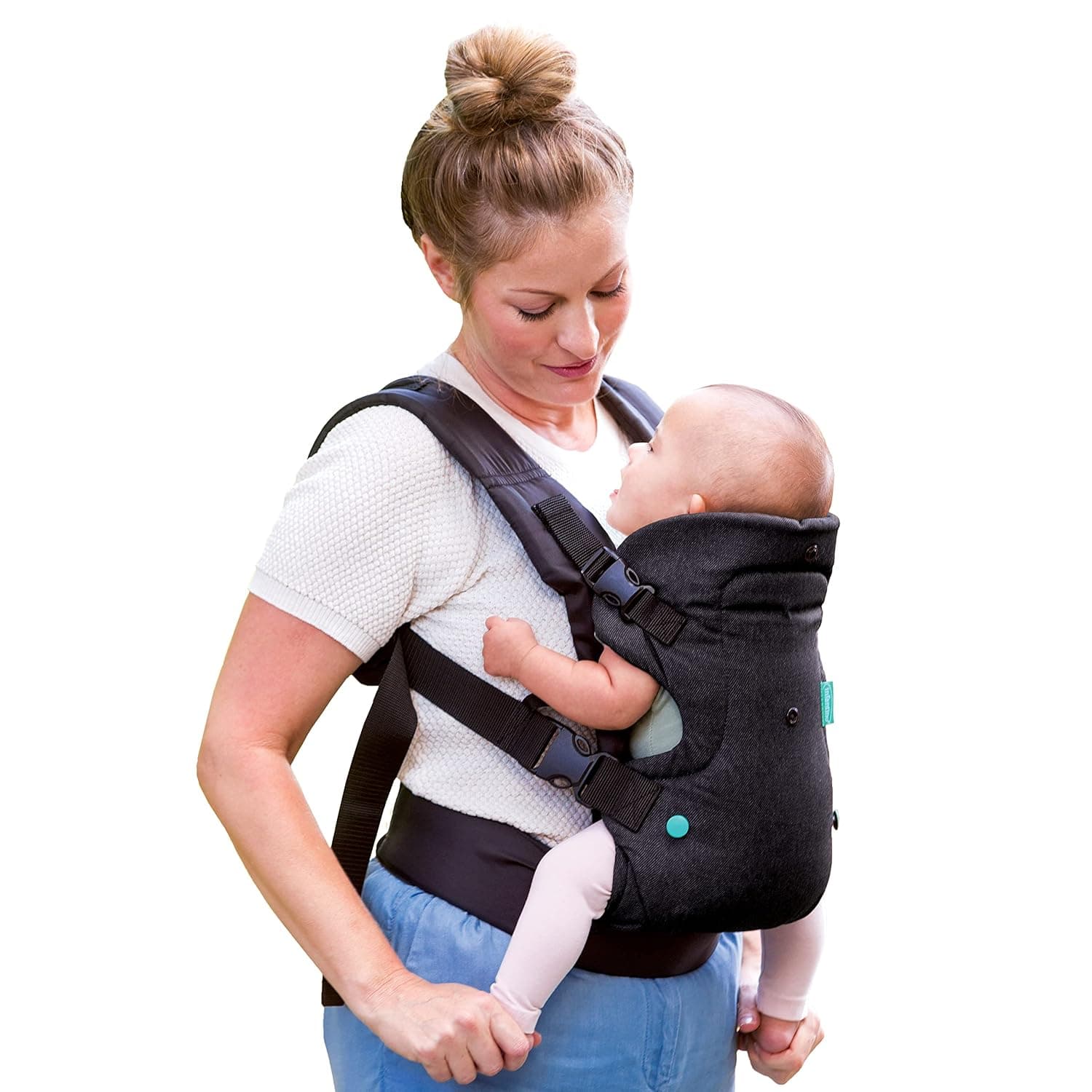
Infantino Flip 4-in-1 Baby Carrier Convertible ErgonomicBest Overall

No. 1 · Top pick

Infantino Flip 4-in-1 Baby Carrier Convertible Ergonomic

Infantino

Why it ranked

Ranked by price, lowest first in this selection.

Strengths

  • Convertible 4-in-1 design adapts as baby grows from 8 to 32 pounds
  • Adjustable fit accommodates different caregiver body types
  • Accessible price point with versatile carry positions
  • Over 79,000 ratings provide extensive buyer feedback

Trade-offs

  • Material and padding may be less advanced than higher-priced options
  • Breathability features less developed than specialized mesh carriers
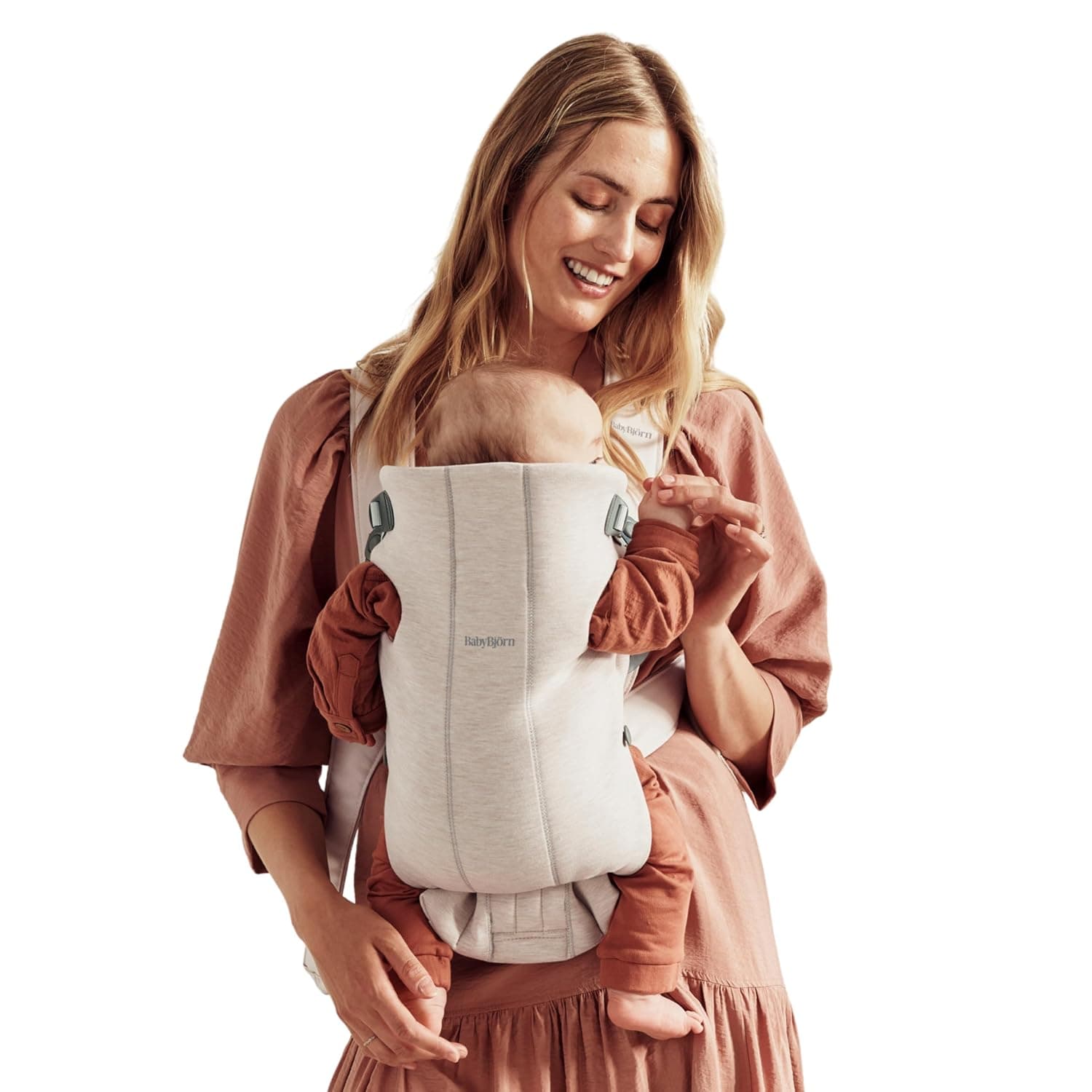
BabyBjörn Baby Carrier Mini, Light Beige, 3D Jersey

No. 2

BabyBjörn Baby Carrier Mini, Light Beige, 3D Jersey

BabyBjörn

Why it ranked

Ranked by price, lowest first in this selection.

Strengths

  • Purpose-built for newborns with optimized fit and support
  • Straightforward buckle system simplifies getting baby in and out
  • Compact design less overwhelming for first-time users
  • 3D jersey fabric provides soft feel

Trade-offs

  • Designed for newborn phase, not extended use into toddlerhood
  • Requires transition to different carrier as baby grows
  • Limited to early months rather than multi-year use
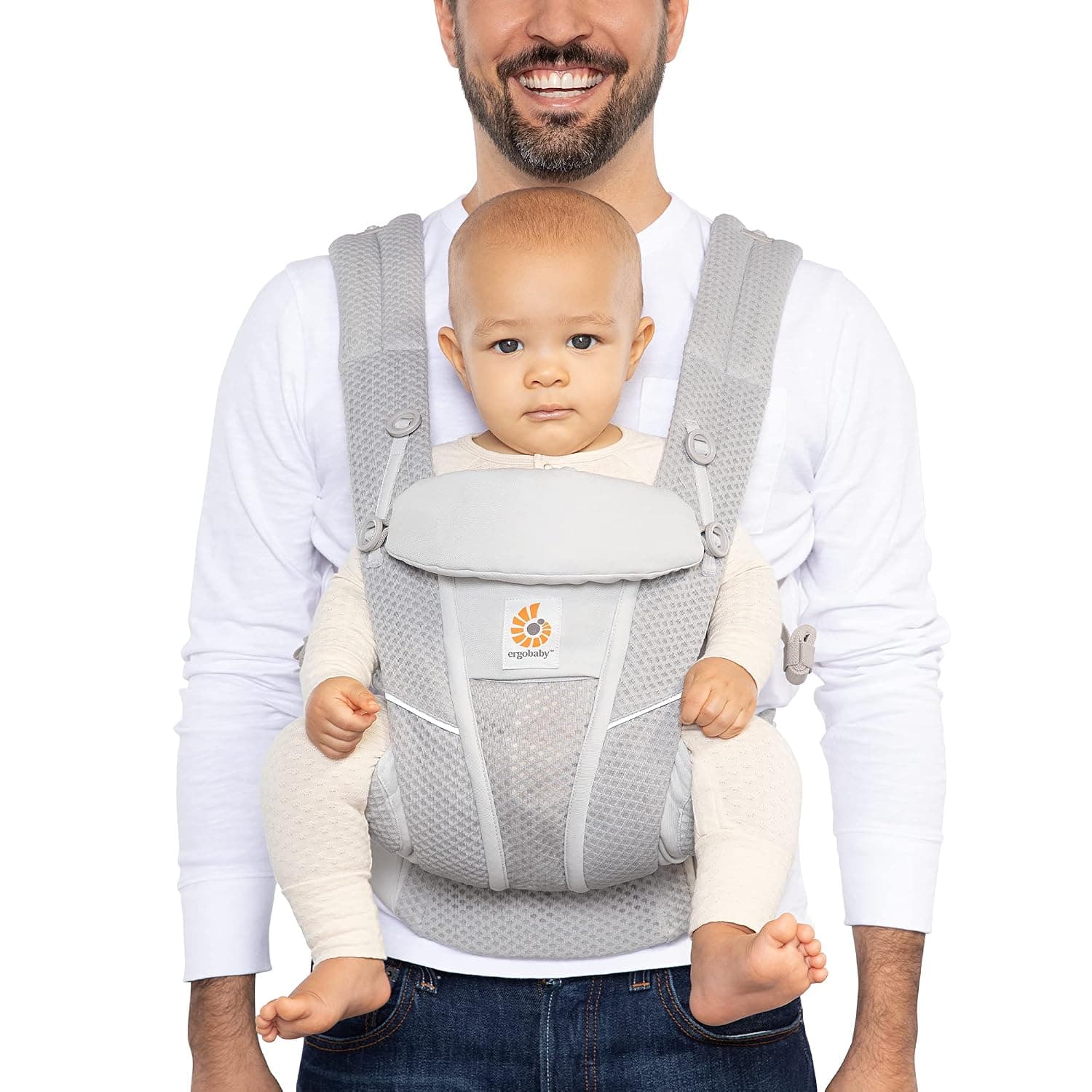
Ergobaby Omni Breeze Baby Carrier

No. 3

Ergobaby Omni Breeze Baby Carrier

Ergobaby

Why it ranked

Ranked by price, lowest first in this selection.

Strengths

  • Breathable mesh construction enhances airflow during wear
  • All carry positions including inward, outward, hip, and back
  • Enhanced lumbar support targets lower back comfort
  • Accommodates 7 to 45 pounds across full position range

Trade-offs

  • Multi-position setup may require more initial adjustment
  • Mesh material may feel less substantial than heavier cotton
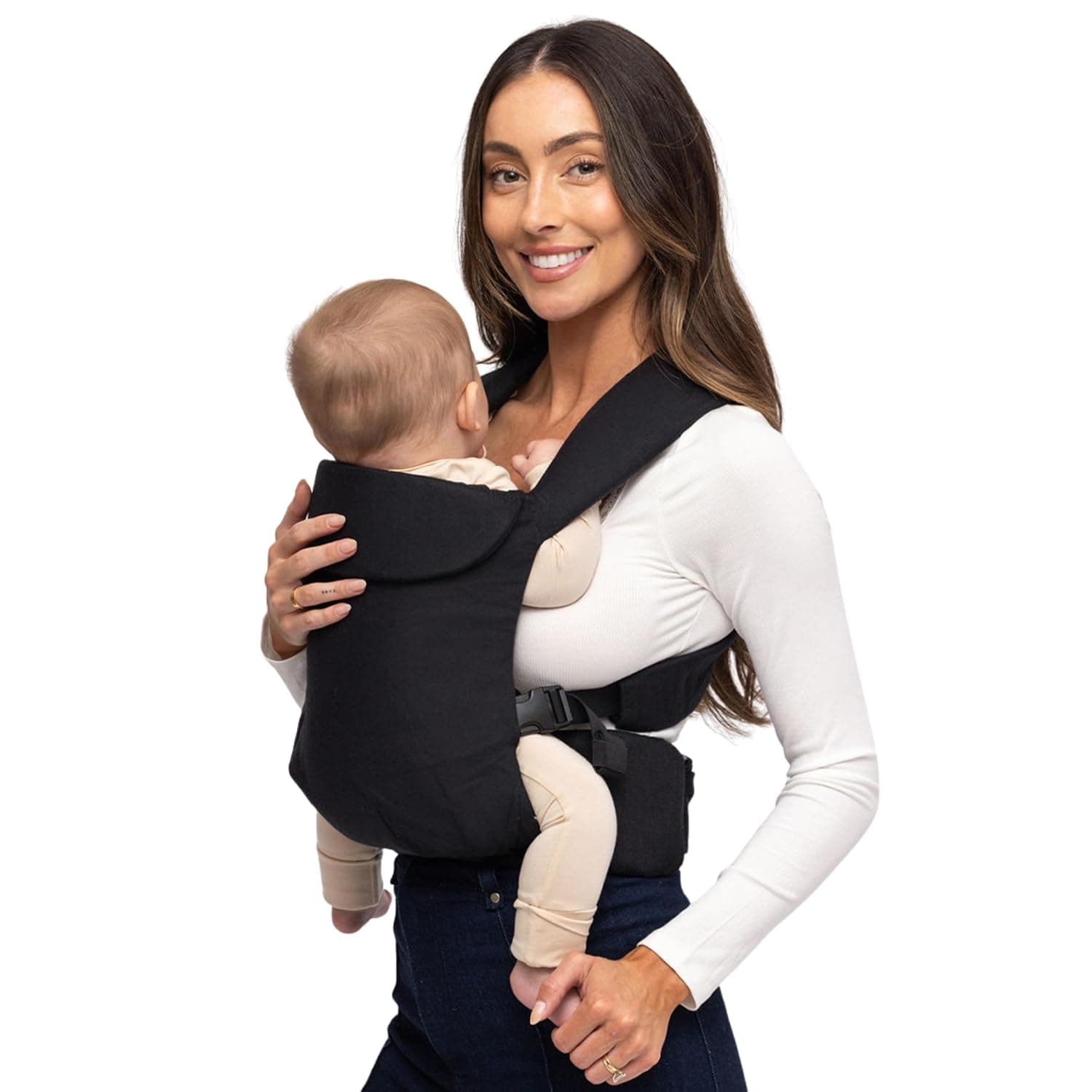
WildBird - Aerial Buckle Carrier - 2-24 Months - Standard

No. 4

WildBird - Aerial Buckle Carrier - 2-24 Months - Standard

WildBird

Why it ranked

Ranked by price, lowest first in this selection.

Strengths

  • Cross straps distribute weight evenly across torso
  • Integrated lumbar support reduces lower back strain
  • Hip-healthy design aligns with recommended infant positioning
  • Fits caregivers from XS to XL

Trade-offs

  • 2-to-24-month range excludes newborns without additional insert
  • Upper age limit arrives sooner than some competitors
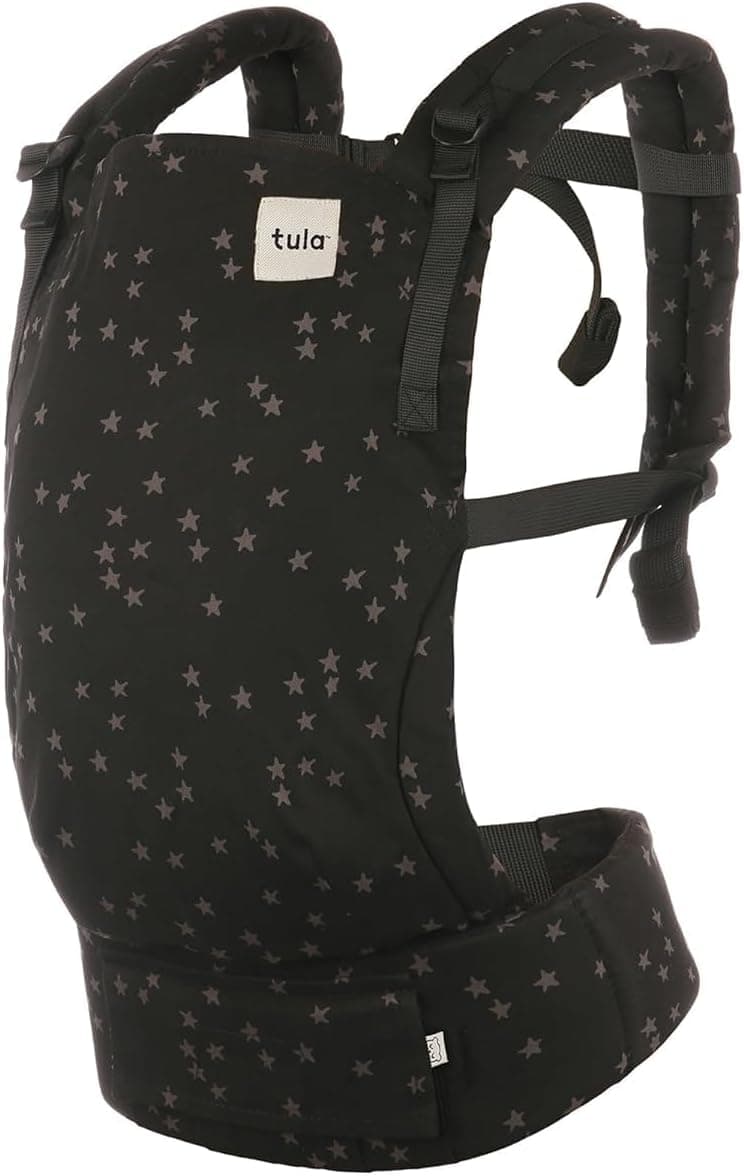
Tula Original Cotton Baby Carrier, Free-to-Grow | BabyBest Premium

No. 5

Tula Original Cotton Baby Carrier, Free-to-Grow | Baby

Baby Tula

Why it ranked

Ranked by price, lowest first in this selection.

Strengths

  • Cotton construction offers natural-fiber option
  • Spans 7 to 45 pounds without requiring separate infant inserts
  • Free-to-Grow design adjusts across developmental stages
  • Structured support maintains ergonomic positioning

Trade-offs

  • Cotton may offer less breathability than mesh in warm conditions
  • Two-position system provides fewer carry variations than some competitors

Compare all 5 picks

Fact
Infantino Flip 4-in-1 Baby Carrier Convertible Ergonomic
No. 1Infantino Flip 4-in-1 Baby Carrier Convertible ErgonomicBest OverallBuy on Amazon
BabyBjörn Baby Carrier Mini, Light Beige, 3D Jersey
No. 2BabyBjörn Baby Carrier MiniBuy on Amazon
Ergobaby Omni Breeze Baby Carrier
No. 3Ergobaby Omni Breeze Baby CarrierBuy on Amazon
WildBird - Aerial Buckle Carrier - 2-24 Months - Standard
No. 4WildBirdBuy on Amazon
Tula Original Cotton Baby Carrier, Free-to-Grow | Baby
No. 5Tula Original Cotton Baby CarrierBest PremiumBuy on Amazon
Price$29.15$79.99$90.00$124.60$179.00
Standout strengthConvertible 4-in-1 design adapts as baby grows from 8 to 32 poundsPurpose-built for newborns with optimized fit and supportBreathable mesh construction enhances airflow during wearCross straps distribute weight evenly across torsoCotton construction offers natural-fiber option
Main trade-offMaterial and padding may be less advanced than higher-priced optionsDesigned for newborn phase, not extended use into toddlerhoodMulti-position setup may require more initial adjustment2-to-24-month range excludes newborns without additional insertCotton may offer less breathability than mesh in warm conditions
//The Method

Every rank is a composite, not an opinion.

The same five dimensions, the same weights, applied to every product in the category. The composite is recomputed whenever the data moves — and the rank order updates with it.

  1. 01
    Demand

    The retailer sales rank. Measured on 3 of 5 picks on this page.

  2. 02
    Trust

    The 1-5 rating distribution; negative-review share; polarisation (the J-curve). Measured on 5 of 5 picks on this page.

  3. 03
    Value

    Price against the category median; measured quality per pound spent. Measured on 5 of 5 picks on this page.

  4. 04
    Quality

    The 1-5 rating distribution. Measured on 5 of 5 picks on this page.

  5. 05
    Durability

    Not measured on any pick on this page — 5 pick(s) here carry no evidence for it.

Baby Carriers FAQ

  1. How do I choose between a convertible carrier and a newborn-specific design?
    Convertible carriers offer multiple positions and extended weight ranges, making them suitable for parents who want one carrier from infancy through toddlerhood. Newborn-specific carriers provide optimized fit and simplified adjustments for the early months but require transitioning to a different model as your baby grows. If you prefer dedicated gear for each stage and value ease of use during the newborn phase, a specialized carrier may suit you better. If you want to minimize the number of carriers you own and are comfortable with a slightly longer learning curve, a convertible design offers broader utility.
  2. Is breathable mesh worth the higher price for a baby carrier?
    Breathable mesh construction enhances airflow, which matters most in warm climates, during summer months, or for parents who carry for extended periods. If you live in a hot region or plan to wear your baby during active outings, mesh can significantly improve comfort by reducing heat buildup. Cotton carriers work well in cooler conditions and offer a traditional feel at various price points. The value of mesh depends on your climate, activity level, and how much weight you place on ventilation during wear.
  3. What weight range should I look for in a baby carrier?
    Carriers accommodating 7 to 45 pounds cover newborn through toddler stages, typically supporting use from birth to around age three or four depending on your child's growth. Carriers with narrower ranges, such as 8 to 32 pounds or newborn-only designs, serve specific phases but require transitioning to a new carrier sooner. Consider how long you plan to use a carrier and whether you prefer one system across all stages or dedicated carriers optimized for specific age windows.
  4. Do all baby carriers require a separate infant insert for newborns?
    Not all carriers require separate inserts. Some designs, marketed as newborn-ready or featuring adjustable sizing systems, accommodate smaller babies without additional accessories. Other carriers need an infant insert to provide proper head and neck support for newborns under a certain weight. Check each carrier's specifications for its starting weight and whether inserts are included, sold separately, or unnecessary for newborn use.
  5. How important is lumbar support in a baby carrier?
    Lumbar support becomes more important as your baby gains weight and as you increase wearing duration. Enhanced lumbar features help distribute your baby's weight more evenly across your hips and lower back, reducing strain during longer outings or when carrying toddlers. If you plan extended wear sessions, have existing back concerns, or expect to carry a heavier toddler, prioritizing lumbar support can improve comfort significantly. For shorter, lighter carries, basic ergonomic design may suffice.
  6. What carry positions do I actually need in a baby carrier?
    Inward-facing and back carry positions cover the majority of practical needs across different developmental stages. Outward-facing and hip carry add variety but may see less frequent use depending on your baby's preferences and your daily routine. Multiple positions offer flexibility as your baby grows and develops new interests, but simpler two-position carriers reduce adjustment complexity. Consider which positions align with your planned activities and whether you value variety or straightforward functionality.
  7. Are higher-rated baby carriers always better for my needs?
    Ratings reflect buyer satisfaction but not necessarily fit for your specific situation. A highly-rated newborn carrier won't help if you need extended toddler use, and a top-rated mesh carrier may be unnecessary if you live in a cool climate. Consider how each carrier's features, weight range, material, and price align with your family's needs rather than relying solely on rating averages. Different carriers excel in different contexts, and the right choice depends on your priorities and circumstances.

theRANKS may earn affiliate commissions from qualifying purchases. How that works