
Best Budget Laptops for College Students 2026: 4 Picks Scored & Ranked

Ranked by our composite score across its measured dimensions

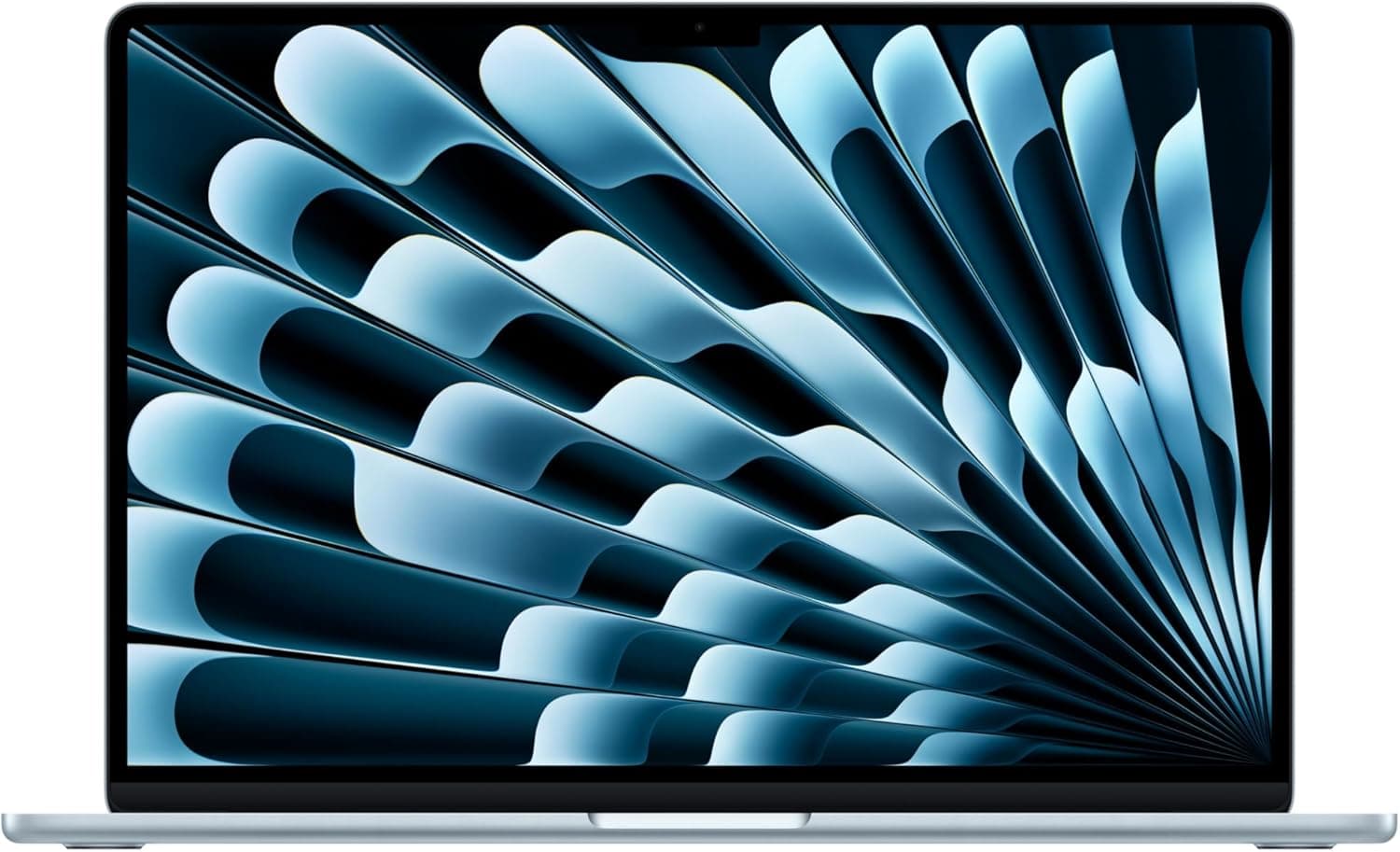
  1. Apple MacBook Neo (256GB)

    Apple MacBook Neo (256GB)

    Best Overall

    Check current price on AmazonBuy on Amazon
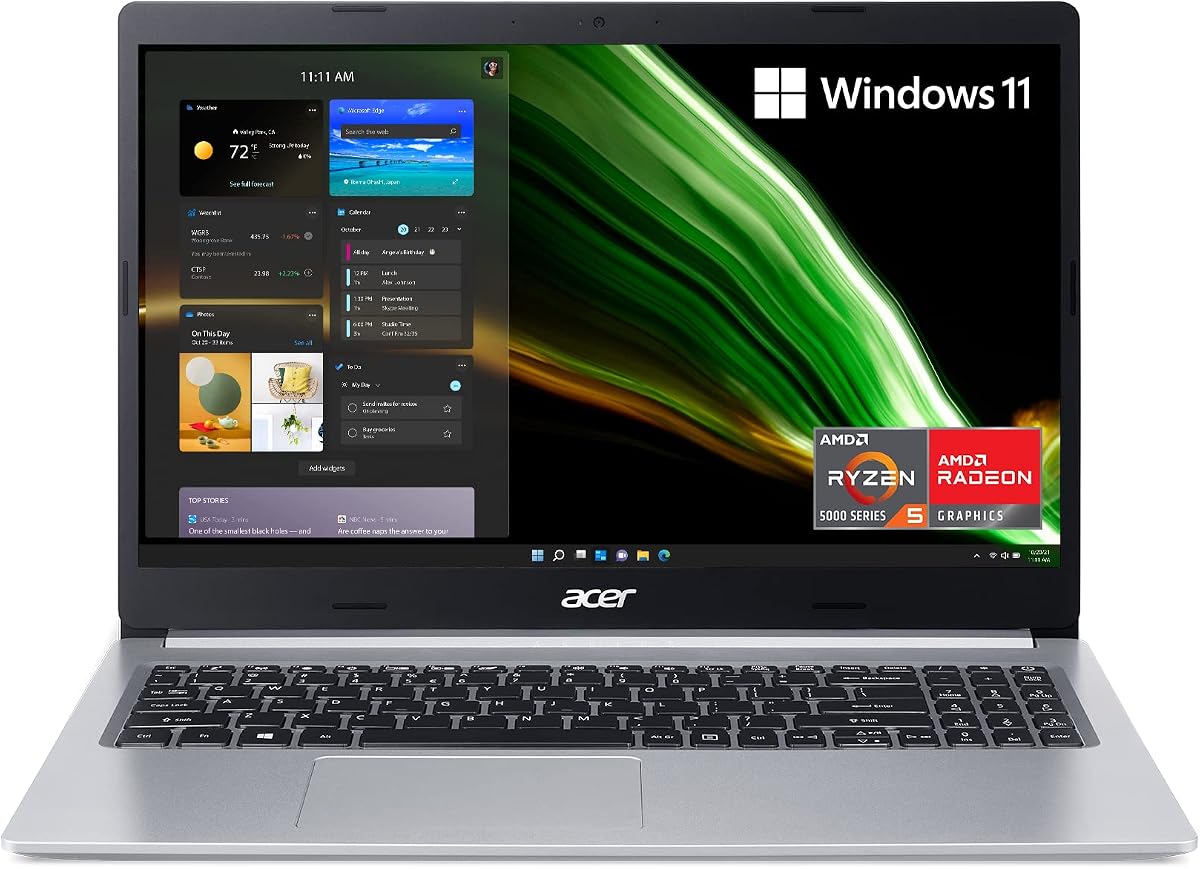
  2. Acer Aspire 5 A515-45-R74Z

    Acer Aspire 5 A515-45-R74Z

    Best Value

    Check current price on AmazonBuy on Amazon
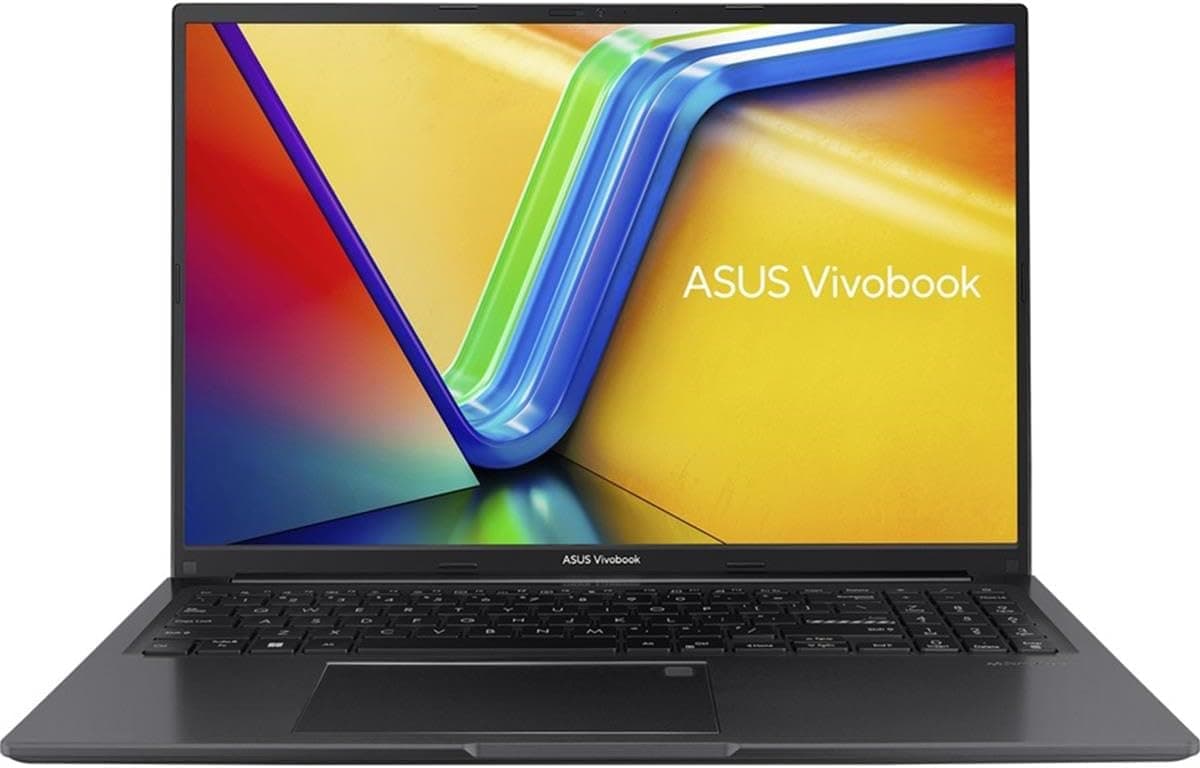
  3. ASUS VivoBook 16 M1605YA-ES74

    ASUS VivoBook 16 M1605YA-ES74

    ASUS

    Check current price on AmazonBuy on Amazon
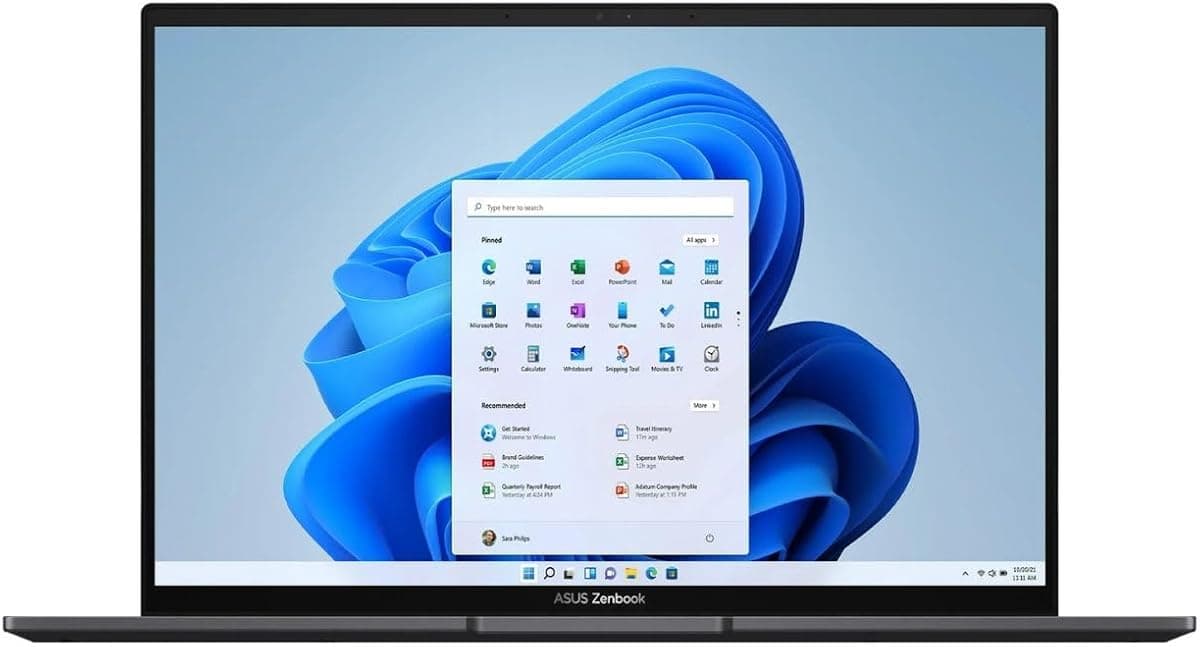
  4. ASUS Zenbook 14 OLED UM3402YA-WS51T

    ASUS Zenbook 14 OLED UM3402YA-WS51T

    ASUS

    Check current price on AmazonBuy on Amazon

The picks in detail

Our top budget laptops for college students, with the strengths and trade-offs of each pick to help you choose.

Apple MacBook Neo (256GB)Best Overall

No. 1 · Top pick

Apple MacBook Neo (256GB)

Apple

Check current price on AmazonBuy on Amazon

Why it ranked

Scored across trust, quality, value, and demand. It is rated 4.6 out of 5 from 1,628 ratings on Amazon, as of November 13, 2026.

Strengths

  • Apple's macOS ecosystem offers seamless integration with other Apple devices
  • Built-in security features and regular software updates included
  • Aluminum unibody design provides durability for student use

Trade-offs

  • Limited customization options compared to Windows laptops
  • Apple's software ecosystem may require purchasing additional apps not included with Windows
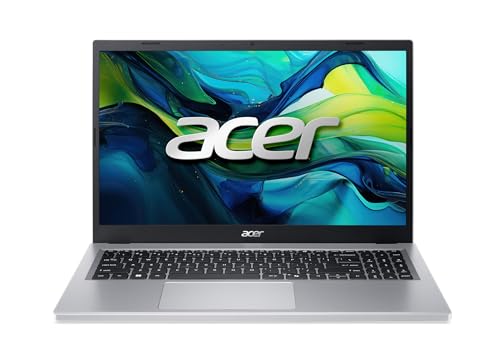
Acer Aspire 5 A515-45-R74ZBest Value

No. 2

Acer Aspire 5 A515-45-R74Z

Acer

Check current price on AmazonBuy on Amazon

Why it ranked

Mid-range rank reflects strong buyer demand and trust signals, delivering functional performance for students prioritizing reliability over cutting-edge specs. It is rated 4.3 out of 5 from 1,943 ratings on Amazon, as of November 6, 2026.

Strengths

  • Essential laptop performance for budget-constrained students
  • AMD Ryzen 5 5500U handles core productivity tasks, web browsing, and streaming reliably
  • 15.6-inch Full HD display and numeric keypad provide comfortable workspace for document editing and data entry
  • 3.88-pound weight maintains portability without sacrificing screen size

Trade-offs

  • 8GB RAM limits headroom for intensive multitasking or running virtual machines
  • 256GB SSD requires external storage or cloud backup for students with large media libraries
  • Entry-level build materials prioritize cost savings over premium fit and finish
ASUS VivoBook 16 M1605YA-ES74

No. 3

ASUS VivoBook 16 M1605YA-ES74

ASUS

Check current price on AmazonBuy on Amazon

Why it ranked

Scored across trust, quality, value, and demand. It is rated 4.5 out of 5 from 151 ratings on Amazon, as of October 31, 2026.

Strengths

  • 16-inch display provides ample workspace for multitasking and split-screen research without external monitors
  • AMD Ryzen 7 7730U with 16GB RAM handles concurrent applications and typical student workloads smoothly
  • 512GB SSD offers sufficient storage for coursework, projects, and moderate media libraries
  • Numeric keypad benefits STEM majors and students working with spreadsheets or data entry

Trade-offs

  • Plastic chassis prioritizes affordability over premium build materials
  • Seven-to-eight-hour battery life may require midday charging during long campus days
  • Larger footprint and 3.97-pound weight reduce portability compared to 13-14 inch ultraportables
ASUS Zenbook 14 OLED UM3402YA-WS51T

No. 4

ASUS Zenbook 14 OLED UM3402YA-WS51T

ASUS

Check current price on AmazonBuy on Amazon

Why it ranked

Budget designation reflects premium OLED display and ultraportable design, scoring high on quality for students valuing screen fidelity. It is rated 3.4 out of 5 from 3 ratings on Amazon, as of November 13, 2026.

Strengths

  • 14-inch 2880x1800 OLED touchscreen delivers exceptional contrast, color accuracy, and visual fidelity for media and design work
  • Aluminum chassis and 3.09-pound weight make it one of the most portable premium options in this tier
  • 512GB SSD provides ample storage without requiring immediate expansion
  • Seven-to-nine-hour battery life supports all-day use with moderate brightness settings

Trade-offs

  • 8GB RAM ceiling constrains performance in memory-intensive workflows or heavy multitasking scenarios
  • OLED panel consumes more power at peak brightness compared to standard LCD alternatives
  • Touchscreen glossy finish increases glare in brightly lit environments

Compare all 4 picks

Fact
Apple MacBook Neo (256GB)
No. 1Apple MacBook Neo (256GB)Best OverallBuy on Amazon
Acer Aspire 5 A515-45-R74Z
No. 2Acer Aspire 5 A515-45-R74ZBest ValueBuy on Amazon
ASUS VivoBook 16 M1605YA-ES74
No. 3ASUS VivoBook 16 M1605YA-ES74Buy on Amazon
ASUS Zenbook 14 OLED UM3402YA-WS51T
No. 4ASUS Zenbook 14 OLED UM3402YA-WS51TBuy on Amazon
PriceCheck current price on AmazonCheck current price on AmazonCheck current price on AmazonCheck current price on Amazon
Standout strengthApple's macOS ecosystem offers seamless integration with other Apple devicesEssential laptop performance for budget-constrained students16-inch display provides ample workspace for multitasking and split-screen research without external monitors14-inch 2880x1800 OLED touchscreen delivers exceptional contrast, color accuracy, and visual fidelity for media and design work
Main trade-offLimited customization options compared to Windows laptops8GB RAM limits headroom for intensive multitasking or running virtual machinesPlastic chassis prioritizes affordability over premium build materials8GB RAM ceiling constrains performance in memory-intensive workflows or heavy multitasking scenarios
//The Method

How we rank products

At theRANKS, we research and compare products to find the best options in each category.

  1. 01
    Demand

    The retailer sales rank; review velocity over the last three months. Measured on 4 of 4 picks on this page.

  2. 02
    Trust

    The 1-5 rating distribution; negative-review share; polarisation (the J-curve). Measured on 3 of 4 picks on this page.

  3. 03
    Value

    Measured on 4 of 4 picks on this page. The inputs recorded are not yet named here.

  4. 04
    Quality

    The 1-5 rating distribution. Measured on 4 of 4 picks on this page.

  5. 05
    Durability

    Not measured on any pick on this page — 4 pick(s) here carry no evidence for it.

Laptops FAQ

  1. How much RAM do college students actually need in 2026?
    For most undergraduate workloads involving web research, document editing, video streaming, and communication apps, 8GB of RAM remains functional but increasingly constrained as browser tabs and background processes multiply. Students running virtual machines, engineering software, or Adobe Creative Cloud applications will notice tangible performance improvements with 16GB, which has become the recommended baseline for technical majors and anyone planning to keep the laptop through four years of evolving software demands. The 8GB models in these rankings target budget-conscious buyers with lighter workloads, while 16GB configurations provide headroom for multitasking and future-proofing.
  2. Is it worth spending more for an OLED display?
    OLED displays deliver measurably superior contrast, deeper blacks, and wider color gamuts compared to standard LCD panels, benefits that matter most for design students, photographers, video editors, and anyone consuming high-quality media content regularly. For typical productivity tasks like note-taking and research, the visual upgrade provides diminishing returns relative to the cost premium and slightly higher power consumption at peak brightness. Students prioritizing portability and visual fidelity over raw processing power will appreciate the OLED advantage, while those focused purely on functional performance can allocate budget toward more RAM or storage instead.
  3. Do discrete GPUs matter for non-gaming students?
    Discrete graphics chips like the NVIDIA MX550 accelerate video rendering, photo editing, 3D modeling, and machine learning tasks that integrated graphics handle sluggishly or not at all, making them valuable for students in media production, architecture, engineering, and data science programs. For liberal arts, business, and humanities majors whose workloads center on documents, spreadsheets, and web applications, integrated graphics deliver adequate performance while conserving battery life and reducing cost. The decision hinges on whether your coursework or extracurricular projects involve creative or computational software that leverages GPU acceleration.
  4. Can a 256GB SSD handle four years of college?
    A 256GB SSD provides sufficient space for operating system, core applications, and a semester or two of coursework files, but students accumulating large media libraries, game installations, or extensive project archives will exhaust capacity quickly. Cloud storage subscriptions or external drives offer practical workarounds, though relying solely on cloud access requires consistent internet connectivity that may not be available in all campus locations or during travel. For long-term convenience and avoiding storage management hassles, prioritizing 512GB configurations adds meaningful value despite the upfront cost difference.
  5. How important is battery life for campus use?
    Battery endurance directly impacts daily logistics, with six-to-eight-hour runtime covering most class schedules and library sessions without requiring midday charging stops, while shorter battery life demands strategic planning around outlet availability. Students with back-to-back classes across large campuses or those working in outdoor study spaces benefit most from longer-lasting models, whereas commuters with access to power outlets between classes can tolerate shorter runtimes. Display brightness, background applications, and workload intensity all influence real-world battery performance, making manufacturer estimates useful baselines rather than guarantees.
  6. Should first-year students buy budget or mid-range laptops?
    First-year students facing uncertain major choices and evolving software requirements often benefit from mid-range configurations that provide headroom for diverse coursework without overcommitting to specialized features, balancing upfront cost against four-year usability. Budget models serve well for students with clearly defined needs in less demanding majors or those planning to upgrade at the sophomore or junior transition, spreading technology costs across multiple purchase cycles. The decision weighs financial constraints against the risk of outgrowing a budget machine before graduation, with 16GB RAM and 512GB storage offering the most flexibility for undeclared majors.
  7. Do AI-enabled laptops justify the premium for students?
    Laptops with dedicated neural processing units accelerate machine learning workflows, AI-assisted content creation, and emerging software tools leveraging on-device inference, capabilities that benefit computer science, data science, and engineering students experimenting with AI frameworks or running local models. For general-use students not engaging with AI coursework or creative tools that leverage NPU acceleration, the premium pays for features that remain largely dormant, making standard processors more cost-effective. The value proposition depends on whether your academic trajectory includes in-depth AI development or computational research that exploits neural processing capabilities.

theRANKS may earn affiliate commissions from qualifying purchases. How that works