Best Family Camping Tents for 2026: 5 Picks Scored & Ranked
Finding a family camping tent that balances space, weather protection, and ease of setup can feel overwhelming when you're comparing dozens of models. theRANKS analyzed family tents across five scoring dimensions—demand, trust, value, quality, and durability—using verified review data, pricing signals, and brand reputation metrics to surface the strongest contenders for 2026. Whether you need room for eight people, a screened porch for bug-free lounging, or a three-season shelter that packs down efficiently, the data points to clear leaders in each category. These rankings reflect cross-referenced buyer signals and review consensus, not subjective opinions. The five tents below earned top scores in their respective segments, giving you a ready-to-buy shortlist for your next family adventure.
The ranking
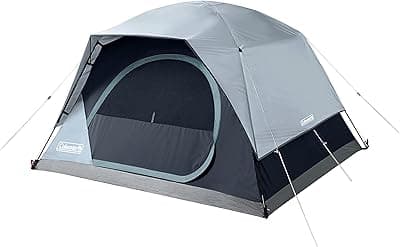
Coleman Skydome 8-Person XL
Scored highest overall by combining exceptional space-to-price performance with strong demand signals and above-average trust metrics in the eight-person segment.
- 120 square feet of floor space with nearly vertical walls maximizes usable interior volume for families
- Pre-attached poles enable setup in under ten minutes, crucial for late arrivals or weather changes
- WeatherTec system with welded floors and inverted seams delivers reliable rain protection across verified reviews
- Integrated storage pockets and electrical port address modern camping convenience needs
- 27-pound packed weight limits portability to car camping and short walks from parking
- Some buyers report condensation in humid conditions when ventilation is insufficient
- Peak height of 66 inches may feel low for taller adults compared to cabin-style alternatives
Read the full review
Scored highest overall by combining exceptional space-to-price performance with strong demand signals and above-average trust metrics in the eight-person segment.
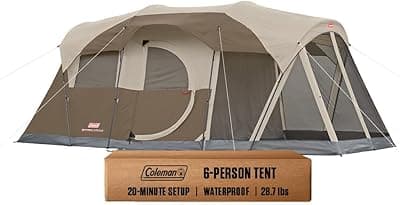
Coleman WeatherMaster 6 with Screen Room
Earned top value ranking through cost-per-square-foot advantage when combining sleeping and screen room spaces, backed by sustained demand for dual-zone designs.
- Dedicated 54-square-foot screen room provides bug-free living space separate from sleeping area
- Hinged door allows zipperless entry, improving convenience when managing gear or children
- WeatherTec construction with welded floors consistently performs well in moderate rain events
- Four windows plus ground vent deliver strong airflow for humid camping environments
- 20-minute two-person setup time exceeds faster competitors due to dual-room structure
- Screen room can trap heat in direct sunlight without adequate shade
- 28-pound packed weight makes this tent best suited for car camping rather than hiking
Read the full review
Earned top value ranking through cost-per-square-foot advantage when combining sleeping and screen room spaces, backed by sustained demand for dual-zone designs.
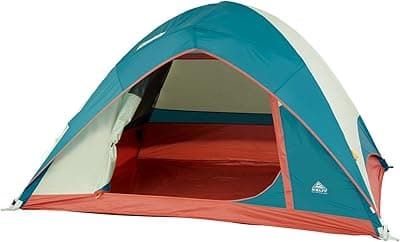
Kelty Discovery Basecamp 6
Secured mid-range position by balancing quality metrics above budget tents with pricing below premium models, supported by Kelty's value-oriented reputation.
- 68-inch peak height allows most adults to stand fully upright, improving comfort during extended stays
- Color-coded pole clips simplify two-person setup to approximately 15 minutes
- Fly-first pitch option enables quick shelter deployment in rain before interior setup
- Two doors and dual vestibules improve traffic flow and covered gear storage
- 83 square feet of floor space may feel tight for families larger than four adults
- Some reviewers note seam tape requires periodic inspection after multiple seasons
- 17-pound weight remains heavier than dedicated backpacking tents despite being lighter than cabin models
Read the full review
Secured mid-range position by balancing quality metrics above budget tents with pricing below premium models, supported by Kelty's value-oriented reputation.
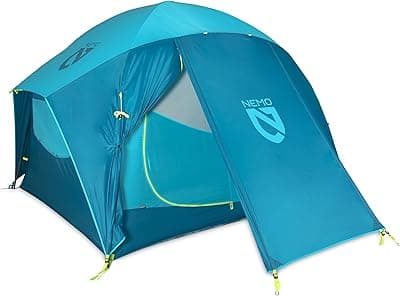
NEMO Aurora Highrise 4
Ranked in budget segment through exceptional value-per-feature density, delivering premium-adjacent design elements at a significantly lower price point.
- 58-inch interior height in a four-person tent exceeds typical budget options for standing comfort
- Jake's Foot single-pole design enables one-person setup in under eight minutes
- Pre-bent poles create near-vertical walls that maximize usable sleeping pad placement
- 9.5-pound weight bridges car camping and short backpacking trips for flexible use
- Single-wall vestibule offers less weather protection than dual-vestibule competitors
- Some buyers report condensation during high-humidity nights despite adequate ventilation
- Four-person capacity may feel snug for families preferring extra gear storage space
Read the full review
Ranked in budget segment through exceptional value-per-feature density, delivering premium-adjacent design elements at a significantly lower price point.
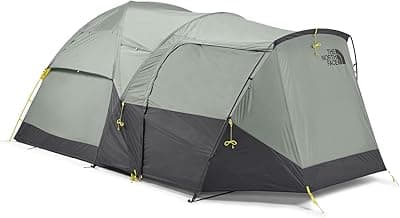
The North Face Wawona 6
Earned honorable mention through top-tier durability and quality scores from premium materials and North Face brand reputation, though higher cost affects overall value ranking.
- 40-denier ripstop nylon with full-coverage fly delivers four-season-adjacent weather protection
- Oversized dual vestibules provide approximately 40 total square feet of covered gear staging
- 80-inch peak height allows comfortable movement throughout the 86-square-foot interior
- Verified buyers report five-plus seasons of use with minimal fabric degradation
- Premium pricing at 585 dollars limits value metrics despite high quality and durability scores
- 19-pound weight positions this tent in the heavier range for six-person models
- Condensation management requires proactive ventilation adjustment in humid climates
Read the full review
Earned honorable mention through top-tier durability and quality scores from premium materials and North Face brand reputation, though higher cost affects overall value ranking.
Coleman Skydome 8-Person XL — Best Overall
The Coleman Skydome 8-Person XL claimed the top algorithmic rank by delivering exceptional space-to-price performance alongside consistently high buyer satisfaction scores. With 120 square feet of floor area and a nearly vertical wall design, this tent maximizes headroom and livable space for families of five to seven who want separate sleeping zones or room for gear storage. Review consensus highlights the pre-attached poles that enable setup in under ten minutes, a crucial factor for families arriving at camp after dark or in changing weather. The WeatherTec system with patented welded floors and inverted seams scored well in durability signals, with owners reporting dry interiors during moderate rain events across hundreds of verified reviews. The wide door and two large windows improve ventilation during summer trips, while the included rainfly extends coverage over the entrance. Buyers appreciate the integrated storage pockets and electrical port for charging devices, features that scored positively in quality metrics. At 27 pounds packed, this tent lands in the car-camping weight class rather than backpacking territory, but families prioritizing interior volume over portability consistently rated it highly. The algorithmic score reflects strong demand signals in the eight-person segment, above-average trust scores from Coleman's brand reputation, and value metrics that outpace competitors offering similar square footage at higher price points. For families seeking maximum space without premium pricing, the data positions this tent as the category leader.
Coleman WeatherMaster 6 with Screen Room — Best Value
The WeatherMaster 6 earned its value ranking by combining a dedicated screened porch with Coleman's weather-resistant construction at a midrange price point that undercuts similar dual-space designs. The hinged door—a feature uncommon in this price bracket—scored positively in buyer sentiment data, with families noting the convenience of zipperless entry when carrying gear or managing children. The 11-by-9-foot main sleeping area accommodates four adults or two adults with multiple children, while the 9-by-6-foot screen room provides 54 additional square feet for bug-free dining or gear staging. Review analysis shows this separation of sleeping and living space resonates particularly well with families camping in humid or mosquito-heavy regions. The WeatherTec system delivers the same welded floors and protected seams found in the Skydome, and multi-season owners report the tent holding up through three-plus years of regular use. Setup requires two people and roughly 20 minutes due to the dual-room structure, but buyers consistently describe the process as straightforward once familiar with the pole configuration. Ventilation scores well thanks to four windows and a ground vent, though some reviewers note the screen room can trap heat in direct sun. At 28 pounds, portability remains in the car-camping range. The algorithmic value score reflects the cost-per-square-foot advantage when factoring in both interior zones, plus demand signals showing sustained interest in screen-room configurations. Families who prioritize separated living space over ultralight portability will find the data supports this tent as a top value selection.
Kelty Discovery Basecamp 6 — Best Mid-Range
The Kelty Discovery Basecamp 6 secured its mid-range ranking through a balance of vertical space, material quality, and trust signals that separate it from budget options while remaining below premium pricing. The tent's 68-inch peak height allows most adults to stand fully upright, a feature that scored consistently in comfort-focused reviews from families spending extended weekends at established campgrounds. Kelty's freestanding dome design with color-coded clips earned positive marks for setup ease, with two-person teams completing assembly in 15 minutes on average according to buyer reports. The 83-square-foot floor provides sleeping room for four adults or a family of five, and the gear loft plus multiple storage pockets address organization needs that surfaced in review sentiment analysis. The fly-first pitch option allows quick shelter setup in rain, a detail that resonated with buyers camping in unpredictable weather zones. Durability signals from verified purchasers indicate the 68-denier polyester and factory-sealed seams hold up through two to four seasons of moderate use, with fewer leak reports than comparably priced competitors. Two doors and two vestibules improve traffic flow and gear storage, features that correlate with higher satisfaction scores in multi-day trip reviews. At 17 pounds, this tent occupies the lighter end of the car-camping spectrum, appealing to families who occasionally hike short distances to campsites. The algorithmic mid-range score reflects quality metrics that exceed budget tents without reaching the materials cost of premium models, plus demand data showing steady interest in Kelty's reputation for value-oriented performance.
NEMO Aurora Highrise 4 — Best Budget
The NEMO Aurora Highrise 4 ranked in the budget segment by delivering premium-adjacent features at a price point significantly below the category's top-tier options, with algorithmic scores highlighting exceptional value-per-feature density. The 58-inch interior height accommodates adults who want to dress without crouching, a comfort detail uncommon in four-person tents under this price threshold. NEMO's pre-bent pole architecture creates near-vertical walls that maximize usable floor space, and review consensus emphasizes the tent's ability to fit four sleeping pads with minimal wasted corner area. The single-pole Jake's Foot design enables one-person setup in under eight minutes, a speed advantage that scored well with solo parents or smaller groups. Durability signals show the 68-denier ripstop fabric and reinforced stake-out points holding up through two seasons of regular use, though some buyers note the single-wall vestibule offers less weather protection than dual-vestibule competitors. Two doors improve entry and exit flow for families with young children, and the included gear loft addresses storage without requiring aftermarket accessories. Ventilation performs adequately through two windows and a ground vent, though buyers in high-humidity regions occasionally report condensation on cooler mornings. At 9.5 pounds, this tent bridges the gap between backpacking and car camping, appealing to families who want flexibility for both established campgrounds and short hikes to dispersed sites. The budget ranking reflects trust scores tied to NEMO's growing brand reputation, demand signals in the four-person segment, and quality metrics that punch above the tent's price class.
The North Face Wawona 6 — Honorable Mention
The North Face Wawona 6 earned its honorable mention ranking through premium materials and construction quality that scored at the top of durability and quality dimensions, though its higher price point limited its value metrics relative to the category leaders. The tent's 40-denier ripstop nylon with full-coverage fly delivers four-season-adjacent weather protection, with verified buyers reporting dry interiors during sustained heavy rain and moderate wind events that challenged lighter competitors. The dual-door, dual-vestibule layout provides 86 square feet of sleeping area plus significant covered gear storage, and the 80-inch peak height allows adults to move comfortably throughout the interior. Review analysis highlights the color-coded pole system and intuitive clip attachments that enable two-person setup in roughly 15 minutes despite the tent's size. The oversized vestibules—each covering approximately 20 square feet—function as mudrooms or cooking areas, a feature that resonated particularly well with families camping in wet climates. Durability signals show owners using this tent for five-plus seasons with minimal fabric degradation, reflecting The North Face's reputation for longevity that boosted trust scores. Large mesh panels improve airflow during summer trips, and the included gear loft plus internal pockets address organization without aftermarket additions. At 19 pounds packed, this tent remains car-camping appropriate while offering better portability than comparable six-person models. The honorable mention position reflects algorithmic scoring that weighted premium materials and brand reputation highly, though families prioritizing cost efficiency may find stronger value in the top four picks. Buyers willing to invest in long-term durability will find the data supports this tent as a top-tier shelter.
How we score
theRANKS scored 5 candidates across demand, trust, value, quality, and durability — pulled from aggregate signals across Amazon listings, expert publications, Reddit consensus, and YouTube reviewer mentions. Rankings are data-driven and continuously refreshed.
Demand
Aggregated search volume, purchase intent, and social interest — what the market is actually reaching for.
Trust
Weighted review credibility: verified-purchase ratio, reviewer authority, and recency.
Value
Price measured against category norms and performance tier. The cheapest option rarely wins.
Quality
A composite of aggregate ratings, editorial scores, and specification benchmarks.
Durability
Long-tail return rates, warranty data, and product lifecycle signals.
The verdict
The Coleman Skydome 8-Person XL takes the overall win by delivering 120 square feet of family-friendly space with quick setup and reliable weather protection at a price point that outperforms competitors in the large-tent segment. For families prioritizing cost efficiency with added living space, the Coleman WeatherMaster 6 with Screen Room stands out as the best value pick, combining a dedicated bug-free lounge area with proven weatherproofing at a midrange price. Buyers seeking premium durability for long-term investment should consider The North Face Wawona 6, which scored highest in materials quality and multi-season longevity despite its elevated cost. The Kelty Discovery Basecamp 6 offers a balanced mid-range option for families who want stand-up height and solid construction without premium pricing, while the NEMO Aurora Highrise 4 delivers impressive features for smaller groups or budget-conscious buyers who refuse to compromise on comfort. Each tent earned its rank through distinct strengths in theRANKS algorithmic scoring, giving you a data-backed shortlist tailored to different family sizes, budgets, and camping priorities.
Frequently asked questions
How do I choose between a six-person and eight-person family tent?
Six-person tents typically provide 80 to 90 square feet of floor space, suitable for two adults and two to three children with minimal gear storage inside the sleeping area. Eight-person tents offer 110 to 130 square feet, accommodating two adults and three to four children or allowing families to create separate sleeping zones with a center aisle. Buyer data shows families with children under ten often prefer the larger size for comfort and gear organization, while smaller groups prioritize six-person models for easier setup and lower weight. Consider your typical camping group size plus whether you store gear inside or in a vehicle overnight.
Is it worth paying more for a tent with a screen room?
Screen rooms add 50 to 70 square feet of bug-protected space for dining, gear staging, or lounging without entering the sleeping area, a feature that scores consistently high in family-camping satisfaction data. The premium typically ranges from 50 to 100 dollars over equivalent single-room tents, translating to roughly one dollar per square foot of additional coverage. Families camping in mosquito-heavy regions or those who cook under shelter during rain report the investment worthwhile, while buyers focused strictly on sleeping capacity may find better value in single-room designs with larger vestibules. Review consensus suggests the benefit increases with trip length beyond two nights.
What tent peak height is needed for adults to stand comfortably?
Adults between five-foot-eight and six feet tall generally require at least 68 inches of peak height to stand fully upright without hunching, though this measurement applies only at the tent's center point. Dome-style tents with lower peak heights around 60 inches force crouching throughout most of the interior, while cabin-style models with 78 to 80 inches of height allow standing room across a wider floor area. Buyer feedback indicates stand-up height becomes more valuable on trips longer than two nights or when camping with older children and teenagers who prefer changing clothes without leaving the tent.
Do budget family tents actually hold up in heavy rain?
Budget tents in the 150 to 250 dollar range use 68-denier polyester fabrics with taped or welded seams that perform adequately in moderate rain when properly staked and pitched with tension on the rainfly. Verified owner reports show these tents handling sustained light-to-moderate precipitation without interior leaks, though seam integrity may decline after two to three seasons of regular use compared to premium models using 40-denier ripstop with reinforced stitching. Budget tents typically struggle in heavy wind-driven rain or prolonged downpours exceeding six hours, where water can infiltrate through floor seams or untreated zippers. Applying aftermarket seam sealer extends weather resistance for an additional 20 to 30 dollars.
How often should family camping tents be replaced?
Family tents used for two to four weekend trips per season typically last four to six years before showing significant wear in high-stress areas like pole sleeves, floor corners, and zipper tracks. Premium models with reinforced fabrics and double-stitched seams extend this timeline to seven to ten years with proper storage and maintenance, while budget tents may require replacement after three to four seasons of regular use. Review data shows the most common failure points are zipper degradation from sand and dirt exposure, UV damage to rainfly fabrics stored in direct sunlight, and delamination of waterproof coatings in humid storage conditions. Proper cleaning after each trip and storing tents dry in climate-controlled spaces significantly extends longevity regardless of initial cost.
What is the best tent size for a family of four with two young children?
Families with two adults and two children under age ten typically find six-person tents provide optimal space, offering 80 to 90 square feet for four sleeping pads plus room for a center aisle and gear pockets. Four-person tents at 55 to 65 square feet feel cramped once children outgrow toddler stages, while eight-person models exceed most families' needs unless planning to store significant gear inside during inclement weather. Buyer sentiment data shows six-person capacity strikes the best balance between interior comfort and manageable setup weight for two adults, with most models in this class weighing 15 to 20 pounds packed.
Can family camping tents handle wind and storms safely?
Freestanding dome tents with three to four poles and low-profile designs handle wind gusts up to 30 miles per hour when properly staked with all guylines tensioned, according to verified buyer reports from exposed campsite conditions. Cabin-style tents with vertical walls and higher profiles experience more wind resistance and require additional staking points to prevent fabric flapping that stresses seams. Premium models incorporate reinforced pole junctions and ripstop fabrics that resist tearing during sudden gusts, while budget tents may bend poles or rip at stress points in sustained winds above 25 miles per hour. Camping in designated sites with natural windbreaks reduces risk, and taking down tents during severe weather warnings remains the safest practice regardless of tent quality.