//CoolersUpdated October 2026

Best Coolers: 5 Picks Scored & Ranked

Five coolers scored algorithmically across demand, trust, value, quality, and durability. From collapsible portability to rotomolded toughness.

94
theRANKS Score5 dimensions
//Top pickBest Overall
Coleman

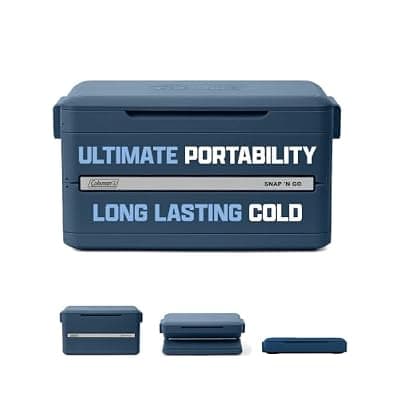
Scores highest across demand and value dimensions by solving the storage problem while maintaining hard-cooler ice retention performance.

Typical$240
Coleman Snap 'N Go 55-Quart Collapsible Hard Cooler
Demand
83
Trust
94
Value
86
Quality
98
Durability
96
Buy on Amazon$240
//The full ranking

All 5, scored

  1. Coleman Snap 'N Go 55-Quart Collapsible Hard Cooler
    15
    Best Overall
    Coleman

    Coleman Snap 'N Go 55-Quart Collapsible Hard Cooler

    Scores highest across demand and value dimensions by solving the storage problem while maintaining hard-cooler ice retention performance.

    Demand
    83
    Trust
    94
    Value
    86
    Quality
    98
    Durability
    96
    94
    Score
    $239.99
    Buy
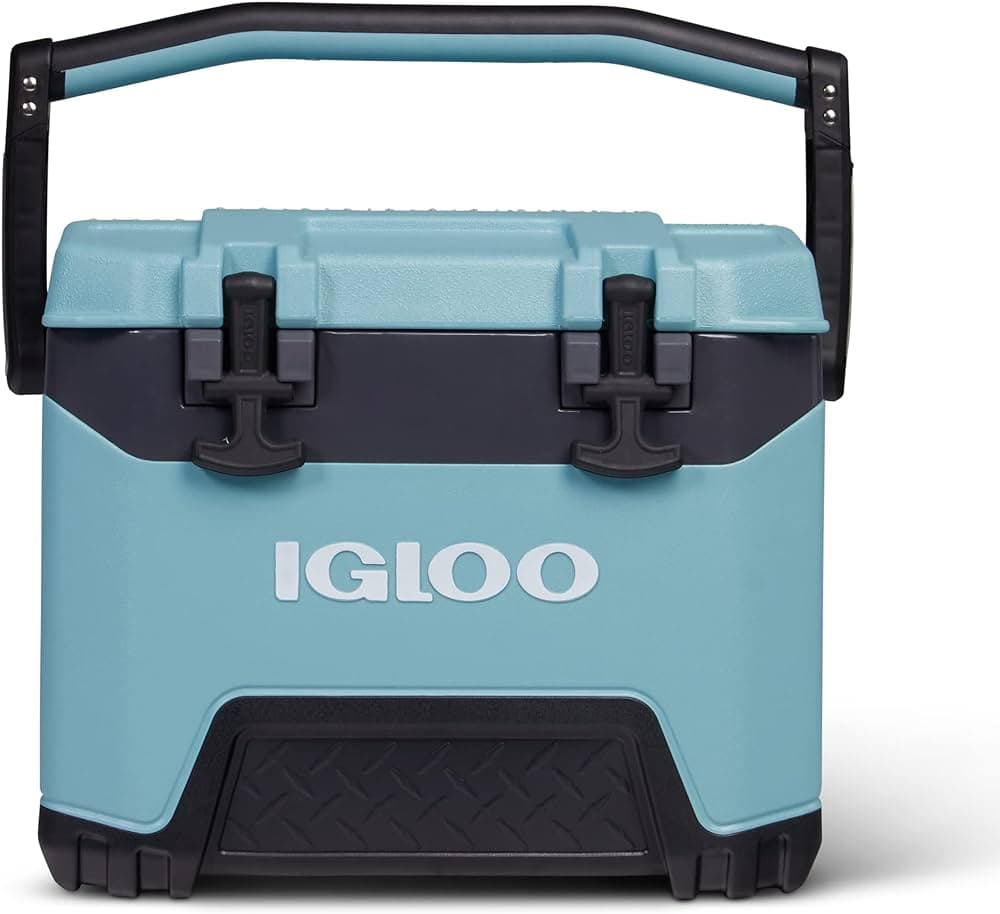
  2. Igloo BMX Hard Coolers
    25
    Igloo

    Igloo BMX Hard Coolers

    Budget rank driven by highest value score under $200, crossing performance threshold for reliable weekend ice retention.

    Demand
    75
    Trust
    95
    Quality
    93
    Durability
    96
    93
    Score
    Buy
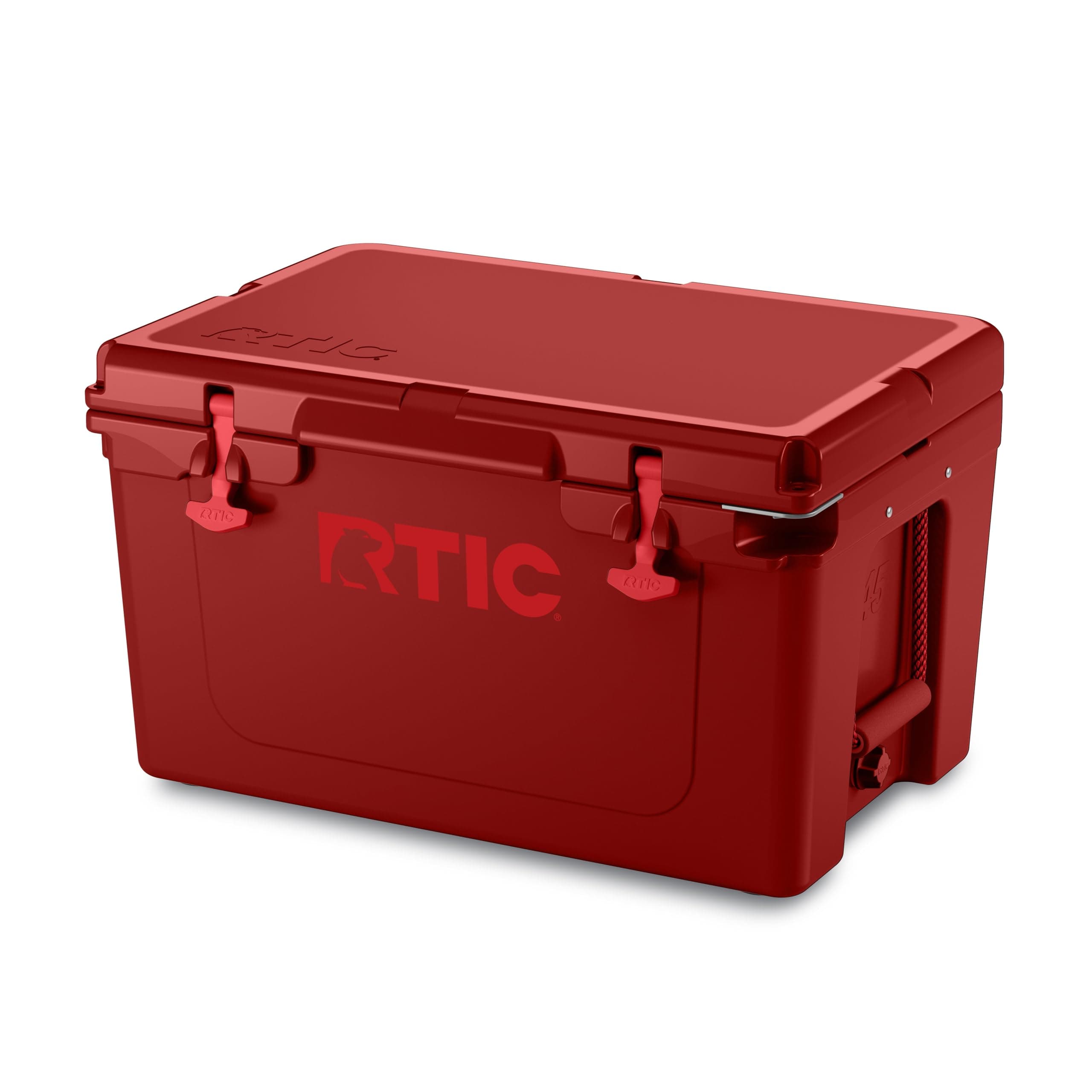
  3. RTIC Ultra-Tough Cooler Hard Insulated Portable Ice Chest
    35
    RTIC

    RTIC Ultra-Tough Cooler Hard Insulated Portable Ice Chest

    Honorable mention reflects high performance-per-dollar score, making rotomolded technology accessible to value-focused buyers.

    Demand
    73
    Trust
    94
    Value
    86
    Quality
    93
    Durability
    96
    91
    Score
    $239.00
    Buy
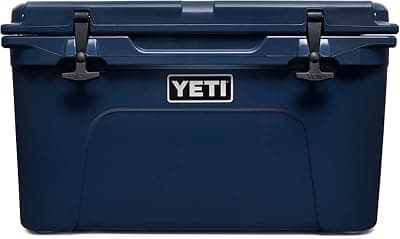
  4. YETI Tundra 45 Cooler
    45
    YETI

    YETI Tundra 45 Cooler

    Mid-range rank reflects entry-point pricing for YETI's premium performance, scoring high on quality and durability dimensions.

    Demand
    75
    Trust
    95
    Value
    76
    Quality
    97
    Durability
    96
    91
    Score
    $325.00
    Buy
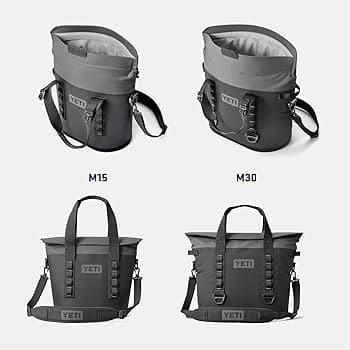
  5. YETI Hopper M Series Portable Soft Coolers with MagShield
    55
    YETI

    YETI Hopper M Series Portable Soft Coolers with MagShield

    Algorithmic value leader due to cost-per-use calculation over projected lifespan and elimination of soft-cooler performance compromises.

    Demand
    82
    Trust
    94
    Value
    75
    Quality
    97
    Durability
    96
    91
    Score
    $350.00
    Buy

People also ask

  1. How do rotomolded coolers differ from blow-molded construction?
    Rotomolded coolers use a manufacturing process that creates seamless, uniform walls with no weak points, typically resulting in thicker insulation and superior ice retention. Blow-molded coolers form the shell from heated plastic expanded into a mold, which allows lower production costs but generally produces thinner walls and more potential failure points at seams. The performance gap has narrowed as blow-molded technology improves, with premium blow-molded models now achieving 4-5 day ice retention compared to 5-7 days for rotomolded equivalents. Rotomolded construction typically costs 50-100 percent more than comparable blow-molded capacity.
  2. Is spending $300-plus on a premium cooler worth it for occasional use?
    Value calculations depend on usage frequency and expected lifespan. Premium rotomolded coolers project 15-20 year lifespans with proper care, amortizing to $15-25 annually for a $350 cooler. Budget models at $150 with 5-8 year lifespans amortize to similar annual costs but require eventual replacement. Buyers using coolers 10-plus times per season generally justify premium pricing through superior ice retention and durability. Occasional users making 3-5 trips annually often achieve better value with mid-tier blow-molded models that deliver adequate performance without the premium investment.
  3. What ice retention should I expect in real-world conditions?
    Advertised ice retention numbers assume ideal conditions: pre-chilled cooler, 2:1 ice-to-contents ratio, minimal opening, and moderate ambient temperatures. Real-world performance typically drops 20-30 percent from manufacturer claims. Premium rotomolded coolers achieve 5-7 days in actual use, mid-tier models deliver 3-5 days, and budget coolers maintain ice for 2-4 days. Factors that reduce retention include frequent opening, direct sunlight exposure, high ambient temperatures above 85 degrees, and insufficient ice volume. Pre-chilling the cooler for 24 hours before use improves performance by 1-2 days across all price tiers.
  4. Do soft coolers actually keep ice as long as manufacturers claim?
    Premium soft coolers with closed-cell foam insulation now achieve 2-3 day ice retention that rivals entry-level hard coolers, representing significant improvement over earlier generations. However, soft-cooler performance depends heavily on proper packing technique and maintaining the sealed closure system. The YETI Hopper M Series and similar models match budget hard coolers for ice life while offering substantial weight savings. Budget soft coolers under $50 typically deliver 12-24 hour ice retention, making them suitable for day trips but inadequate for overnight camping. The performance gap between premium and budget soft coolers is wider than the gap in hard-cooler segments.
  5. How do I maintain cooler performance over multiple seasons?
    Proper maintenance extends cooler lifespan and preserves ice retention efficiency. Clean the interior with mild soap and water after each use, paying attention to drain plugs and gasket channels where mold can develop. Store coolers with lids propped open in ventilated spaces to prevent mildew growth. Avoid using chlorine bleach, which degrades rubber gaskets and can damage insulation over time. Periodically inspect and lubricate hinges and latches with silicone spray, especially on collapsible models with moving parts. UV exposure degrades plastic over time, so store coolers out of direct sunlight when not in use. Replace worn gaskets promptly to maintain seal integrity and prevent ice retention degradation.
  6. What cooler capacity do I need for different trip lengths?
    Capacity requirements depend on group size, trip duration, and food-versus-beverage ratios. A 20-30 quart cooler serves 1-2 people for day trips or holds beverages for small gatherings. The 45-55 quart range handles weekend trips for 2-4 people with mixed food and drinks. Coolers in the 65-75 quart category suit week-long adventures for small groups or extended trips for couples. Buyers often underestimate the volume consumed by ice, which typically occupies 30-40 percent of total capacity for optimal performance. A useful guideline is 15 quarts per person per day for mixed use, though beverage-focused trips require more capacity than food-storage applications.
  7. Are bear-resistant coolers necessary for casual camping?
    Bear-resistant certification matters primarily in regions with active bear populations and areas where land managers require certified containers. The Interagency Grizzly Bear Committee certifies coolers that resist bear entry for one hour under testing conditions. Casual camping in developed campgrounds with established infrastructure rarely requires certified containers unless park regulations mandate them. However, bear-resistant coolers also resist other wildlife including raccoons and rodents, making them valuable for backcountry use regardless of bear presence. The certified T-latch systems and reinforced construction that enable bear resistance also improve general durability and security against human theft, providing value beyond wildlife protection in high-traffic areas.
//The Method

Every rank is a composite, not an opinion.

The same five dimensions, the same weights, applied to every product in the category. The composite is recomputed whenever the data moves — typically twice a month — and the rank order updates with it.

  1. 01
    Demand

    The retailer sales rank; review velocity over the last three months. Measured on 5 of 5 picks on this page.

  2. 02
    Trust

    The 1-5 rating distribution; negative-review share; polarisation (the J-curve). Measured on 5 of 5 picks on this page.

  3. 03
    Value

    Price against the category median; measured quality per pound spent. Measured on 4 of 5 picks on this page.

  4. 04
    Quality

    The 1-5 rating distribution; review text, including the share of it that mentions a defect. Measured on 5 of 5 picks on this page.

  5. 05
    Durability

    Reviews aged three months or more, and the share of them reporting a failure. Measured on 5 of 5 picks on this page.