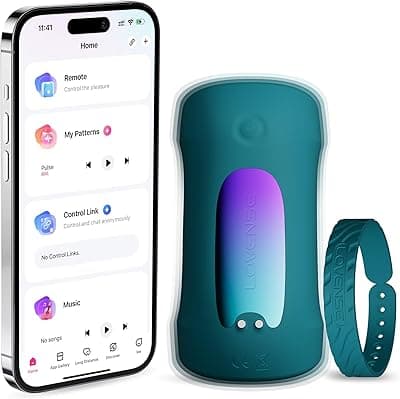
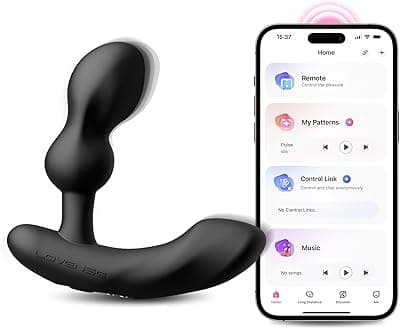
Lovense Edge 2
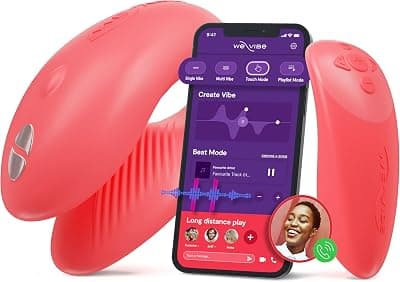
Top-tier trust and demand scores combined with leading quality performance drive strong ranking, with durability trade-offs noted in adjustable components and mid-tier value reflecting specialized functionality.
5 partner-play vibrators from We-Vibe and Lovense, algorithmically scored across demand, trust, quality, value and durability. Data-driven rankings for…
Top-tier trust and demand scores combined with leading quality performance drive strong ranking, with durability trade-offs noted in adjustable components and mid-tier value reflecting specialized functionality.


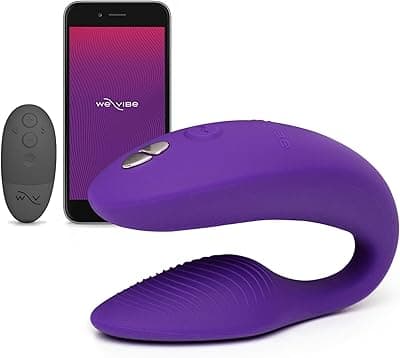
Top-tier trust and demand scores combined with leading quality performance drive strong ranking, with durability trade-offs noted in adjustable components and mid-tier value reflecting specialized functionality.

Scores reflect strong performance on quality and durability dimensions, with solid trust and demand signals, balanced against premium pricing that impacts value scoring.

Mid-tier scores on trust, quality and demand reflect competent performance with incremental improvements, while durability scoring indicates solid build quality offset by moderate value positioning.

Durability scoring and competitive value reflect functional build at accessible pricing, while mid-to-lower trust and quality scores indicate mixed owner satisfaction and specialized appeal limiting broader demand.

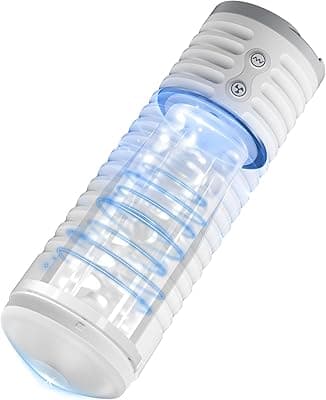
Highest value score driven by entry-level pricing makes it accessible for budget-conscious buyers, though lower scoring across trust, quality, durability and demand dimensions reflects trade-offs in construction and market reception.
The same five dimensions, the same weights, applied to every product in the category. The composite is recomputed whenever the data moves — typically twice a month — and the rank order updates with it.
Sales velocity, review momentum, and category share over 30/90/365-day windows.
Rating distribution, verified-purchase ratio, and return rate across retailers.
Price-to-spec ratio against the category median, indexed daily.
Build, materials, and reviewer-extracted defect signals from aggregated text.
Failure-rate signals from long-tail reviews and warranty-claim patterns.
Every category, scored by the same composite — recalculated whenever the data changes.