Best Portable Power Stations for Home Backup Power: 4 Picks Ranked

Ranked by our composite score across five dimensions

The picks in detail

Data-driven analysis for home backup needs.

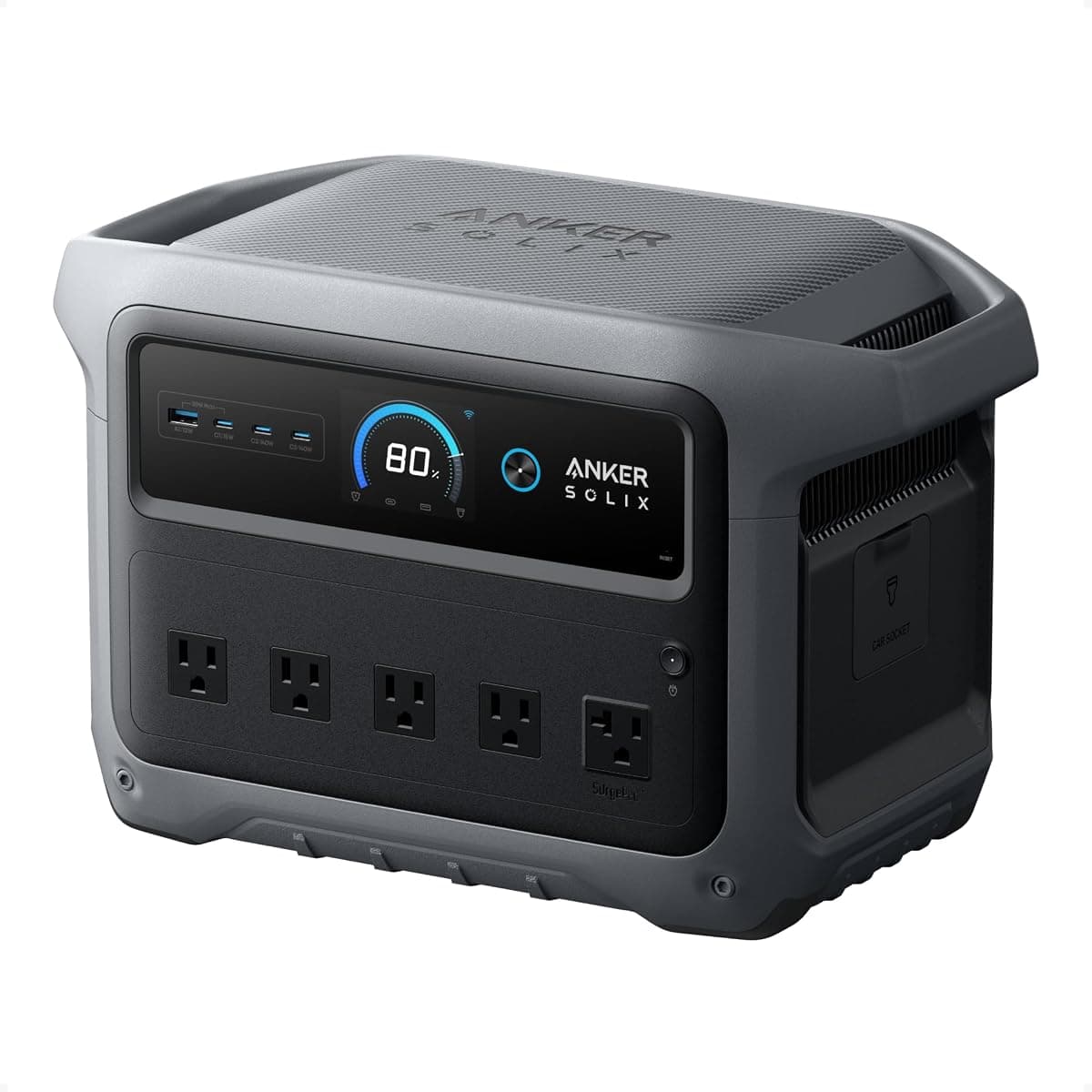
Anker SOLIX C1000 Gen 2 Portable Power Station, 2,000WBest Overall

No. 1 · Top pick

Anker SOLIX C1000 Gen 2 Portable Power Station, 2,000W

Anker

Why it ranked

Scored across trust, quality, durability, value, and demand.

Strengths

  • 49-minute full charge is fastest among peers
  • UPS mode protects sensitive equipment during grid instability

Trade-offs

  • Just over 1,000Wh may require top-ups for multi-day outages
  • Weight limits portability compared to lower-capacity models
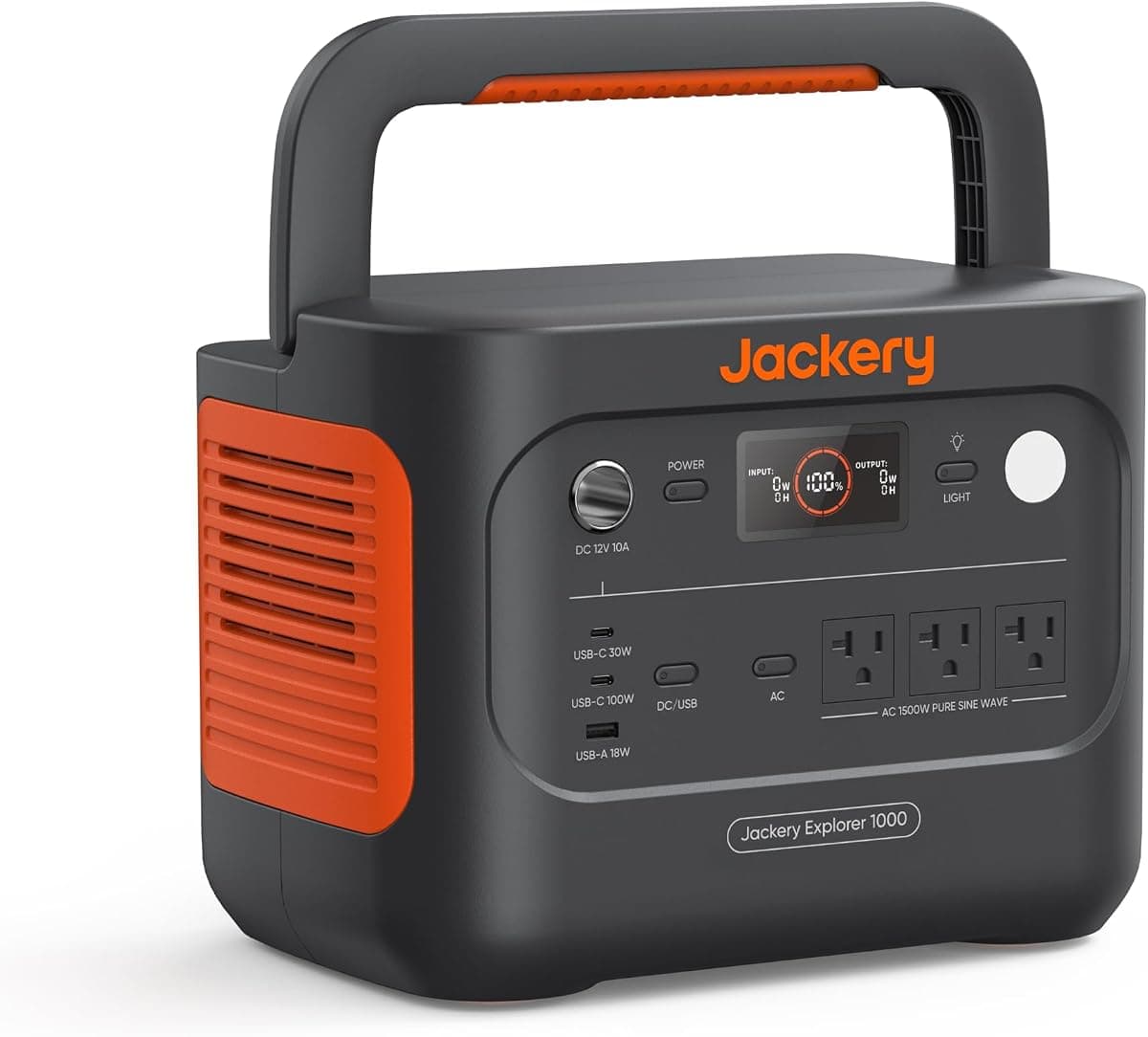
Jackery Explorer 1000 v2 Portable Power Station,1070Wh

No. 2

Jackery Explorer 1000 v2 Portable Power Station,1070Wh

Jackery

Why it ranked

Scored across trust, quality, durability, value, and demand.

Strengths

  • One-hour fast charge minimizes downtime between outages
  • LiFePO4 battery supports thousands of charge cycles

Trade-offs

  • 1,070Wh capacity may run short for extended multi-appliance use
  • Optional solar panels sold separately
  • Heavier than sub-1,000Wh models
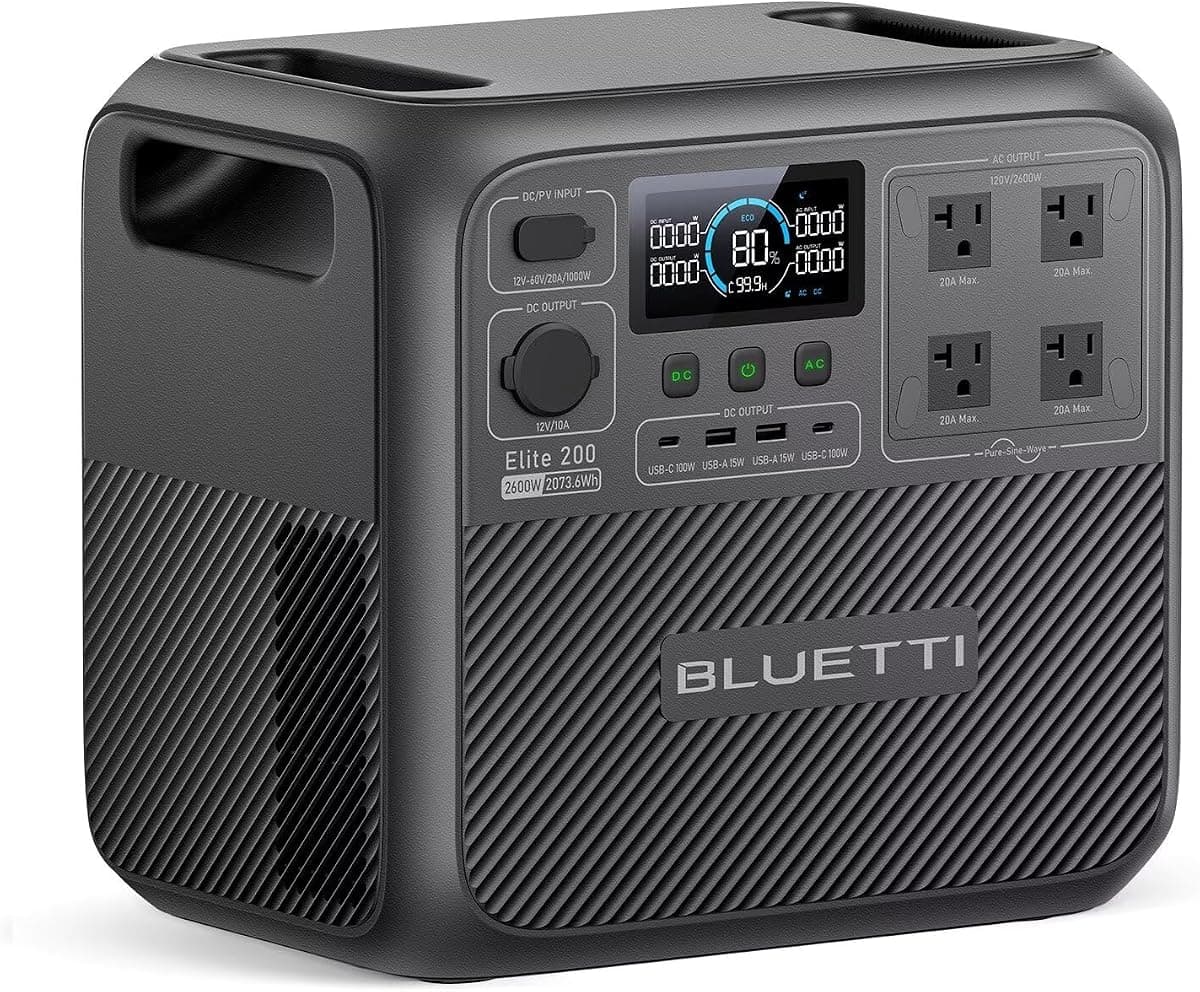
BLUETTI Elite 200 V2

No. 3

BLUETTI Elite 200 V2

BLUETTI

Why it ranked

Scored across trust, quality, durability, value, and demand.

Strengths

  • 2,073Wh capacity supports extended runtimes
  • Power-lifting mode reaches 3,900W surge capacity

Trade-offs

  • Size and weight favor stationary use over frequent transport
  • Higher price point reflects larger capacity and output
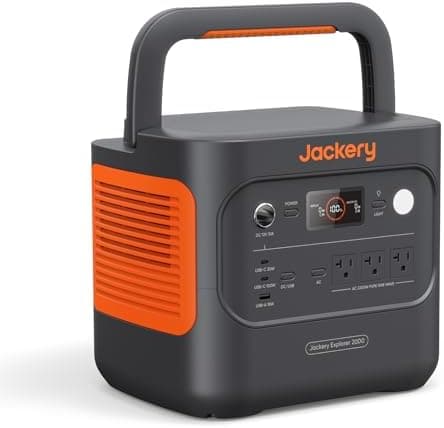
Jackery Explorer 2000 v2Best Premium

No. 4

Jackery Explorer 2000 v2

Jackery

Why it ranked

No composite score was measured; positioned by price among unscored picks.

Strengths

  • 2,042Wh capacity powers multiple large appliances simultaneously
  • 2,200W inverter handles window AC units and power tools
  • 100W USB-C PD port charges laptops without using AC outlets
  • LiFePO4 battery supports long-term cycling

Trade-offs

  • Higher capacity increases weight and reduces portability
  • Optional solar panels require separate purchase
  • Fewer ratings than other models at time of analysis

Compare all 4 picks

Fact
Anker SOLIX C1000 Gen 2 Portable Power Station, 2,000W
No. 1Anker SOLIX C1000 Gen 2 Portable Power StationBest OverallBuy on Amazon
Jackery Explorer 1000 v2 Portable Power Station,1070Wh
No. 2Jackery Explorer 1000 v2 Portable Power Station,1070WhBuy on Amazon
BLUETTI Elite 200 V2
No. 3BLUETTI Elite 200 V2Buy on Amazon
Jackery Explorer 2000 v2
No. 4Jackery Explorer 2000 v2Best PremiumBuy on Amazon
Price$529.99$559.00$899.00$999.00
Standout strength49-minute full charge is fastest among peersOne-hour fast charge minimizes downtime between outages2,073Wh capacity supports extended runtimes2,042Wh capacity powers multiple large appliances simultaneously
Main trade-offJust over 1,000Wh may require top-ups for multi-day outages1,070Wh capacity may run short for extended multi-appliance useSize and weight favor stationary use over frequent transportHigher capacity increases weight and reduces portability
//The Method

Every rank is a composite, not an opinion.

The same five dimensions, the same weights, applied to every product in the category. The composite is recomputed whenever the data moves — and the rank order updates with it.

  1. 01
    Demand

    The retailer sales rank; review velocity over the last three months. Measured on 4 of 4 picks on this page.

  2. 02
    Trust

    The 1-5 rating distribution; negative-review share; polarisation (the J-curve). Measured on 4 of 4 picks on this page.

  3. 03
    Value

    Price against the category median; measured quality per pound spent. Measured on 4 of 4 picks on this page.

  4. 04
    Quality

    The 1-5 rating distribution; review text, including the share of it that mentions a defect. Measured on 4 of 4 picks on this page.

  5. 05
    Durability

    Reviews aged three months or more, and the share of them reporting a failure. Measured on 3 of 4 picks on this page.

Portable Power Stations FAQ

  1. How do I choose between 1,000Wh and 2,000Wh capacity?
    Calculate your critical loads by adding the wattage of devices you need during an outage, then multiply by the hours you expect to run them. A 1,000Wh station powering a 100W refrigerator and 50W of electronics runs roughly six hours before depletion, while a 2,000Wh model doubles that runtime. If your outages typically last under six hours and you're running only essential devices, 1,000Wh suffices. Multi-day outages or simultaneous operation of heavier appliances like window AC units justify the larger capacity.
  2. Is it worth paying more for faster charging?
    Faster charging reduces downtime between outages and lets you capture brief grid-power windows during rolling blackouts. A station that charges in under an hour can restore capacity during a short power-on period, while slower models may miss the window entirely. If your region experiences frequent short outages or you plan to recharge via solar during daylight hours, faster charging maximizes uptime. For households with stable grid power between rare outages, standard charging speeds are sufficient.
  3. Can portable power stations start refrigerators and sump pumps?
    Refrigerators and sump pumps require surge capacity two to three times their running wattage to start their compressor motors. A refrigerator drawing 150W when running may need 450W to start, and a sump pump can demand even higher startup current. Check the station's continuous and surge wattage ratings, and verify they exceed your appliance's startup requirements. Models with power-lifting modes or 3,000W-plus surge capacity handle these motor loads more reliably than lower-rated units.
  4. Are LiFePO4 batteries actually better for backup use?
    LiFePO4 batteries support thousands of charge cycles compared to hundreds for lithium-ion chemistries, making them more cost-effective over the station's lifespan. They also maintain stable voltage under load and tolerate deeper discharge without degradation, which matters when you're running appliances to near-empty during an outage. The chemistry is less prone to thermal runaway, adding a safety margin for indoor use. For backup stations that may sit idle for months then cycle heavily during outage season, LiFePO4's longevity justifies its presence.
  5. How long do portable power stations hold a charge when idle?
    Most LiFePO4-based stations lose one to three percent of capacity per month when stored powered off in moderate temperatures. High heat accelerates self-discharge, so store your station in a cool, dry location. Top off the charge every three to six months to maintain readiness, especially before storm season.
  6. Can I charge a portable power station with solar panels during an outage?
    Portable power stations with solar input accept DC power from compatible panels, letting you recharge during daylight hours when the grid is down. Charging speed depends on panel wattage and sunlight intensity; a 200W panel in full sun may restore 1,000Wh in five to seven hours, while cloudy conditions slow the rate significantly. Verify the station's maximum solar input voltage and current match your panels' output. Solar recharging extends runtime during multi-day outages but requires outdoor panel placement and favorable weather.
  7. What is the best portable power station for medical equipment?
    Medical devices like CPAP machines, oxygen concentrators, and nebulizers require stable voltage and uninterrupted power during outages. Look for stations with pure sine wave inverters to avoid interference, and verify the capacity covers your device's runtime needs plus a safety margin. Models with UPS functionality switch to battery within milliseconds when grid power drops, preventing equipment shutdown.

theRANKS may earn affiliate commissions from qualifying purchases. How that works