Head-to-Head
Blender vs Stand Mixer: Which Kitchen Essential to Buy First
Buyer-signal analysis shows smoothie makers and soup enthusiasts favor blenders while bakers prioritize stand mixers for dough work-but which delivers more value for your first appliance investment?
// KEY TAKEAWAYSWhat to know
- Blenders handle liquids, smoothies, and hot soups efficiently with models offering friction-heating capabilities in under 10 minutes.
- Stand mixers excel at dough kneading and thick batters, with bowl capacities ranging from 3 to 7 quarts for batch baking.
- Price entry differs significantly: blenders start around 30 dollars while stand mixers begin near 150 dollars for quality models.
- Use-case search patterns split cleanly-smoothie and soup preparation drives blender rankings while bread baking elevates stand mixer interest.
- Attachment ecosystems separate the categories: blenders focus on jars and blades while stand mixers offer pasta rollers, meat grinders, and dough hooks.
Review volume and search-interest data reveal a sharp divide in small-appliance priorities. Households searching for smoothie solutions and soup-making capabilities rank blenders as essential countertop investments, while bakers researching dough-kneading power place stand mixers at the top of their purchase lists. The decision depends on which kitchen tasks dominate your weekly routine. Blenders transform liquids and soft ingredients into purees, sauces, and beverages, with high-end models now offering friction heating to cook soups from raw vegetables. Stand mixers combine, whip, and knead dense ingredients like bread dough and cookie batters, with motors and attachments designed for sustained mixing cycles. Neither appliance truly replaces the other, but budget and counter space force most buyers to choose one first.
What Blenders Do Best
Key takeaway - Blenders excel at liquid-based tasks and now offer friction-heating or built-in cooking elements to prepare hot soups from raw ingredients in minutes.
Blenders process liquids and soft ingredients using sharp rotating blades at high speed to chop, puree, or emulsify ingredients, making them ideal for smoothies, soups, sauces, and milkshakes. Modern high-performance models extend beyond cold applications-friction-heating blenders now cook raw vegetables into hot soup by running at maximum speed, with some units delivering steaming results in five to eight minutes. Models with dedicated heating elements combine blending and cooking functions, allowing users to sauté onions, blend ingredients, and serve directly from the jar. High-speed blenders combine total crushing and extraction with precision-heat cooking capabilities to go beyond smoothies and frozen drinks to cook soups and sauces and create concentrates for flavored waters and cocktails. For buyers prioritizing beverages, meal-prep smoothies, and quick pureed soups, blenders deliver the most daily utility. Shoppers comparing options across price tiers can explore the best blenders ranked by theRANKS.
Stand Mixer Strengths for Baking
Key takeaway - Stand mixers knead dense doughs and handle thick batters with bowl capacities up to 7 quarts, plus attachment ecosystems that add pasta-making and grinding functions.
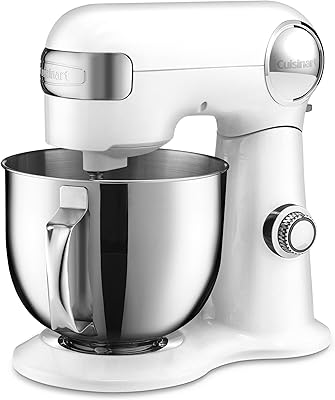
Stand mixers focus on combining, whipping, and kneading solid or semi-solid ingredients using attachments such as dough hooks, whisks, or paddles to mix thick batters or dough evenly, making them the preferred tool for bakers who prepare bread, cookies, and pastries. Dough-kneading capacity separates stand mixers from all other countertop appliances. Bowl capacities generally vary from 3 to 7 quarts, with larger bowls essential for busy kitchens or when preparing meals for gatherings. Motor wattage determines kneading capability-entry models around 250 watts handle lighter doughs, while 500-watt and above motors manage stiff pizza and bagel doughs without overheating. Attachment ecosystems transform stand mixers into multi-use stations: pasta rollers, meat grinders, vegetable spiralizers, and food-processor bowls all connect to the same power hub. Bakers who knead bread weekly or prepare large batches of cookies find stand mixers indispensable. For ranking comparisons across capacity and motor power, see the best stand mixers scored by theRANKS.
Price and Long-Term Investment
Key takeaway - Blenders start at 30 dollars while stand mixers begin near 150 dollars, with the price difference reflecting motor complexity and expected lifespan of over a decade for quality mixers.
Blenders are more affordable, ranging from 30 dollars for basic models to 300 dollars for high-performance professional units. Stand mixer prices typically start around 150 dollars and can exceed 1000 dollars for commercial-grade models. The price gap reflects design complexity and motor demands. Blenders require a single high-speed motor and blade assembly, while stand mixers need planetary gear systems, multiple speed controls, and robust construction to handle sustained kneading stress. Durability expectations also differ. Quality blenders last five to seven years with regular smoothie and soup use, though plastic pitchers may stain or crack. Stand mixers built by established manufacturers often function for decades with proper maintenance, justifying higher upfront costs for serious bakers. Buyers on tighter budgets prioritize blenders for immediate versatility, while those committed to bread-making invest in stand mixers as long-term kitchen foundations.
Use-Case Search Signals
Key takeaway - Search data splits cleanly-smoothie and soup makers drive blender rankings while bread and pastry bakers elevate stand mixer interest, with seasonal spikes reflecting health and holiday patterns.
Search-query analysis reveals distinct buyer personas. Smoothie enthusiasts, meal-prep households, and soup-focused cooks generate the highest search volume for blender rankings, with hot-soup-blending capability driving review interest in models offering friction heating or thermal jars. Bread bakers, pastry hobbyists, and cookie-batch producers dominate stand-mixer search traffic, focusing queries on dough-hook performance, bowl capacity, and motor wattage for heavy doughs. Seasonal patterns reinforce the split: blender searches spike in January during health-focused New Year periods, while stand-mixer interest peaks in November and December around holiday baking. The use-case divide means neither appliance serves as a universal substitute. Buyers who blend daily smoothies gain minimal value from a stand mixer, just as bread bakers rarely use blenders beyond occasional sauce pureeing. Identifying which tasks fill your weekly cooking calendar determines which appliance delivers the better first investment.
Space and Maintenance Considerations
Key takeaway - Blenders require less counter space and simpler cleaning routines, while stand mixers demand permanent countertop positions and multi-attachment washing but justify the footprint for frequent bakers.
Countertop footprint influences purchase decisions in smaller kitchens. Blenders occupy vertical space with compact bases, typically standing 15 to 18 inches tall when assembled with the pitcher. Stand mixers demand more horizontal clearance, with tilt-head models requiring additional overhead room when the head lifts for bowl access. Weight differences affect portability-blenders weigh 5 to 10 pounds and store easily in cabinets, while stand mixers range from 15 to 30 pounds and often claim permanent counter positions. Cleaning protocols differ in effort. Blenders self-clean with warm water and dish soap run at high speed for 30 seconds, though blade assemblies may require periodic deep cleaning. Stand mixers involve washing bowls, multiple attachments, and occasional gear lubrication for longevity. Buyers with limited counter space or minimal storage favor blenders for easier tucking away, while those with dedicated baking zones accommodate stand mixers as permanent fixtures.
The takeaway
The verdict depends entirely on your kitchen priorities. Blenders win for households that prioritize smoothies, frozen drinks, pureed soups, and quick sauces-especially models with friction-heating or thermal-jar capabilities that eliminate stovetop soup preparation. Stand mixers win for bakers who knead dough regularly, prepare large cookie batches, or want attachment-driven versatility for pasta, grinding, and spiralizing tasks. Search signals confirm the split: buyers focused on beverages and soups rank blenders as essential first purchases, while bread enthusiasts prioritize stand mixers despite higher costs. For most casual cooks, a quality blender delivers broader everyday utility at a lower entry price. Serious bakers should invest in a stand mixer first and add a blender later. If your routine includes daily smoothies and weekly bread baking, budget for both-but start with whichever task consumes more of your weekly meal-prep time.
the best blenders ranked by theRANKS
Read the ranking →// FREQUENTLY ASKEDQuick answers
- Can a blender knead bread dough like a stand mixer?
- No. Blenders use high-speed blades designed for liquids and soft ingredients, not the slow, sustained kneading motion required to develop gluten in bread dough. Attempting to knead dough in a blender will damage the motor and fail to produce workable dough. Stand mixers with dough-hook attachments provide the necessary low-speed, planetary mixing action for proper dough development.
- Can a stand mixer make smoothies?
- Stand mixers lack the blade speed and jar design needed for efficient smoothie blending. While the whisk attachment can incorporate some liquids, it cannot crush ice or puree frozen fruit into smooth textures. Blenders deliver the high-speed vortex action necessary for creamy smoothies. Stand mixers excel at batters and doughs, not beverages.
- How much does a quality blender cost compared to a stand mixer?
- Quality blenders range from 100 to 300 dollars for models with strong motors and durable jars. Stand mixers start around 150 dollars for entry models and reach 400 to 600 dollars for well-regarded brands with robust motors and large-capacity bowls. High-end commercial stand mixers exceed 1000 dollars. Blenders offer lower entry costs for buyers prioritizing smoothies and soups.
- Which appliance saves more time in daily cooking?
- Blenders save time for households making daily smoothies, quick sauces, or pureed soups, with most tasks completing in under two minutes. Stand mixers save time for bakers by kneading dough hands-free in five to ten minutes, replacing 15 to 20 minutes of manual work. The time-saving champion depends on whether your routine involves more liquid-based prep or baking tasks.
- Do I need both appliances eventually?
- Most serious home cooks eventually acquire both. Blenders and stand mixers perform non-overlapping functions-one handles liquids and purees, the other tackles doughs and thick batters. Buyers on limited budgets should prioritize the appliance matching their most frequent tasks, then add the second when kitchen budget and space allow. Starting with a quality blender offers broader utility for casual cooks.
- Can blenders make hot soup from raw ingredients?
- Yes. High-performance blenders create friction heat by running at maximum speed for five to eight minutes, raising raw vegetable blends to steaming temperatures. Models with built-in heating elements cook soups even faster, some in under five minutes. This capability eliminates stovetop heating for pureed soups, making blenders efficient for single-serve or small-batch soup preparation.
- What size stand mixer bowl do I need for bread baking?
- A 5-quart bowl handles most home bread recipes, accommodating dough made with 3 to 4 cups of flour. Bakers preparing multiple loaves or large batches benefit from 6- to 7-quart bowls. Smaller 3.5-quart models suit occasional baking but struggle with stiff doughs or double batches. Bowl capacity directly impacts batch size and motor strain during kneading.
- Are blenders or stand mixers louder during operation?
- Blenders typically produce higher decibel levels during high-speed operation, especially when crushing ice or frozen ingredients, with noise levels reaching 85 to 95 decibels. Stand mixers run quieter at 70 to 80 decibels during most mixing tasks, though noise increases with stiff doughs. Neither appliance operates silently, but stand mixers generally disturb households less during use.
- Which appliance has better attachment options for versatility?
- Stand mixers offer far more attachment variety, including pasta rollers, meat grinders, food processors, vegetable spiralizers, and ice-cream makers that connect to the power hub. Blenders typically include only additional jar sizes or personal smoothie cups. For buyers seeking a multi-function kitchen workstation, stand mixers deliver greater long-term versatility beyond their core mixing function.