Best Stand Mixers for 2026: 5 Picks Scored & Ranked

Ranked by our composite score across five dimensions

The picks in detail

5 stand mixers algorithmically ranked across demand, trust, value, quality, and durability. Data-driven picks from budget to premium performance.

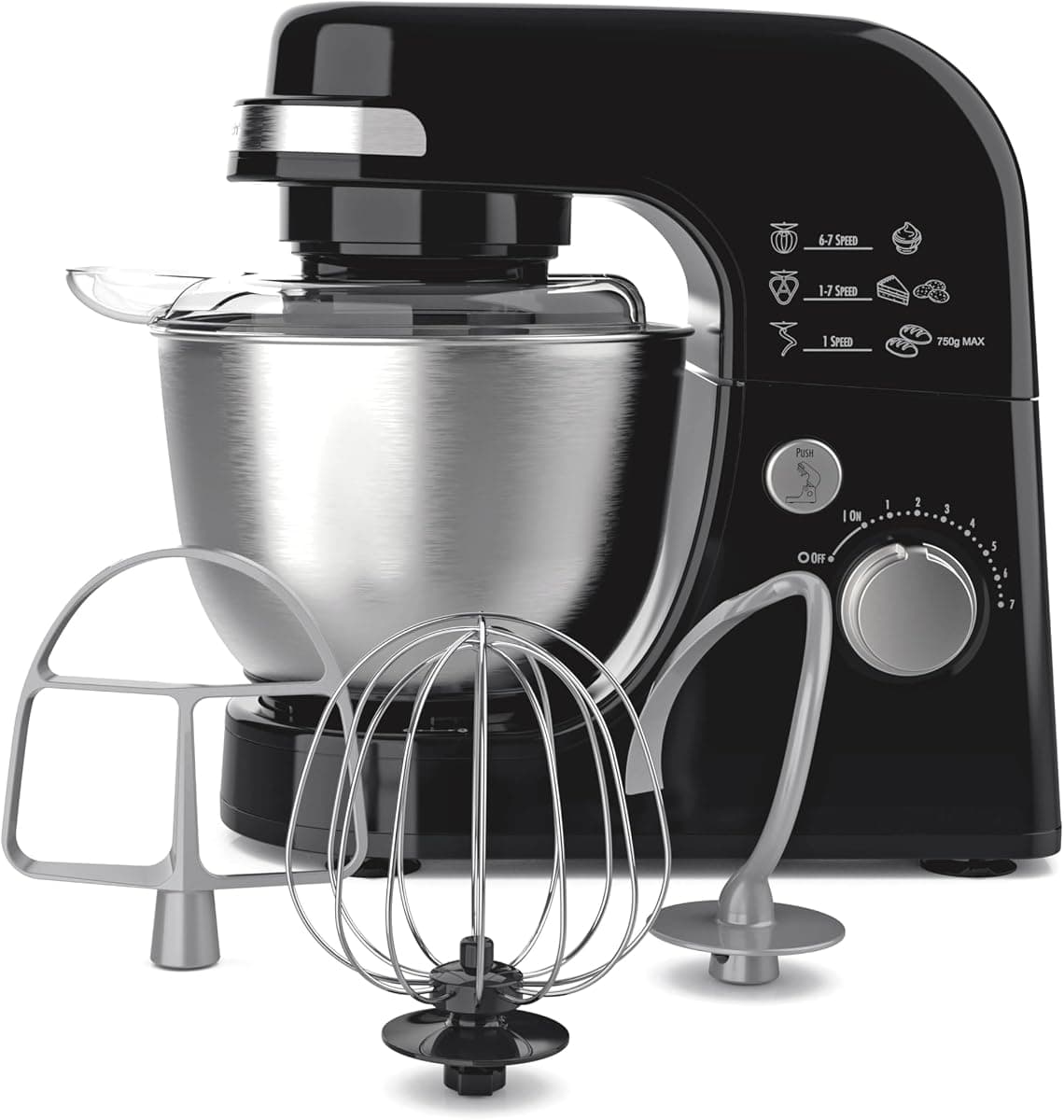
Hamilton Beach 7-Speed Stand MixerBest Overall

No. 1 · Top pick

Hamilton Beach 7-Speed Stand Mixer

Hamilton Beach

Why it ranked

Ranked honorable mention as validated entry point, with scoring reflecting rational budget choice for infrequent use despite clear performance limitations.

Strengths

  • Entry-level pricing makes stand mixing accessible for occasional bakers
  • Compact 4-quart design suits small kitchens and limited counter space
  • Quick-burst button provides power boost for thick mixtures
  • Straightforward tilt-head operation requires minimal learning curve

Trade-offs

  • 300-watt motor overheats during extended sessions or dense dough work
  • Typical 2-4 year lifespan under regular use limits long-term value
  • Plastic components and lighter construction reduce overall durability
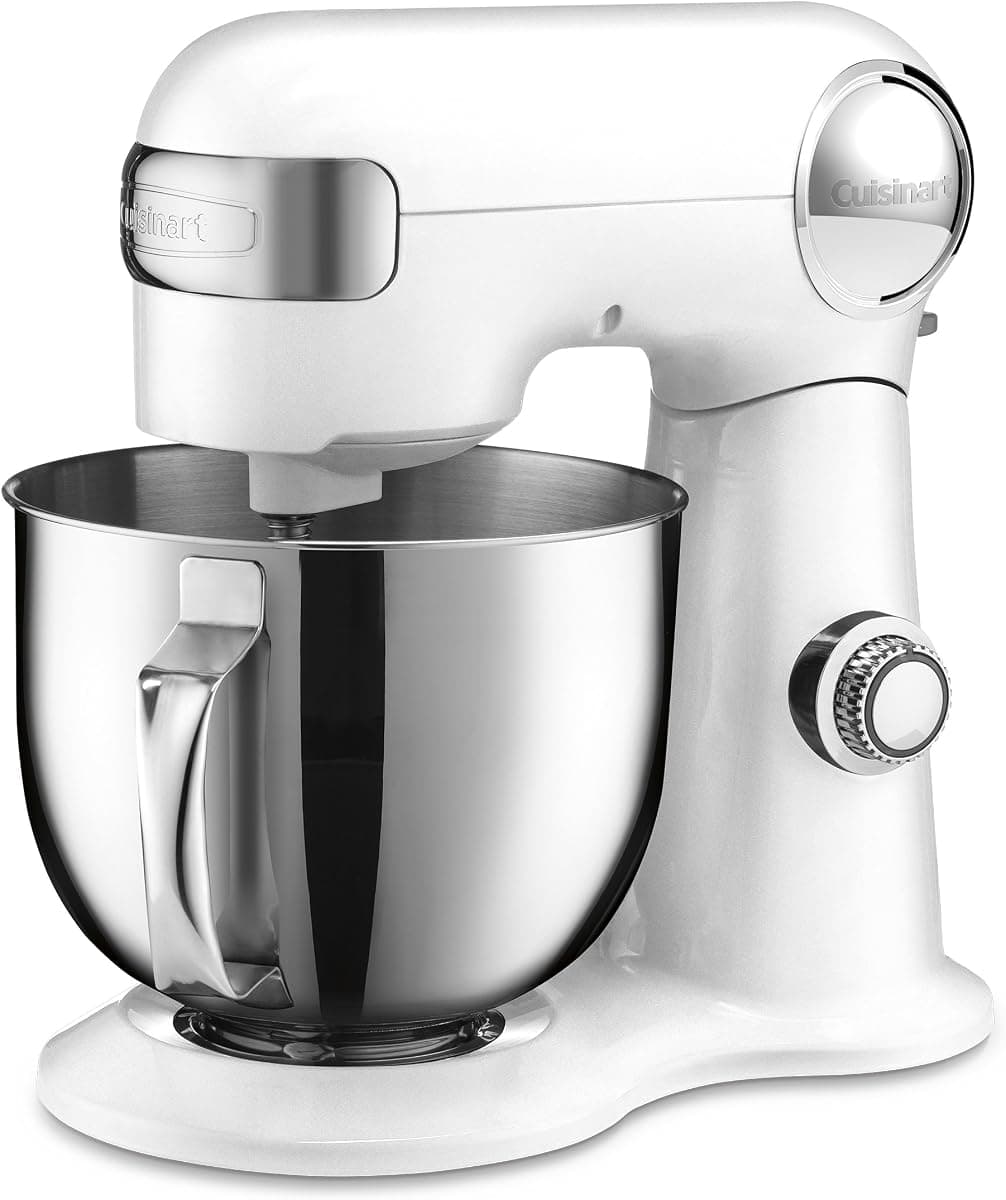
Cuisinart Precision Master 5.5-Quart Stand Mixer

No. 2

Cuisinart Precision Master 5.5-Quart Stand Mixer

Cuisinart

Why it ranked

Scored across trust, quality, durability, value, and demand.

Strengths

  • 500-watt motor handles bread doughs and dense batters without strain
  • 5.5-quart capacity suits typical household batch sizes efficiently
  • Twelve speed settings provide precise control across mixing tasks
  • Die-cast metal housing and planetary action deliver consistent long-term reliability

Trade-offs

  • Approaches motor limits with particularly stiff whole-grain bread formulations
  • Bowl capacity may feel restrictive for large-batch or commercial-scale baking
  • Attachment ecosystem smaller than premium competitors
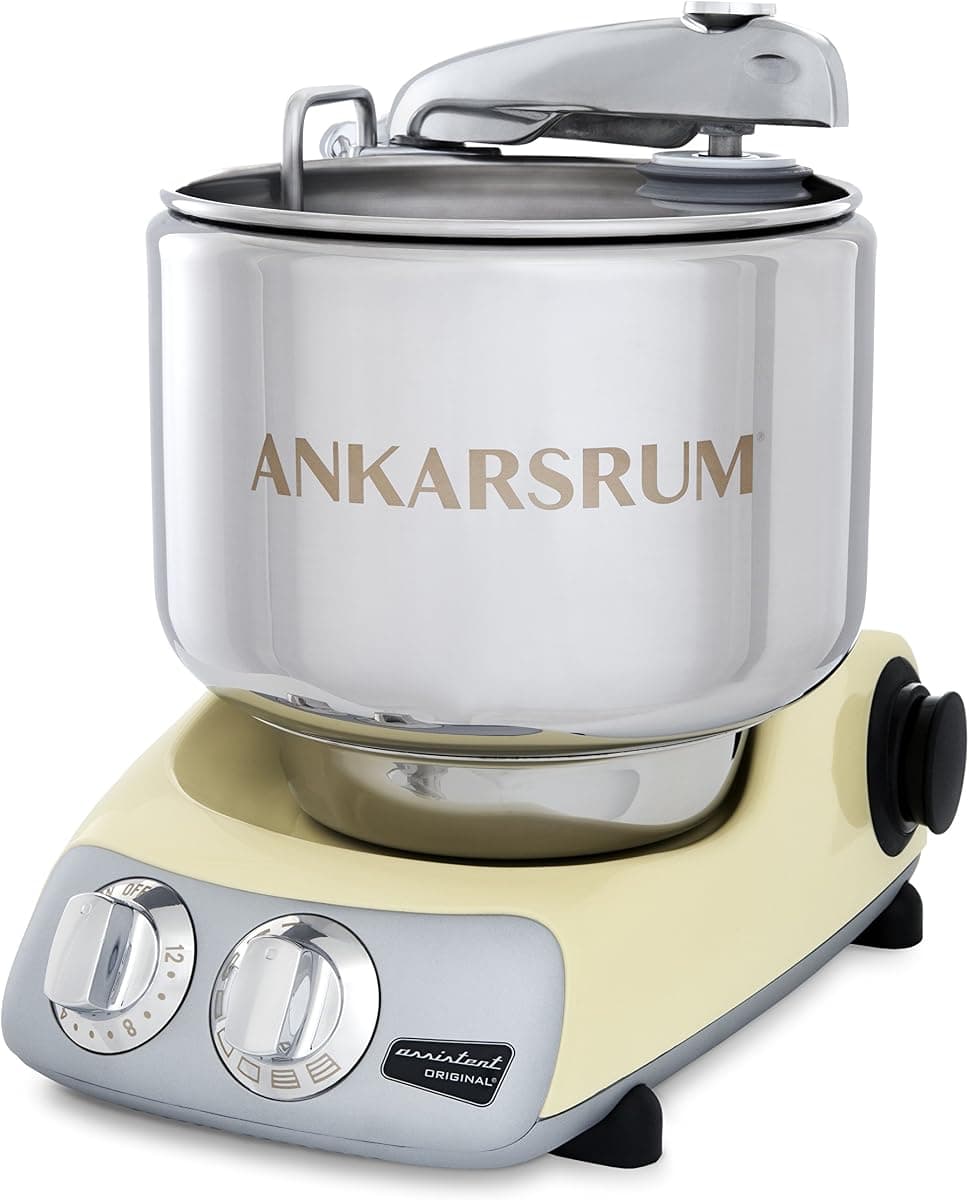
Ankarsrum Original 7-Liter Stand Mixer

No. 3

Ankarsrum Original 7-Liter Stand Mixer

Ankarsrum

Why it ranked

Ranked budget through exceptional total-cost-of-ownership scoring, reflecting long warranty, repairable construction, and durability metrics across value dimensions.

Strengths

  • 7-liter stainless bowl and 600-watt motor handle both delicate meringues and heavy doughs
  • Roller-and-scraper system uses gravity assist for effective wet-dough mixing
  • Seven-year motor warranty significantly exceeds industry standard coverage
  • Repairable design allows individual component replacement rather than whole-unit service

Trade-offs

  • Non-traditional mixing mechanics create steeper initial learning curve
  • Open-bowl configuration offers less splash containment at high speeds
  • Mid-tier pricing may deter buyers seeking immediate budget relief
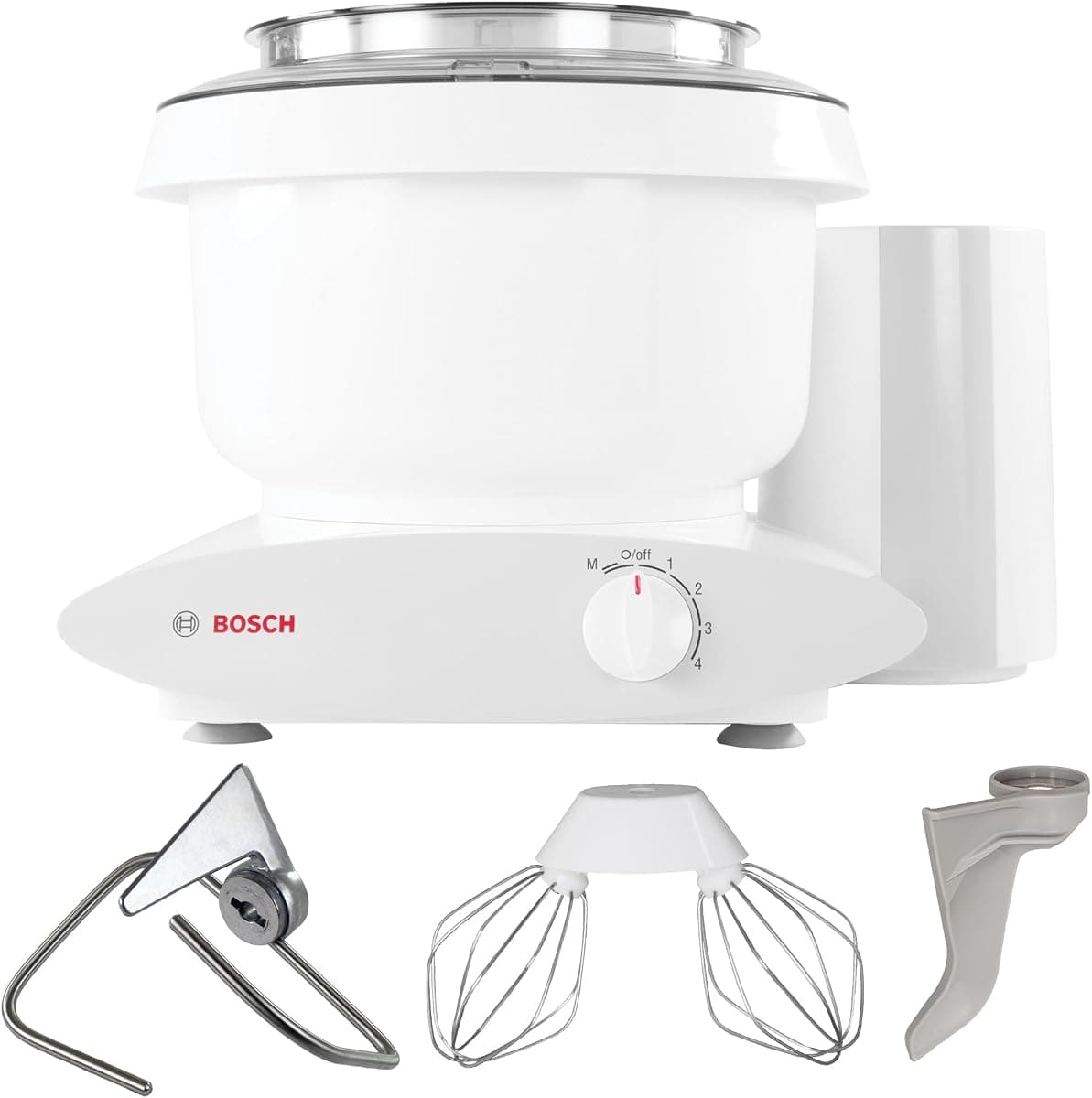
Bosch Universal Plus Stand Mixer

No. 5

Bosch Universal Plus Stand Mixer

Bosch

Why it ranked

Ranked mid-range for specialized bread-baking capability, with durability and quality scores reflecting 800-watt torque and 15-year ownership patterns.

Strengths

  • 800-watt bottom-drive motor handles up to 15 pounds of dough per batch
  • Unique rotating bowl base eliminates counter walking under maximum load
  • Four-point multi-whisk system and dedicated tools excel at bread production
  • Suction cup feet and splash ring minimize mess during extended mixing

Trade-offs

  • Unconventional bottom-drive design requires steeper learning curve
  • Replacement parts occasionally involve longer shipping windows
  • Larger footprint and weight reduce portability compared to tilt-head models

Compare all 5 picks

Fact
Hamilton Beach 7-Speed Stand Mixer
No. 1Hamilton Beach 7-Speed Stand MixerBest OverallBuy on Amazon
Cuisinart Precision Master 5.5-Quart Stand Mixer
No. 2Cuisinart Precision Master 5.5-Quart Stand MixerBuy on Amazon
Ankarsrum Original 7-Liter Stand Mixer
No. 3Ankarsrum Original 7-Liter Stand MixerBuy on Amazon
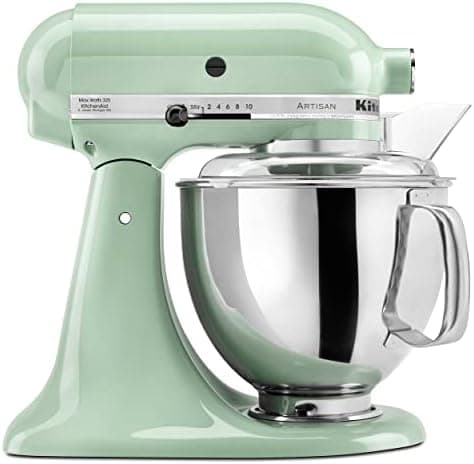
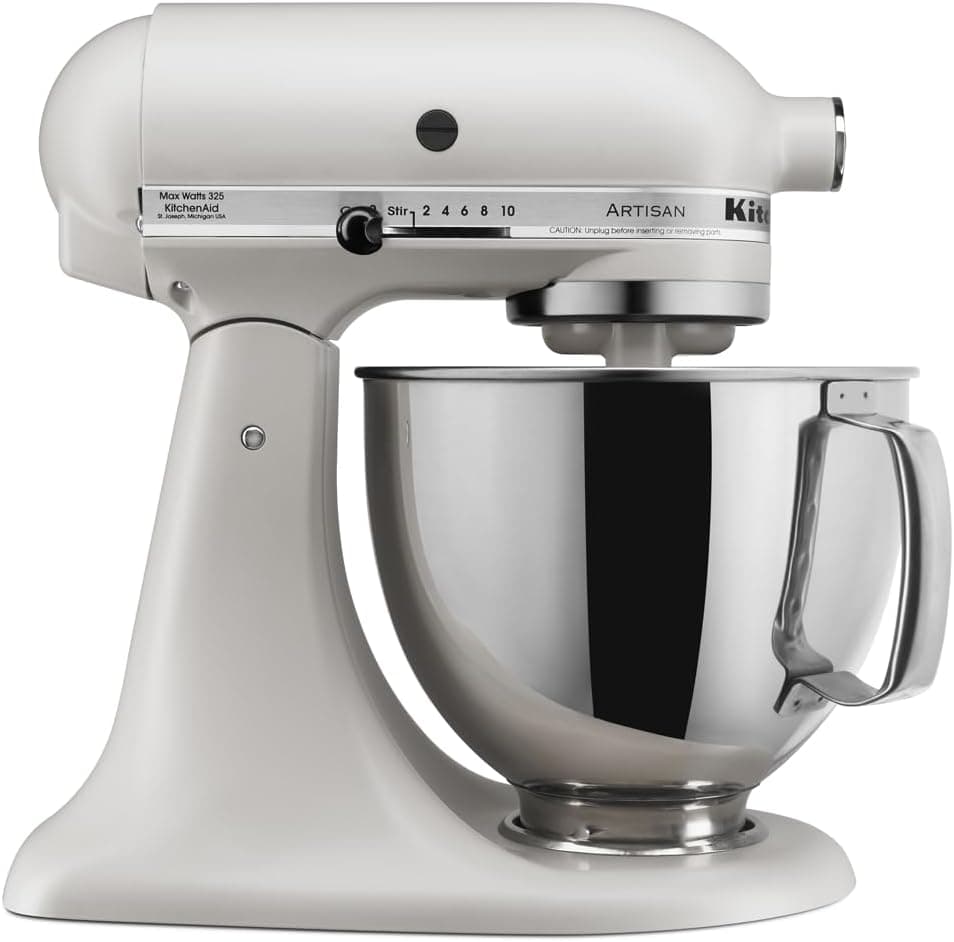
KitchenAid Artisan, 5-Qt Tilt Head Stand Mixer, KSM150PS
No. 4KitchenAid ArtisanBest PremiumBuy on Amazon
Bosch Universal Plus Stand Mixer
No. 5Bosch Universal Plus Stand MixerBuy on Amazon
Price$126.95$301.84$299.00$499.95$499.00
Standout strengthEntry-level pricing makes stand mixing accessible for occasional bakers500-watt motor handles bread doughs and dense batters without strain7-liter stainless bowl and 600-watt motor handle both delicate meringues and heavy doughs—800-watt bottom-drive motor handles up to 15 pounds of dough per batch
Main trade-off300-watt motor overheats during extended sessions or dense dough workApproaches motor limits with particularly stiff whole-grain bread formulationsNon-traditional mixing mechanics create steeper initial learning curve—Unconventional bottom-drive design requires steeper learning curve
//The Method

Every rank is a composite, not an opinion.

The same five dimensions, the same weights, applied to every product in the category. The composite is recomputed whenever the data moves — and the rank order updates with it.

  1. 01
    Demand

    The retailer sales rank; review velocity over the last three months. Measured on 5 of 5 picks on this page.

  2. 02
    Trust

    The 1-5 rating distribution; negative-review share; polarisation (the J-curve). Measured on 5 of 5 picks on this page.

  3. 03
    Value

    Price against the category median; measured quality per pound spent. Measured on 5 of 5 picks on this page.

  4. 04
    Quality

    The 1-5 rating distribution; review text, including the share of it that mentions a defect. Measured on 5 of 5 picks on this page.

  5. 05
    Durability

    Reviews aged three months or more, and the share of them reporting a failure. Measured on 4 of 5 picks on this page.

Stand Mixers FAQ

  1. How do I choose between a tilt-head and bowl-lift stand mixer?
    Tilt-head models like the Cuisinart and KitchenAid offer easier bowl access and more compact storage, making them ideal for kitchens with upper cabinets and frequent recipe changes. Bowl-lift designs provide greater stability under heavy loads and typically accommodate larger capacities, but require more vertical clearance and slightly more effort to remove the bowl. For most home bakers working with standard 5-6 quart capacities, tilt-head convenience outweighs the marginal stability benefits of bowl-lift systems.
  2. Is it worth spending $400+ for a premium stand mixer?
    The value equation depends entirely on usage frequency and recipe complexity. Buyers who bake weekly and regularly work with bread doughs recoup premium pricing through motor longevity and reduced replacement cycles, with models like the KitchenAid and Bosch delivering 10-15 year lifespans. Occasional bakers making cakes and cookies a few times monthly will find budget models adequate for their needs, as the motor demands remain well within entry-level capabilities. Calculate your annual mixing hours; if you exceed 50 hours yearly, premium models typically deliver better cost-per-use over their extended lifespans.
  3. What motor wattage do I actually need for bread dough?
    Standard white bread and pizza dough recipes work reliably with 300-500 watt motors, covering models from the Hamilton Beach through the Cuisinart. Whole grain breads, sourdough starters, and dense rye formulations benefit from 600-800 watt motors like those in the Ankarsrum and Bosch, as the additional torque prevents motor strain during extended kneading. If you primarily make quick breads, cakes, and cookies, wattage becomes less critical than bowl capacity and speed control range.
  4. Do all KitchenAid attachments work with other mixer brands?
    KitchenAid's attachment hub is proprietary to their brand and not cross-compatible with Cuisinart, Bosch, Hamilton Beach, or Ankarsrum models. Each manufacturer uses distinct attachment mounting systems, preventing universal accessory sharing. Buyers prioritizing attachment ecosystems should verify compatibility before purchase, as this represents a long-term investment that locks you into a specific brand platform for pasta makers, grinders, and other accessories.
  5. How often do stand mixers need maintenance or part replacement?
    Most stand mixers require gear grease replenishment every 3-5 years under regular use, a service that costs $50-100 through authorized centers or can be completed at home with proper instructions. Beaters and dough hooks last indefinitely with hand washing but may need replacement if damaged or warped. Motor brushes in some models require replacement after 500-1000 hours of operation, though many modern mixers use brushless motors that eliminate this maintenance entirely. Planetary gears represent the primary wear component, with premium models typically outlasting budget alternatives by 5-10 years before requiring replacement.
  6. Can stand mixers handle tasks beyond basic baking?
    Stand mixers with attachment hubs expand functionality significantly, with KitchenAid's ecosystem including pasta rollers, meat grinders, vegetable spiralizers, ice cream makers, and even grain mills. The Bosch includes a blender attachment, while the Ankarsrum's toolkit covers dough rolling and cookie forming. Without attachment compatibility, mixers remain limited to their core beating, whipping, and kneading functions. Buyers seeking multi-function capability should prioritize models with robust attachment ecosystems, as this transforms a single appliance into a comprehensive food preparation platform.
  7. What bowl size do I need for my typical batch recipes?
    A 4-5 quart bowl handles single batches of most home recipes, including one cake, 3-4 dozen cookies, or 1-2 loaves of bread. Bakers who regularly double recipes or prepare large holiday batches benefit from 6-7 quart capacities like those in the Bosch and Ankarsrum. Smaller households and apartment kitchens often find 4-quart models like the Hamilton Beach sufficient, as they reduce storage footprint without limiting typical recipe execution. Consider your largest regular recipe and add 20 percent capacity buffer to prevent splashing and ensure adequate mixing action.

theRANKS may earn affiliate commissions from qualifying purchases. How that works