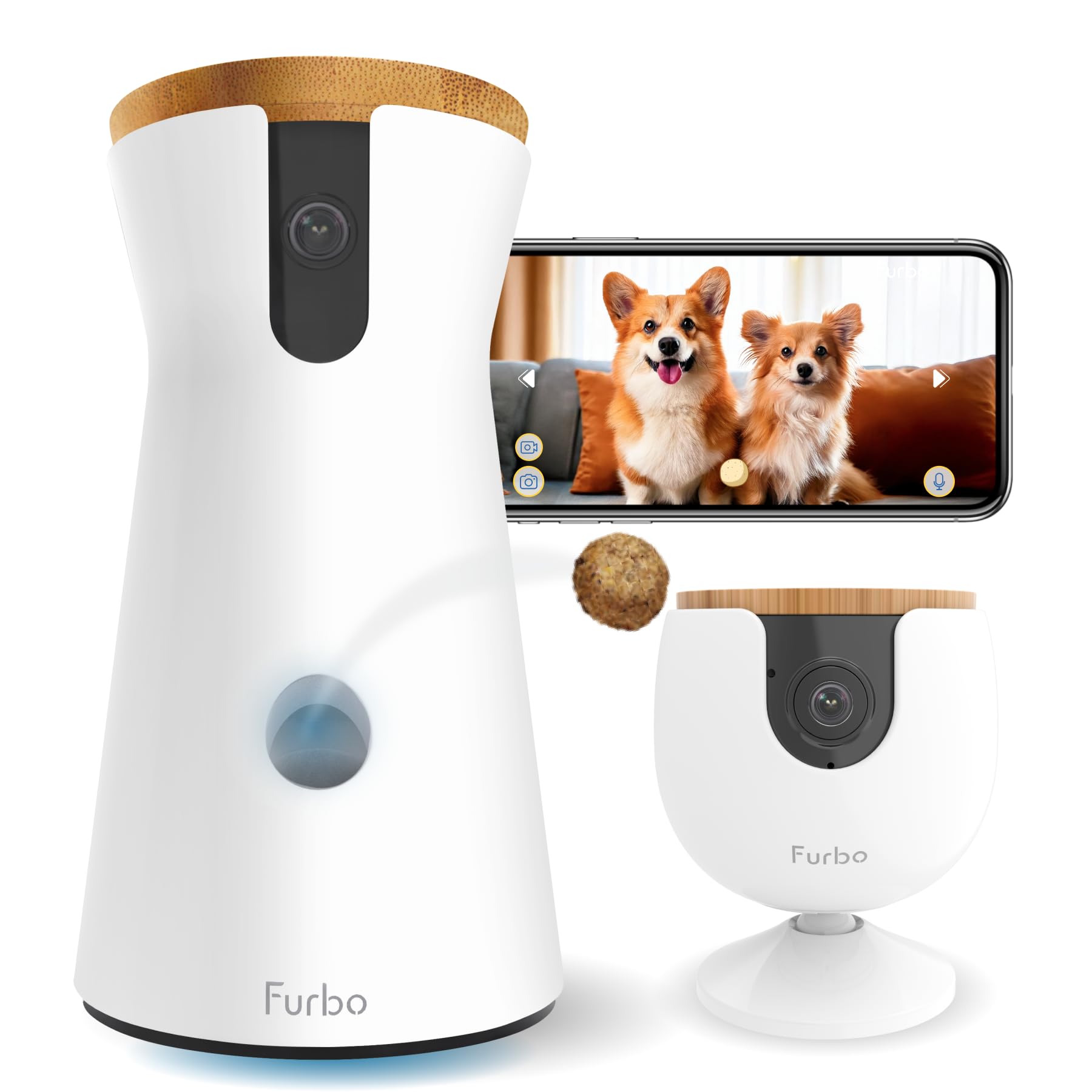
How-To
How to Choose a Pet Camera for a Dog That Is Home Alone
Separation anxiety affects up to eight in ten dogs, and the right camera feature set can ease stress for both owner and pet.
// KEY TAKEAWAYSWhat to know
- 67% of pet owners worry about their dog's welfare during work hours, making real-time monitoring a top purchase driver.
- Two-way audio and treat dispensing rank higher than resolution for dogs prone to separation behaviors.
- 84% of premium cameras now use AI motion detection to reduce false alerts by 68%, saving owners notification fatigue.
- Night vision and wide-angle lenses ensure coverage when dogs are most active during dawn and dusk hours.
- Subscription models for cloud storage and advanced AI features add recurring costs that buyers must budget beyond the camera price.
Research suggests that 8 out of 10 dogs find it hard to cope when left alone, and 44% of pet owners express worries about their pets experiencing separation anxiety. Pet cameras address both sides of that equation: they let owners monitor behavior in real time and offer interactive features that help dogs stay calm. The pet monitoring camera market has grown rapidly, with global market size forecast to progress from USD 222 million in 2026 to USD 2,033 million by 2034, driven by demand for two-way audio, treat dispensers, and AI-powered alerts. Choosing the right camera requires matching hardware capabilities to your dog's specific triggers and your daily routine. A camera that delivers high-definition video but lacks audio interaction may miss the mark for a dog that responds to voice reassurance, while a model with treat dispensing but poor night vision will leave you blind during evening hours.
Step 1: Identify Your Dog's Home-Alone Triggers
Key takeaway - Mapping your dog's distress triggers and movement patterns determines whether you need a fixed, wide-angle, or pan-tilt camera design.
Start by cataloging the behaviors your dog displays when you leave. Does your dog bark within minutes of your departure, chew door frames, or pace near windows? Dogs with separation anxiety begin barking and displaying distress behaviors within a short time after being left alone—often within minutes. Video playback from a basic camera or smartphone can reveal patterns invisible to you in person. Some dogs settle after fifteen minutes; others escalate. Note the time of day when anxiety peaks, since many dogs grow restless during late afternoon when they expect owners to return. Record which rooms the dog frequents and whether the dog reacts to external sounds like delivery trucks or neighbors. This audit determines whether you need a fixed camera covering one room or a pan-tilt model that tracks movement across open floor plans. A dog that stays in a crate needs only basic coverage, while a free-roaming dog may require a 160-degree field of view and motion tracking. Identifying these baseline behaviors also helps you measure improvement after you introduce interactive features.
Step 2: Match Camera Features to Interaction Needs
Key takeaway - Two-way audio, treat dispensing, and AI motion alerts target separation behaviors more effectively than resolution alone.
Once you know the behaviors, prioritize features that address them. Two-way audio ranks highest for dogs that respond to verbal cues; hearing your voice can interrupt barking or redirect anxious pacing. Primary growth drivers include HD video streaming, two-way audio, motion detection, treat dispensers, and millennial pet owner demographics. Treat dispensing adds a second layer of engagement, letting you reward calm behavior or create positive associations with being alone. Models that support scheduled treat releases can reinforce routines even when you are unavailable to trigger them manually. Motion and sound alerts ensure you receive notifications the moment distress begins, so you can intervene before behaviors escalate. 84% of premium pet cameras sold in 2026 incorporate AI-powered motion detection reducing false alerts by 68%, which prevents notification fatigue from shadows or passing cars. Night vision becomes essential if your dog shows restlessness during dawn or evening hours, and a wide-angle lens captures more floor space without repositioning the unit. The best pet cameras we ranked score each feature against real buyer-signal data to surface models that balance hardware quality and interaction depth.
Step 3: Evaluate Video Quality and Field of View
Key takeaway - 1080p resolution, a 130-degree field of view, and strong night vision ensure you capture behavioral cues across lighting conditions.
Resolution determines how much behavioral detail you can observe. Full HD 1080p lets you read body language—tail position, ear angle, panting intensity—that signals escalating stress. A 720p feed suffices for basic presence checks but may blur fine details at distance. Field of view controls how much of the room the camera captures. A 110-degree lens covers a standard living room corner; 130 degrees reduces blind spots in open layouts; 160 degrees or pan-tilt designs suit multi-room monitoring. Zoom functionality helps you inspect specific areas without moving the camera, useful if your dog favors one corner or if you need to check water bowls. Night vision quality varies widely; look for infrared LEDs that illuminate at least ten feet, ensuring visibility during low-light hours. Some models offer color night vision using ambient light sensors, which provides richer detail than monochrome infrared. Placement height also affects coverage: mounting at four to five feet captures adult dog eye level and reduces the chance of the camera being knocked over. Test the live-stream latency in your app; delays longer than two seconds make real-time interaction frustrating.
Step 4: Assess Connectivity and Smart-Home Integration
Key takeaway - Dual-band Wi-Fi, smart-home compatibility, and transparent subscription terms prevent surprise costs and improve daily usability.
Pet cameras rely on Wi-Fi for live streaming and remote control. Models that support both 2.4 GHz and 5 GHz bands offer more flexibility in congested network environments; 2.4 GHz has longer range but slower speeds, while 5 GHz delivers higher throughput at shorter distances. Check whether the camera requires a dedicated hub or connects directly to your router. Integration with Alexa, Google Assistant, or Apple HomeKit lets you trigger feeds or dispense treats via voice command, which streamlines routines if you already use smart speakers. Integration of pet cameras with platforms such as Amazon Alexa, Google Home, and Apple HomeKit enables seamless user experiences. Subscription plans for cloud storage and advanced AI features add recurring costs; some cameras include free rolling storage of 24 hours, while others charge monthly fees for longer retention or person-versus-pet detection. Local storage via microSD card avoids subscriptions but limits remote access to saved clips. The best pet tech we ranked includes cameras that balance upfront hardware costs with optional subscription tiers, so you can choose the service level that fits your budget.
Step 5: Consider Treat Capacity and Dispenser Mechanics
Key takeaway - Hopper capacity, treat-size compatibility, and automated scheduling determine whether dispensing supports your dog's diet and routine.
If your dog responds well to food rewards, treat capacity and dispensing mechanics become critical. Hopper sizes range from 100 grams to 1.5 pounds; a half-pound capacity typically lasts a full workday for scheduled releases every two hours. Dispensing methods vary: some cameras fling treats across the room to create a game of fetch, while others drop treats at the camera base for calmer dogs. Fling distance is adjustable in premium models, letting you tailor the experience to your dog's energy level and room size. Treat size compatibility matters; most dispensers accept kibble or crunchy treats between 0.6 and 1.1 centimeters in diameter, but irregular shapes can jam the mechanism. Removable treat containers simplify refilling and cleaning, and dishwasher-safe components reduce maintenance burden. Automated scheduling lets you program treat releases at consistent intervals, which reinforces calm behavior even when you cannot manually trigger the app. Some units send low-treat alerts to your phone, preventing the dispenser from running empty mid-day. Dogs with food sensitivities or special diets benefit from models that accept a wide range of treat shapes and sizes, ensuring you can use the brands your vet recommends.
Step 6: Review Alert Accuracy and Notification Control
Key takeaway - AI-powered alerts and customizable thresholds reduce notification fatigue while surfacing genuine distress signals.
Motion and sound alerts keep you informed without overwhelming your phone. Basic models trigger on any movement, generating dozens of false positives from curtains, shadows, or passing vehicles. AI-powered cameras are capable of distinguishing between pets and background movement, reducing false alerts, and some models add bark detection that isolates vocalizations from ambient noise. Customizable sensitivity thresholds let you tune alerts to your dog's activity level; a high-energy breed may require a higher threshold to avoid constant pings. Alert scheduling restricts notifications to specific hours, useful if you want updates only during your commute or lunch break. Push notifications should include a thumbnail or short video clip so you can assess urgency before opening the full feed. Some cameras analyze behavior over time and flag abnormal patterns—excessive pacing, prolonged barking, or sudden lethargy—that may indicate health issues. AI can detect abnormal behaviors such as excessive scratching, barking, or lethargy, alerting owners to potential health issues. The best pet cameras surface models with alert logic tuned to real separation-anxiety behaviors rather than generic motion events.
Step 7: Factor in Setup, Mounting, and Physical Durability
Key takeaway - Secure mounting, durable construction, and cable management prevent camera displacement and ensure continuous coverage.
Installation complexity affects how quickly you can deploy the camera. Models with magnetic mounts or adhesive bases install in minutes, while units requiring wall brackets and power outlets demand more planning. Wireless cameras eliminate Ethernet cables but depend entirely on Wi-Fi stability. Placement height and angle determine coverage; a countertop camera works for small rooms, but wall mounting at five feet provides better sightlines in larger spaces. Physical durability matters if your dog jumps or investigates new objects; a lightweight camera on a low shelf invites tipping, while a securely mounted unit resists curious paws. Power options range from plug-in AC adapters to rechargeable batteries; battery models offer placement flexibility but require regular recharging, which can interrupt monitoring. Cable management is essential for chewers; exposed power cords become targets, so look for short cables or models with cord covers. Water resistance adds protection against spills or humidity in kitchens and laundry rooms. Some cameras include anti-tip bases or suction feet that grip smooth surfaces, reducing the chance of accidental displacement during energetic play.
The takeaway
Choosing a pet camera for a dog that is home alone requires aligning hardware features with your dog's specific separation behaviors and your daily routine. Two-way audio and treat dispensing address anxiety triggers more directly than video resolution alone, while AI-powered alerts filter genuine distress from background motion. Night vision and wide-angle lenses ensure you capture activity across all hours, and subscription transparency prevents budget surprises. The setup process, mounting options, and physical durability determine whether the camera remains stable and functional through daily use. For dogs with more severe separation issues, combining a camera with professional training or veterinary guidance delivers the best outcomes. Ready to compare models ranked by buyer-signal data and feature depth? Start with the best pet cameras we ranked to find the option that matches your dog's needs and your home layout.
the best pet cameras we ranked
Read the ranking →// FREQUENTLY ASKEDQuick answers
- Do pet cameras actually reduce separation anxiety in dogs?
- Pet cameras do not cure separation anxiety, but they help owners intervene in real time and provide interactive features that can ease distress. Two-way audio lets you calm barking or redirect anxious pacing with your voice, and treat dispensing reinforces calm behavior. The camera data also helps you identify triggers and track progress if you are working with a trainer or veterinarian. For best results, combine camera use with gradual desensitization training that teaches dogs to tolerate being alone.
- How much do pet cameras with treat dispensers cost?
- Pet cameras with treat dispensers range from around ninety dollars for basic models with 720p video to two hundred dollars or more for premium units with 1080p resolution, AI alerts, and advanced app features. Subscription plans for cloud storage and extended AI capabilities add five to fifteen dollars per month. Budget-friendly options often skip smart-home integration or limit treat capacity, while higher-priced models include night vision, wide-angle lenses, and multi-user sharing.
- Can I use a regular security camera instead of a pet camera?
- You can use a standard security camera for basic video monitoring, but you will miss interactive features designed for pets. Pet cameras include two-way audio optimized for voice clarity, treat dispensers, and AI algorithms trained to recognize animal behavior rather than human intruders. Security cameras often lack treat-dispensing hardware and may generate excessive motion alerts from normal pet activity. If your dog does not need interactive engagement, a security camera suffices; otherwise, a dedicated pet model delivers better value.
- What video resolution do I need to see my dog clearly?
- Full HD 1080p resolution provides enough detail to read body language like tail position, ear angle, and panting intensity, which helps you assess stress levels. 720p works for basic presence checks but may blur fine details at distance. If you plan to zoom in on specific areas or share clips with a trainer, 1080p is the safer choice. Higher resolutions like 2K offer marginal improvements for most home layouts and consume more bandwidth during live streaming.
- How do I stop my dog from knocking over the pet camera?
- Secure the camera out of paw reach by wall-mounting it at four to five feet, or use models with anti-tip bases and suction feet that grip countertops. Avoid placing the camera on low furniture or near areas where your dog jumps or plays. Some cameras include weighted bases or magnetic mounts that resist nudging. For persistent investigators, hiding the power cable inside cord covers or routing it behind furniture prevents chewing and reduces the chance of the camera being pulled down.
- Do pet cameras work if my Wi-Fi is slow or unreliable?
- Pet cameras require stable Wi-Fi for live streaming and remote control. Slow connections cause buffering, delay two-way audio, and interrupt treat dispensing commands. Models that support both 2.4 GHz and 5 GHz bands give you flexibility to choose the band with less interference. If your Wi-Fi is unreliable, consider upgrading your router, adding a mesh extender near the camera location, or choosing a model with local microSD storage so you can review clips later even if streaming drops.
- Can pet cameras detect health problems in dogs?
- Advanced pet cameras with AI behavior analysis can flag abnormal patterns like excessive scratching, prolonged lethargy, or unusual vocalizations that may indicate health issues. These alerts prompt you to investigate further or consult a veterinarian, but the camera does not diagnose conditions. Some models track activity levels over time and highlight deviations from baseline behavior. For dogs with chronic conditions, this data helps you monitor symptoms remotely, but it supplements rather than replaces veterinary care.
- Is a treat dispenser safe for dogs on special diets?
- Treat dispensers are safe for dogs on special diets as long as you use treats approved by your veterinarian and match the dispenser's size requirements. Most dispensers accept kibble or crunchy treats between 0.6 and 1.1 centimeters in diameter, so check that your prescription or limited-ingredient treats fit. Avoid soft or sticky treats that can jam the mechanism. For dogs with severe allergies or medical restrictions, use the camera's two-way audio for verbal rewards instead of food-based interaction.
- Should I choose a pet camera with a subscription or one-time purchase?
- Subscription models provide cloud storage, extended AI features, and continuous software updates, but add recurring monthly costs. One-time-purchase cameras with local microSD storage avoid subscriptions but may limit remote access to saved clips and lack advanced behavior analysis. If you need rolling cloud storage for sharing clips with trainers or reviewing multiple days of footage, a subscription justifies the cost. For basic live monitoring and short-term playback, local storage suffices and keeps total ownership cost lower.