Head-to-Head
Pet Camera vs GPS Tracker for Dogs: Which One Your Dog Actually Needs
One watches what your dog does at home, the other finds them when they bolt—here's how to pick the right tech for your situation.
// KEY TAKEAWAYSWhat to know
- Pet cameras deliver indoor monitoring with two-way audio and treat dispensing, ideal for separation anxiety and behavior tracking.
- GPS trackers provide real-time outdoor location updates and geofencing alerts, essential for dogs with escape history or outdoor access.
- The pet camera market reached over two billion dollars in 2025, while GPS tracker sales grow at a compound annual growth rate above twelve percent.
- Most dog owners benefit more from GPS trackers because outdoor escape risk outweighs the need for constant indoor surveillance.
- Combining both devices covers indoor behavior and outdoor safety, though budget-conscious owners should prioritize GPS for active or flight-risk dogs.
Dog owners face two distinct problems that different devices solve. When you cannot find your pet anywhere in the neighborhood, that triggers a stomach-drop feeling every pet owner knows. Pet cameras answer the question of what your dog does while you are gone. GPS trackers answer where your dog went when they slipped out. The global pet GPS tracker market reached 353.4 million dollars in 2025 and is projected to grow at a compound annual growth rate of 12.8 percent through 2035. The pet security camera market hit over two billion dollars in 2025. Both categories serve real owner pain points, but the right choice depends on whether your dog stays inside or has outdoor access. theRANKS scoring data shows GPS trackers rank higher in buyer-signal analysis for households with yards, unfenced properties, or dogs prone to bolting.
What Pet Cameras Actually Do
Key takeaway - Pet cameras monitor indoor behavior through video, audio, and treat interaction but provide zero outdoor tracking capability.
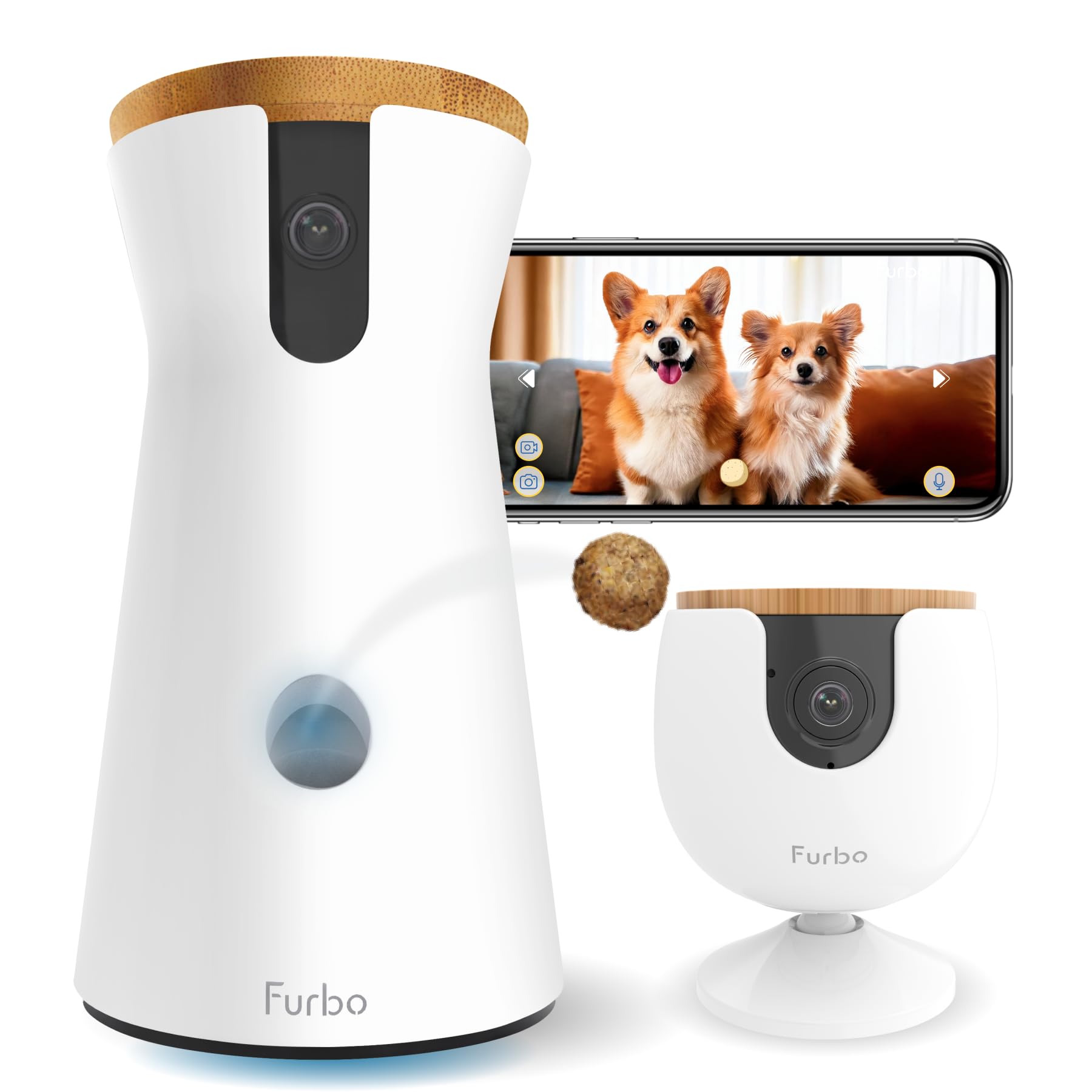
Pet cameras sit indoors and stream live video of your dog to a smartphone app. Modern pet cameras offer real-time video streaming, two-way audio, and treat dispensing as essential features. AI pet cameras analyze behavior patterns such as unusual barking or litter box activity, while best pet cameras emphasize 360-degree coverage, night vision, and treat dispensing to enhance remote interaction. Bark alert features send notifications to your phone when the camera detects barking, which is especially helpful if you have a vocal canine. These devices excel at monitoring separation anxiety, destructive behavior, and daily routines. Prices have compressed to the one hundred to two hundred ten dollar range for capable units. Urban apartment dwellers drive this segment because they need to confirm their dog is calm during work hours. Pet cameras cannot track location outside the home and offer no value if your dog escapes the house or yard.
What GPS Trackers Actually Do
Key takeaway - GPS trackers deliver real-time outdoor location and geofencing alerts via cellular networks but ignore indoor behavior entirely.
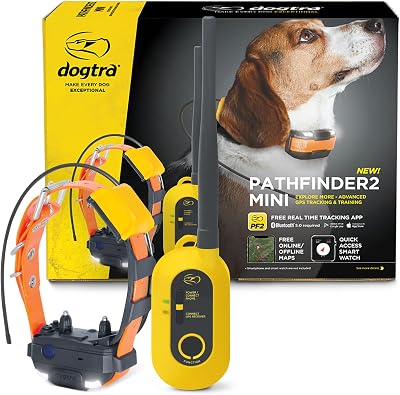
GPS trackers attach to your dog's collar and transmit real-time location data via cellular networks. Using LTE and GPS technology, the device tracks location in real time, provides escape notifications, sets geofences, and monitors pet activity. Cellular GPS trackers provide real-time location updates every 15 seconds when your dog escapes a geofence, track activity levels compared to breed averages, and last up to 20 days on battery depending on use. GPS trackers make sense if your pet has a history of escaping or you live near busy roads, because real-time alerts give you a head start on retrieving them before they get far. Most models require monthly subscription fees for cellular connectivity. If you need to understand whether GPS trackers suit your lifestyle, theRANKS ranks devices by accuracy, battery life, and subscription cost. These devices solve the outdoor escape problem but do not monitor what your dog does inside your home.
Pet Camera Pros and Cons
Key takeaway - Pet cameras excel at indoor behavior monitoring and interaction but fail completely at tracking dogs that leave the property.
Pet cameras offer visual confirmation of your dog's state and let you interact remotely. Two-way audio calms anxious dogs, and treat dispensers reward calm behavior. Enhanced two-way audio pet cameras now support noise cancellation for clearer communication, while 4K pet cameras emerge for ultra-sharp footage. Night vision and motion detection ensure you see activity around the clock. The main limitation is range: cameras only work indoors where WiFi reaches. They provide no location data if your dog leaves the property. Subscription costs vary, with some brands charging for cloud storage or advanced AI alerts. Pet cameras suit dogs that stay home alone but do not roam. They cannot replace a GPS tracker for dogs with outdoor access, unfenced yards, or a history of bolting during storms or fireworks. Pet tech devices ranked by theRANKS show cameras score highest for separation anxiety scenarios, lowest for escape prevention.
GPS Tracker Pros and Cons
Key takeaway - GPS trackers excel at outdoor location tracking and escape prevention but require subscriptions and ignore all indoor behavior data.
GPS trackers prevent the worst-case scenario: losing your dog entirely. Many pet GPS trackers offer geofencing capabilities that allow you to set virtual boundaries or safe zones, and if your pet moves outside the defined area you receive an alert on your smartphone. Real-time updates arrive every few seconds, and historical tracking shows where your dog traveled. Waterproof designs and LED lights for night visibility add durability. The downside is ongoing cost: most trackers require monthly subscription fees for cellular service. Battery life ranges from days to weeks depending on update frequency. GPS trackers do not monitor behavior, bark alerts, or indoor activity. They answer one question well—where is my dog right now—and ignore everything else. Dogs that never leave supervised areas gain little value from GPS tracking. Active dogs, escape artists, or households near roads or open land benefit most from these devices.
Which Device Wins for Most Dog Owners
Key takeaway - GPS trackers win for most owners because outdoor escape risk outweighs indoor behavior concerns in severity and consequence.
GPS trackers win for the majority of dog owners because outdoor escape risk carries higher stakes than indoor behavior monitoring. A dog that bolts can be injured, lost permanently, or cause traffic accidents. A dog that tears up a couch creates a mess but stays safe. GPS smart collars, health monitoring wearables, smart feeders, and pet cameras are the top-selling categories in 2026, with health monitors and wearables growing the fastest driven by vet integration and preventive care demand. theRANKS scoring data shows GPS trackers receive higher buyer-signal volume in categories with outdoor access, while pet cameras rank higher only for apartment-dwelling, indoor-only dogs. Owners who need both devices should prioritize GPS first, then add a camera if budget allows. Single-device households should choose based on whether their dog has outdoor access. If your dog never leaves the apartment unsupervised, a pet camera suffices. If your dog has yard access, walks off-leash, or has ever escaped, GPS tracking is non-negotiable.
When to Combine Both Devices
Key takeaway - Dual device setups cover all scenarios but cost more; prioritize GPS unless your dog is strictly indoor-only with zero escape risk.
Combining a pet camera and GPS tracker covers indoor behavior and outdoor location. This setup works for owners with high-energy dogs, multi-pet households, or dogs recovering from illness who need both activity monitoring and escape prevention. If you want both location and health, combine Tractive for GPS with a health-monitoring camera system. The combined monthly cost typically runs between fifteen and thirty dollars for subscriptions, plus upfront hardware. Households with large properties, unfenced yards, or dogs prone to separation anxiety plus escape attempts benefit most from dual coverage. Budget-conscious owners should still prioritize GPS unless the dog is strictly indoor-only. Camera-only setups leave you helpless if the dog gets out. GPS-only setups mean you miss destructive behavior or anxiety signals indoors. Evaluate your dog's actual risk profile: escape history, property layout, and daily routine determine whether one device suffices or both are justified.
The takeaway
Pet cameras monitor indoor behavior through video, audio, and treat interaction. GPS trackers deliver real-time outdoor location and escape alerts. For most dog owners, GPS trackers solve the higher-stakes problem because outdoor escapes risk injury or permanent loss. Indoor behavior issues, while frustrating, rarely endanger your dog's life. Budget-conscious households should choose GPS for any dog with outdoor access and reserve cameras for strictly indoor dogs with separation anxiety. Dual setups make sense for high-energy breeds, unfenced properties, or dogs with both anxiety and escape tendencies. theRANKS data confirms GPS trackers rank higher in buyer-signal volume across outdoor and active-dog categories, while cameras dominate only in apartment and senior-dog segments. Make the call based on whether your dog's biggest risk is what they do inside or where they go outside.
GPS trackers suit your lifestyle
Read the ranking →// FREQUENTLY ASKEDQuick answers
- Can a pet camera track my dog if they escape the yard?
- No. Pet cameras rely on WiFi and only stream video from a fixed indoor location. Once your dog leaves WiFi range or exits the property, the camera cannot track their location. GPS trackers use cellular networks to provide real-time location updates anywhere with cell coverage, making them the only option for outdoor escape scenarios.
- Do GPS trackers work inside the house?
- GPS trackers provide location data indoors but lose accuracy inside buildings due to signal interference. They will not monitor behavior, barking, or activity the way a pet camera does. GPS trackers answer where your dog is, not what your dog is doing, so they miss separation anxiety signals and destructive behavior that cameras capture through video and audio.
- How much do pet camera and GPS tracker subscriptions cost?
- Pet camera subscriptions range from zero to fifteen dollars monthly depending on cloud storage and AI features. GPS tracker subscriptions typically cost five to fifteen dollars monthly for cellular connectivity and real-time updates. Combining both devices usually totals fifteen to thirty dollars monthly plus upfront hardware costs between one hundred and three hundred dollars total for both units.
- Which device should I buy first if I can only afford one?
- Buy a GPS tracker first if your dog has any outdoor access, yard time, or history of escaping. Buy a pet camera first only if your dog is strictly indoor-only and you need to monitor separation anxiety or destructive behavior. Outdoor escape risk carries higher stakes than indoor behavior issues because lost dogs face injury or permanent loss, while indoor messes are inconvenient but not life-threatening.
- Can I use my phone's GPS to track my dog instead of buying a tracker?
- No. Your phone stays with you, not your dog. GPS trackers attach to your dog's collar and transmit their location to your phone via cellular networks. Some owners try attaching old phones to collars, but dedicated GPS trackers are waterproof, lightweight, and built for pet use with geofencing and battery life phones cannot match.
- Do pet cameras help with separation anxiety?
- Yes. Pet cameras with two-way audio let you speak to your dog remotely, which can calm anxious behavior during alone time. Treat dispensers reward calm behavior and create positive associations. However, cameras only address separation anxiety for dogs that stay inside. If anxiety triggers escape attempts, you need a GPS tracker to locate your dog after they bolt, not just a camera to watch them panic indoors.
- Are GPS trackers accurate enough to find a dog in the woods?
- GPS trackers provide location accuracy within several feet to several dozen feet depending on terrain and tree cover. Cellular GPS trackers work better in open areas than dense forests where signal weakens. Most models include LED lights and sound features to help you locate your dog once you are nearby. Accuracy improves in suburban and urban areas with stronger cell tower coverage compared to remote wilderness locations.
- Will a pet camera work if my WiFi goes out?
- No. Pet cameras require WiFi to stream video and send notifications to your phone. If WiFi fails, the camera cannot transmit data. Some models store footage locally on SD cards, but you cannot view it remotely until WiFi restores. GPS trackers use cellular networks independent of your home WiFi, so they continue working during internet outages as long as cellular service remains available.
- Can I share pet camera or GPS tracker access with family members?
- Yes. Most pet camera and GPS tracker apps allow multiple users to log in and receive alerts. This lets family members, dog walkers, or pet sitters monitor your dog from their own phones. Check each brand's app for user limit policies, as some free tiers restrict the number of simultaneous users while paid subscriptions allow unlimited sharing across households.