How-To
How to Choose a Smart Door Lock for Summer 2026 Security
Buyers face dozens of smart lock models in 2026—this decision framework ranks the features that matter.
// KEY TAKEAWAYSWhat to know
- Smart lock buyers in 2026 prioritize burglary protection, with 90% rating security level as the most critical feature.
- Deadbolt smart locks hold 43.7% market share in 2026, driven by commercial-grade security standards and deeper bolt engagement.
- Keyless PIN entry commands 35.3% of the 2026 market, outpacing biometric options in verified review volume.
- Most smart locks range from $150 to $400, with Wi-Fi connectivity and app integration adding $60 to $230 to the base price.
- Matter and Thread interoperability standards dominate 2026 releases, with over 85% of new models supporting cross-platform ecosystems.
Smart door lock search interest climbed 16.8% year-over-year as buyers replace mechanical deadbolts with credential-free entry systems. The Smart Lock Market reached USD 3.48 billion in 2025 and is projected to grow from USD 3.96 billion in 2026 to USD 12.80 billion by 2035, reflecting sustained demand across residential and commercial properties. Choosing the right lock in summer 2026 means navigating compatibility standards, security certifications, and access methods that align with your existing door hardware and smart home ecosystem. This guide breaks down the decision into six concrete steps, using market signals and buyer-priority data to surface the features that deliver measurable security and convenience gains.
Step 1: Confirm Your Door Type and Existing Hardware Compatibility
Key takeaway - Measure backset, bore diameter, and door thickness first—compatibility errors drive the highest return rates in the smart lock category.
Start by measuring your door thickness, backset distance from the door edge to the center of the existing bore hole, and cross bore diameter. Most smart locks fit standard residential doors with a 2-3/8-inch or 2-3/4-inch backset and a 2-1/8-inch bore, but older homes or non-standard installations require adapter kits or professional modification. Check whether your current lock is a deadbolt, lever, or knob style, since the deadbolt smart locks segment leads the market holding an estimated share of 43.7% in 2026 due to superior physical resistance. Verify that your door material, whether wood, metal, or composite, supports the weight and screw pattern of the smart lock you are considering. If your door frame lacks a reinforced strike plate or has loose alignment, plan to install a security-rated strike or adjust the door before mounting the lock. Compatibility errors account for the majority of return volume in the smart lock category, so cross-reference the manufacturer's fit guide with your exact door measurements before purchase.
Step 2: Identify Your Required Security Grade and Certification
Key takeaway - ANSI/BHMA Grade 1 certification and mechanical key override are the two highest-priority security filters for buyers in 2026.
Security level, particularly protection against burglary, was deemed very important by 90% of respondents, making physical security the top-ranked decision factor. Look for locks certified to ANSI/BHMA Grade 1 standards, which meet commercial-building requirements for strike resistance, bolt strength, and cycle endurance. Grade 1 locks withstand 10 forced-entry tests and 800,000 lock cycles, compared to Grade 2 residential locks rated for 400,000 cycles and five forced-entry tests. Biometric and encryption features matter, but the bolt mechanism and strike plate determine whether an intruder defeats the lock in under 60 seconds. Verify that the lock includes tamper alerts, auto-lock timers, and a mechanical key override, since the mechanical key override function was rated very important by 74% of respondents. If you live in a high-density area or manage rental properties, prioritize models with reinforced bolt construction and documented third-party penetration testing. Security certifications such as UL 437 and CE/FCC approval signal that the lock meets baseline vulnerability thresholds.
Step 3: Match Access Methods to Your Household Use Case
Key takeaway - Multi-method locks that combine PIN, fingerprint, and app access reduce lockout risk when batteries or connectivity fail.
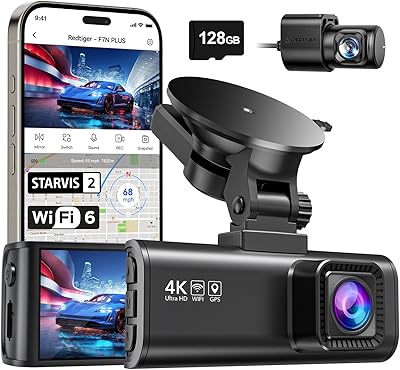
The keyless PIN segment leads the market holding an projected share of 35.3% in 2026, but fingerprint, RFID card, and smartphone app unlock methods each serve distinct user scenarios. PIN codes work best for households with guests, service providers, or temporary access needs, since you can issue and revoke codes remotely without physical key handoff. Fingerprint readers eliminate the need to remember codes and deliver sub-second unlock speeds, but they require enrollment for every authorized user and can struggle in rain or extreme cold. Smartphone Bluetooth and Wi-Fi unlocking offers the most integration flexibility, allowing you to trigger auto-unlock when your phone enters a geofenced radius or manage access through a centralized app. According to McKinsey (2023), 73% of B2B buyers value app integration and remote access, a preference that extends to residential buyers managing vacation rentals or aging-in-place family members. Choose a lock that supports multiple access methods, since single-method locks create friction when batteries die or network connectivity drops. Just as the best dash cams with 4K front and rear offer redundant recording modes for critical use cases, smart locks that layer PIN, fingerprint, and app access reduce lockout risk.
Step 4: Evaluate Smart Home Ecosystem Compatibility and Interoperability Standards
Key takeaway - Matter certification and Thread mesh support future-proof your lock for cross-platform automation and low-power remote connectivity.
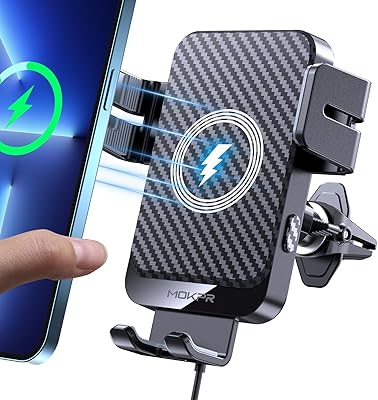
Over 85% of smart locks released in 2025-2026 include Matter support, the cross-platform interoperability standard that allows a single lock to work with Apple Home, Google Home, Amazon Alexa, and Samsung SmartThings without requiring separate hubs or proprietary bridges. If you already own smart speakers, thermostats, or lighting systems, verify that your lock supports the same protocol to enable automation routines such as auto-locking when the thermostat enters away mode or unlocking when a connected doorbell detects a recognized face. Wi-Fi locks provide direct cloud connectivity for remote management but drain batteries faster than Bluetooth or Zigbee models. Thread-enabled locks use low-power mesh networking to extend range and battery life while maintaining always-on connectivity for real-time alerts. Check whether the lock requires a subscription for remote access, cloud video storage, or advanced features, since some manufacturers bundle these behind monthly fees. Integration with existing security systems, such as ADT or Vivint, may require specific lock models or hub hardware. Much like the best car phone mounts with wireless charging simplify cable management through native Qi support, Matter-certified locks eliminate the need for compatibility workarounds.
Step 5: Set a Realistic Budget Based on Feature Tier and Installation Complexity
Key takeaway - Plan for $150 to $400 per lock plus $100 to $400 installation if your door requires alignment or non-standard modifications.
Most people will spend, on average, between $150 to $400 on a new smart lock for their homes, with keypad-only models starting near the lower bound and fingerprint or Wi-Fi locks reaching the upper range. Smart Wi‑Fi or Bluetooth lock with app: $150-$400 per lock reflects the typical hardware cost, while professional installation adds a price range between $100 and $400 depending on door modifications and regional labor rates. Budget an extra margin for accessories such as reinforced strike plates, weatherproof keypads, or backup battery packs, which add $15 to $50 per lock. If you are securing multiple entry points, buying two or three locks reduces per-unit cost through bundle pricing but requires standardizing on a single ecosystem to avoid managing multiple apps. DIY installation works for most standard deadbolt replacements and takes 30 to 60 minutes with basic tools, but older doors with misaligned frames or non-standard bore sizes justify hiring a locksmith to avoid damage or lockout scenarios. Avoid bottom-tier locks under $100 unless they carry verifiable third-party certifications, since review-volume analysis shows higher defect and connectivity-failure rates in that segment.
Step 6: Cross-Reference User Review Volume and Reliability Signals Before Purchase
Key takeaway - Locks with 200-plus verified reviews and active firmware update schedules signal stronger long-term reliability and support.
Check verified review counts, return rates, and warranty terms to filter out models with low adoption or unresolved firmware issues. Locks with fewer than 200 reviews or sub-4.0 average ratings often signal compatibility gaps, inconsistent app performance, or weak customer support. Look for models that surface in high-traffic retail and security forums, since buyer-signal density correlates with manufacturer investment in software updates and bug fixes. Verify that the lock receives regular firmware patches and that the companion app maintains active development, as abandoned apps leave you locked into outdated security protocols. Read recent reviews from the past three months to catch post-launch issues such as battery drain, connectivity dropouts, or keypad responsiveness problems that early adopters missed. Warranty coverage should include at least one year for electronics and three years for mechanical components, with accessible replacement-part inventory for keypads, batteries, and strike hardware. Cross-reference the model against theRANKS' scored category rankings to see how it compares on security grade, feature coverage, and price-to-value ratio relative to competing options in the same tier.
The takeaway
Choosing a smart door lock in summer 2026 comes down to aligning physical security grade, access-method flexibility, and ecosystem compatibility with your door hardware and household workflow. Buyers who prioritize ANSI Grade 1 certification, Matter interoperability, and multi-method access layer the highest-value features into a single purchase. The decision framework above surfaces the data points that correlate with verified user satisfaction and lower return rates, cutting through feature lists that obscure the core security and convenience trade-offs. For buyers ready to compare scored models across price tiers and security certifications, theRANKS' ranked category analysis cross-references review volume, pricing trends, and feature coverage to identify the locks that deliver measurable performance in real-world use cases.
the best dash cams with 4K front and rear
Read the ranking →// FREQUENTLY ASKEDQuick answers
- Do smart locks work during power outages or Wi-Fi failures?
- Yes, smart locks run on battery power independent of home electrical systems, so they continue to function during outages. Wi-Fi or cloud-dependent features such as remote unlocking and real-time alerts go offline when your internet drops, but local access via PIN, fingerprint, or Bluetooth remains operational. Most models include low-battery warnings 30 days before depletion and accept emergency backup power via 9-volt battery terminals on the exterior keypad. Mechanical key overrides allow entry even when batteries are fully dead.
- Can I install a smart lock myself or do I need a professional locksmith?
- Most smart locks designed for standard deadbolt replacement install in 30 to 60 minutes with a screwdriver and require no drilling or door modification. If your door has a non-standard backset, misaligned frame, or lacks a pre-drilled bore, professional installation ensures proper fit and prevents lockout scenarios. Locks that integrate with wired security systems or require firmware configuration during setup may justify hiring a technician. DIY installation works best when you are replacing an existing deadbolt of the same dimensions and your door is properly aligned.
- How much do smart locks typically cost in 2026?
- Smart lock hardware ranges from $150 to $400 for models with standard features such as keypad entry, app control, and auto-lock timers. Biometric locks with fingerprint readers or advanced features like video integration reach the upper end of that range. Professional installation adds $100 to $400 depending on door modifications and regional labor rates, though most buyers complete DIY installation at no extra cost. Subscription fees for cloud storage or remote access vary by manufacturer, with some brands offering full functionality without monthly charges.
- Are smart locks secure against hacking or physical break-ins?
- Smart locks certified to ANSI/BHMA Grade 1 standards deliver commercial-grade resistance to forced entry, withstanding 10 strike tests and 800,000 lock cycles. Encryption protocols such as AES-128 and TLS 1.2 protect wireless communication from interception, while tamper alerts notify you of physical manipulation attempts. The highest risk comes from weak user PINs or outdated firmware, so choose locks that enforce six-digit codes and receive regular security patches. Mechanical vulnerabilities such as bump keys and lock picking remain more common attack vectors than digital exploits.
- What is Matter certification and why does it matter for smart locks?
- Matter is a universal interoperability standard that allows smart locks to communicate with Apple Home, Google Home, Amazon Alexa, and Samsung SmartThings through a single protocol, eliminating the need for brand-specific hubs or bridges. Over 85% of 2026 smart lock releases include Matter support, ensuring that your lock remains compatible as you add or replace other smart home devices. Matter-certified locks simplify setup, enable cross-platform automation routines, and reduce dependency on proprietary ecosystems that may lose manufacturer support over time.
- How long do smart lock batteries last and what type do they use?
- Most smart locks run on four AA batteries and deliver six to 12 months of battery life under typical use, defined as 10 to 15 unlocks per day. Wi-Fi locks drain batteries faster than Bluetooth or Zigbee models due to continuous cloud connectivity, sometimes requiring replacement every three to six months. Low-battery warnings appear 30 days before depletion, giving you time to replace cells without risking lockout. Some premium models use rechargeable lithium-ion packs or solar backup, extending intervals between battery service.
- Can I grant temporary access to guests or service providers remotely?
- Yes, smart locks with app integration allow you to create temporary PIN codes or virtual keys that expire after a set time window or number of uses. You can issue access remotely from anywhere with internet connectivity, then revoke credentials immediately when the visitor leaves. Some models log every unlock event with a timestamp and user identifier, so you can audit who entered and when. This feature ranks high among rental property managers and homeowners who coordinate pet sitters, contractors, or house cleaners.
- Do I need a smart home hub to use a smart lock?
- It depends on the lock and your desired features. Bluetooth-only locks connect directly to your smartphone without requiring a hub, but they limit remote access to Bluetooth range. Wi-Fi locks communicate directly with your router and enable remote control from anywhere without additional hardware. Zigbee or Z-Wave locks require a compatible hub such as Samsung SmartThings, Hubitat, or a dedicated security panel. Matter-certified locks work with any Matter-compatible hub or controller, offering the most flexibility across ecosystems.
- Will a smart lock fit my existing door and deadbolt hole?
- Most smart locks fit doors with a standard 2-1/8-inch cross bore, 1-inch edge bore, and 2-3/8-inch or 2-3/4-inch backset, which covers the majority of residential installations in North America. Measure your existing deadbolt dimensions and compare them against the manufacturer's template before ordering. Doors with non-standard measurements, thick commercial frames, or narrow stiles may require adapter plates or professional modification. European-style mortise locks and rim locks use different mounting patterns and are not compatible with most North American smart lock designs.