Head-to-Head
Pellet Grill vs Outdoor Pizza Oven: Which Wins for Fall Entertaining?
Pellet grills and outdoor pizza ovens solve different entertaining problems—one trades speed for versatility, the other sacrifices range for spectacle.
// KEY TAKEAWAYSWhat to know
- Gas and multi-fuel pizza ovens hold 46 percent of the outdoor pizza oven market in 2026, driven by beginner-friendly operation and fast heat-up times.
- Pellet grills range from 500 dollars to 3,500 dollars depending on size and features, while outdoor pizza ovens cluster between 300 dollars and 1,500 dollars for portable models.
- Outdoor pizza ovens are no longer a novelty; in 2026 they are becoming a defining feature of custom outdoor kitchens, especially for homeowners who love entertaining.
- Pellet grills excel at low-and-slow versatility across ribs, brisket, and roasted vegetables, while pizza ovens deliver rapid, high-heat results that turn meal prep into interactive theater.
- For fall entertaining where guests expect varied menus and longer cooking sessions, pellet grills win; for focused, high-energy pizza parties, outdoor pizza ovens deliver unmatched spectacle.
Outdoor pizza ovens are no longer a novelty; in 2026 they are becoming a defining feature of custom outdoor kitchens, especially for homeowners who love entertaining. At the same time, pellet grills continue to dominate backyard cooking for their smoke flavor and set-and-forget temperature control. Both appliances promise to elevate fall gatherings, but they solve fundamentally different problems. Pellet grills deliver versatility across ribs, brisket, roasted vegetables, and even baked goods, maintaining steady heat over hours-long cooks. Pizza ovens bring high-heat theater to the table, cooking Neapolitan-style pies in 90 seconds while guests watch the process unfold. The question is not which appliance cooks better, but which one matches your entertaining style, space constraints, and the kind of gathering you host most often. This comparison examines both options through the lens of fall entertaining, where cooler weather, longer evenings, and heartier menus shift the calculus for outdoor cooking investments.
Pellet Grills Deliver Versatile Low-and-Slow Performance
Key takeaway - Pellet grills excel at hands-off, multi-dish cooking for fall gatherings, with entry models starting around 450 dollars and mid-tier options near 800 dollars.
Pellet grills range from 500 dollars to 3,500 dollars depending on size, portability, and built-in features provided by manufacturers. The core advantage is automated temperature control via PID controllers that hold steady heat across multi-hour cooks without constant monitoring. This makes pellet grills ideal for fall entertaining scenarios where you need to smoke brisket, roast root vegetables, and bake cornbread simultaneously while hosting guests. A reliable entry-level pellet grill like a Z Grills 700D4E runs 450 to 550 dollars, and the Pit Boss Pro Series 850 now runs 799 dollars after a 2026 price update. The larger cooking surface on most models accommodates multiple dishes at once, a key benefit when serving groups of eight or more. The downside is that pellet grills top out around 500 degrees Fahrenheit, limiting searing capability compared to gas or charcoal. For fall menus centered on smoked meats, chili, and baked sides, the best pellet grills we ranked deliver unmatched convenience and flavor depth without requiring constant fire management.
Outdoor Pizza Ovens Bring High-Heat Theater to Gatherings
Key takeaway - Pizza ovens reach 850 degrees Fahrenheit or higher, cooking pies in 60 to 90 seconds and turning meal prep into interactive entertainment for fall gatherings.
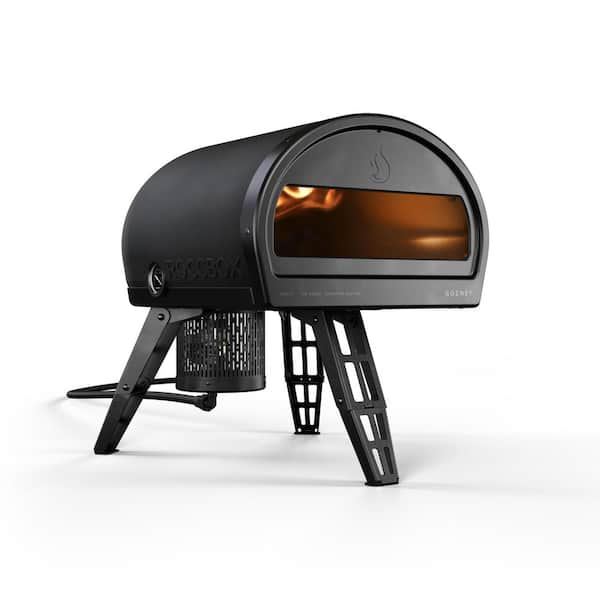
Most quality portable ovens target 850 degrees Fahrenheit or higher to replicate traditional wood-fired pizzeria conditions; models like Big Horn Outdoors' 12-inch pellet oven reach 887 degrees Fahrenheit, enabling fast 60 to 90 second bakes. The appeal for fall entertaining is the interactive spectacle: guests gather around the oven, watch dough transform into charred, bubbly pizza in real time, and participate in topping selection and cooking rotation. Gas pizza ovens are the mainstream leader in 2026, accounting for roughly 46 percent of the global market share, driven by convenience, fast heat-up times, and beginner-friendly operation. Pizza ovens also handle flatbreads, roasted vegetables, and even baked desserts, but the narrow cooking chamber and single-dish focus limit menu range compared to pellet grills. The trade-off is speed and engagement: a pizza oven turns cooking into entertainment, while a pellet grill runs quietly in the background. For hosts who prioritize guest interaction and fast turnaround over menu diversity, the best outdoor pizza ovens we ranked deliver unmatched energy and visual appeal.
Pellet Grills Win on Menu Flexibility and Hands-Off Operation
Key takeaway - Pellet grills deliver hands-off, multi-dish versatility across hours-long cooks, making them ideal for fall menus that span appetizers, mains, and sides.
Pellet grills handle smoking, roasting, baking, and indirect grilling within a single cook session, making them the better choice for fall menus that span appetizers, mains, and sides. The hopper-fed fuel system runs for hours without refilling, and WiFi-enabled models allow remote temperature monitoring while you host indoors. This hands-off advantage is critical when entertaining groups that expect varied dishes rather than a single focal item. The downside is that pellet grills lack the visual drama of open flame cooking, and the slower pace means guests wait longer for food. Maintenance is also more involved: pellet grills require ash removal, hopper cleaning, and periodic auger inspections. For hosts who value set-and-forget convenience and the ability to cook multiple dishes simultaneously, pellet grills deliver the broadest menu range with the least active supervision. Choosing the right pellet grill for your entertaining frequency ensures the model matches your typical guest count and cooking duration.
Pizza Ovens Excel at Speed, Interaction, and Focused Cooking
Key takeaway - Pizza ovens deliver rapid, focused cooking with low per-session fuel costs and minimal cleanup, but limited menu range requires pairing with other appliances for full meals.
A typical pizza night, including preheating plus cooking four to six pizzas, costs roughly two to five dollars on gas, three to six dollars on pellets, and ten to twenty dollars on kiln-dried hardwood. The operational simplicity and low per-session cost make pizza ovens attractive for frequent fall gatherings. The focused design also means faster cleanup: most ovens burn off spilled toppings at high heat, leaving only the stone to brush. The limitation is menu range: pizza ovens cook one item at a time, and the narrow chamber restricts dish size and variety. Guests who expect a full spread of appetizers, mains, and sides will find a pizza oven insufficient on its own. The strength is in creating a single, high-energy focal point where cooking becomes part of the social experience rather than a background task. For hosts who prioritize speed, visual spectacle, and guest participation over menu breadth, outdoor pizza ovens turn fall gatherings into interactive events rather than traditional sit-down meals.
Space, Budget, and Entertaining Style Determine the Right Choice
Key takeaway - Portable pizza ovens offer 20 to 25 percent annual sales growth and easier storage, while pellet grills require more space and higher upfront investment but deliver broader menu capability.
Compact and portable outdoor pizza ovens have seen sales growth of 20 to 25 percent annually; portable outdoor pizza ovens, many weighing under 20 kilograms, have experienced annual sales growth of 20 to 25 percent. The portability advantage makes pizza ovens easier to store and move for seasonal use, while pellet grills require dedicated patio space and weatherproof covers. Budget also plays a role: entry-level pizza ovens start around 300 dollars, while capable pellet grills begin near 500 dollars and climb toward 1,500 dollars for mid-tier WiFi-enabled models. The deciding factor is entertaining style. Hosts who run long, multi-course fall gatherings where guests expect variety benefit from pellet grill versatility. Hosts who prefer shorter, high-energy events where cooking is the entertainment itself benefit from pizza oven speed and spectacle. The appliances are not interchangeable: one trades speed for range, the other sacrifices interaction for automation. For buyers deciding between the two, the question is whether fall entertaining centers on the food itself or the experience of making it together.
The takeaway
Pellet grills win for hosts who prioritize menu flexibility, hands-off operation, and the ability to cook multiple dishes over extended fall gatherings. The automated temperature control and large cooking surface make them ideal for smoking brisket, roasting vegetables, and baking sides simultaneously while entertaining guests indoors. Outdoor pizza ovens win for hosts who value speed, visual spectacle, and interactive cooking that turns meal prep into the main event. The high-heat capability and rapid cook times deliver restaurant-quality pies in minutes, creating energy and engagement that pellet grills cannot match. For most fall entertaining scenarios where guests expect varied menus and longer cooking sessions, pellet grills deliver better value and versatility. For focused, high-energy pizza parties where cooking is the entertainment, outdoor pizza ovens provide unmatched theater and participation. The appliances are not substitutes: one automates versatility, the other amplifies interaction. Buyers should choose based on whether their fall gatherings center on the food itself or the experience of making it together. For those still deciding, start with the best pellet grills we ranked if menu range matters most, or the best outdoor pizza ovens we ranked if speed and spectacle take priority.
the best pellet grills we ranked
Read the ranking →// FREQUENTLY ASKEDQuick answers
- Can a pellet grill cook pizza as well as a dedicated pizza oven?
- Pellet grills can cook pizza, but they typically reach only 450 to 500 degrees Fahrenheit, far below the 850 to 900 degrees Fahrenheit that pizza ovens achieve. This temperature gap means pellet grill pizzas take longer to cook and develop less char and crust crispness. Pizza ovens cook pies in 60 to 90 seconds with the bubbly, charred edges characteristic of Neapolitan style, while pellet grills require 8 to 12 minutes and produce results closer to conventional oven pizza. For occasional pizza nights, pellet grills suffice; for dedicated pizza entertaining, a pizza oven delivers superior speed and texture.
- How much does it cost to run a pellet grill versus a pizza oven per cooking session?
- A typical pizza night, including preheating plus cooking four to six pizzas, costs roughly two to five dollars on gas, three to six dollars on pellets, and ten to twenty dollars on kiln-dried hardwood. Pellet grills running for four to six hours on a smoking session consume 1 to 2 pounds of pellets per hour, translating to roughly 5 to 15 dollars per cook depending on pellet quality and temperature. Pizza ovens generally cost less per session due to shorter run times, but pellet grills deliver more cooking output per dollar when preparing multiple dishes simultaneously.
- Which appliance requires less maintenance and cleanup?
- Pizza ovens require less maintenance overall. The high heat burns off most spilled toppings, leaving only the stone to brush and occasional ash removal for wood or pellet models. Pellet grills demand more involved upkeep: ash must be vacuumed from the fire pot after every cook, the grease trap needs emptying, and the hopper and auger require periodic cleaning to prevent jams. Gas pizza ovens need the least maintenance, while pellet-fueled pizza ovens fall between gas ovens and pellet grills in upkeep demands.
- Can you use a pizza oven for dishes other than pizza?
- Yes. Pizza ovens handle flatbreads, roasted vegetables, baked fish, seared steaks, and even desserts like skillet cookies or fruit crisps. The high heat and narrow chamber limit dish size and cooking method versatility compared to pellet grills, but the speed and intense radiant heat deliver excellent results for single-dish, high-heat applications. For fall entertaining, pizza ovens work well for appetizers like roasted peppers or garlic bread, but they cannot replace the multi-dish capacity of a pellet grill for full meals.
- How much space does each appliance require on a patio?
- Portable outdoor pizza ovens, many weighing under 20 kilograms, have experienced annual sales growth of 20 to 25 percent, making them one of the fastest-growing categories in residential cooking appliances. Most portable pizza ovens occupy 2 to 3 square feet of counter or table space and can be stored indoors when not in use. Pellet grills require 6 to 10 square feet of dedicated patio space, plus clearance for smoke ventilation and side shelves. For buyers with limited outdoor space or seasonal storage needs, pizza ovens offer better portability and flexibility.
- Which appliance is better for entertaining large groups?
- Pellet grills are better for large groups when the menu includes multiple dishes and courses. The cooking surface accommodates ribs, brisket, sides, and desserts simultaneously, and the hands-off operation frees the host to focus on guests. Pizza ovens are better for large groups when the gathering centers on pizza as the main event and guests participate in topping selection and cooking rotation. For traditional fall entertaining with varied menus, pellet grills handle group size more efficiently; for interactive pizza parties, ovens turn the cooking process into group entertainment.
- Are pellet grills or pizza ovens easier for beginners to use?
- Gas pizza ovens are the mainstream leader in 2026, accounting for roughly 46 percent of the global market share, driven by convenience, fast heat-up times, and beginner-friendly operation. Gas pizza ovens are the easiest option: turn the dial, wait 15 minutes, and start cooking. Pellet grills are also beginner-friendly thanks to automated temperature control, but they require learning hopper management, pellet quality differences, and smoke ring development. Wood or pellet-fueled pizza ovens demand more active fire management, placing them between gas ovens and traditional wood-fired grills in beginner accessibility.
- Can you use either appliance in cold or wet fall weather?
- Both appliances work in cold fall weather, but performance differs. Pellet grills lose efficiency in temperatures below 40 degrees Fahrenheit, requiring insulated blankets or garage placement to maintain steady heat. Pizza ovens retain heat better due to thicker insulation and higher operating temperatures, making them more reliable in cold weather. Neither appliance should operate in heavy rain: pellet grills risk electrical component damage and hopper moisture contamination, while pizza ovens with exposed flames face ignition and safety issues. For fall entertaining, both benefit from covered patio placement or temporary canopy shelter.
- Which appliance holds resale value better?
- Pellet grills from established brands like Traeger, Weber, and Recteq hold resale value better due to brand recognition, warranty transferability, and higher original purchase prices. Mid-tier pellet grills retain 50 to 60 percent of original value after three years if well-maintained. Portable pizza ovens from Ooni and Gozney also hold value well, but lower entry prices mean smaller absolute resale amounts. Built-in pizza ovens tied to outdoor kitchen installations rarely recoup costs separately. For buyers considering future resale, pellet grills from premium brands offer stronger secondary market demand.