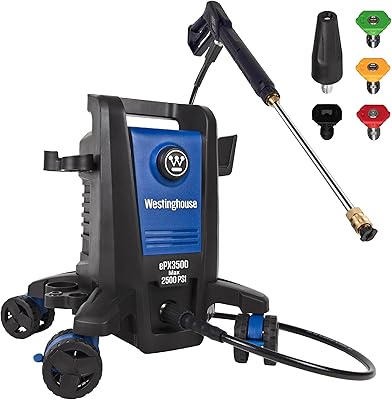
Head-to-Head
Pressure Washer vs Power Washer: Which One Do You Actually Need
The terms sound interchangeable, but power washers heat water while pressure washers don't—and that one difference determines which tool you need.
// KEY TAKEAWAYSWhat to know
- Power washers heat water before pressurizing it, while pressure washers use regular-temperature water—that is the only meaningful difference between the two.
- Power washers excel at removing oil, grease, and mold; pressure washers handle decks, patios, fences, and general cleaning across most residential surfaces.
- Professional pressure washing starts at $100, while power washing jobs start at $250 due to the added heating equipment and energy costs.
- A pressure washer between 2,000 and 3,000 PSI works for most home jobs, with higher ratings reserved for concrete and heavy-duty stain removal.
- Pressure washers are better for residential use because they deliver versatility, lower cost, and safer operation on common household surfaces.
Power washers heat up the water before sending it out in a pressurized stream, but pressure washers use cool or regular-temperature water. That single distinction drives every other difference between the two tools, from cost and maintenance to the surfaces each one cleans safely. Despite how often the terms are used interchangeably, knowing which machine matches your cleaning projects prevents wasted money and surface damage. Pressure washers are better for residential use, handling driveways, decks, fences, and siding without the complexity of a heating element. Power washers shine in commercial and industrial settings where grease, oil, and heavy grime demand the dissolving power of hot water. This comparison breaks down the pros and cons of each, names the winner for most buyers, and shows you exactly when the runner-up is worth the upgrade.
What a Pressure Washer Does and Where It Works Best
Key takeaway - Pressure washers use cold, high-pressure water to clean most residential surfaces safely and affordably, with 2,000 to 3,000 PSI covering decks, driveways, and siding.
Pressure washers rely on high-pressure water to remove dirt, grime and debris from exterior surfaces, using mechanical force rather than heat to blast away buildup. You can use one to deep clean a wooden fence, spray down your vinyl siding, or clear out your gutters, making them the most versatile choice for homeowners. Pressure washing is an effective, affordable option for cleaning wood, vinyl siding, driveways, and sidewalks, and cold water reduces the risk of warping or heat damage on delicate materials. A pressure washer with a PSI between 2,000 and 3,000 will work for most home jobs, delivering enough force to remove dirt, mildew, and algae without stripping paint or gouging wood. Models below 2,000 PSI suit lighter tasks like rinsing patio furniture, while pressure washers with a PSI of up to 4,000 work for residential use on incredibly durable surfaces such as concrete patios or thick metal. For most homeowners, the best pressure washers we ranked fall in the 2,000 to 3,000 PSI range, balancing cleaning power with surface safety across common outdoor projects.
What a Power Washer Does and When Heat Becomes Essential
Key takeaway - Power washers use heated water to dissolve grease and oil on hard surfaces, but they cost three times more and require maintenance that most homeowners never need.
A power washer makes use of extremely hot water instead of warm, combining temperature and pressure to dissolve substances that cold water cannot penetrate. The advantage of a power washer's heated water is felt most clearly in tough to clean spaces with serious grime, especially mildew, salt and grease, where the thermal energy breaks molecular bonds faster than mechanical force alone. Power washers are best suited for cleaning very hard surfaces like concrete and cement and removing tough stains or tacked-on grime, particularly in commercial garages, industrial yards, and food-service areas. Hot water and high water pressure enable the equipment to tackle more challenging cleaning tasks where hot water is necessary to break down stubborn substances like grease and heavy-duty grime, making power washers indispensable for automotive shops and manufacturing facilities. The heating element adds weight, complexity, and cost: hot-water pressure washers can cost an average of three times as much as cold-water systems, and they require regular maintenance on burner assemblies and coils. For residential buyers, power washers deliver diminishing returns unless you routinely clean oil-stained garage floors or commercial equipment.
Pressure Washer Pros: Versatility, Lower Cost, and Ease of Use
Key takeaway - Pressure washers cost less, need minimal maintenance, and clean safely across wood, vinyl, and painted surfaces, with detergent injectors adding grease-cutting power when needed.
Pressure washers deliver broad surface compatibility without the risk of heat damage, making them the safer default for wood decks, painted siding, and plastic fixtures. Cold water is gentler on surfaces such as wood decks, plastic siding, and vehicle surfaces that can become distorted when exposed to heated water, preserving finishes and preventing warping. Cold water pressure washers cost $100 to $1,000, significantly less than hot-water models, and electric versions eliminate fuel, oil changes, and engine upkeep. Cold water washers don't require too much maintenance aside from general cleaning, reducing downtime and long-term ownership costs. Adding a detergent solution through a chemical injector system can boost your pressure washer's capabilities without the complications of hot water, giving you grease-cutting power when needed without permanent heating hardware. Most residential cleaning tasks involve dirt, mildew, pollen, and organic stains that pressure alone removes effectively, making the added complexity of a power washer unnecessary for typical homeowner projects.
Power Washer Pros: Speed, Sanitization, and Heavy-Duty Cleaning
Key takeaway - Power washers clean faster, sanitize surfaces, and dissolve oil and grease that cold water cannot, making them essential for commercial and industrial heavy-duty tasks.
Whatever cold water cleans, hot water will clean better and faster, cutting job times nearly in half on surfaces covered in oil, grease, or industrial residue. Hot water pressure washers can clear away grease, oils, and grime, giving heated pressure washers more capabilities than a simple cold water unit, and the thermal energy reduces the amount of detergent required for equivalent results. Hot water pressure washers can sanitize surfaces and reliably kill both viruses and bacteria, making them the preferred choice in food-processing plants, healthcare facilities, and restaurant kitchens where hygiene standards demand more than visible cleanliness. The combination of hot water temperature and high pressure makes the power washer an excellent solution when it comes to removing all those stubbornly stuck materials from surfaces, including baked-on carbon, petroleum-based stains, and salt buildup. These washers are also generally a better option in cold-weather climates where water lines have the potential to freeze, providing operational reliability in sub-zero conditions. For commercial operators cleaning multiple pieces of heavy equipment daily, the speed advantage and reduced chemical costs justify the higher upfront investment.
Pressure Washer Cons: Limited Effectiveness Against Oil and Grease
Key takeaway - Pressure washers struggle with oil and grease, requiring more detergent and longer cleaning times on petroleum-based stains that hot water dissolves instantly.
If the surface you are cleaning is mixed with oil or grease, a cold water pressure washer won't clean as well as a hot water pressure washer, leaving residues that require repeated passes or chemical pre-treatment. Cold water lacks the molecular energy to break down hydrocarbon bonds, so petroleum-based stains, automotive fluids, and cooking oils resist mechanical force alone. Cold water handles dirt and mud without risking heat damage to surfaces, but it cannot match the dissolving speed of heated water on industrial grime, forcing operators to spend more time on each square foot. Adding detergent helps, yet less detergent is needed with hot water, meaning cold-water users consume more chemicals over time to achieve comparable degreasing. For residential buyers who never encounter oil-soaked concrete or grease-coated equipment, this limitation remains theoretical—dirt, mildew, and organic stains respond perfectly well to cold, high-pressure water. The trade-off only matters when your cleaning tasks regularly involve automotive shops, commercial kitchens, or heavy machinery maintenance.
Power Washer Cons: Higher Cost, Maintenance, and Surface Risks
Key takeaway - Power washers cost three times more, need annual burner maintenance, and risk warping wood and aluminum, making them impractical for mixed-surface residential cleaning.
Hot water models start at $1,000, triple the entry price of cold-water pressure washers, and indirect costs of continuously heating water throughout the operation necessitate additional mechanical components and higher fuel costs. Hot water pressure washers require more preventive maintenance, such as the burner assembly, coil and redundant excess-pressure protection, all of which need annual tune-ups, adding downtime and service expenses that cold-water models avoid. Hot water helps break down stubborn dirt and grime, but it's too harsh for many surfaces like wood and aluminum, limiting versatility and forcing operators to switch machines or risk warping and discoloration. Using heated, pressurized water can also damage the surface you're trying to clean, particularly on painted finishes, vinyl siding, and composite decking that expand or blister under thermal stress. For homeowners who clean a variety of surfaces—decks, fences, siding, patio furniture—the power washer's heat becomes a liability rather than an asset, requiring constant vigilance to avoid accidental damage.
The Winner: Pressure Washers Deliver the Best Value for Most Buyers
Key takeaway - Pressure washers win for residential buyers because they clean all common surfaces safely at one-third the cost, with power washers reserved for commercial grease-heavy tasks.
Pressure washers are better for residential use because they handle the full spectrum of common outdoor cleaning tasks safely, affordably, and with minimal maintenance. A pressure washer between 2,000 and 3,000 PSI works for most home jobs, removing dirt, mildew, algae, and organic stains from driveways, decks, fences, siding, and patio furniture without the complexity or cost of a heating element. Pressure washing starts at $100 for professional service, while power washing jobs start at $250, and ownership costs follow the same ratio—cold-water models cost less to buy, operate, and maintain over their lifespan. Unless your cleaning routine regularly involves oil-stained garage floors, automotive equipment, or commercial kitchen surfaces, the power washer's heat advantage never justifies the three-fold price premium and surface-damage risk. For the minority who do face grease-heavy tasks weekly, power washers pay for themselves in time savings and reduced detergent consumption, but that scenario describes commercial operators rather than typical homeowners. Pressure washers win for versatility, safety, and cost-effectiveness across the residential cleaning projects most buyers actually perform.
The takeaway
Pressure washers deliver the best balance of cleaning power, surface safety, and affordability for homeowners tackling driveways, decks, fences, and siding. Power washers justify their higher cost and maintenance only when your cleaning tasks regularly involve oil, grease, or industrial grime on heat-resistant surfaces like concrete and steel. For residential buyers, the best pressure washers we ranked cover every common outdoor project without the complexity of a heating element. Commercial operators in automotive, food-service, or manufacturing environments should still consider power washers for the speed advantage and sanitization capability hot water provides. Choose based on your most frequent cleaning task: if it involves grease, heat wins; if it involves dirt, pressure alone handles the job faster and cheaper.
the best pressure washers we ranked
Read the ranking →// FREQUENTLY ASKEDQuick answers
- Are pressure washers and power washers the same thing?
- Power washers heat up the water before sending it out in a pressurized stream, but pressure washers use cool or regular-temperature water. That is the only functional difference. Both use high-pressure streams to clean surfaces, but the addition of heat changes which stains dissolve effectively and which surfaces you can clean safely.
- Can a pressure washer remove oil stains from a driveway?
- If the surface you are cleaning is mixed with oil or grease, a cold water pressure washer won't clean as well as a hot water pressure washer. Pressure washers can remove light oil stains with detergent pre-treatment and repeated passes, but heavy petroleum-based stains require the dissolving power of heated water that only a power washer provides.
- How much does a pressure washer cost compared to a power washer?
- Cold water pressure washers cost $100 to $1,000, while hot water models start at $1,000. Hot-water pressure washers can cost an average of three times as much as cold-water systems, and ongoing fuel and maintenance expenses widen the gap over time. For residential buyers, the cost difference rarely justifies the limited scenarios where heat becomes necessary.
- What PSI pressure washer do I need for my driveway and deck?
- A pressure washer with a PSI between 2,000 and 3,000 will work for most home jobs, including concrete driveways and wood decks. A PSI range between 2,500 and 3,000 is ideal for effectively removing oil stains, tire marks, and dirt from your driveway, while a PSI range between 1,500 and 2,500 is suitable for decks, removing dirt, algae, and mildew while protecting the deck's surface.
- Can I use a power washer on wood or vinyl siding?
- Hot water helps break down stubborn dirt and grime, but it's too harsh for many surfaces like wood and aluminum. Cold water is gentler on surfaces such as wood decks, plastic siding, and vehicle surfaces that can become distorted when exposed to heated water. Power washers risk warping, blistering, and discoloration on these materials, making pressure washers the safer choice for residential exteriors.
- Do power washers sanitize surfaces better than pressure washers?
- Hot water pressure washers can sanitize surfaces and reliably kill both viruses and bacteria, making them the preferred tool in food-processing plants, healthcare facilities, and restaurant kitchens. Pressure washers remove visible dirt and organic matter effectively but lack the thermal energy to achieve true sanitization without chemical disinfectants.
- Which one requires less maintenance over time?
- Cold water washers don't require too much maintenance aside from general cleaning, while hot water pressure washers require more preventive maintenance, such as the burner assembly, coil and redundant excess-pressure protection, all of which need annual tune-ups. Pressure washers win decisively on long-term ownership simplicity and lower service costs.
- Is a power washer worth it for residential cleaning?
- Pressure washers are better for residential use because homeowners rarely encounter the oil-heavy, grease-coated surfaces that justify a power washer's cost and complexity. Unless you operate an automotive shop or clean commercial kitchen equipment weekly, a cold-water pressure washer handles every typical outdoor project more safely and affordably.