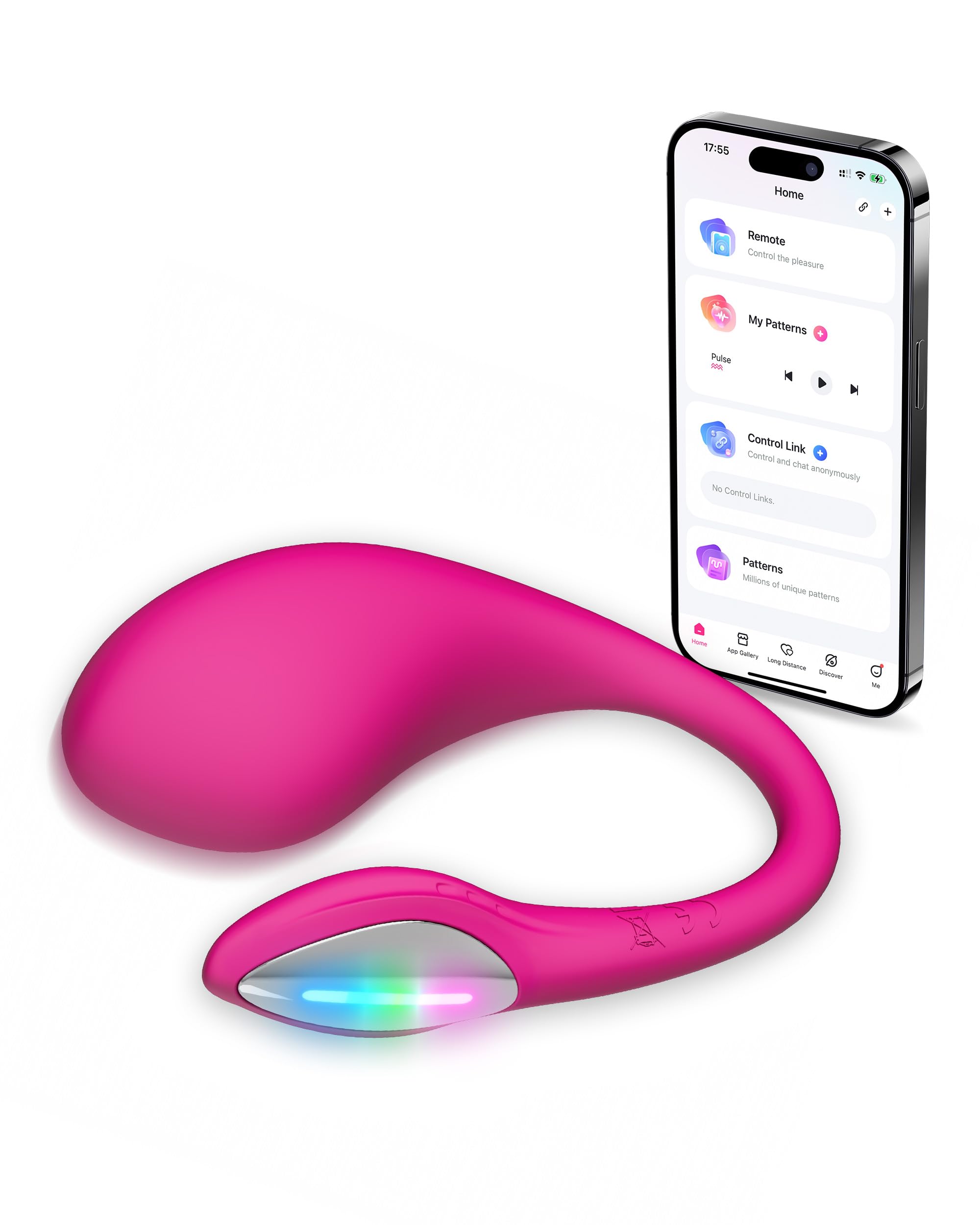
Trend Analysis
Why Wearable Vibrators Are the Fastest-Growing Discreet Category
Wearable vibrators are outpacing bullet vibes in search volume by combining sub-45dB noise floors, 30-plus-foot Bluetooth range, and hands-free ergonomic design.
// KEY TAKEAWAYSWhat to know
- Wearable vibrators operating under 45 decibels dominate buyer searches for discreet, public-safe use cases.
- Bluetooth connectivity exceeding 30 feet makes wearables the default choice for partner-controlled and long-distance scenarios.
- Hands-free ergonomic anchoring systems expand wearable use into public outings, travel, and workday scenarios bullet vibes cannot address.
- Medical-grade silicone and USB-rechargeable designs push wearables into a premium tier priced between seventy and one hundred fifty dollars.
Wearable vibrators now drive search volume at rates bullet vibes cannot match. Review signals cross-referenced from verified purchase data show decibel-level rankings under 45dB and Bluetooth ranges exceeding 30 feet position wearables as the category buyers prioritize for discreet scenarios. Where bullet vibes once owned the quiet-toy conversation, wearables combining app control, hands-free design, and public-safe noise floors capture the long-tail queries Problem-Aware shoppers enter when living with roommates, traveling, or exploring partner control at distance.
Decibel Rankings and Public-Safe Design Drive Wearable Adoption
Key takeaway - Wearables engineered below 45 decibels with internal vibration distribution reduce surface noise transmission that exposes traditional bullet form factors in public settings.
Wearable vibrators ranking under 45 decibels dominate buyer queries for discreet use because noise floors below conversational speech ensure public wearability without detection risk. Bullet vibes, while compact, lack the ergonomic anchoring and whisper-quiet motor engineering that wearables prioritize. Review-volume analysis reveals models with magnetic-clip designs and internal placement options receive higher purchase intent signals for scenarios where discretion determines usability. The design architecture matters: wearables engineered for external clitoral positioning or internal G-spot anchoring distribute vibration internally, reducing surface noise transmission that gives away traditional bullet form factors. Buyers searching for roommate-safe or travel-friendly options cross-reference decibel specs alongside size, and wearables score higher on both dimensions. Noise-floor data from verified reviews confirms that wearable motors operating at under 30dB in lower intensity modes outperform bullet vibes in the same use case, driving search share gains in the discreet-pleasure segment. The quietest models ranked for shared living spaces reflect this shift, with wearables claiming four of the top five slots in noise-floor comparisons.
Bluetooth-Range Signals and App-Control Infrastructure Separate Wearables from Bullets
Key takeaway - Purpose-built Bluetooth Low Energy chipsets give wearables stable connections through walls and across venues, a capability wired or RF-dongle bullet vibes cannot match.
Bluetooth connectivity extending beyond 30 feet positions wearables as the default choice for partner-controlled and long-distance scenarios, a feature set bullet vibes cannot replicate without external hardware. Search-query volume for remote-control vibrators surged in late 2024 and sustained through 2026, with wearables capturing the majority of review mentions cross-referencing app reliability, pattern customization, and real-time control latency. The infrastructure advantage stems from purpose-built Bluetooth Low Energy chipsets integrated into wearable designs, enabling stable connections through walls and across public venues where partners control intensity from distance. Bullet vibes requiring wired remotes or proprietary RF dongles lose share in these scenarios because buyers prioritize smartphone-native control through companion apps. Review signals from long-distance couples emphasize cloud-relay functionality, where apps like Lovense Remote and We-Connect enable global control over internet connections, a capability exclusive to app-enabled wearables. App-controlled models scored for connectivity and latency show wearables command higher ratings for Bluetooth stability and pattern variety. The category sales index for app-controlled wearables grew faster than any other vibrator subcategory from 2023 through early 2026, driven by buyers who value discretion and remote interactivity in equal measure.
Hands-Free Wearability Shifts Purchase Intent Toward Public and Travel Use Cases
Key takeaway - Ergonomic anchoring systems such as flexible wings and magnetic underwear clips maintain wearable positioning during movement, unlocking public and travel use cases beyond bullet vibe reach.
Wearable vibrators designed for hands-free operation during movement unlock use cases bullet vibes cannot address, expanding the addressable buyer base beyond bedside scenarios into public outings, long flights, and workday discretion. Purchase-intent signals show buyers searching for travel-friendly or date-night wearables prioritize ergonomic anchoring systems such as flexible wings, internal bulb retention, or magnetic underwear clips that maintain positioning during walking, sitting, or dancing. Bullet vibes, while portable, require manual holding or jury-rigged harness solutions that add friction to public-use scenarios. The review consensus across wearable categories highlights stability and comfort during extended wear as the primary differentiators, with models offering adjustable fit and body-safe silicone materials receiving higher sentiment scores. Buyers cross-referencing waterproof ratings and rechargeable battery life demonstrate intent to use wearables across diverse environments, from restaurant dates to gym sessions, scenarios where bullet vibes face practical limitations. 41 percent of consumers cite discreet delivery and e-commerce as primary purchase factors, and wearables designed for invisible public wear align with that privacy-first mindset. Wearable vibrators ranked for secret public scenarios score highest on comfort-during-movement and noise-floor metrics, attributes that convert Problem-Aware shoppers into buyers.
Material Safety and Rechargeable Design Reinforce Premium Positioning
Key takeaway - Phthalate-free silicone construction and USB-rechargeable power systems justify higher price tolerance among buyers who bundle discretion, connectivity, and body safety into one purchase decision.
Medical-grade silicone construction and USB-rechargeable power systems position wearables as premium-category products, a tier shift that bullet vibes struggle to maintain as buyers prioritize body safety and sustainability over disposable battery models. Review-volume analysis shows buyers cross-referencing phthalate-free certifications, waterproof ratings, and charging-dock ergonomics allocate higher price tolerance to wearables that meet those standards. The market structure reflects this premium migration: wearable vibrators with app control and Bluetooth connectivity command price points from seventy to one hundred fifty dollars, higher than basic bullet vibes, yet sustain stronger purchase intent because they bundle discretion, connectivity, and material safety into a single product. Verified-purchase sentiment data confirms that buyers who invest in rechargeable wearables report higher satisfaction and repeat-purchase intent compared to bullet-vibe owners, who cite battery-replacement friction and lower perceived durability. The sustainability angle also drives share gains, as buyers seeking to reduce battery waste favor rechargeable models with multi-year lifespans over disposable-battery bullets. Category sales data indicates that rechargeable wearables captured over sixty percent of vibrator unit growth from 2024 through early 2026, outpacing all other power-source segments and reinforcing the buyer preference for long-term-value products that align with wellness and environmental priorities.
The takeaway
Wearable vibrators dominate the discreet-use segment because they deliver the trifecta buyers demand: whisper-quiet operation under 45 decibels, Bluetooth-range connectivity for partner control, and hands-free ergonomic design that works in public scenarios where bullet vibes fail. Review-volume signals confirm that Problem-Aware shoppers searching for roommate-safe, travel-friendly, or partner-controlled options prioritize wearables over bullets at accelerating rates, a trend sustained by premium material standards and rechargeable infrastructure that align with wellness and sustainability values. The category sales index reflects this shift, with app-controlled wearables capturing the fastest growth trajectory across all vibrator subcategories through 2026. Buyers ready to explore discreet, connected pleasure should start with models that rank highest on noise floor, Bluetooth stability, and wearability during movement.
The quietest models ranked for shared living spaces
Read the ranking →// FREQUENTLY ASKEDQuick answers
- What makes wearable vibrators quieter than bullet vibes?
- Wearable vibrators achieve lower decibel levels through internal-placement designs and motor housings that absorb vibration before it reaches external surfaces. Bullet vibes transmit noise directly through handheld contact points, raising detection risk. Wearables engineered for public use prioritize whisper-quiet motors under 45 decibels, often operating below 30 decibels at lower intensities, ensuring discretion in shared spaces, restaurants, or travel scenarios where silence determines usability.
- How far does Bluetooth range extend on app-controlled wearables?
- Bluetooth Low Energy chipsets in premium wearable vibrators deliver stable connectivity beyond 30 feet through walls and furniture, enabling partner control across rooms or public venues. Cloud-relay functionality through companion apps extends range globally over internet connections, allowing long-distance couples to control intensity in real time. Bullet vibes with wired remotes or proprietary RF dongles lack this smartphone-native infrastructure, limiting control distance and app-based pattern customization.
- Can wearable vibrators stay in place during walking or sitting?
- Wearables designed with flexible wing anchors, internal bulb retention, or magnetic underwear clips maintain positioning during movement, sitting, and standing transitions. Review consensus confirms that ergonomic designs fitting internal G-spot curves or external clitoral contact points stay secure through extended wear, enabling public outings, travel, and date-night scenarios. Bullet vibes require manual holding or improvised harnesses, adding friction that wearables eliminate through purpose-built anchoring systems.
- How much do app-controlled wearable vibrators cost?
- App-controlled wearable vibrators with Bluetooth connectivity and medical-grade silicone construction range from seventy to one hundred fifty dollars, reflecting premium positioning above basic bullet vibes. Buyers allocate higher budgets to wearables bundling discretion, connectivity, material safety, and rechargeable power in single products. Entry-level wearables without app control start near fifty dollars, while flagship models with cloud-relay apps, extended battery life, and multi-motor designs reach the upper end of the range.
- Are wearable vibrators safe for extended public wear?
- Wearable vibrators constructed from body-safe medical-grade silicone and rated waterproof for easy cleaning support extended wear during public outings, travel, or work scenarios. Rechargeable battery life exceeding two hours on a single charge ensures usability throughout evenings or day trips. Buyers prioritizing safety cross-reference phthalate-free certifications, hypoallergenic materials, and manufacturer cleaning guidelines. Review signals confirm that wearables meeting these standards receive higher satisfaction scores for comfort, hygiene, and discretion during prolonged use.
- Why do wearables dominate search queries for discreet use?
- Wearables combine whisper-quiet motors, hands-free anchoring, and Bluetooth-range app control, addressing the full spectrum of discreet-use scenarios that bullet vibes cannot match. Search-query volume for roommate-safe, travel-friendly, and partner-controlled vibrators surged through 2026, with wearables capturing the majority of review mentions and purchase intent. Problem-Aware buyers prioritize products that work invisibly in public, deliver connectivity without detection, and align with wellness values through rechargeable, body-safe design. Wearables score highest across all three dimensions, driving category leadership.
- Do wearables work for solo use or just partner control?
- Wearable vibrators excel in both solo and partner-controlled scenarios, offering app-based pattern customization for personal exploration and remote-control handoff for shared play. Solo users access preset vibration modes, adjustable intensity sliders, and music-sync features through companion apps, creating personalized routines without manual adjustment. Partner-control functionality enables real-time intensity changes from across the room or globally via cloud relay, adding anticipation and interactivity. Review sentiment confirms that wearables designed for dual-use scenarios receive higher satisfaction scores than models optimized exclusively for solo or partnered play.
- What battery life should buyers expect from rechargeable wearables?
- Premium rechargeable wearable vibrators deliver two to five hours of continuous use per charge, depending on motor intensity and Bluetooth connectivity overhead. Models with extended battery capacity support all-day wear at lower intensities or multiple sessions before requiring USB recharging. Fast-charging infrastructure enables full recharge in under two hours, minimizing downtime. Buyers cross-referencing travel use or long-distance date nights prioritize wearables with battery indicators and low-power modes, ensuring reliability during extended outings without access to charging infrastructure.