BenQ
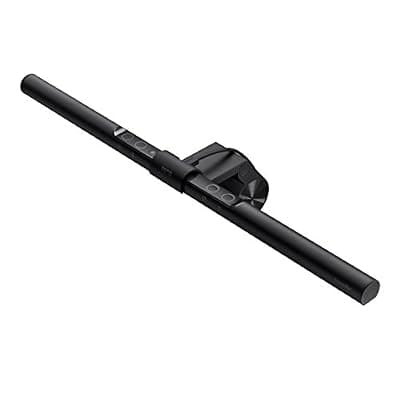
BenQ ScreenBar LED Monitor Light Bar
Explore BenQ ScreenBar LED Monitor Light Bar, including its pros and cons, and how it compares with other office & productivity options. It is rated 4.7 out of 5 from 2,943 ratings on Amazon, as of November 11, 2026.
Check PriceHonorable mention rank reflects exceptional quality scores in niche lighting category but lower universal demand compared to broader productivity tools.
- +Asymmetric light design eliminates screen glare while providing even desk illumination
- +Auto-dimming sensor adjusts brightness dynamically based on ambient conditions
- +Clip-on installation frees desk surface area compared to traditional lamps
- +Adjustable color temperature supports both task focus and reduced eye strain
- −One-hundred-nine-dollar price creates friction for buyers viewing task lighting as commodity
- −Compatibility limited to monitors with flat top edges and sufficient clearance
- −USB power requirement may consume valuable port when monitor lacks powered USB hub
In the ranking
The BenQ ScreenBar claims honorable mention status by addressing a niche productivity factor—workspace lighting—that traditional office product rankings often overlook, while achieving exceptional scores in quality and innovation dimensions. This USB-powered LED bar clips onto the top edge of monitors without tools or adhesives, casting asymmetric light downward onto the desk surface while avoiding screen glare through carefully engineered beam geometry. The bar's auto-dimming feature uses an ambient light sensor to adjust brightness dynamically, while manual controls allow temperature adjustment from cool to warm tones. Review consensus highlights the zero-footprint design as a key advantage over traditional desk lamps, freeing up valuable surface area while providing more even illumination across keyboards and documents. Quality scores reflect the aluminum housing, USB-A power compatibility with most monitors, and the lack of flicker or hum reported in cheaper LED alternatives. The product's scoring limitation is narrow applicability—it solves a specific problem exceptionally well but doesn't universally enhance productivity the way input devices or ergonomic equipment do. This bar is algorithmically ranked for users experiencing eye fatigue or working in suboptimal lighting, not for those in well-lit environments or preferring ambient light sources.