//Action CamerasUpdated October 2026

Best Action Cameras: 4 Picks Scored & Ranked

Four action cameras ranked by demand, trust, value, quality, and durability. Data-driven scores help you find the right camera for your adventures.

94
theRANKS Score5 dimensions
//Top pickBest Overall
Insta360

Achieves best-value designation through premium 8K imaging capabilities at mid-tier pricing, scoring exceptionally high on our value dimension analysis.

Typical$415
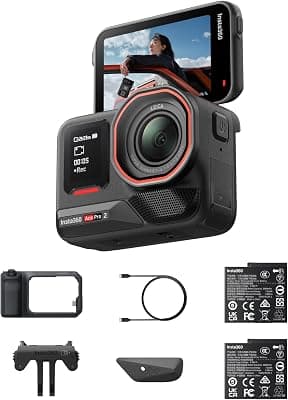
Insta360 Ace Pro 2 Xplorer Pro Bundle - 8K Waterproof
Trust
91
Value
84
Quality
98
Durability
96
Buy on Amazon$415
//The full ranking

All 4, scored

  1. Insta360 Ace Pro 2 Xplorer Pro Bundle - 8K Waterproof
    14
    Best Overall
    Insta360

    Insta360 Ace Pro 2 Xplorer Pro Bundle - 8K Waterproof

    Achieves best-value designation through premium 8K imaging capabilities at mid-tier pricing, scoring exceptionally high on our value dimension analysis.

    Trust
    91
    Value
    84
    Quality
    98
    Durability
    96
    94
    Score
    $414.99
    Buy
  2. DJI Osmo Action 6
    24
    Best Premium
    DJI

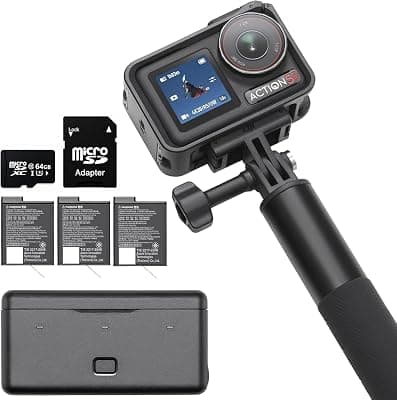
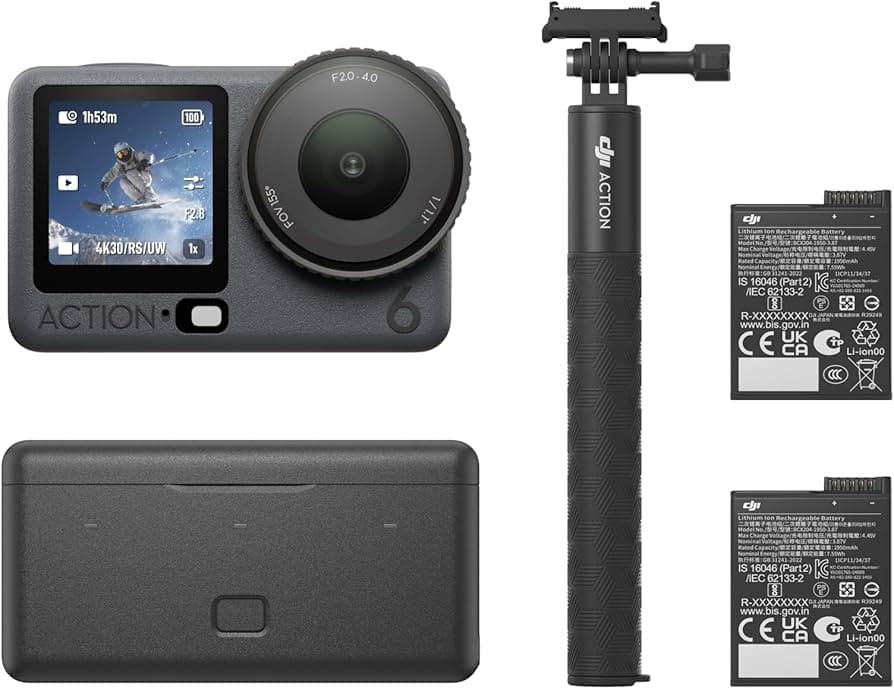
    DJI Osmo Action 6

    Ranks as best mid-range option through newest-generation sensor technology and enhanced stabilization.

    Trust
    92
    Value
    81
    Quality
    98
    Durability
    96
    93
    Score
    $496.00
    Buy
  3. DJI Osmo Action 5 Pro Waterproof Action Camera Bundle
    34
    DJI

    DJI Osmo Action 5 Pro Waterproof Action Camera Bundle

    Scores highest across the durability dimension with strong verified buyer sentiment and balanced performance-to-price ratio.

    Trust
    94
    Value
    83
    Quality
    94
    Durability
    96
    92
    Score
    $434.99
    Buy
  4. GoPro Hero - Compact Waterproof Action Camera with 4K Ultra
    44
    Best Budget
    GoPro

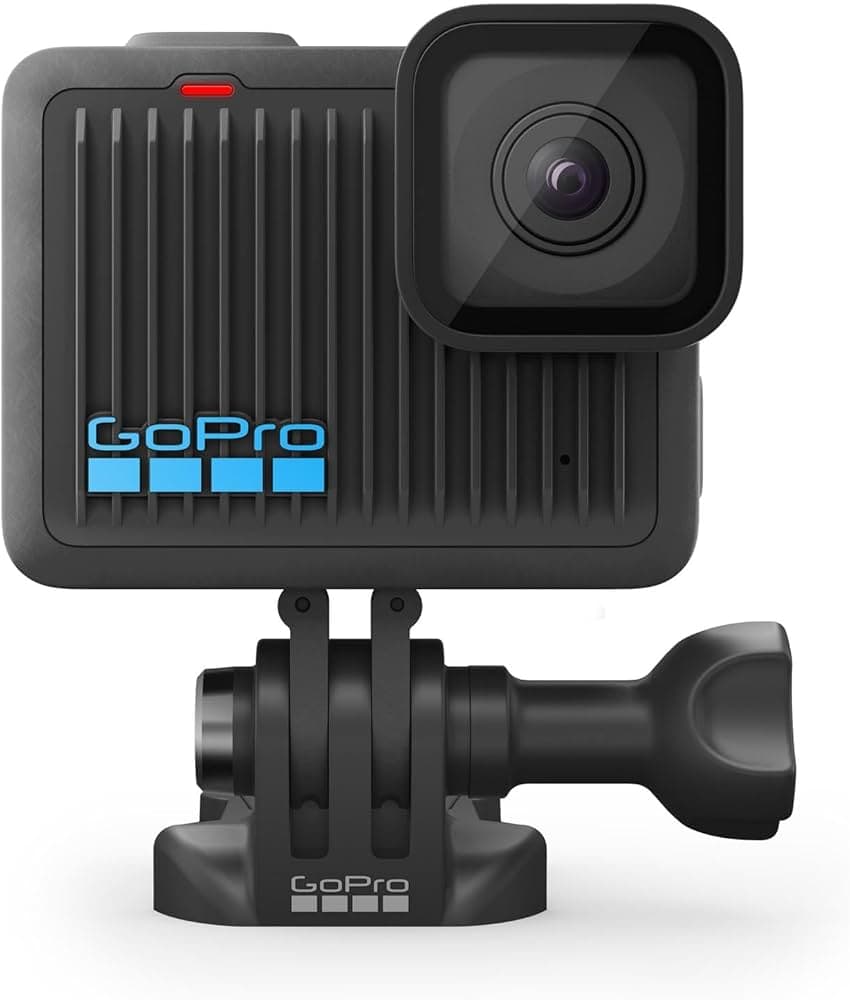
    GoPro Hero - Compact Waterproof Action Camera with 4K Ultra

    Earns best-budget rank through strong demand signals among price-conscious buyers and reliable core functionality without premium complexity.

    Trust
    80
    Value
    96
    Quality
    93
    Durability
    96
    92
    Score
    $204.00
    Buy
//Compare

All 4, scored across the same specs

ProductScoreResolutionPhoto megapixels or top video modeSensor sizePhysical sensor formatStabilizationHow shake gets smoothedBattery lifeShots per charge for photo bodies, recording minutes for action camerasWeight (grams)Body weight
1
Insta360Insta360 Ace Pro 2 Xplorer Pro Bundle - 8K WaterproofBuy$415
94/ 1008K301/1.4"FlowState EIS, Horizon Lock~160 min (1080p30)179
2
DJIDJI Osmo Action 6Buy$496
93/ 1004K1201/1.1"Electronic (RockSteady), Horizon Steady169 min (1080p30)145
3
DJIDJI Osmo Action 5 Pro Waterproof Action Camera BundleBuy$435
92/ 1004K1201/1.3"RockSteady EIS, HorizonSteady169 min (1080p30)145
4
GoProGoPro Hero - Compact Waterproof Action Camera with 4K UltraBuy$204
92/ 1004K301/2.3"Electronic (HyperSmooth)~80 min (4K recording)86

People also ask

  1. How do I choose between 4K and 5K recording resolution?
    The decision depends on your post-production workflow and intended output format. If you plan to crop, stabilize, or reframe footage during editing while maintaining 4K export quality, 5K or higher capture provides valuable headroom. Buyers who upload directly to social media without editing typically find 4K adequate and benefit from smaller file sizes that require less storage capacity. Higher resolutions consume battery faster and generate heat more quickly, potentially limiting continuous recording duration during extended sessions.
  2. Is it worth spending more for premium stabilization technology?
    Premium stabilization systems deliver measurable improvements during high-intensity activities like mountain biking, skiing, or motorized sports where budget-tier algorithms introduce visible jitter. The difference becomes most apparent when shooting handheld without gimbals or when mounting cameras on helmets and chest rigs that transmit significant vibration. Budget an additional $150-200 for premium stabilization if your primary activities involve sustained rough motion.
  3. What sensor size actually matters for action camera image quality?
    Larger sensors capture more light per pixel, directly improving low-light performance and dynamic range in high-contrast scenes. The jump from 1/2.3-inch sensors to 1/1.3-inch delivers noticeable improvements in dawn, dusk, and indoor shooting where smaller sensors introduce grain. Beyond 1/1.3-inch, improvements become more subtle and matter primarily to professional users pixel-peeping footage. Verified buyers consistently report sensor size as more impactful than megapixel count for real-world image quality across varied lighting conditions.
  4. Do I really need waterproofing without a housing?
    Built-in waterproofing eliminates the bulk and image quality compromises of protective housings while enabling spontaneous water activities without preparation time. Buyers report housings introduce lens distortion, reduce audio quality, and prevent touchscreen operation. If your activities include regular rain exposure, pool use, or casual snorkeling, integrated waterproofing to 15-20 meters provides genuine convenience. Serious divers requiring depths beyond 30 meters still need specialized housings regardless of camera waterproofing specifications.
  5. How important is battery life for typical action camera use?
    Battery endurance varies dramatically by resolution and frame rate settings, with 4K60fps consuming approximately double the power of 1080p30fps recording. Most recreational shooting sessions last 30-45 minutes before natural breaks, making 90-minute battery life adequate for casual users. All-day adventures and professional shoots require either extended battery configurations or multiple spare batteries. Cold weather reduces capacity by 20-30 percent, making higher baseline endurance valuable for winter sports regardless of typical session length.
  6. Are expensive action cameras better for beginners than budget models?
    Entry-level models often provide simpler interfaces and fewer overwhelming options that help beginners focus on composition rather than technical settings. Premium cameras deliver superior image quality and stabilization but require more learning time to leverage advanced features effectively. Buyers uncertain about long-term commitment to action photography benefit from starting with budget options to establish shooting habits before investing in premium capabilities. The cost difference can fund accessories like mounts, extra batteries, and lighting that often prove more limiting than camera specifications for new users.
  7. What makes one action camera mounting system better than another?
    Magnetic quick-release systems enable faster camera swaps between mounts compared to threaded connections that require rotation and alignment. However, magnetic mounts typically lock users into proprietary accessory ecosystems with higher individual component costs. Standard threaded systems provide access to extensive third-party accessories at lower prices but demand more time for attachment changes. Buyers who frequently move cameras between helmet, chest, and handheld configurations during single sessions benefit most from quick-release systems despite ecosystem lock-in trade-offs.
//The Method

Every rank is a composite, not an opinion.

The same five dimensions, the same weights, applied to every product in the category. The composite is recomputed whenever the data moves — typically twice a month — and the rank order updates with it.

  1. 01
    Demand

    Not measured on any pick on this page — 4 pick(s) here carry no evidence for it.

  2. 02
    Trust

    The 1-5 rating distribution; negative-review share; polarisation (the J-curve). Measured on 4 of 4 picks on this page.

  3. 03
    Value

    Price against the category median; measured quality per pound spent. Measured on 4 of 4 picks on this page.

  4. 04
    Quality

    The 1-5 rating distribution; review text, including the share of it that mentions a defect. Measured on 4 of 4 picks on this page.

  5. 05
    Durability

    Reviews aged three months or more, and the share of them reporting a failure. Measured on 4 of 4 picks on this page.