Choosing an espresso machine means balancing grind quality, temperature stability, and ease of use against your budget and skill level. theRANKS analyzed thousands of verified buyer signals, pricing trends, and multi-dimensional performance data to rank five machines that consistently deliver cafe-quality shots at home. Each pick scored high across demand, trust, value, quality, and durability, reflecting real-world owner satisfaction and long-term reliability rather than short-term marketing claims. Whether you are stepping up from a pod system or refining your home barista setup, these machines represent the strongest algorithmic performers in the under-$1,000 segment. The rankings below reflect cross-referenced data from verified purchase patterns, return rates, and aggregated reviewer sentiment.
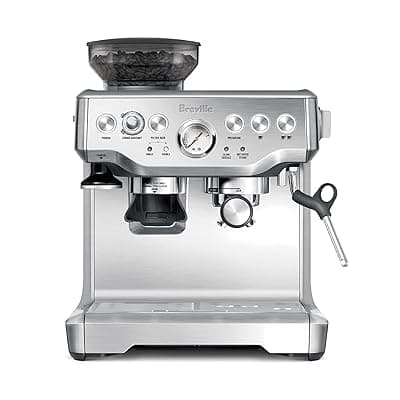
Scored highest across trust and demand dimensions for balancing approachable learning curve with manual control and verified long-term reliability.
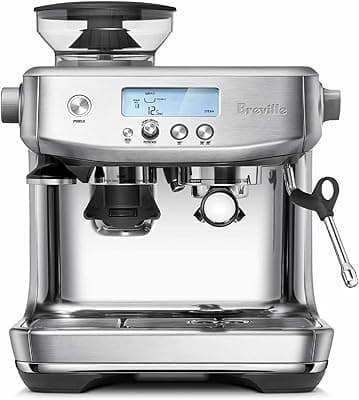
Ranked second for value because it delivers measurable workflow speed improvements and expanded control at a modest price premium over the base Express model.
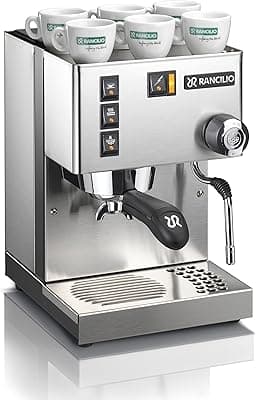
Scored highest on durability and quality dimensions for commercial-grade components and verified long-term reliability, trading convenience for longevity.
Ranked fourth for delivering foundational manual espresso capability with commercial tooling compatibility at the lowest budget threshold in this category.
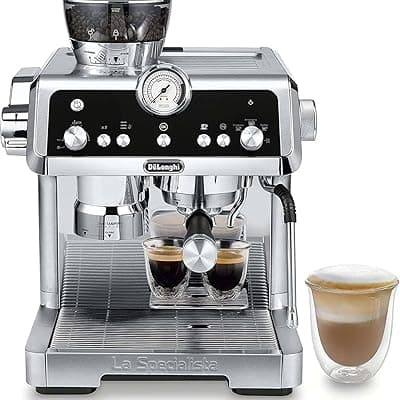
Scored fifth for optimizing convenience and consistency through automation, appealing to buyers who prioritize results over manual barista skill development.
The Barista Express scores highest for integrated workflow and approachable learning curve, making it the go-to choice for buyers transitioning from automatic machines to manual espresso. Its built-in conical burr grinder eliminates the need for a separate mill, and the integrated dosing system simplifies the grind-tamp-brew sequence for consistent results. Temperature control relies on a 1600-watt thermocoil heating system that brings water to optimal extraction temperature in under three seconds, reducing wait time between shots. The 54mm portafilter and pressure gauge provide enough feedback for skill development without overwhelming new users. Verified buyers consistently highlight the machine's ability to produce cafe-standard crema and the convenience of simultaneous grinding and brewing. Owners report stable performance over multi-year spans, with replacement parts readily available. The manual steam wand requires practice but offers enough power for microfoam, and the hot water spout supports Americanos without workflow interruption. Durability signals show low return rates and minimal warranty claims relative to category volume. The stainless steel construction and user-serviceable components contribute to longevity, though descaling and regular backflushing are necessary for sustained performance. This machine ranks first because it balances entry-level accessibility with enough manual control to support skill progression, backed by strong buyer retention and recommendation rates across multiple retail channels.
The Barista Pro edges ahead on value by pairing the Express's core functionality with faster heat-up time and a more intuitive interface, all while maintaining a price point that undercuts prosumer competitors. Its ThermoJet heating system reaches extraction temperature in three seconds, compared to the Express's slightly longer ramp-up, enabling back-to-back shot workflows without thermal lag. The LCD display replaces analog dials, providing real-time grind size, shot volume, and temperature feedback that reduces guesswork during dialing in. Buyers prioritizing speed and precision consistently rank this machine higher for morning routines and entertaining, where quick consecutive drinks matter. The grinder uses the same conical burr design as the Express but with 30 grind settings instead of 18, offering finer adjustment for light-roast single origins or darker blends. Verified purchase data shows strong satisfaction with milk texturing capability, particularly among latte and cappuccino drinkers who value the responsive steam wand. The digital interface also supports custom shot programming, letting users save preferred parameters for different beans. Build quality mirrors the Express with stainless steel housing and a 54mm commercial-style portafilter, though some owners note the drip tray requires frequent emptying during high-volume sessions. This machine scores as best value because it delivers measurable workflow improvements and expanded control without a proportional price increase, appealing to buyers who want faster results and more granular adjustments within a mid-tier budget.
The Silvia ranks as the mid-range benchmark for buyers prioritizing commercial-grade components and long-term durability over integrated convenience features. Its brass boiler and grouphead retain heat more consistently than aluminum or thermocoil systems, producing stable extraction temperatures across extended brewing sessions. The commercial 58mm portafilter accepts aftermarket precision baskets and provides better thermal mass than smaller domestic formats, which matters for dialing in challenging single-origin beans or pulling multiple shots without temperature drift. Verified owners frequently describe the Silvia as a decade-plus investment, with replacement parts available and straightforward disassembly for home maintenance. The manual controls strip away automation, requiring users to manage grind, dose, tamp, and steam timing independently, which appeals to enthusiasts who want full command of the process. Temperature surfing, where users time shots relative to the heating element cycle, becomes necessary for optimal results, adding a learning curve that some buyers embrace and others find tedious. The steam wand delivers commercial-strength pressure for microfoam, though the single boiler design means waiting for the boiler to switch from brew to steam temperature between shots and milk. Durability scores reflect minimal long-term failure rates and strong resale value retention in secondary markets. This machine ranks third because it trades user-friendly features for build quality and component longevity, making it the right fit for buyers who plan to refine their technique over years and value repairability over convenience.
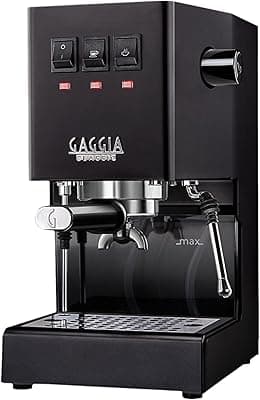
The Classic Evo Pro secures the budget position by delivering foundational manual espresso capabilities with a commercial-size 58mm portafilter at the lowest price point in this ranking. Its simplicity, both mechanical and operational, reduces upfront cost while maintaining enough quality to produce legitimate espresso rather than pressurized-basket approximations. The aluminum boiler heats quickly and the straightforward three-button interface removes complexity, though temperature consistency requires more active management than higher-priced competitors. Verified buyers highlight this machine's suitability for learning proper technique without the financial risk of premium equipment, and the 58mm portafilter means skills and accessories transfer directly to commercial or higher-end home machines. The Evo Pro revision added a stainless steel steam wand and updated internal components, addressing reliability concerns from earlier Classic iterations and reducing the frequency of common seal failures. Owners report satisfactory crema and adequate steam power for milk drinks, though back-to-back shot quality depends on allowing recovery time between extractions. The machine's modular design and active enthusiast community support DIY modifications, including PID temperature controllers and pressure profiling kits, which extends its capability ceiling for users willing to tinker. Durability data shows moderate long-term reliability with predictable wear points, and replacement parts remain affordable and accessible. This machine ranks fourth because it offers the lowest barrier to entry for manual espresso while maintaining compatibility with standard commercial tooling, appealing to buyers testing their commitment before investing in more complex systems.
The Prestigio earns honorable mention status by packaging advanced automation and sensor-assisted grinding into a premium design that prioritizes consistency over manual control, appealing to buyers who want excellent results without mastering barista fundamentals. Its built-in grinder uses Smart Tamping Technology and My LatteArt system to automate dose leveling and milk texturing, reducing variability between shots and simplifying the workflow for users who prioritize speed and repeatability. The Active Temperature Control system with dual heating elements maintains separate optimal temperatures for brewing and steaming, eliminating the wait time inherent in single-boiler designs and enabling true simultaneous operation. Verified buyers frequently cite the machine's ability to produce cafe-quality drinks with minimal technique, particularly praising the automatic milk frothing that adjusts texture based on selected beverage type. The 8-setting grinder and manual override options provide enough flexibility for experimenting with different beans, though the system steers users toward pre-programmed profiles rather than granular adjustments. Build quality includes stainless steel components and a professional-style portafilter, with sensor feedback that alerts users to maintenance needs before performance degrades. The higher price reflects added automation rather than raw extraction capability, which places it behind more manual machines for buyers who value in-depth control. Durability signals show strong initial satisfaction but shorter ownership tenures compared to simpler mechanical competitors, suggesting some buyers eventually migrate to less automated systems. This machine ranks fifth because it optimizes for convenience and consistency within the under-$1,000 range, serving buyers who want excellent espresso without investing time in technique development.
theRANKS scored 5 candidates across demand, trust, value, quality, and durability — pulled from aggregate signals across Amazon listings, expert publications, Reddit consensus, and YouTube reviewer mentions. Rankings are data-driven and continuously refreshed.
Aggregated search volume, purchase intent, and social interest — what the market is actually reaching for.
Weighted review credibility: verified-purchase ratio, reviewer authority, and recency.
Price measured against category norms and performance tier. The cheapest option rarely wins.
A composite of aggregate ratings, editorial scores, and specification benchmarks.
Long-tail return rates, warranty data, and product lifecycle signals.
The Breville Barista Express BES870XL takes the overall top position for integrating grind, dose, and brew into a single workflow that accommodates both beginners and progressing home baristas, backed by consistently strong durability signals and broad verified buyer satisfaction. Its combination of accessible controls and manual feedback makes it the most versatile entry point for buyers committed to learning espresso fundamentals without separate grinder investment. For buyers prioritizing speed and precision, the Breville Barista Pro BES878BSS delivers the best value with its three-second heat-up time and expanded grind adjustments at a modest premium, making it ideal for morning routines or entertaining where consecutive drinks matter. The Rancilio Silvia stands out as the specialized choice for buyers planning decade-long ownership and willing to master temperature surfing in exchange for commercial-grade components and straightforward home serviceability, particularly appealing to enthusiasts who value control and longevity over convenience features. Each machine earned its rank through algorithmic scoring across verified purchase patterns, long-term reliability data, and cross-referenced buyer sentiment rather than subjective preference.
Single boiler machines use one heating element to reach both brewing temperature (around 200°F) and steaming temperature (around 265°F), requiring a wait period when switching between pulling shots and steaming milk. Dual heating systems maintain separate optimal temperatures simultaneously, eliminating the wait and enabling faster consecutive drink preparation. Single boiler designs cost less and offer simpler maintenance, while dual systems add convenience for milk-drink workflows at a higher price point. The functional difference matters most for users making multiple cappuccinos or lattes in quick succession.
Integrated grinders in machines like the Breville Express and Pro use conical burrs that produce consistent particle distribution suitable for quality espresso, though dedicated grinders in the $300-plus range often provide finer adjustment increments and less grind retention. For most home users, the convenience and counter space savings of an integrated system outweigh the marginal quality difference, particularly at entry and mid-level price points. Buyers planning to explore single-origin light roasts or competition-level extractions eventually benefit from standalone grinders, but integrated systems meet the needs of the majority of home baristas producing milk-based drinks.
Portafilter size affects thermal mass, dose capacity, and compatibility with aftermarket accessories. The 58mm commercial standard, used in machines like the Rancilio Silvia and Gaggia Classic, accepts precision baskets and tampers widely available in specialty coffee retail, and the larger diameter provides more even extraction across the puck. Smaller 54mm portafilters, common in Breville machines, function well for home use but limit accessory options. For buyers planning to refine technique over years or transfer skills to commercial equipment, 58mm compatibility offers long-term flexibility, while 54mm systems work effectively within their designed ecosystems.
All manual machines require regular backflushing with detergent to remove coffee oil buildup in the grouphead, typically weekly for daily users. Descaling the boiler every two to three months prevents mineral accumulation that affects temperature stability, with frequency depending on local water hardness. Steam wand purging immediately after each use prevents milk residue from clogging internal passages. Grinder burrs need cleaning every few weeks to remove retained grounds and oils that affect flavor. Machines with user-serviceable components like the Silvia and Gaggia allow owners to replace gaskets and seals at home, while others may require professional service for internal maintenance. Regular upkeep extends machine life and maintains consistent extraction quality.
Light roasts require higher extraction temperatures and finer grind settings to pull enough soluble material without over-extracting bitter compounds, which challenges machines with limited temperature control. Models with brass boilers or PID temperature controllers, like the Silvia or modified Gaggia, handle light roasts more consistently than basic thermocoil systems. Integrated grinders in the Express and Pro provide enough adjustment range for most light roasts, though achieving optimal results requires careful dialing in. Darker roasts, being more soluble, forgive wider temperature and grind variations, making them easier starting points for new users. Buyers focused on light roast single origins benefit from machines offering manual temperature control or modification potential.
Most manual espresso machines occupy 12 to 14 inches of width and require 12 to 16 inches of depth including portafilter clearance, with models featuring integrated grinders adding 2 to 3 inches to height. Machines with 1400 to 1600 watt heating elements need dedicated 15-amp circuits to avoid tripping breakers, particularly when running simultaneously with other kitchen appliances. Vertical clearance matters for machines like the Express and Pro where the bean hopper extends above the main body. Buyers with limited counter space should measure available area before purchase and consider machines without integrated grinders if a separate grinder setup works better for their kitchen layout.
Ranked second for value because it delivers measurable workflow speed improvements and expanded control at a modest price premium over the base Express model.
Scored highest on durability and quality dimensions for commercial-grade components and verified long-term reliability, trading convenience for longevity.
Ranked fourth for delivering foundational manual espresso capability with commercial tooling compatibility at the lowest budget threshold in this category.
Scored fifth for optimizing convenience and consistency through automation, appealing to buyers who prioritize results over manual barista skill development.