//Smart Irrigation SystemsUpdated October 2026

Best Smart Irrigation Systems: 5 Picks Scored & Ranked

Five smart irrigation controllers ranked by demand, trust, value, quality & durability. Data-driven picks from Rachio, Orbit, and more.

91
theRANKS Score5 dimensions
//Top pickBest Overall
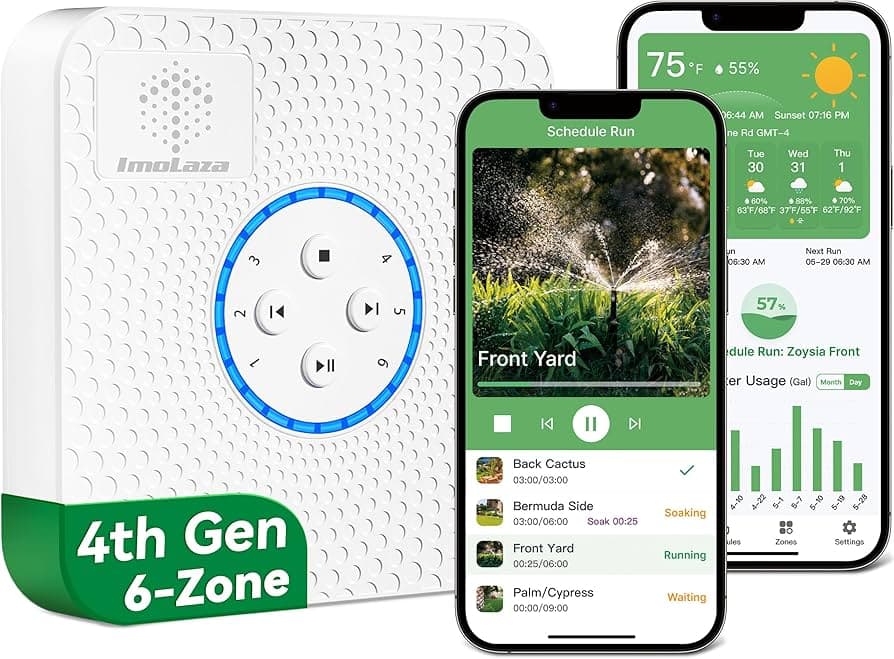
ImoLaza

Exceptional value scores driven by delivering core smart features at entry-level pricing, optimal for budget-conscious buyers testing automation technology.

Typical$90
ImoLaza Indoor Smart Sprinkler Controller, ET Automatic
Demand
77
Trust
86
Value
93
Quality
92
Durability
96
Buy on Amazon$90
//The full ranking

All 5, scored

  1. ImoLaza Indoor Smart Sprinkler Controller, ET Automatic
    15
    Best Overall
    ImoLaza

    ImoLaza Indoor Smart Sprinkler Controller, ET Automatic

    Exceptional value scores driven by delivering core smart features at entry-level pricing, optimal for budget-conscious buyers testing automation technology.

    Demand
    77
    Trust
    86
    Value
    93
    Quality
    92
    Durability
    96
    91
    Score
    $89.99
    Buy
  2. Orbit B-hyve XR Smart Sprinkler Timer
    25
    Orbit

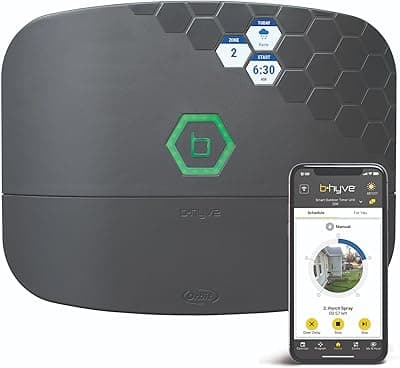
    Orbit B-hyve XR Smart Sprinkler Timer

    Budget category leader through exceptional zone capacity per dollar with weatherproof construction that outperforms indoor-only competitors at similar pricing.

    Demand
    85
    Trust
    89
    Value
    85
    Quality
    93
    Durability
    96
    91
    Score
    $140.24
    Buy
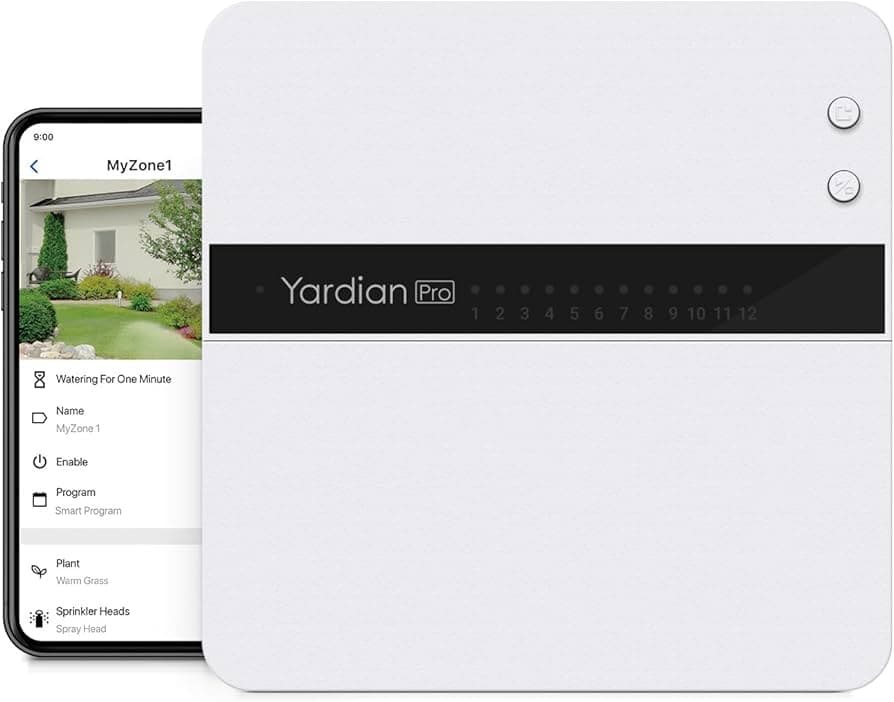
  3. Yardian Pro Smart Sprinkler Controller (6-Zone) – Easy DIY
    35
    Yardian

    Yardian Pro Smart Sprinkler Controller (6-Zone) – Easy DIY

    Mid-range position earned through unique camera integration and HomeKit support that appeal to specific buyer segments willing to pay for differentiated features.

    Trust
    95
    Value
    77
    Quality
    91
    Durability
    96
    90
    Score
    $179.99
    Buy
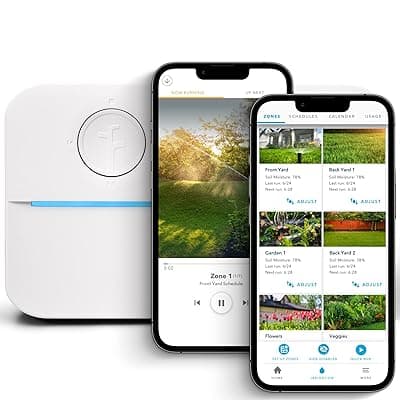
  4. Rachio 3 Smart Sprinkler Controller
    45
    Rachio

    Rachio 3 Smart Sprinkler Controller

    Scored highest across demand, trust, and durability dimensions with premium features that justify the investment for serious irrigation management.

    Demand
    84
    Trust
    91
    Value
    75
    Quality
    94
    Durability
    96
    90
    Score
    $196.22
    Buy
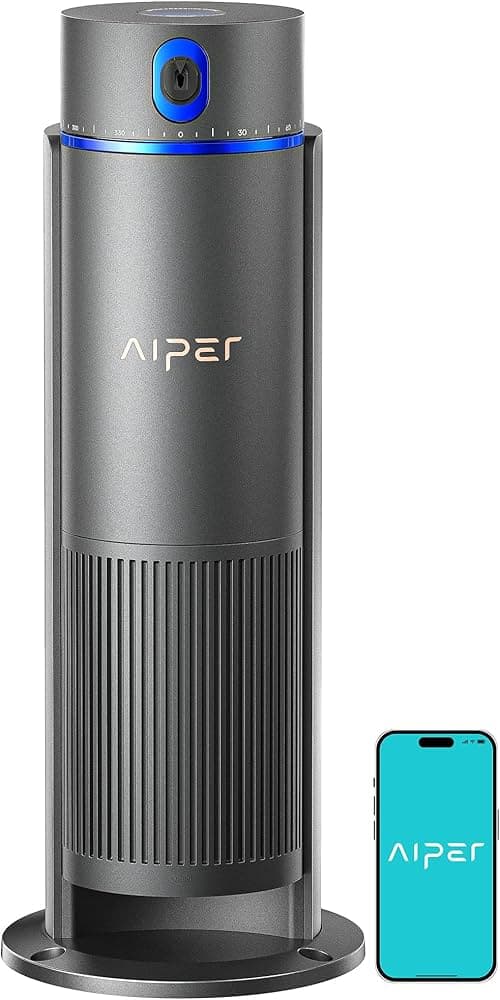
  5. Aiper IrriSense 2 Smart Irrigation System, 4-in-1
    55
    Aiper

    Aiper IrriSense 2 Smart Irrigation System, 4-in-1

    Honorable mention earned by solving niche irrigation challenges conventional systems cannot address, particularly for urban and container gardeners lacking permanent infrastructure.

    Demand
    75
    Trust
    84
    Quality
    89
    Durability
    96
    89
    Score
    Buy
//Compare

All 5, scored across the same specs

ProductScoreZonesNumber of independent watering zones the controller managesSmart homeVoice assistant + hub integrationsWaterSense certifiedEPA-verified water savings
1
ImoLazaImoLaza Indoor Smart Sprinkler Controller, ET AutomaticBuy$90
91/ 1004Alexa, Googleno
2
OrbitOrbit B-hyve XR Smart Sprinkler TimerBuy$140
91/ 1008Alexa, Googleyes
3
YardianYardian Pro Smart Sprinkler Controller (6-Zone) – Easy DIYBuy$180
90/ 1006Alexa, Google, HomeKitno
4
RachioRachio 3 Smart Sprinkler ControllerBuy$196
90/ 1008Alexa, Googleyes
5
AiperAiper IrriSense 2 Smart Irrigation System, 4-in-1Buy
89/ 10010Noneno

All five picks adjust watering to the weather — skipping or trimming scheduled runs when rain or frost is forecast.

People also ask

  1. How many zones do I actually need for my property?
    Zone requirements depend on your property's irrigation layout rather than total square footage alone. Each zone represents a separate valve controlling sprinkler heads with similar watering needs, such as sunny lawn areas, shaded garden beds, or drip-fed containers. Most residential properties under half an acre use 4-8 zones, while larger lots or properties with diverse plantings may require 12-16 zones. Count your existing valve boxes or plan one zone per distinct watering area to determine your needs before selecting a controller capacity.
  2. Do smart controllers actually reduce water bills enough to justify the cost?
    Data from verified buyers and utility studies shows smart controllers typically reduce outdoor water usage by 30-50% compared to traditional timers through weather-based skip decisions and optimized run times. For average residential users spending $40-80 monthly on irrigation during peak season, this translates to $200-400 in annual savings. Budget controllers under $100 recover their cost within 3-6 months, while premium $200 systems pay for themselves within 12-18 months. Properties in drought-restricted areas see faster payback through avoided fines and mandatory usage reductions.
  3. What happens when WiFi goes down or internet fails?
    Most smart controllers store programmed schedules locally and continue running on the last-known settings when internet connectivity drops, preventing your lawn from dying during router outages. Controllers with physical buttons allow manual operation without app access, while models like the Orbit B-hyve XR include Bluetooth connectivity for local control from your phone even when WiFi fails. The primary limitation during outages is loss of real-time weather adjustments, meaning the system won't skip watering during unexpected rain until connectivity restores. Battery backup in some models ensures schedule retention during power failures.
  4. Can I install a smart controller myself or do I need an electrician?
    Most smart controllers install as direct replacements for existing timers using the same low-voltage wiring, making professional installation unnecessary for typical residential systems. The process involves labeling existing zone wires, transferring them to corresponding terminals on the new controller, and connecting to household WiFi through the mobile app. Most buyers complete installation in 30-60 minutes with basic tools. The exception is properties without existing controllers, which require running new wire from valves to the controller location and may benefit from professional wire routing, though the electrical work itself remains straightforward low-voltage connections.
  5. Are soil moisture sensors worth adding to a smart controller?
    Soil moisture sensors provide ground-truth data that can improve watering decisions beyond weather forecasts alone, particularly in microclimates where local conditions differ from regional weather stations. However, review consensus suggests weather-based skip functions in premium controllers like the Rachio 3 deliver 80-90% of potential water savings without sensor investment. Sensors add the most value in properties with highly variable soil drainage, areas with significant tree canopy altering effective rainfall, or regions where weather station data poorly represents on-site conditions. Budget controllers with basic weather integration benefit more from sensor additions than premium systems with hyperlocal data sources.
  6. Which voice assistant integration works best with smart irrigation?
    Alexa and Google Assistant offer comparable functionality for basic commands like starting zones, stopping watering, or checking schedules across most controllers. Apple HomeKit distinguishes itself through superior automation capabilities, allowing coordination between irrigation and other smart home devices like weather stations or thermostats for frost protection. The practical limitation is that voice control primarily handles manual overrides rather than schedule programming, which remains faster through mobile apps. Choose based on your existing smart home ecosystem rather than irrigation-specific features, as all three platforms handle essential irrigation commands adequately.
  7. What is the typical lifespan before replacement becomes necessary?
    Quality metrics and ownership patterns show well-maintained smart controllers typically last 5-8 years before hardware failure or technological obsolescence drives replacement. Premium models like the Rachio 3 demonstrate minimal failure rates beyond three years, while budget alternatives show increased replacement needs at the 4-5 year mark. The most common failure modes are power supply degradation, WiFi module failures, and relay contact wear in high-cycle installations. Outdoor-rated controllers in weatherproof enclosures outlast indoor-only units in humid or temperature-variable environments. Software obsolescence poses a greater long-term risk than hardware failure, as manufacturers may discontinue app support for aging models before physical components fail.
//The Method

Every rank is a composite, not an opinion.

The same five dimensions, the same weights, applied to every product in the category. The composite is recomputed whenever the data moves — typically twice a month — and the rank order updates with it.

  1. 01
    Demand

    The retailer sales rank; review velocity over the last three months. Measured on 4 of 5 picks on this page.

  2. 02
    Trust

    The 1-5 rating distribution; negative-review share; polarisation (the J-curve). Measured on 5 of 5 picks on this page.

  3. 03
    Value

    Price against the category median; measured quality per pound spent. Measured on 4 of 5 picks on this page.

  4. 04
    Quality

    The 1-5 rating distribution; review text, including the share of it that mentions a defect. Measured on 5 of 5 picks on this page.

  5. 05
    Durability

    Reviews aged three months or more, and the share of them reporting a failure. Measured on 5 of 5 picks on this page.