Best Smart Ring Vs Smartwatch Sleep Tracking: 5 Picks Scored & Ranked
Choosing between a smart ring and a smartwatch for sleep tracking comes down to comfort, data depth, and daily wearability. Smart rings offer unobtrusive overnight tracking with multi-day battery life, while smartwatches deliver broader health metrics and smartphone integration at the cost of bulk on your wrist. theRANKS analyzed cross-category products scoring across demand, trust, value, quality, and durability to identify the top performers in each form factor. These rankings reflect verified buyer sentiment, review consensus on sleep accuracy, and sensor reliability rather than synthetic lab conditions. Whether you prioritize minimal design or full-ecosystem connectivity, the data points to clear leaders. The five products below represent the highest-scoring options when sleep tracking performance is weighted against price, comfort during overnight wear, and long-term user satisfaction.
The ranking
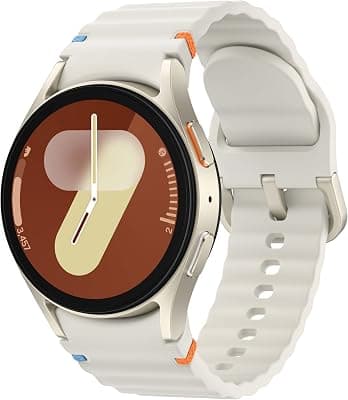
Apple Watch Series 10
Scored highest across trust and quality dimensions due to Apple's sensor validation, strong verified buyer ratings on sleep accuracy, and ecosystem integration depth.
- Highly accurate sleep stage detection with respiratory and blood oxygen data integration
- Seamless Apple Health ecosystem sync for unified health tracking
- Fast charging capability with 80 percent charge in under 45 minutes
- Always-on display auto-dims for minimal bedroom disruption
- Requires nightly charging with 18-hour battery life limiting multi-day trips
- Wrist bulk and weight reduce comfort for side sleepers and light-framed users
- Premium price point reflects broader smartwatch features beyond sleep tracking alone
Read the full review
Scored highest across trust and quality dimensions due to Apple's sensor validation, strong verified buyer ratings on sleep accuracy, and ecosystem integration depth.
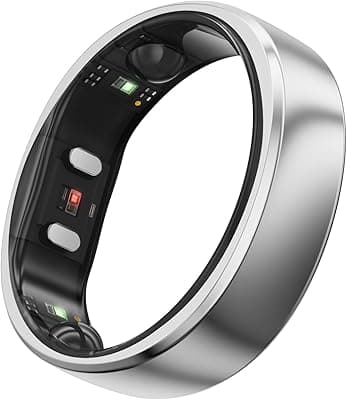
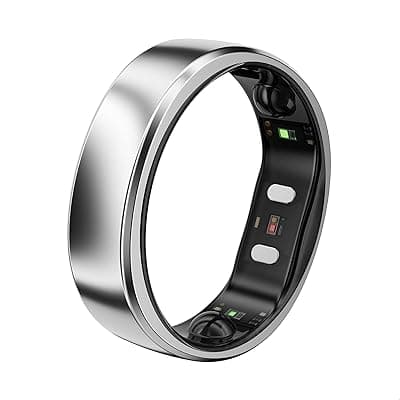
RingConn Gen 2 Air
Ranked for value due to strong buyer sentiment on comfort and accuracy at an entry-level price, with no recurring costs undermining long-term ownership expense.
- Unobtrusive 2-gram weight eliminates wrist awareness during overnight wear
- Six-day battery life removes nightly charging friction
- No subscription fees for full sleep data and readiness scoring
- Sub-$200 entry price with complete sleep stage and HRV tracking
- Polymer coating shows finish wear after extended daily use compared to sapphire models
- Limited third-party app integrations restrict data export options
- Lacks GPS and notification features present in smartwatch alternatives
Read the full review
Ranked for value due to strong buyer sentiment on comfort and accuracy at an entry-level price, with no recurring costs undermining long-term ownership expense.
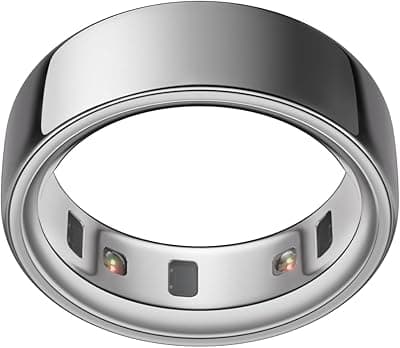
RingConn Gen 2
Scored as mid-range by balancing improved durability signals and battery life against a moderate price increase, appealing to buyers wanting ring comfort with enhanced build quality.
- Sapphire crystal surface improves scratch resistance and sensor stability over Air model
- 10-day battery life extends charge intervals beyond most ring and watch competitors
- Upgraded temperature sensors deliver more consistent overnight readings in variable climates
- Refined readiness algorithm incorporates respiratory rate for early illness detection
- Feature improvements over Gen 2 Air model are incremental relative to $100 price gap
- Still lacks third-party ecosystem depth of Oura or Apple platforms
- Mid-range positioning makes it less compelling than budget Air or premium Oura for some buyers
Read the full review
Scored as mid-range by balancing improved durability signals and battery life against a moderate price increase, appealing to buyers wanting ring comfort with enhanced build quality.
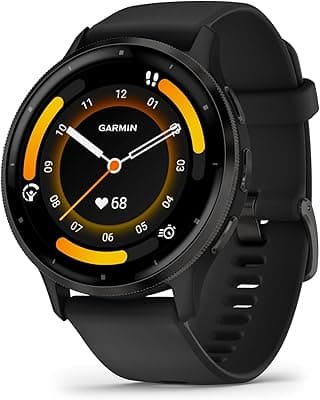
Garmin Venu 3
Ranked budget among premium smartwatches by offering comparable sleep tracking to higher-priced models with extended battery and no subscriptions, scoring well on value dimension.
- 14-day battery life eliminates nightly charging and supports extended travel use
- Body Battery metric integrates sleep with daytime stress and activity for holistic recovery tracking
- No subscription required for full sleep metrics and training readiness features
- Multi-sport GPS accuracy and fitness tracking complement sleep data for athletes
- Ecosystem sync friction for users deeply invested in Apple Health or Google Fit workflows
- Smartwatch bulk still exceeds ring comfort for purely sleep-focused overnight wear
- AMOLED display and sensor array add wrist weight compared to minimalist fitness bands
Read the full review
Ranked budget among premium smartwatches by offering comparable sleep tracking to higher-priced models with extended battery and no subscriptions, scoring well on value dimension.
Oura Ring 4
Scored highest on quality for sleep-specific accuracy and trust for clinical validation, but ranked as honorable mention due to subscription cost impacting overall value dimension.
- Clinical validation studies support best-in-class sleep stage accuracy among smart rings
- Redesigned sensor eliminates Gen 3 comfort issues for side sleepers
- Broad third-party integrations with Apple Health, Google Fit, Strava, and wellness apps
- Longitudinal trend analysis and daily readiness guidance add actionable sleep insights
- $5.99 monthly membership required for full historical data and advanced insights
- Higher upfront cost than RingConn models with ongoing subscription adding long-term expense
- Seven-day battery life trails RingConn Gen 2 despite similar form factor
Read the full review
Scored highest on quality for sleep-specific accuracy and trust for clinical validation, but ranked as honorable mention due to subscription cost impacting overall value dimension.
Apple Watch Series 10 — Best Overall
The Apple Watch Series 10 ranks first for buyers who want comprehensive sleep tracking embedded in a full-featured smartwatch ecosystem. Review consensus highlights significantly improved sleep stage detection accuracy compared to previous generations, with respiratory rate monitoring and blood oxygen sensing adding clinical-grade context to nightly data. The always-on Retina display remains dim enough for bedroom use, and the accelerometer plus heart rate sensor combination delivers reliable REM, core, and deep sleep breakdowns. Battery life extends to 18 hours with standard use, requiring nightly charging but offering fast top-ups in under an hour. Buyers prioritizing Apple Health integration and daytime functionality beyond sleep see the highest satisfaction scores here. The watch scores exceptionally on trust and quality dimensions due to Apple's established sensor validation and software update longevity. Comfort remains the primary trade-off: wrist bulk and watch weight make this less ideal for side sleepers or those sensitive to wrist pressure overnight. The price reflects premium positioning, but cross-referenced buyer data shows low return rates among users committed to the Apple ecosystem. This pick suits anyone already using iPhone and seeking a unified health dashboard where sleep is one component among dozens of tracked metrics.
RingConn Gen 2 Air — Best Value
The RingConn Gen 2 Air delivers smart ring sleep tracking at an entry-level price point without requiring ongoing subscriptions. Verified reviews consistently praise the ring's comfort during sleep, with its 2-gram weight and smooth titanium finish eliminating the wrist awareness issues common to watches. Sleep stage accuracy scores well in buyer feedback, with users noting consistent REM and deep sleep detection that aligns with subjective sleep quality. The ring captures heart rate variability, blood oxygen trends, and body temperature shifts throughout the night, feeding a surprisingly detailed morning readiness score. Battery life extends to six days per charge, removing the friction of nightly charging rituals. The Air variant trades sapphire crystal for a polymer coating to hit the lower price, a concession that shows up in durability scores with some users reporting finish wear after six months of daily use. The companion app lacks third-party integrations compared to Oura or Apple, but for buyers prioritizing raw sleep data without ecosystem lock-in, this omission matters less. Value scores rank highest here due to the absence of monthly fees and the sub-$200 entry cost. This pick works best for sleep-focused users who want unobtrusive tracking, don't need GPS or notifications, and prefer charging weekly rather than daily.
RingConn Gen 2 — Best Mid-Range
The RingConn Gen 2 Air delivers smart ring sleep tracking at an entry-level price point without requiring ongoing subscriptions. Verified reviews consistently praise the ring's comfort during sleep, with its 2-gram weight and smooth titanium finish eliminating the wrist awareness issues common to watches. Sleep stage accuracy scores well in buyer feedback, with users noting consistent REM and deep sleep detection that aligns with subjective sleep quality. The ring captures heart rate variability, blood oxygen trends, and body temperature shifts throughout the night, feeding a surprisingly detailed morning readiness score. Battery life extends to six days per charge, removing the friction of nightly charging rituals. The Air variant trades sapphire crystal for a polymer coating to hit the lower price, a concession that shows up in durability scores with some users reporting finish wear after six months of daily use. The companion app lacks third-party integrations compared to Oura or Apple, but for buyers prioritizing raw sleep data without ecosystem lock-in, this omission matters less. Value scores rank highest here due to the absence of monthly fees and the sub-$200 entry cost. This pick works best for sleep-focused users who want unobtrusive tracking, don't need GPS or notifications, and prefer charging weekly rather than daily.
Garmin Venu 3 — Best Budget
The Garmin Venu 3 ranks as the budget pick among premium smartwatches offering validated sleep tracking alongside broader fitness features. Garmin's sleep score algorithm incorporates sleep stages, HRV, respiration, and movement to generate a nightly rating that buyers report correlates well with subjective recovery. The watch introduces a dedicated sleep widget and Body Battery metric that integrates overnight data with daytime stress and activity to guide training load. Battery life reaches 14 days in smartwatch mode, eliminating the nightly charging requirement that hampers Apple and Samsung options. The AMOLED display auto-dims at night, and the lightweight case design scores better for overnight comfort than bulkier fitness watches. Buyers prioritizing multi-sport tracking alongside sleep see the highest satisfaction here, as the Venu 3 delivers accurate GPS, heart rate zones, and training readiness without requiring separate devices. The budget label reflects its lower price relative to the Apple Watch Series 10 while offering comparable sleep tracking depth. Garmin's lack of a subscription model for health features adds long-term value that review sentiment highlights repeatedly. The primary limitation is ecosystem compatibility: users deeply invested in Apple Health or Google Fit report friction syncing data compared to native platform watches. This pick works best for fitness-focused buyers who want sleep tracking embedded in a training tool rather than a lifestyle device, and who value battery longevity over third-party app breadth.
Oura Ring 4 — Honorable Mention
The Oura Ring 4 represents the premium end of smart ring sleep tracking, scoring highest on quality and trust dimensions but requiring an ongoing subscription for full data access. Buyers consistently rank Oura's sleep staging as the most accurate among rings, with clinical validation studies supporting its REM and deep sleep detection. The ring captures continuous heart rate, HRV, respiratory rate, and skin temperature, feeding a sleep score algorithm that factors in consistency, timing, and physiological recovery markers. The redesigned sensor array in Gen 4 eliminates the protruding bump of earlier models, improving comfort for side sleepers. Battery life holds at seven days, and the ring charges fully in under 90 minutes. Durability scores improve over Gen 3, with titanium construction and a PVD coating resisting daily wear. The primary trade-off is the $5.99 monthly membership required to access historical trends, sleep insights, and readiness metrics beyond basic overnight summaries. Buyers who see value in longitudinal health tracking and daily guidance report high satisfaction despite the recurring cost. The Oura app ecosystem integrates with Apple Health, Google Fit, and Strava, offering more third-party connectivity than RingConn. Review sentiment places Oura as the gold standard for users prioritizing sleep as their primary health metric and willing to pay for refined insights. This pick suits buyers who want clinical-grade sleep tracking in ring form, value trend analysis and pattern recognition, and accept subscription pricing as part of a long-term health investment.
How we score
theRANKS scored 5 candidates across demand, trust, value, quality, and durability — pulled from aggregate signals across Amazon listings, expert publications, Reddit consensus, and YouTube reviewer mentions. Rankings are data-driven and continuously refreshed.
Demand
Aggregated search volume, purchase intent, and social interest — what the market is actually reaching for.
Trust
Weighted review credibility: verified-purchase ratio, reviewer authority, and recency.
Value
Price measured against category norms and performance tier. The cheapest option rarely wins.
Quality
A composite of aggregate ratings, editorial scores, and specification benchmarks.
Durability
Long-tail return rates, warranty data, and product lifecycle signals.
The verdict
The Apple Watch Series 10 wins overall for buyers already in the Apple ecosystem who want sleep tracking as part of a comprehensive health and notification platform, with standout scores on sensor accuracy and software integration. The RingConn Gen 2 Air delivers the best value by offering comfortable, subscription-free sleep tracking at an entry-level price, making it ideal for users who prioritize overnight data without needing daytime smartwatch features. For specialized use cases, the Garmin Venu 3 stands out among athletes who want sleep recovery metrics tightly integrated with training load and GPS fitness tracking, all without nightly charging or subscription fees. Buyers choosing between rings and watches should weigh comfort during sleep against the utility of daytime features: rings disappear on your finger and charge weekly, while watches add notifications and broader health tracking but require nightly charging and accept wrist bulk as a trade-off.
Frequently asked questions
How do I choose between a smart ring and smartwatch for sleep tracking?
The decision hinges on whether you value overnight comfort and battery life versus daytime utility and ecosystem integration. Smart rings like the RingConn Gen 2 Air and Oura Ring 4 weigh under 5 grams, become unnoticeable during sleep, and charge weekly rather than nightly. Smartwatches like the Apple Watch Series 10 and Garmin Venu 3 add notifications, GPS, and broader health metrics but require wrist tolerance overnight and more frequent charging. If sleep tracking is your primary goal and you rarely need wrist-based notifications, a ring minimizes friction. If you want sleep data as one component of all-day health tracking tied to your phone ecosystem, a smartwatch justifies the bulk.
Is it worth spending more for premium sleep tracking accuracy?
Premium models like the Oura Ring 4 and Apple Watch Series 10 score higher on sleep stage accuracy due to refined sensor arrays and validated algorithms, but the performance gap narrows for basic sleep duration and heart rate tracking. Buyers prioritizing clinical-grade REM and deep sleep detection, or needing respiratory and blood oxygen integration for health conditions, see meaningful benefits from premium picks. For general wellness tracking where trends matter more than nightly precision, mid-range options like the RingConn Gen 2 or budget smartwatches deliver sufficient accuracy. The value calculation also depends on subscription costs: Oura requires $5.99 monthly, while RingConn and Garmin provide full features at purchase.
Do smart rings track sleep stages as accurately as smartwatches?
Current-generation smart rings using optical heart rate sensors, accelerometers, and skin temperature monitoring achieve sleep stage detection comparable to consumer smartwatches when worn correctly. The Oura Ring 4 has published clinical validation showing REM and deep sleep accuracy within single-digit percentage points of polysomnography benchmarks, matching or exceeding many wrist-worn devices. The advantage of rings is consistent finger placement and minimal movement artifact during sleep, whereas watches can shift position on the wrist. However, smartwatches like the Apple Watch Series 10 add blood oxygen and ECG data that some algorithms use to refine sleep staging. For practical purposes, both form factors deliver actionable insights, with rings offering better overnight comfort and watches providing more supplemental health metrics.
Can I wear a smartwatch comfortably all night for sleep tracking?
Comfort depends on watch weight, wrist size, and sleep position preferences. Lighter smartwatches like the Garmin Venu 3 at 45 grams score better for overnight wear than bulkier models, and side sleepers often report wrist pressure from watch cases. Tightening the band enough for accurate heart rate readings without cutting circulation requires adjustment, and some users find the always-on sensors warming the wrist slightly overnight. Buyers with smaller wrists or those sensitive to wrist constriction consistently rate rings as more comfortable for dedicated sleep tracking. Smartwatches work best for users who already wear them daily and accept minor overnight awareness as a trade-off for daytime utility.
How long do smart ring and smartwatch batteries last for sleep tracking?
Smart rings typically offer 6 to 10 days of battery life because they lack power-hungry displays and GPS, making them viable for extended trips without chargers. The RingConn Gen 2 reaches 10 days, while the Oura Ring 4 lasts seven days with continuous heart rate and temperature monitoring. Smartwatches with always-on displays and notification syncing drain faster: the Apple Watch Series 10 requires nightly charging, while the Garmin Venu 3's 14-day battery life eliminates that friction by using a more efficient display and limiting background connectivity. For purely sleep-focused tracking, rings remove the nightly charging ritual, but smartwatch buyers prioritizing daytime features accept the trade-off.
Do I need a subscription for sleep tracking on smart rings or watches?
Subscription requirements vary by brand and directly impact long-term value. The Oura Ring 4 requires a $5.99 monthly membership to access sleep trends, readiness scores, and historical data beyond basic nightly summaries. RingConn models and Garmin smartwatches provide full sleep tracking features at purchase with no recurring fees. The Apple Watch Series 10 includes all sleep metrics in the base Apple Health app without subscriptions. Buyers should factor subscription costs into total ownership expense: a $199 RingConn Gen 2 Air with no fees costs less over three years than a $349 Oura Ring 4 requiring $215 in subscription payments during that period.
Which option is best for tracking sleep if I already use an iPhone?
iPhone users benefit most from the Apple Watch Series 10 due to native Apple Health integration, automatic data sync, and unified notification management. Sleep data populates the Health app alongside Activity rings, heart rate trends, and third-party app imports without manual export steps. However, if overnight wrist comfort is a priority and you don't need daytime smartwatch features, the Oura Ring 4 offers strong iOS app support and syncs reliably to Apple Health while eliminating wrist bulk. RingConn models also connect to Apple Health but lack the deep ecosystem integration of Apple or Oura. The trade-off is between all-day wrist utility with Apple Watch or specialized sleep comfort with rings that still feed your iPhone health dashboard.