Best Smart Thermostats with Energy-Saving Automation: 5 Picks Ranked

Ranked by our composite score across five dimensions

The picks in detail

5 smart thermostats ranked by composite scores across trust, quality, durability, value and demand. Data-driven analysis of automation features and…

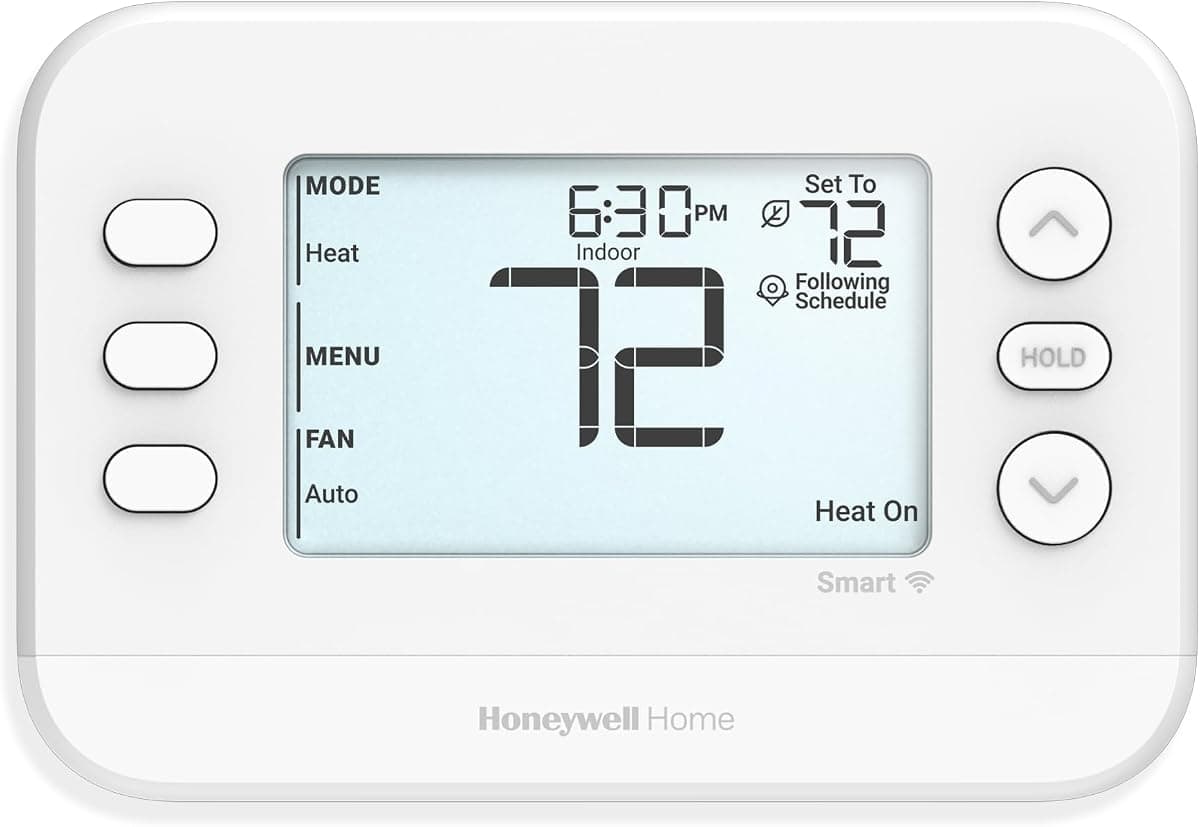
Honeywell Home X2S Smart Wi-Fi Thermostat, WhiteBest Overall

No. 1 · Top pick

Honeywell Home X2S Smart Wi-Fi Thermostat, White

Honeywell Home

Why it ranked

Positioned by price among picks without composite scores, bringing Honeywell's HVAC expertise and geofencing automation to the under $100 tier.

Strengths

  • Broad compatibility with conventional and heat pump systems
  • Geofencing automates temperature changes based on occupancy
  • Unified Honeywell Home app for existing device owners
  • Adaptive recovery learns system timing for efficient temperature reaching

Trade-offs

  • Energy analytics less detailed than some premium competitors
  • Requires separate Alexa or Google Assistant for voice control
  • White finish may not suit all home aesthetics
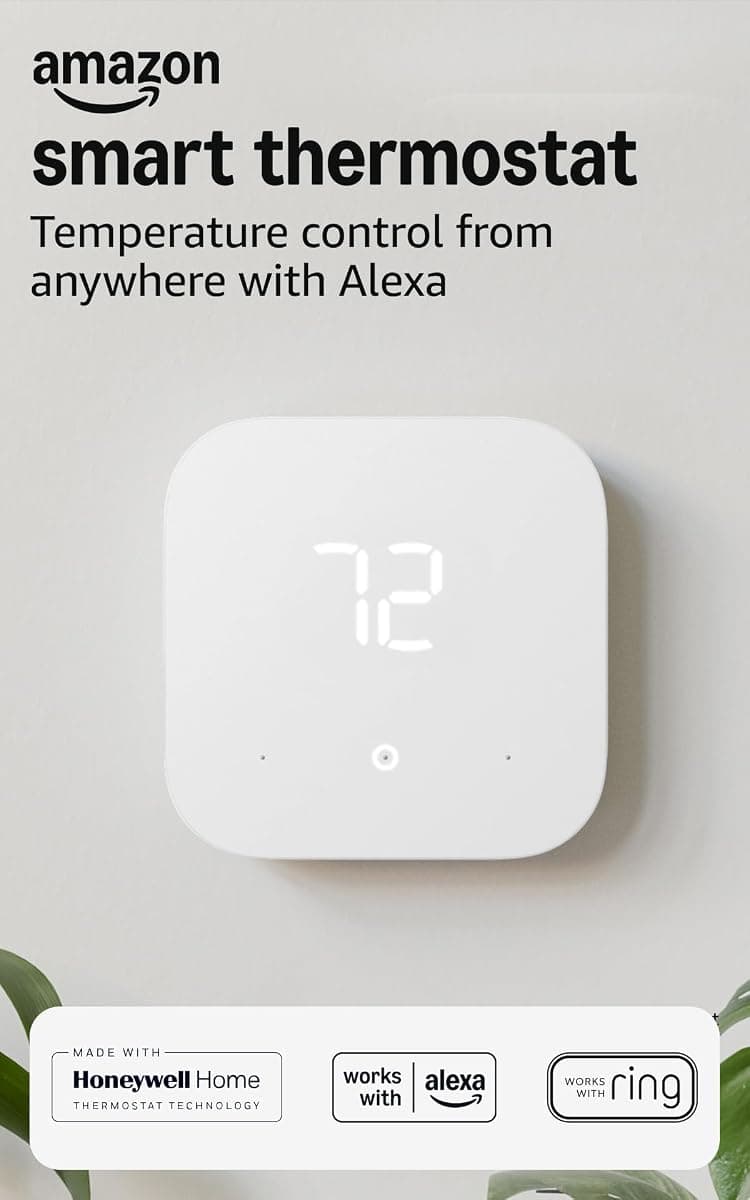
Amazon Smart Thermostat

No. 2

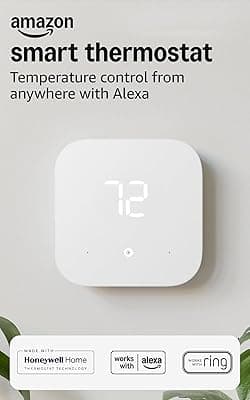
Amazon Smart Thermostat

Amazon

Why it ranked

Scored across trust, quality, durability, value, and demand.

Strengths

  • Value score reflects strong performance relative to price
  • Tied for the highest durability score among measured picks
  • Seamless Alexa and Ring integration for unified smart home control
  • Energy Star certified with automated schedule learning

Trade-offs

  • Requires C-wire for most installations, may need adapter
  • Interface prioritizes simplicity over advanced customization
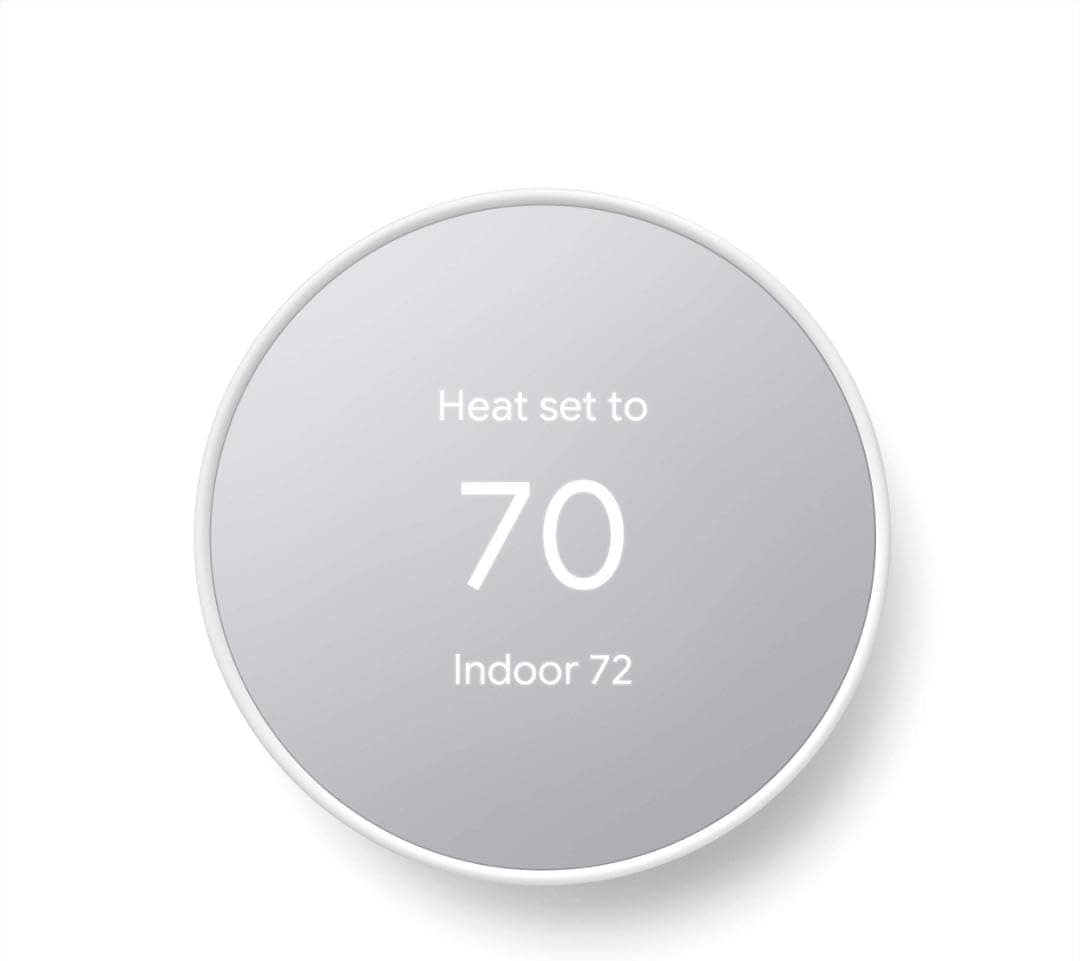
Google Nest Thermostat

No. 3

Google Nest Thermostat

Google Nest

Why it ranked

Scored across trust, quality, durability, value, and demand.

Strengths

  • Machine learning creates adaptive schedules from usage patterns
  • Seamless Google Home and Assistant integration
  • Clean Snow colorway fits minimalist interiors
  • Nest app provides detailed energy usage insights

Trade-offs

  • Learning period requires several weeks for optimal automation
  • Interface prioritizes app control over physical configuration
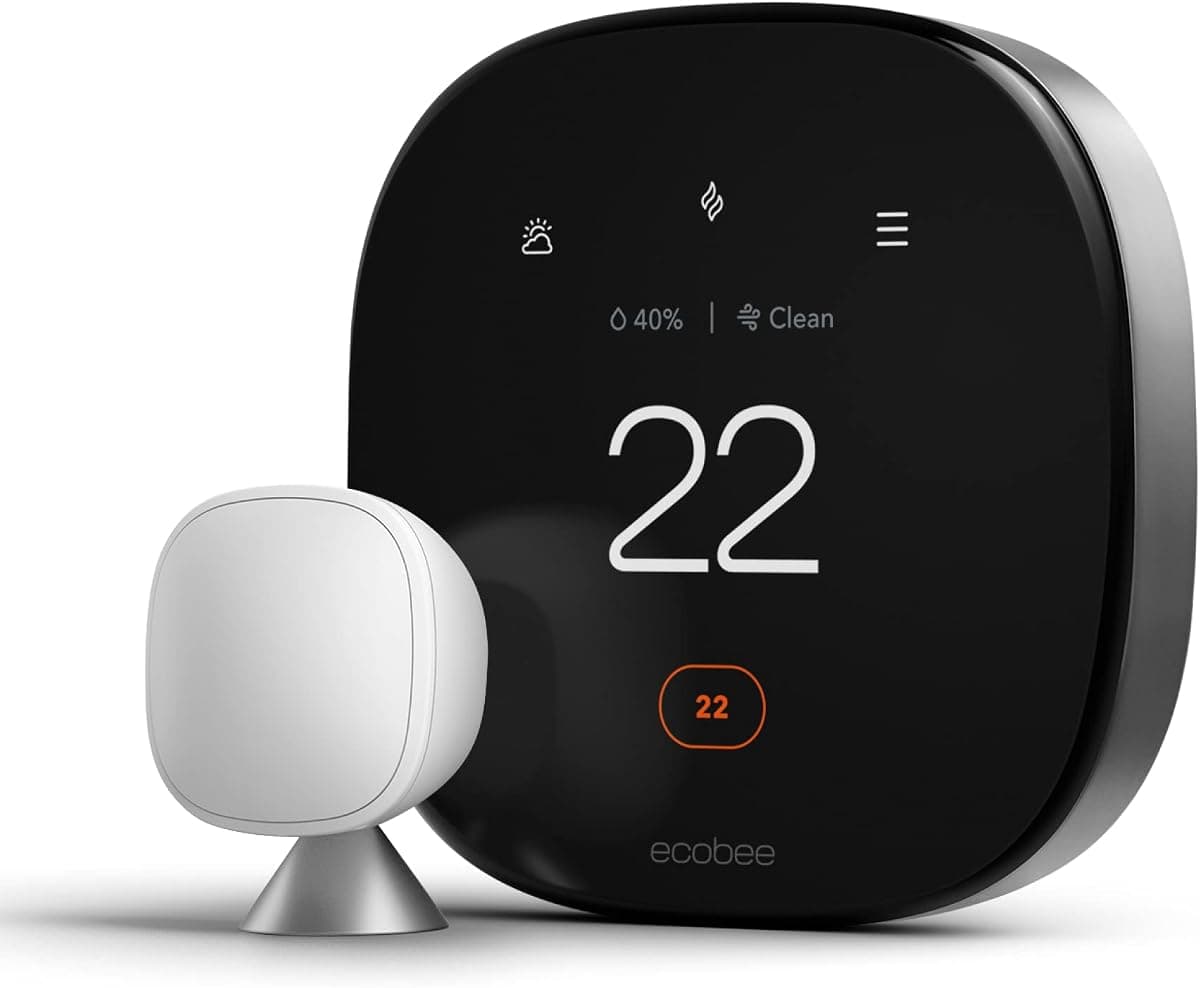
New 2022! ecobee Smart Thermostat Premium with SmartBest Premium

No. 4

New 2022! ecobee Smart Thermostat Premium with Smart

ecobee

Why it ranked

Positioned by price among picks without composite scores, offering premium features including bundled sensor and air quality monitoring for buyers prioritizing comprehensive environmental control.

Strengths

  • Built-in air quality monitor tracks temperature, humidity, and VOCs
  • Includes smart sensor in box for multi-room temperature averaging
  • Integrated Siri or Alexa voice assistant eliminates need for separate speaker
  • Larger touchscreen displays detailed environmental data

Trade-offs

  • Higher price point in $100-$250 range
  • Advanced features may exceed needs of buyers seeking basic automation
  • C-wire requirement typically necessitates professional installation
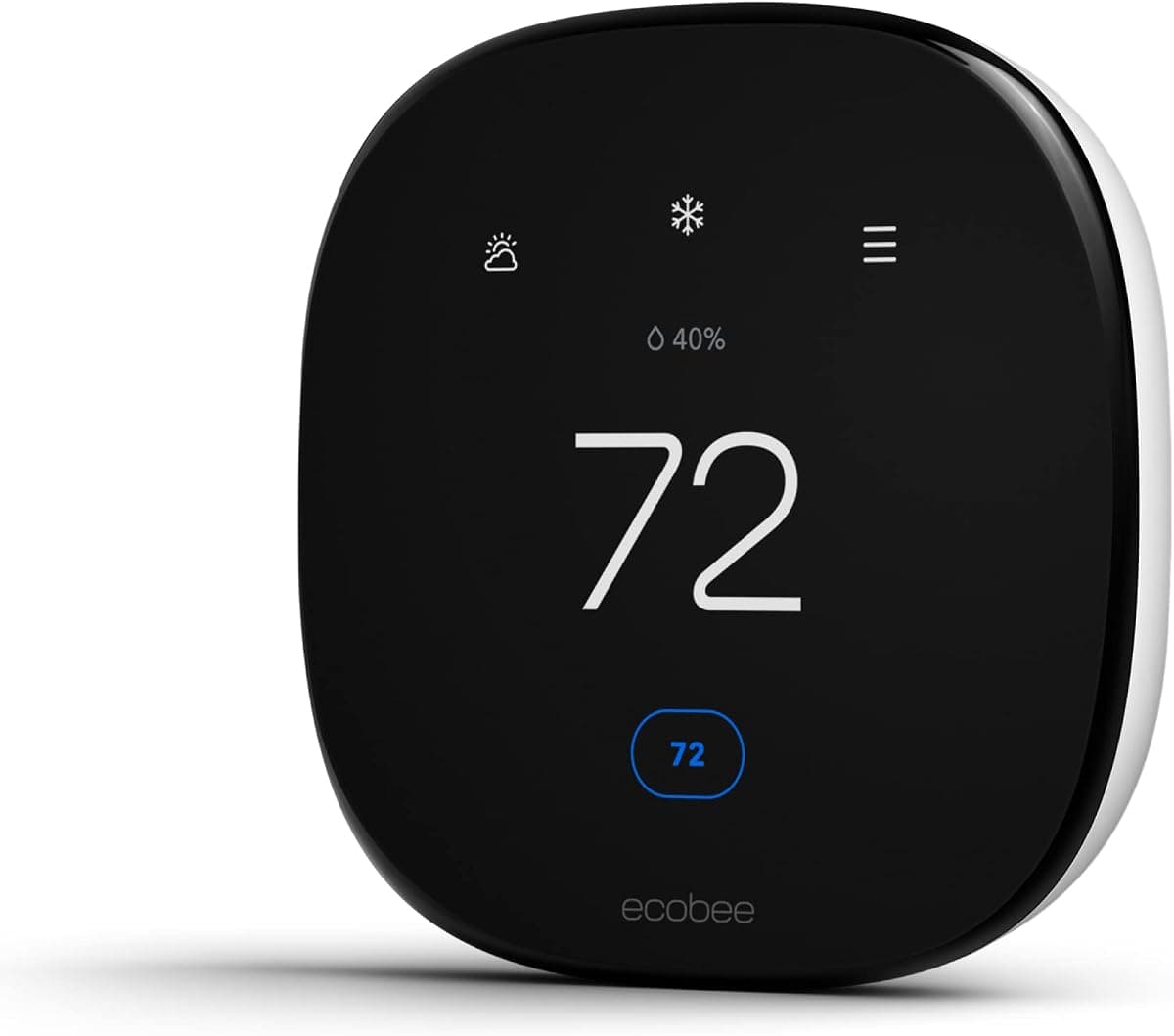
ecobee Smart Thermostat Enhanced

No. 5

ecobee Smart Thermostat Enhanced

ecobee

Why it ranked

Scored across trust, quality, durability, value, and demand.

Strengths

  • Highest demand score reflects strong buyer interest
  • Works with Siri, Alexa, and Google Assistant for platform flexibility

Trade-offs

  • Remote sensors sold separately for multi-room coverage
  • May require professional installation for C-wire setup

Compare all 5 picks

Fact
Honeywell Home X2S Smart Wi-Fi Thermostat, White
No. 1Honeywell Home X2S Smart Wi-Fi ThermostatBest OverallBuy on Amazon
Amazon Smart Thermostat
No. 2Amazon Smart ThermostatBuy on Amazon
Google Nest Thermostat
No. 3Google Nest ThermostatBuy on Amazon
New 2022! ecobee Smart Thermostat Premium with Smart
No. 4New 2022! ecobee Smart Thermostat Premium with SmartBest PremiumBuy on Amazon
ecobee Smart Thermostat Enhanced
No. 5ecobee Smart Thermostat EnhancedBuy on Amazon
Price$66.15$79.99$79.00$229.99$199.99
Standout strengthBroad compatibility with conventional and heat pump systemsValue score reflects strong performance relative to priceMachine learning creates adaptive schedules from usage patternsBuilt-in air quality monitor tracks temperature, humidity, and VOCsHighest demand score reflects strong buyer interest
Main trade-offEnergy analytics less detailed than some premium competitorsRequires C-wire for most installations, may need adapterLearning period requires several weeks for optimal automationHigher price point in $100-$250 rangeRemote sensors sold separately for multi-room coverage
//The Method

Every rank is a composite, not an opinion.

The same five dimensions, the same weights, applied to every product in the category. The composite is recomputed whenever the data moves — and the rank order updates with it.

  1. 01
    Demand

    The retailer sales rank; review velocity over the last three months. Measured on 5 of 5 picks on this page.

  2. 02
    Trust

    The 1-5 rating distribution; negative-review share. Measured on 5 of 5 picks on this page.

  3. 03
    Value

    Price against the category median; measured quality per pound spent. Measured on 5 of 5 picks on this page.

  4. 04
    Quality

    The 1-5 rating distribution; review text, including the share of it that mentions a defect. Measured on 5 of 5 picks on this page.

  5. 05
    Durability

    Reviews aged three months or more, and the share of them reporting a failure. Measured on 4 of 5 picks on this page.

Smart Thermostats FAQ

  1. How do I choose between basic and premium smart thermostats?
    Basic models in the under $100 range offer core automation like schedule learning, remote control, and voice assistant integration with one ecosystem. Premium models in the $100-$250 range add multi-platform compatibility, bundled sensors for room-by-room control, air quality monitoring, or built-in voice assistants. Choose based on whether you need cross-platform flexibility, whole-home temperature balancing, or environmental monitoring beyond basic heating and cooling automation.
  2. Is professional installation worth the cost for smart thermostats?
    Most smart thermostats require C-wire power, which older HVAC systems may lack. Professional installation ensures correct wiring, system compatibility verification, and proper configuration of multi-stage or heat pump systems. Buyers comfortable with basic electrical work and confident in their system's C-wire presence can typically handle installation themselves using manufacturer guides. Complex systems, lack of C-wire, or uncertainty about compatibility justify professional setup to avoid equipment damage or performance issues.
  3. Do smart thermostats actually reduce energy bills significantly?
    Energy savings depend on current thermostat usage patterns and home characteristics. Households that manually adjust temperatures infrequently or leave systems running during unoccupied periods see the largest reductions. Automated scheduling, occupancy detection, and geofencing reduce unnecessary HVAC runtime by adjusting temperatures when spaces are empty or during sleep hours. Well-insulated homes in moderate climates typically experience smaller percentage savings than poorly-insulated homes in extreme climates where HVAC represents a larger energy expense share.
  4. Can smart thermostats work without Wi-Fi connectivity?
    Smart thermostats continue basic heating and cooling functions during Wi-Fi outages, maintaining programmed schedules and responding to manual adjustments at the device. Remote control through mobile apps, voice commands via cloud-connected assistants, energy reports, and features like geofencing require active internet connectivity. Thermostats store schedules locally, so temporary outages do not interrupt automated temperature changes. Extended connectivity loss only affects remote management and cloud-dependent features, not core climate control.
  5. Which voice assistant works best with smart thermostats?
    Thermostat compatibility varies by model, with some supporting only one ecosystem and others working across Alexa, Google Assistant, and Siri. Choose based on your existing smart home devices rather than thermostat-specific voice quality, since assistant performance depends on your Echo, Google Home, or HomePod hardware. Cross-platform models offer flexibility if you switch ecosystems later. Built-in assistant thermostats eliminate the need for separate speakers in the installation room but lock you into that assistant's ecosystem.
  6. How often do smart thermostats need software updates?
    Manufacturers release firmware updates periodically to add features, improve compatibility, or address security issues. Most smart thermostats download and install updates automatically overnight when connected to Wi-Fi, requiring no user intervention. Update frequency varies from monthly to quarterly depending on the manufacturer's development cycle. Buyers should verify that thermostats support automatic updates rather than requiring manual checks, as this ensures devices remain current with minimal effort.
  7. Are smart thermostats compatible with all HVAC systems?
    Compatibility varies by thermostat model and HVAC configuration. Most smart thermostats work with conventional forced-air systems, heat pumps, and multi-stage heating and cooling. High-voltage systems, proprietary HVAC protocols, and some older equipment may require specific thermostat models or may not be compatible at all. Buyers must verify their system type, voltage, and wiring configuration against manufacturer compatibility charts before purchase to avoid returns or non-functional installations.

theRANKS may earn affiliate commissions from qualifying purchases. How that works