//SmartwatchesUpdated October 2026

Best Smartwatches: 5 Picks Scored & Ranked

5 smartwatches scored algorithmically across demand, trust, value, quality and durability. Data-driven rankings help you choose the right fit.

97
theRANKS Score5 dimensions
//Top pickBest Overall
Amazfit

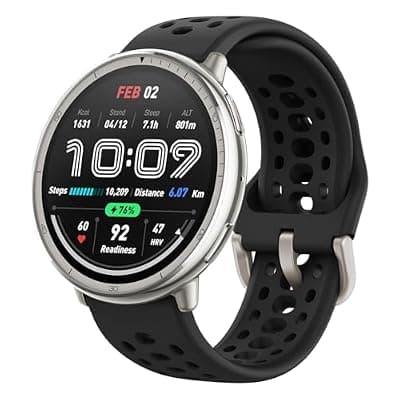
This model's algorithmic score reflects its appeal to budget-conscious buyers who prioritize extended battery life and comprehensive fitness tracking over smart features and app ecosystem depth.

Typical$80
Amazfit Active 2 Sport
Trust
93
Value
99
Quality
95
Buy on Amazon$80
//The full ranking

All 5, scored

  1. Amazfit Active 2 Sport
    15
    Best Overall
    Amazfit

    Amazfit Active 2 Sport

    This model's algorithmic score reflects its appeal to budget-conscious buyers who prioritize extended battery life and comprehensive fitness tracking over smart features and app ecosystem depth.

    Trust
    93
    Value
    99
    Quality
    95
    97
    Score
    $79.99
    Buy
  2. Apple Watch SE 3
    25
    Apple

    Apple Watch SE 3

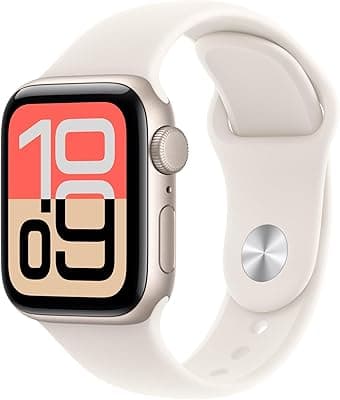
    This model's position reflects its measured strengths across demand, trust, value, quality, and durability, capturing buyer preference for Apple ecosystem integration and essential health features at a more accessible price point.

    Demand
    85
    Trust
    95
    Value
    90
    Quality
    98
    Durability
    96
    95
    Score
    $199.00
    Buy
  3. Garmin Vivoactive 5
    35
    Garmin

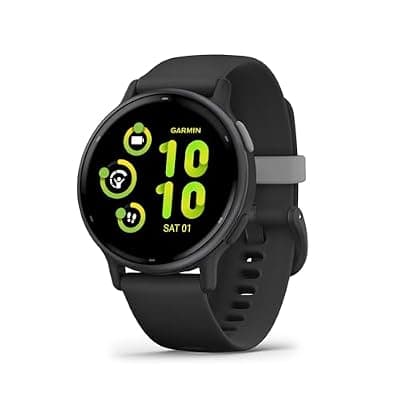
    Garmin Vivoactive 5

    This model's scoring position reflects buyer preference for Garmin's health intelligence features, extended battery performance, and detailed training insights without stepping into dedicated athlete territory.

    Demand
    91
    Trust
    88
    Value
    90
    Quality
    95
    92
    Score
    $199.00
    Buy
  4. Garmin Forerunner 265
    45
    Best Premium
    Garmin

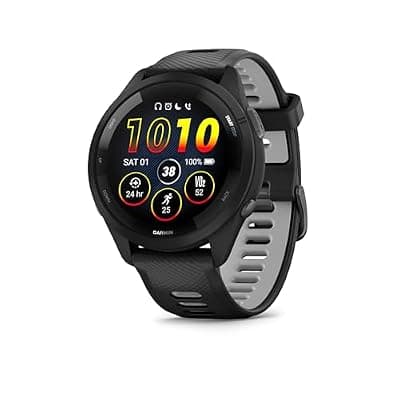
    Garmin Forerunner 265

    This model's algorithmic rank reflects its appeal to serious runners and triathletes who need advanced training metrics and multi-sport functionality, balanced against its specialized focus and pricing.

    Trust
    94
    Value
    68
    Quality
    98
    89
    Score
    $429.00
    Buy
  5. Google Pixel Watch 4
    55
    Google

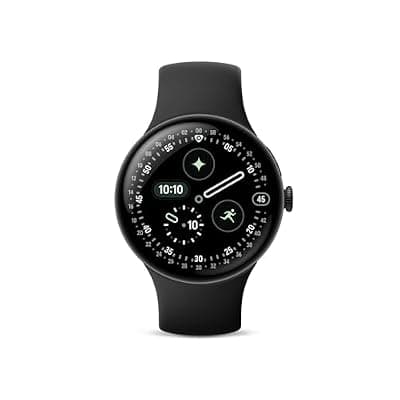
    Google Pixel Watch 4

    This model's scoring reflects buyer preference for Google ecosystem integration, Fitbit health intelligence, and WearOS app flexibility in a refined daily-wear package, balanced against battery limitations and price positioning.

    Trust
    93
    Value
    72
    Quality
    95
    88
    Score
    $329.99
    Buy

People also ask

  1. How do I choose between Apple and Android smartwatches?
    Your smartphone platform determines ecosystem compatibility and feature depth. Apple Watches require an iPhone and deliver seamless integration with iMessage, Apple Pay, FaceTime, and iOS apps, but they won't work with Android phones. WearOS devices like the Pixel Watch pair with Android phones and offer Google services integration, though they can technically connect to iPhones with limited functionality. If you plan to switch phone platforms within your smartwatch's lifespan, WearOS provides more flexibility. Platform-agnostic options like Garmin watches work with both iOS and Android through their proprietary app, though they sacrifice some smart features for broader compatibility.
  2. Is it worth paying more for GPS and cellular connectivity?
    GPS becomes essential if you track outdoor activities like running, cycling, or hiking without carrying your phone, as it records accurate distance and route data independently. Cellular connectivity adds monthly carrier fees but enables phone-free calls, texts, and music streaming during workouts. Buyers who regularly leave their phone at home during exercise or want emergency contact capability while running solo find cellular models justify the additional cost. Those who always carry their phone or primarily work out indoors can skip cellular and save on both purchase price and ongoing subscription fees.
  3. How accurate are smartwatch heart rate monitors during workouts?
    Optical heart rate sensors on the wrist typically track resting and moderate-intensity heart rates within five to ten beats per minute of chest strap monitors, which remains adequate for general fitness tracking and trend analysis. Accuracy decreases during high-intensity intervals, cold weather, or activities with significant wrist movement like weightlifting or rowing. Buyers training in specific heart rate zones for performance gains should consider pairing their smartwatch with a chest strap for more precise readings. For most recreational fitness tracking and daily health monitoring, wrist-based sensors provide sufficient accuracy to guide training decisions and track progress over time.
  4. Do smartwatches actually improve sleep quality or just track it?
    Smartwatches measure sleep duration, stages, and disruptions but don't directly improve sleep quality through the device itself. The value comes from awareness and behavior change based on the data. Sleep tracking reveals patterns like inconsistent bedtimes, insufficient deep sleep, or frequent wake-ups that buyers may not consciously notice. Some models offer sleep coaching suggestions based on your patterns, and viewing your sleep debt or readiness scores can motivate earlier bedtimes or better sleep hygiene. The tracking is a tool for identifying issues, but improving sleep requires adjusting habits like screen time, caffeine intake, bedroom environment, and schedule consistency.
  5. How long do smartwatch batteries actually last with regular use?
    Battery life varies significantly by model and usage patterns. Apple Watch and most WearOS devices require daily charging with typical use including notifications, some GPS tracking, and sleep monitoring. Garmin fitness watches often last three to seven days on a single charge, though continuous GPS use during long activities drains power faster. Always-on displays, cellular connectivity, music streaming, and frequent app use all reduce battery life across brands. Buyers who forget to charge devices nightly or take multi-day trips without chargers should prioritize models advertising three-plus days of battery life. Most smartwatches charge fully in one to two hours, making nightly charging manageable if you establish the routine.
  6. Can I shower or swim with my smartwatch safely?
    Water resistance ratings determine safe exposure levels. Watches rated 5ATM or 50 meters handle showering, swimming, and shallow water activities but aren't designed for diving or high-pressure water sports. Most modern smartwatches meet this standard, though budget models sometimes offer only splash resistance. Swimming pool tracking requires additional sensors and swim-specific algorithms that not all water-resistant watches include. Salt water, chlorine, soap, and hot water can degrade seals over time, so rinsing after pool or ocean exposure extends longevity. Leather and fabric bands should be swapped for silicone or nylon before water activities to prevent damage and odor buildup.
  7. Which smartwatch is best for tracking running and training progress?
    Runners prioritizing training metrics should look for accurate GPS tracking, running dynamics like cadence and ground contact time, training load analysis, and race time predictors. The Garmin Forerunner 265 delivers these specialized features along with multi-day battery life for back-to-back training sessions. The Garmin Vivoactive 5 provides solid GPS accuracy and basic training insights for recreational runners who don't need advanced dynamics. Apple Watch and Pixel Watch offer reliable run tracking and integration with popular training apps like Strava and Runkeeper, though they lack the depth of running-specific metrics found in dedicated Garmin models. Consider your training structure and whether you follow structured plans or prefer general activity tracking when choosing between lifestyle smartwatches and athlete-focused options.
//The Method

Every rank is a composite, not an opinion.

The same five dimensions, the same weights, applied to every product in the category. The composite is recomputed whenever the data moves — typically twice a month — and the rank order updates with it.

  1. 01
    Demand

    The retailer sales rank; review velocity over the last three months. Measured on 2 of 5 picks on this page.

  2. 02
    Trust

    The 1-5 rating distribution; negative-review share; polarisation (the J-curve). Measured on 5 of 5 picks on this page.

  3. 03
    Value

    Price against the category median; measured quality per pound spent. Measured on 5 of 5 picks on this page.

  4. 04
    Quality

    The 1-5 rating distribution; review text, including the share of it that mentions a defect. Measured on 5 of 5 picks on this page.

  5. 05
    Durability

    Reviews aged three months or more, and the share of them reporting a failure. Measured on 1 of 5 picks on this page.