How-To
How to Choose Earbuds or Over-Ear Headphones for Holiday Flights
Holiday cabins are crowded, carry-ons are full, and the wrong headphones make a long flight longer. Four steps settle the earbuds-or-over-ear question.
// KEY TAKEAWAYSWhat to know
- Over-ear headphones usually block more cabin rumble, but they take up real space in a packed carry-on.
- Earbuds win on packing, side-sleeping and wearing under a hoodie or beanie.
- Long flights favor comfort first: a pair that hurts after two hours is worse than one with weaker noise cancelling.
- Check battery life, a wired option and multipoint pairing before you buy, not at the gate.
- Pick on how you travel, then compare ranked options in the matching list.
You are three days from a holiday flight with a middle seat, a toddler two rows back, and a carry-on that already holds gifts. The headphones you pack have to quiet the engine drone, stay comfortable for hours, and fit in whatever space is left.
Earbuds and over-ear headphones solve that problem in different ways. One disappears into a coat pocket; the other seals your ears with cushions and often does more against low-pitched cabin noise. Neither is better in every situation.
These four steps move from how you travel to what to check before you buy, so the choice comes from your trip rather than from a spec sheet.
Step 1: Decide how you will actually wear them
Key takeaway - Match the form factor to your seat habits first, because comfort and sleep position decide more than any spec.
Start with the situation, not the product. Over-ear headphones suit travelers who watch movies, work on a laptop or want to sleep upright in a window seat. The large cushions seal around the ear, which is the main reason they tend to cut engine drone well, and the headband spreads weight across the head. They can feel warm on a long flight, and they press against the wall if you lean on the window.
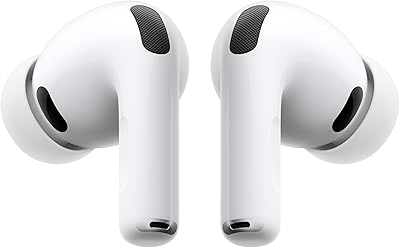
Earbuds suit travelers who change positions, sleep on their side against a neck pillow, wear a hat or hood, or want something small enough to keep in a jacket pocket through security. Their weakness is fit. Ear tips that seem fine for an hour can become irritating by hour four, so the tip sizes and shapes included in the box matter.
Step 2: Weigh noise cancelling against cabin reality
Key takeaway - Noise cancelling tames steady engine drone best, and a sealed fit matters more than the label on the box.
Cabin noise is mostly steady, low-pitched engine and airflow sound, which is exactly what active noise cancelling handles best. Voices, crying babies and cart clatter sit higher in pitch, and no headphone removes them completely. Expect noise cancelling to calm the background and make everything else easier to ignore, not to create silence.
Over-ear designs have a natural advantage because the cushion adds passive isolation before the electronics do anything. Good earbuds can compete when the tip seals properly in your ear, and a poor seal undoes most of the benefit. If steady drone is what wears you down, compare the best wireless headphones with ANC for holiday travel. If you want noise cancelling in a pocketable form, the best noise canceling earbuds are the matching list.
Step 3: Check battery, charging and backup options
Key takeaway - Plan for the whole travel day: battery, charging while in use, a wired option and two-device pairing.
Holiday itineraries often include a long first leg, a layover and a second flight, so battery life matters more than it does on a commute. Over-ear headphones generally carry bigger batteries and can run through a full travel day. Earbuds depend on the charging case to top up, so remember to pack the case and a short cable.
Check three practical features before you buy. First, whether the headphones keep playing while charging, which saves you when the outlet at the gate finally frees up. Second, whether a wired connection is available, since many seat-back entertainment systems still need a cable and an adapter. Third, whether the pair connects to two devices at once, so you can switch between a phone and a tablet without re-pairing. Confirm each item on the maker's own product page, because it varies by model.
Step 4: Pack, protect your ears and pick your shortlist
Key takeaway - Measure your packing space, keep volume modest, and shop the list that matches your form factor.
Over-ear headphones come with a hard or soft case that takes up room in a carry-on, so measure your free space before you commit. Earbuds ride in a case small enough for a pocket, which also keeps them from vanishing in a seat pocket. If you pack both for different legs of the trip, the extra weight is the price of flexibility.
Noise cancelling also lets you keep volume lower, because you are not turning it up to beat the engine. That is easier on your ears over a long flight, so take breaks and keep the volume at a comfortable level. When you are ready to compare specific models, the best wireless over-ear headphones and the best wireless earbuds lists lay out the options side by side.
The takeaway
For most holiday flights, over-ear headphones with active noise cancelling are the safer choice when you have carry-on room, because the cushion seal and larger battery suit long hours in a seat. Choose earbuds instead when packing space is tight, you sleep on your side, or you want something you can slip into a pocket for security and the walk to the gate.
The deciding question is comfort over the longest stretch you will sit, not the spec sheet. A pair that fits well and lasts the whole travel day beats a stronger one that you take off after two hours.
When you are ready, start with the best wireless headphones with ANC for holiday travel and compare from there.
best wireless headphones with ANC for holiday travel
Read the ranking// FREQUENTLY ASKEDQuick answers
- Are earbuds or over-ear headphones better for a long flight?
- Over-ear headphones are usually the better pick for long flights because the ear cushions block noise passively and carry larger batteries. Earbuds win when you sleep on your side, wear a hat or have little packing room. Choose by how you sit and sleep on the plane.
- Does noise cancelling work on airplanes?
- Yes. Active noise cancelling works best on the steady, low-pitched hum of engines and airflow. It does less against voices, crying babies and sudden sounds, so expect a calmer cabin rather than silence. A snug seal, from cushions or the right ear tips, improves the result.
- Can I use wireless headphones with the in-flight entertainment system?
- Often only with a cable. Many seat-back screens use a wired audio jack, and some planes offer Bluetooth while others do not. Pack a wired connection or an adapter, and check whether your headphones can play over a cable when the battery runs out.
- Are noise cancelling earbuds comfortable for sleeping on a plane?
- They can be, if the earbuds sit low-profile in the ear and you pick tips that stay comfortable lying against a neck pillow. Fit is personal. Try them lying down at home before the trip, and remember a bulky bud can press uncomfortably against a pillow or seat.
- Is it worth paying more for travel headphones?
- It depends on how often you fly. If you take a few long trips a year, stronger noise cancelling, a bigger battery and a more comfortable fit are worth paying for. If you fly rarely, a more affordable pair that fits well often covers the need.
- How do I protect my hearing on a flight?
- Noise cancelling lets you listen at a lower volume because you are not turning music up to beat the engine. Keep the volume at a comfortable level, take breaks from listening, and remove the headphones now and then on a long flight to rest your ears.