Best Wireless Earbuds: 5 Picks Scored & Ranked

Ranked by our composite score across its measured dimensions

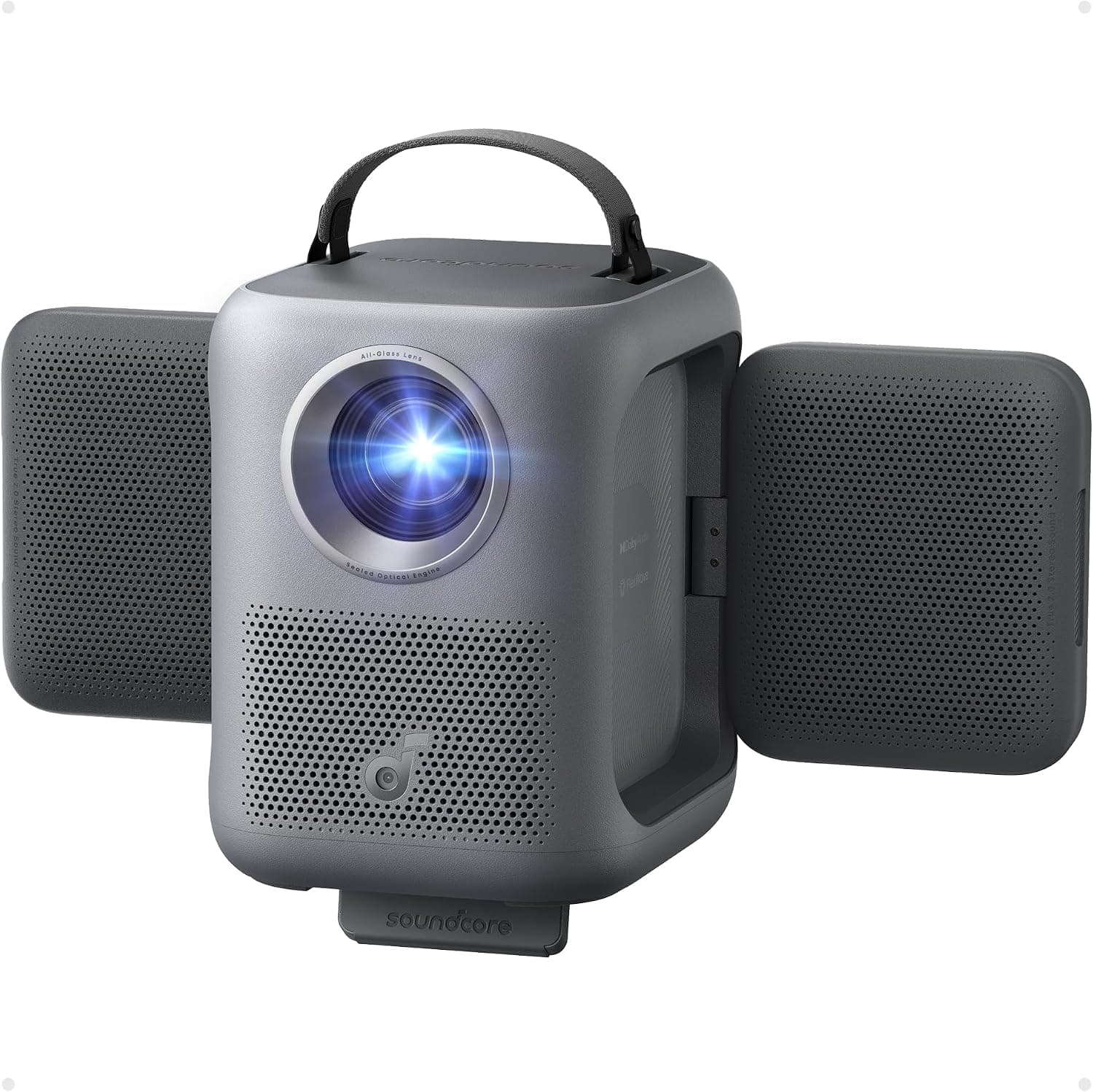
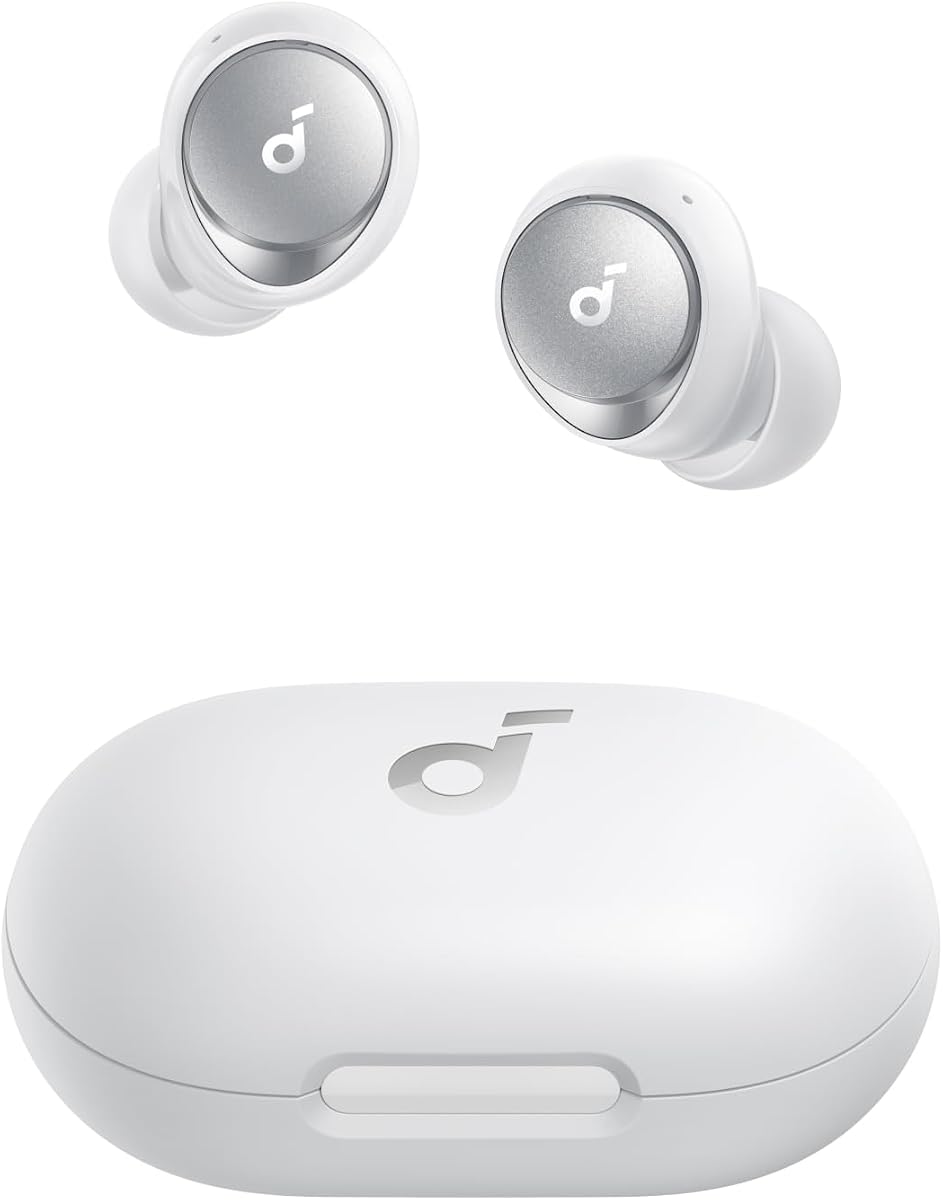
  1. Anker Soundcore Space A40

    Anker Soundcore Space A40

    Best Overall

    Check current price on AmazonBuy on Amazon
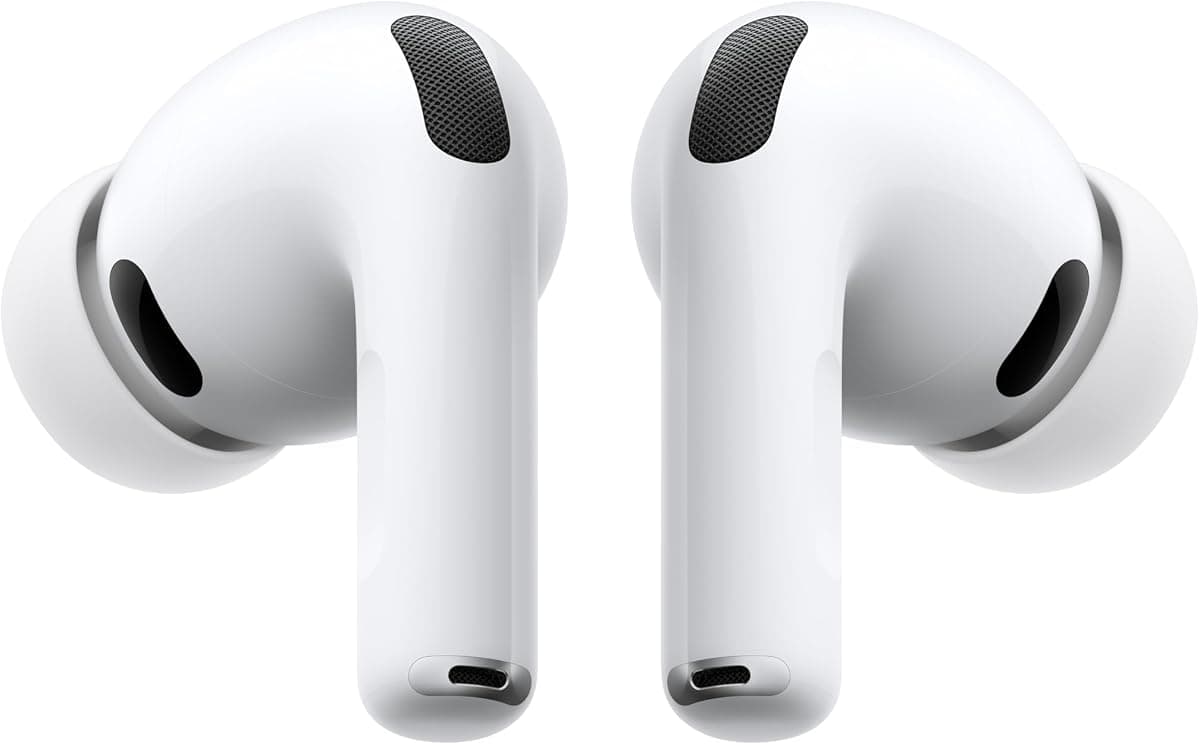
  2. Apple AirPods Pro 3

    Apple AirPods Pro 3

    Apple

    Check current price on AmazonBuy on Amazon
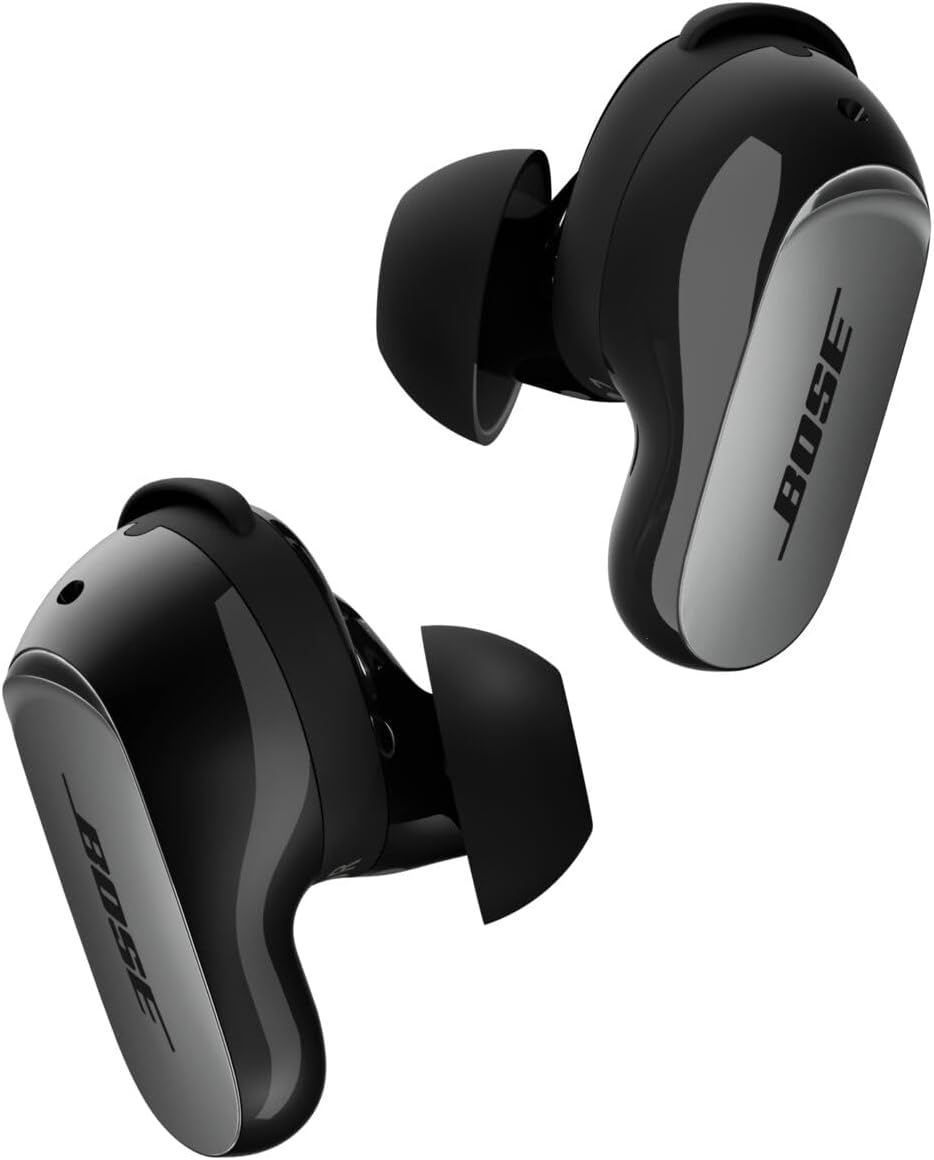
  3. Bose QuietComfort Ultra Earbuds 2nd Gen

    Bose QuietComfort Ultra Earbuds 2nd Gen

    Bose

    Check current price on AmazonBuy on Amazon
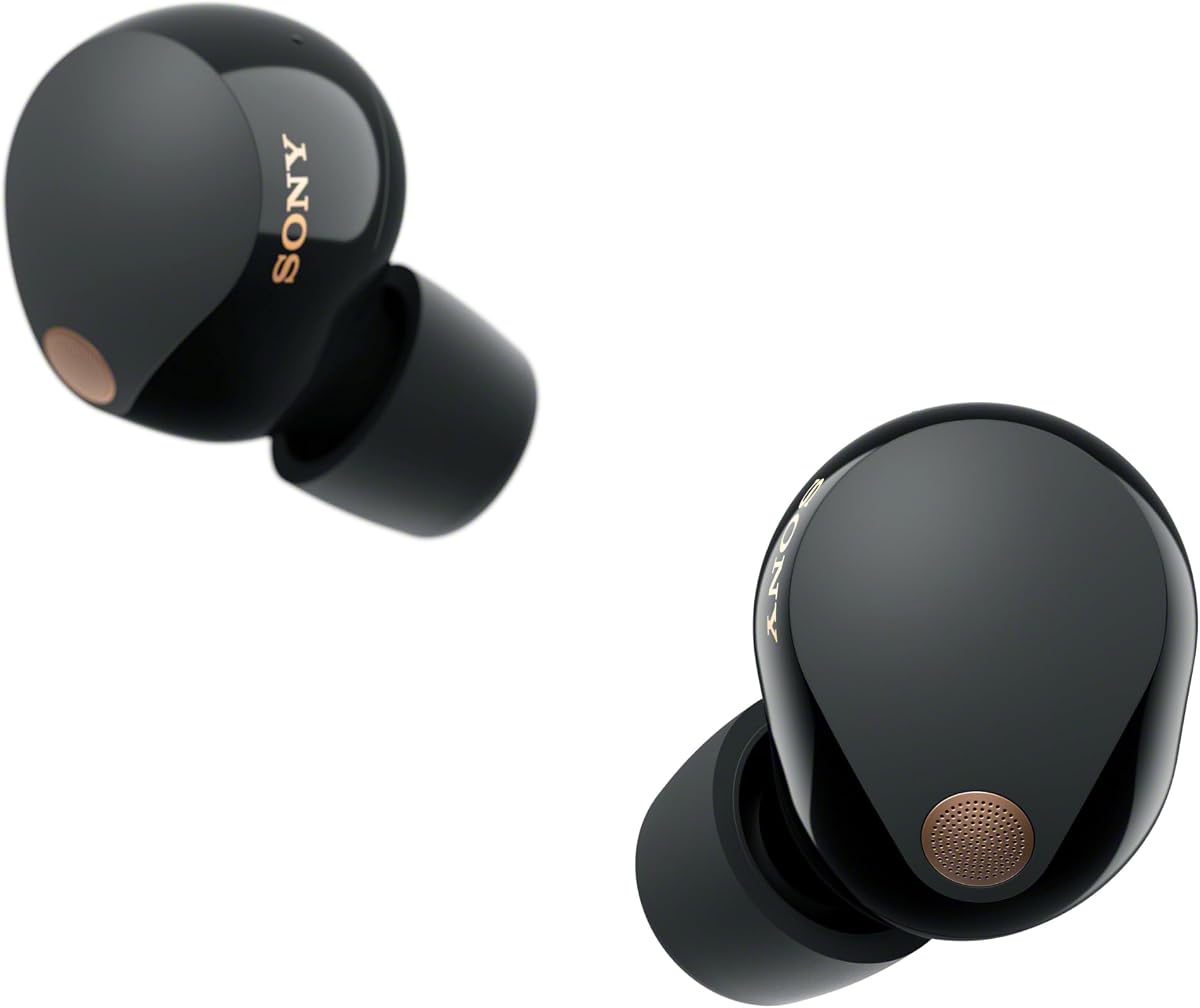
  4. Sony WF-1000XM5

    Sony WF-1000XM5

    Sony

    Check current price on AmazonBuy on Amazon
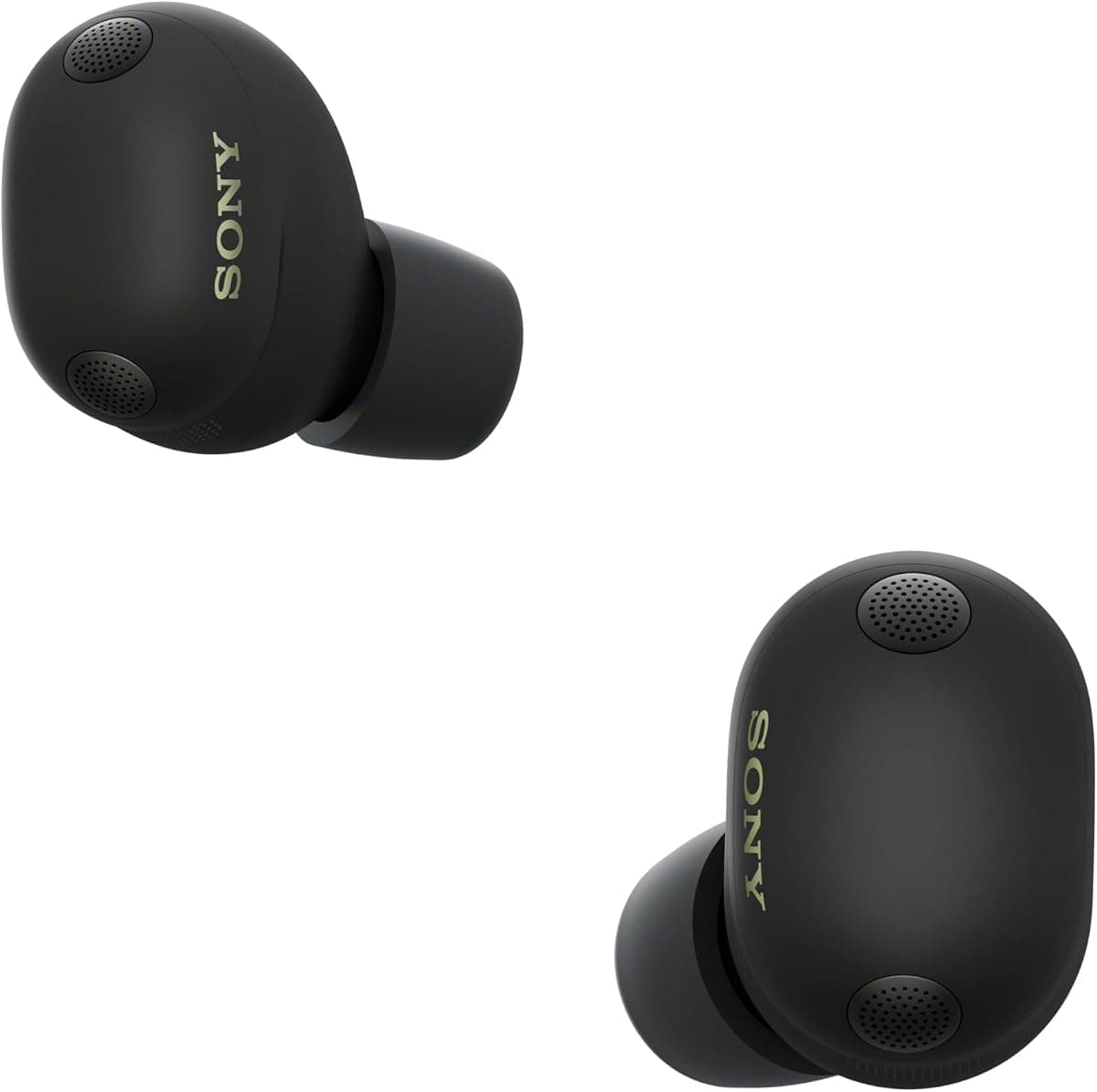
  5. Sony WF-1000XM6

    Sony WF-1000XM6

    Sony

    Check current price on AmazonBuy on Amazon

The picks in detail

Five wireless earbuds ranked algorithmically across demand, trust, value, quality, and durability. Data-driven analysis helps you choose the right pair.

Anker Soundcore Space A40Best Overall

No. 1 · Top pick

Anker Soundcore Space A40

Anker

Check current price on AmazonBuy on Amazon

Why it ranked

This product's position reflects its accessible pricing, extended battery performance, and feature set that includes adaptive noise cancellation and multipoint connectivity. It is rated 4.2 out of 5 from 25,698 ratings on Amazon, as of November 19, 2026.

Strengths

  • Adaptive ANC adjusts automatically to ambient noise levels
  • 50-hour total battery life with charging case supports multi-day use
  • LDAC codec delivers high-resolution audio on compatible devices
  • Multipoint Bluetooth lets you switch seamlessly between two devices

Trade-offs

  • Bass-forward tuning may not suit listeners preferring neutral sound
  • Companion app required for EQ customization and firmware updates
  • IPX4 rating offers basic sweat resistance but not full waterproofing
Apple AirPods Pro 3

No. 2

Apple AirPods Pro 3

Apple

Check current price on AmazonBuy on Amazon

Why it ranked

This product's ranking reflects its deep ecosystem integration, adaptive audio features, and premium build quality within the Apple hardware lineup. It is rated 4.4 out of 5 from 17,282 ratings on Amazon, as of October 31, 2026.

Strengths

  • H2 chip powers adaptive transparency and real-time noise cancellation adjustments
  • Seamless ecosystem integration with automatic device switching across Apple products
  • Conversation Awareness automatically lowers volume when you start speaking
  • Find My integration with speaker in case simplifies locating lost earbuds

Trade-offs

  • Premium pricing limits accessibility for budget-conscious buyers
  • Feature set heavily favors iOS users over Android or Windows
  • 6-hour battery life with ANC trails some competitors in this range
Bose QuietComfort Ultra Earbuds 2nd Gen

No. 3

Bose QuietComfort Ultra Earbuds 2nd Gen

Bose

Check current price on AmazonBuy on Amazon

Why it ranked

This product's ranking is driven by its class-leading noise cancellation, personalized tuning technology, and Bose's reputation for balanced sound reproduction. It is rated 4.0 out of 5 from 3,707 ratings on Amazon, as of October 31, 2026.

Strengths

  • CustomTune technology personalizes ANC and audio output to your ear canal acoustics
  • Noise cancellation performance blocks low-frequency and mid-range noise effectively
  • Nine fit combinations from the Fit Kit accommodate diverse ear shapes
  • SimpleSync connects to Bose smart soundbars for private TV listening

Trade-offs

  • 6-hour battery life with ANC matches category average but doesn't lead
  • Immersive Audio mode drains battery faster than standard playback
  • Touch controls occasionally register unintended inputs during adjustment
Sony WF-1000XM5

No. 4

Sony WF-1000XM5

Sony

Check current price on AmazonBuy on Amazon

Why it ranked

This product's ranking reflects its advanced codec support, adaptive features, and improved fit that appeals to audiophiles and Android users. It is rated 3.8 out of 5 from 6,181 ratings on Amazon, as of October 31, 2026.

Strengths

  • Integrated Processor V2 with dual feedback microphones refines noise cancellation
  • LDAC and DSEE Extreme upscaling support high-resolution audio playback
  • Adaptive Sound Control learns your routine and adjusts settings automatically
  • Bone conduction sensors and AI noise reduction improve call clarity

Trade-offs

  • Spatial audio features work best with compatible Sony or streaming service content
  • Speak-to-Chat sensitivity sometimes pauses playback during background conversation
  • Case size slightly larger than some competitors in this range
Sony WF-1000XM6

No. 5

Sony WF-1000XM6

Sony

Check current price on AmazonBuy on Amazon

Why it ranked

This product's ranking is driven by its comprehensive dimension scores across trust, quality, value, and demand, reflecting strong market signals and Sony's latest technology. It is rated 3.6 out of 5 from 887 ratings on Amazon, as of November 13, 2026.

Strengths

  • Measured across demand, trust, value, quality, and durability in algorithmic scoring
  • Enhanced adaptive sound control responds more quickly to environmental changes
  • 9-hour battery life with ANC active leads among premium models
  • Improved wind noise reduction benefits outdoor use and exercise

Trade-offs

  • Incremental improvements over XM5 may not justify upgrade for existing owners
  • Premium pricing places it at the top end of the category
  • Extensive feature set requires app familiarity for full customization

Compare all 5 picks

Fact
Anker Soundcore Space A40
No. 1Anker Soundcore Space A40Best OverallBuy on Amazon
Apple AirPods Pro 3
No. 2Apple AirPods Pro 3Buy on Amazon
Bose QuietComfort Ultra Earbuds 2nd Gen
No. 3Bose QuietComfort Ultra Earbuds 2nd GenBuy on Amazon
Sony WF-1000XM5
No. 4Sony WF-1000XM5Buy on Amazon
Sony WF-1000XM6
No. 5Sony WF-1000XM6Buy on Amazon
PriceCheck current price on AmazonCheck current price on AmazonCheck current price on AmazonCheck current price on AmazonCheck current price on Amazon
Standout strengthAdaptive ANC adjusts automatically to ambient noise levelsH2 chip powers adaptive transparency and real-time noise cancellation adjustmentsCustomTune technology personalizes ANC and audio output to your ear canal acousticsIntegrated Processor V2 with dual feedback microphones refines noise cancellationMeasured across demand, trust, value, quality, and durability in algorithmic scoring
Main trade-offBass-forward tuning may not suit listeners preferring neutral soundPremium pricing limits accessibility for budget-conscious buyers6-hour battery life with ANC matches category average but doesn't leadSpatial audio features work best with compatible Sony or streaming service contentIncremental improvements over XM5 may not justify upgrade for existing owners
//The Method

How we rank products

At theRANKS, we research and compare products to find the best options in each category.

  1. 01
    Demand

    The retailer sales rank; review velocity over the last three months. Measured on 4 of 5 picks on this page.

  2. 02
    Trust

    The 1-5 rating distribution; negative-review share; polarisation (the J-curve); the star average and its sample size. Measured on 5 of 5 picks on this page.

  3. 03
    Value

    Measured on 5 of 5 picks on this page. The inputs recorded are not yet named here.

  4. 04
    Quality

    The 1-5 rating distribution; the star average and its sample size. Measured on 5 of 5 picks on this page.

  5. 05
    Durability

    Not measured on any pick on this page — 5 pick(s) here carry no evidence for it.

Wireless Earbuds FAQ

  1. How do I choose between the Sony WF-1000XM5 and XM6?
    The WF-1000XM6 offers incremental improvements in adaptive sound control response speed, battery life extending to 9 hours versus 8 hours, and refined wind noise reduction. Both models support LDAC, DSEE Extreme, and 360 Reality Audio with similar noise cancellation foundations. If you already own the XM5, the differences are subtle and may not justify an upgrade. New buyers choosing between them should consider whether the extra hour of battery life and slightly faster environmental adaptation align with their priorities, as both deliver high-resolution audio and comprehensive app customization.
  2. Is it worth spending more for premium earbuds over budget models?
    Premium models offer advanced codec support like LDAC for high-resolution audio, more sophisticated noise cancellation with adaptive processing, and often better call quality through AI noise suppression and bone conduction sensors. Battery life tends to be longer, and build quality typically includes more durable materials and better water resistance. Budget models deliver solid core features including basic ANC, decent battery life, and multipoint connectivity at a fraction of the cost. The value calculation depends on whether you prioritize audio fidelity, advanced adaptive features, and long-term durability versus getting capable everyday performance at an accessible price point.
  3. What does LDAC codec actually do for audio quality?
    LDAC is a high-resolution wireless audio codec developed by Sony that transmits up to three times more data than standard Bluetooth, supporting bitrates up to 990 kbps. This preserves more detail in the original recording, particularly in the treble and spatial imaging, compared to standard SBC or AAC codecs. You need both the earbuds and the source device to support LDAC, which is available on many Android devices but not on iPhones. The difference is most noticeable with high-quality source files and when listening to complex music with wide dynamic range, though casual listeners may not perceive substantial improvement over AAC with compressed streaming content.
  4. Do active noise cancelling earbuds damage your hearing?
    Active noise cancellation itself does not damage hearing. ANC technology uses microphones to capture ambient noise and generates inverse sound waves to cancel it, reducing the overall sound pressure reaching your eardrum. This actually protects hearing by allowing you to listen at lower volumes in noisy environments rather than cranking up the volume to overcome background noise. Hearing damage comes from sustained exposure to high volume levels, regardless of whether ANC is active. The key is maintaining reasonable listening volumes, and ANC helps achieve that by improving the signal-to-noise ratio without increasing playback levels.
  5. How do I get the best fit and seal?
    Start by trying all included ear tip sizes, inserting them so they seal the ear canal without causing pressure or discomfort. A proper seal is critical for both noise cancellation effectiveness and bass response. Some earbuds include fit tests in their companion apps that play test tones to verify seal quality. Experiment with insertion angle, as rotating the earbuds slightly forward or backward can improve stability. If your earbuds include stability wings or bands, match them to the ear tips for secure retention during movement. A good seal should feel comfortable for extended wear and shouldn't require constant readjustment during activities like walking or light exercise.
  6. Can I use wireless earbuds during workouts and in rain?
    Most modern wireless earbuds carry an IPX4 rating, which protects against sweat and light rain splashes from any direction. IPX4-rated models handle typical workout conditions and unexpected light rain during outdoor activities. However, they are not designed for submersion or heavy rain exposure. Some models offer higher ratings like IPX5 or IPX7 for greater water resistance, though these remain uncommon in premium ANC-focused earbuds. After sweaty workouts or wet conditions, wipe the earbuds dry and leave the case open briefly to allow moisture to evaporate. Avoid rinsing them under running water unless the manufacturer specifically states the rating supports it.
  7. What is multipoint connectivity and who needs it?
    Multipoint connectivity lets earbuds pair with two devices simultaneously and switch between them automatically based on which device is actively playing audio or receiving a call. This eliminates the need to manually disconnect and reconnect when moving between your laptop for work calls and your phone for music. The feature benefits remote workers who use multiple devices throughout the day, or anyone who frequently switches between a computer and smartphone. Some implementations handle the transition more smoothly than others, with occasional latency when switching. If you primarily use a single device, multipoint adds little value, but for multi-device users it significantly improves daily workflow.

theRANKS may earn affiliate commissions from qualifying purchases. How that works