How-To
How to Choose a GPS Dog Collar for Active Dogs
Active dogs demand GPS collars that survive trail runs, multi-day hikes, and unpredictable weather—here's how to match hardware, battery life, and subscription models to your routine.
// KEY TAKEAWAYSWhat to know
- The GPS dog collar market reached 3.8 billion dollars in 2026, driven by owners of working breeds and adventure dogs replacing physical fencing with tracking.
- GPS trackers cost 30 to 150 dollars for the device plus 5 to 10 dollars monthly for cellular data, with subscription fees multiplying per dog over multi-year ownership.
- Battery life matters most if your dog spends long periods outside—look for collars lasting at least 10 to 14 days between charges to avoid mid-hike failures.
- Water resistance and durability are essential for active dogs, especially if they run, swim, or play in rough conditions, ensuring devices survive trail conditions.
- No-subscription trackers eliminate recurring fees but sacrifice cloud features; subscription models deliver real-time updates, health monitoring, and geofencing at ongoing cost.
Pet owners with working or hunting breeds represent the fastest-expanding buyer segment as subscription-based geofencing services replace traditional physical fencing. Active dogs—trail runners, backcountry companions, hunting partners—require GPS collars that handle multi-day battery demands, waterproof ratings for creek crossings, and tracking accuracy when cellular towers thin out. The decision splits between no-subscription radio-based trackers that work offline and cellular GPS collars that stream live location data through an app. Each architecture trades cost structure against feature depth. Tracking applications dominate 60 percent of use cases, fueled by rising concern for pet health and real-time monitoring. This guide walks through the six selection criteria that separate reliable field equipment from devices that fail when dogs bolt past property lines.
Step 1: Calculate Your Real Three-Year Cost With Subscription Fees
Key takeaway - Three-year ownership costs for subscription GPS collars range from 357 to over 1,100 dollars depending on the device and plan; multi-dog households face multiplied fees.
A pet GPS tracker has two costs: the device, a one-time purchase often around 30 to 150 dollars depending on the brand, and a subscription, typically 5 to 10 dollars a month, that pays for the cellular data the tracker uses to send your pet's live location to your phone. The hardware price is rarely the total expense. A no-subscription tracker costs 199 to 250 dollars total over three years; a subscription tracker costs 357 to 587 dollars over the same period, and the gap widens significantly with multiple dogs. The subscription trackers start cheaper but the ongoing costs add up quickly. Subscription fees multiply per device—two dogs on Fi Series 3 plus for three years costs 1,174 dollars. Active owners running two or three dogs face the steepest penalty. Before evaluating features, map the three-year and five-year totals for your household dog count. If you need GPS collars ranked by total cost of ownership and feature density, the best GPS pet trackers we ranked cross-reference subscription tiers against battery performance and durability ratings. The math determines which feature set you can afford long-term.
Step 2: Match Battery Life to Your Longest Outdoor Window
Key takeaway - Active dogs require GPS collars with 10 to 14 days of battery life minimum; multi-day backcountry trips demand 48-plus-hour runtime under continuous tracking.
Battery life matters most if your dog spends long periods outside, so look for a collar that can last at least 10 to 14 days between charges. Weekend backpackers and multi-day hunters cannot recharge mid-trip. Cellular GPS collars drain faster than radio-frequency trackers because they continuously ping cell towers for location updates. Some collars deliver 72-hour battery life, the longest on the market. Active-use duration shortens when dogs move constantly or when you request live tracking updates every few seconds rather than periodic pings. Check the manufacturer's active-mode runtime, not standby estimates. If your routine includes three-day trail runs or extended off-grid time, prioritize devices rated for 48 hours or longer under continuous tracking. Shorter battery windows force you to carry charging cables and power banks, adding gear weight. For owners comparing battery performance across ranked models, the best how to choose a pet GPS tracker for active dogs breaks down runtime by tracking mode and dog activity level. Battery capacity becomes non-negotiable when cellular coverage is sparse and you need the collar functional until you return to civilization.
Step 3: Confirm Water Resistance and Physical Durability Ratings
Key takeaway - IP67-rated collars with fiberglass housing survive the creek crossings, mud, and impact that trail dogs encounter; lower ratings risk failure in wet or rough terrain.
Water resistance and durability are essential for active dogs, especially if they run, swim, or play in rough conditions. Trail dogs encounter creek crossings, rain, mud, and brush that exceeds the stress of suburban backyard use. Look for IP67 or higher ingress-protection ratings, which certify submersion tolerance and dust sealing. Collars with lower ratings may survive light rain but fail during river retrieves or prolonged wet conditions. Physical housing matters equally—fiberglass-reinforced cases withstand impacts better than basic plastic shells when dogs squeeze through tight terrain or collide with obstacles at speed. Durability and waterproofing are essential for active or outdoor dogs. Weight also affects durability indirectly: heavier devices bounce more violently during runs, stressing internal components and attachment points. Check the collar's attachment mechanism—clip-on modules can detach during rough play, while integrated collars distribute stress across the entire strap. If your dog swims frequently or works in wet climates, verify the manufacturer specifies saltwater tolerance, as coastal conditions corrode electronics faster than fresh water. Devices that survive active-dog conditions cost more upfront but avoid mid-season replacement expenses.
Step 4: Determine Range Requirements for Your Property and Activities
Key takeaway - Cellular GPS collars provide unlimited range where LTE exists; radio-frequency models limit tracking to a few miles and require line-of-sight proximity for active retrieval.
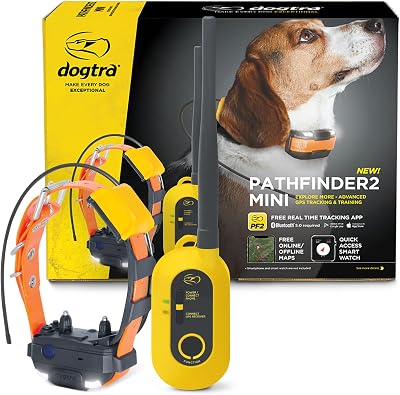
Range and tracking accuracy vary by model, so choose a collar that fits your property size and typical outdoor environment. Cellular GPS collars deliver unlimited range anywhere LTE towers provide coverage, making them ideal for public trailheads, national forests, and road trips. Radio-frequency collars work without subscription fees but limit tracking to line-of-sight distances, typically a few miles in open terrain and much less in dense forest or hilly topography. Subscription-based geofencing services replace traditional physical fencing. For active dogs on large rural properties, radio-based systems require you to stay within signal range—impractical for solo trail runs where you and the dog may separate by miles. Urban and suburban owners operating within predictable zones can function with shorter-range hardware, while backcountry users need cellular-based systems despite the recurring cost. Satellite-hybrid collars combine GPS positioning with radio communication, offering compromise range without monthly fees, but their upfront cost exceeds both pure cellular and pure radio options. Evaluate where you spend 80 percent of outdoor time with your dog, then select range architecture that covers those scenarios without requiring you to modify your routine.
Step 5: Decide Between Real-Time Tracking and Periodic Updates
Key takeaway - Real-time GPS updates every two to three seconds enable pursuit of fast-moving dogs but drain batteries; periodic modes conserve power at the cost of location lag.
Real-time tracking provides continuous updates on your dog's location, enabling you to monitor their movements throughout the day. This is especially beneficial for pet owners with active dogs who enjoy exploring parks, hiking trails, or other outdoor environments. Real-time modes refresh location every two to three seconds, letting you follow a running dog's path as it happens. Periodic update modes—refreshing every 30 seconds to several minutes—conserve battery but introduce lag that complicates pursuit if the dog bolts. Active dogs moving at speed can cover significant distance during a 60-second refresh gap, forcing you to guess direction. Subscription trackers offer more features—automatic escape alerts, health monitoring, unlimited range, and a smartphone app. Real-time tracking drains batteries faster and requires stronger cellular signal, so it works best in areas with reliable LTE. Dogs with high prey drive or poor recall need real-time updates because delay costs you the trail. Calmer dogs exploring fenced acreage tolerate periodic pings. Some collars let you toggle between modes, preserving battery during routine activity and switching to real-time when the dog escapes a geofence boundary. Match update frequency to your dog's bolt risk and your ability to close distance quickly once you detect movement.
Step 6: Evaluate Fit, Weight Limits, and Neck-Size Compatibility
Key takeaway - GPS collar modules must match your dog's neck size and weight; devices over 1.5 ounces cause discomfort on dogs under 20 pounds, reducing consistent wear.
The GPS collar is a lightweight collar that will fit dogs with neck sizes 15 inches to 28 inches. Active dogs need collars that stay secure during sprints, jumps, and rough terrain without choking or sliding. The fiberglass-reinforced case attaches to the collar and weighs only 1.2 ounces, and is available for dogs as small as 9 pounds. Heavier GPS modules—some exceed three ounces—cause discomfort on small or young dogs, leading them to resist wearing the device consistently. Device weight, neck size, contact requirements, and charging time affect data continuity. Gaps in wear produce gaps in the baseline. Check both the manufacturer's minimum dog weight and neck circumference range. Collars designed for large breeds often cannot cinch tight enough for lean working dogs under 40 pounds, allowing the module to rotate or slip. Adjustable webbing helps, but the module's physical dimensions must match your dog's proportions. Dogs with thick coats need longer strap length to account for fur compression. Test fit before committing to multi-year subscriptions—an uncomfortable collar becomes useless if the dog refuses to wear it during actual field activity, negating the investment regardless of feature quality.
The takeaway
Choosing a GPS collar for active dogs requires matching hardware durability, battery architecture, and cost structure to the specific outdoor scenarios your dog encounters most often. Subscription-based cellular trackers deliver real-time updates and unlimited range but impose recurring fees that multiply across multiple dogs and outlast the device's usable lifespan. No-subscription radio-based collars eliminate ongoing costs but constrain tracking range to line-of-sight distances that may not cover backcountry pursuits. Active owners should prioritize water resistance ratings of IP67 or higher, battery life exceeding 10 days, and weight under two ounces for dogs below 40 pounds. The collar that scores highest in controlled reviews may underperform in the field if its battery dies mid-hike or its housing cracks during a creek crossing. Calculate three-year total cost, verify the device survives your dog's actual activity level, and confirm the tracking range covers your routine before selecting a model. For active dogs ranked by durability, battery performance, and total ownership cost, the best GPS pet trackers we ranked cross-references subscription tiers against field-tested reliability to identify which collars deliver consistent location data when trail conditions turn harsh.
the best GPS pet trackers we ranked
Read the ranking →// FREQUENTLY ASKEDQuick answers
- Do GPS dog collars require a monthly subscription?
- Satellite collars like the Garmin Alpha T 20 and Bluetooth trackers like the Apple AirTag don't require monthly subscriptions. Cellular GPS collars that provide real-time tracking through smartphone apps do require subscriptions to cover the data transmission costs. Radio-frequency and satellite-hybrid models avoid monthly fees but limit range or require separate handheld receivers. The subscription funds the SIM card and cellular network access that streams live location data to your phone, which no-subscription devices cannot deliver.
- How much do GPS dog collar subscriptions cost per year?
- Dog GPS collar subscriptions range from 60 to 200 dollars per year, and often have options for monthly, yearly, or multi-year plans. Monthly plans typically cost 5 to 12 dollars but add up faster than annual commitments. Multi-year prepaid plans lower the per-month rate but lock you into a single provider. The annual expense multiplies if you own multiple dogs, as each collar requires its own subscription, making household costs for two or three active dogs exceed the original hardware investment within the first year.
- What is the best GPS collar battery life for hiking?
- Battery life matters most if your dog spends long periods outside—look for a collar that can last at least 10 to 14 days between charges. Multi-day backcountry trips require collars rated for 48 hours or longer under active tracking mode, not standby. Real-time tracking drains batteries significantly faster than periodic update modes. Devices advertising week-long battery life often achieve that duration only in low-power standby, not during continuous GPS pinging, so verify the manufacturer's active-use runtime before committing to a model for extended off-grid hikes.
- Are GPS dog collars waterproof for swimming?
- Water resistance and durability are essential for active dogs, especially if they run, swim, or play in rough conditions. Look for IP67 or IP68 ratings, which certify submersion tolerance beyond surface splashes. Lower-rated collars may survive rain but fail during river retrieves or extended wet exposure. If your dog swims in saltwater, confirm the manufacturer specifies saltwater resistance, as coastal conditions corrode electronics faster than freshwater environments. Waterproof housings protect internal GPS and cellular components from moisture damage that voids warranties and stops tracking mid-activity.
- Do GPS collars work in the mountains without cell service?
- Cellular GPS collars require LTE coverage to transmit location data to your smartphone, so they fail in areas without cell towers. Satellite-based GPS collars and radio-frequency models continue tracking without cellular service, but satellite options often carry higher upfront costs and radio models limit range to line-of-sight distances. Some hybrid collars store location data locally when cell service drops, uploading the tracked path once coverage resumes, but this eliminates real-time updates during the actual hike. Backcountry users should verify coverage maps for their trailheads or select non-cellular tracking architecture.
- How accurate is GPS tracking on dog collars?
- GPS accuracy depends on satellite constellation access, device antenna quality, and terrain. Open terrain delivers positioning within 10 to 30 feet for most consumer GPS collars, while dense forest, canyon walls, and urban buildings degrade accuracy to 50 feet or more. Advances in GPS, biometric sensors, AI analytics, and long-battery IoT connectivity have made smart collars more reliable, affordable, and multifunctional. Dual-frequency GPS collars that access multiple satellite systems simultaneously improve accuracy but increase device cost. Real-time tracking does not improve positional precision—it only reduces the delay between the dog's movement and your awareness of that location.
- What neck size do GPS dog collars fit?
- The GPS collar is a lightweight collar that will fit dogs with neck sizes 15 inches to 28 inches. Most GPS collars specify a minimum and maximum neck circumference range, with smaller models starting around 8 inches for dogs under 20 pounds. Measure your dog's neck at the widest point, then add one to two inches for comfort and coat thickness. Collars with adjustable webbing accommodate growth in puppies and seasonal coat changes, but the physical size of the GPS module itself must match your dog's proportions to prevent rotation or slipping during activity.
- Can I use one GPS collar for multiple dogs?
- GPS collars are single-device trackers—you cannot share one collar between multiple dogs and track them simultaneously. Each dog requires its own GPS collar and, for subscription-based models, its own data plan. The math gets dramatic with multiple dogs. Subscription fees multiply per device—two dogs on Fi Series 3 plus for three years costs 1,174 dollars. Some manufacturers offer multi-pet discounts that reduce the per-collar subscription rate, but the hardware expense and base subscription still multiply by the number of dogs in your household, making no-subscription models more economical for owners of multiple active dogs.
- How long do GPS dog collars last before replacement?
- GPS collar hardware typically lasts two to four years depending on build quality, usage intensity, and environmental exposure. Rechargeable batteries degrade over time, losing capacity after 300 to 500 charge cycles, which reduces effective battery life even if the GPS module continues functioning. Subscription-based collars may receive firmware updates that extend usability, but discontinued models lose cloud support when manufacturers shift to newer hardware. Physical damage from active-dog use—cracked housings, detached modules, corroded charging ports—often ends a collar's lifespan before electronic failure, making durability ratings critical for owners of trail and working dogs.