Head-to-Head
Smart Bird Feeder with AI vs Manual Camera: Which One Wins?
AI feeders automate species recognition and send instant alerts, while manual cameras capture motion clips without subscriptions.
// KEY TAKEAWAYSWhat to know
- AI feeders identify species automatically and send real-time alerts when birds arrive, eliminating manual review of footage.
- Manual camera feeders capture motion-triggered clips without subscriptions but require you to identify species yourself using field guides.
- AI models deliver the best experience for buyers who want instant species notifications and cloud-based storage with app access.
- Manual setups win for budget-conscious birders who prefer local SD card storage and one-time hardware costs under 80 dollars.
Backyard birding camera setups split into two camps: feeders with integrated AI recognition that automatically identify species and send alerts, and manual motion-sensor cameras that capture clips without artificial intelligence. The AI category has expanded rapidly since 2020, with brands competing on species database size, video resolution, and subscription models. Manual camera feeders pair traditional seed hoppers with motion-activated recording, storing footage locally on SD cards. Pricing spans from under 50 dollars for basic manual rigs to over 200 dollars for premium AI models with solar power and cloud storage. Review volume on major platforms shows AI feeders dominate search interest in 2026, but manual cameras retain a loyal following among buyers who want zero recurring fees and simpler setups. This comparison breaks down the pros and cons of each approach, then delivers a clear winner verdict based on buyer-signal analysis and feature trade-offs.
AI-Powered Smart Feeders: Automated Identification and Cloud Alerts
Key takeaway - AI feeders automate species recognition and deliver instant app alerts, eliminating the need to manually review footage or consult field guides.
AI feeders identify over 6,000 bird species automatically, processing images through machine learning algorithms that analyze plumage patterns, beak shapes, and flight behaviors. Motion sensors detect when birds arrive, triggering the camera to capture and identify visitors. The app sends instant notifications with species names, photos, and videos to your smartphone. Models like the Birdbuddy 2 deliver 2K HDR video, a 135-degree field of view, a microphone for birdsong identification, and dual solar panels for charging. Premium subscriptions unlock features like individual bird recognition, illness detection, and personalized wildlife insights. Free tiers typically include species identification with limited cloud storage. AI algorithms cut irrelevant alerts by over 80 percent by filtering out wind-blown branches and passing shadows, while passive infrared sensors detect thermal signatures with up to 96 percent accuracy. Buyers who want real-time species data without manual lookup favor AI models, especially when pairing with community features that share highlights across user networks. The technology transforms passive bird watching into an interactive experience that educates viewers on local wildlife patterns.
Manual Motion-Sensor Cameras: Local Storage Without Subscriptions
Key takeaway - Manual cameras store clips locally on SD cards with no subscriptions, but you identify species yourself using field guides or external apps.
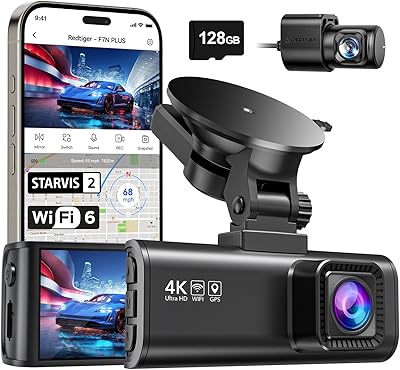
Manual camera feeders attach motion-activated trail cameras or basic smart cameras to traditional seed hoppers, recording clips when movement triggers the sensor. Local microSD cards provide offline access and eliminate subscription costs, storing footage directly on the device for later review. You identify species yourself using field guides or free apps like Merlin Bird ID after downloading clips. Manual setups shoot 3MP video, contain rechargeable batteries, and carry IP66 waterproof ratings suitable for outdoor use, automatically recording videos of birds visiting the feeder. Entry-level manual cameras start under 50 dollars and require no monthly fees, appealing to buyers who want simple one-time hardware costs. The trade-off is in-depth involvement: you review footage manually, label species, and manage SD card storage limits. No cloud sync means you access recordings only when physically retrieving the card or connecting via local Wi-Fi. Manual setups suit birders who enjoy the identification process as part of the hobby and prefer owning their data outright. Buyers seeking the lowest total cost of ownership over multiple years gravitate toward manual cameras, especially when avoiding subscription fatigue from multiple smart-home services. Similar to how dash cams with front and rear recording prioritize local storage over cloud dependence, manual bird feeders eliminate recurring fees.
Video Quality and Field of View: 4K AI Models vs Standard Manual Sensors
Key takeaway - AI feeders deliver 4K resolution and HDR with wide-angle lenses, while manual cameras typically offer 1080P to 2K video sufficient for species ID.
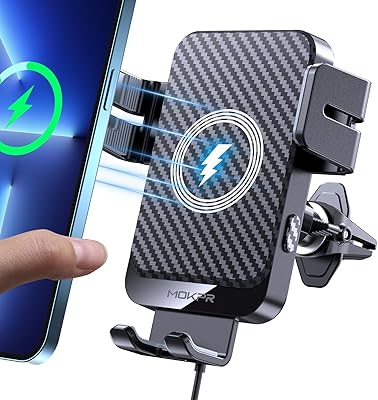
Premium AI feeders like the Birdfy Hum Bloom offer 4K video and 120 fps slow-motion capabilities, capturing fine feather detail and wing movement invisible to the naked eye. High-end models feature 5MP sensors with 2K HDR video, delivering richer contrast and more vibrant colors that make every bird look magazine-quality. Wide-angle lenses reaching 160 degrees capture the entire feeding area without blind spots. Manual cameras typically max out at 2K or 1080P resolution with narrower fields of view, sufficient for species confirmation but lacking the cinematic clarity of AI flagships. The resolution gap matters most when zooming into footage to examine field marks on similar species like House Finches versus Purple Finches. Night vision performance also diverges: AI models with larger sensors and HDR maintain clarity in low light, while basic manual cameras struggle at dawn and dusk when many birds are most active. Buyers prioritizing video quality as a standalone feature lean toward AI models, though manual setups meet identification needs for common backyard species. Just as wireless charging mounts bundle convenience features beyond basic phone holding, AI feeders package superior optics with automated recognition.
Power and Maintenance: Solar AI Feeders vs Battery-Powered Manual Rigs
Key takeaway - Solar AI feeders run indefinitely with triple-panel charging, while manual cameras require periodic battery swaps or USB-C recharging.
AI feeders with triple solar panels keep 5,200mAh batteries topped off indefinitely in most climates without intervention, combining roof-mounted panels with external backup units. Solar-powered AI models eliminate battery swaps and extend deployment time between servicing. Manual cameras run on rechargeable batteries or USB-C charging, requiring periodic removal for recharging unless paired with aftermarket solar accessories. Generous seed capacities like 2 liters reduce refill frequency, though both AI and manual feeders offer similar hopper sizes in comparable price tiers. Weatherproofing varies: premium AI units carry IP65 or IP66 ratings with sealed enclosures protecting electronics from rain and snow, while budget manual cameras may lack robust gaskets and fail in harsh winters. Maintenance burden skews higher for manual setups due to battery management and SD card retrieval, whereas solar AI feeders operate hands-off for weeks. Buyers in remote or hard-to-reach mounting locations favor solar AI models that maximize uptime, while those with easy feeder access tolerate manual battery charging to save on upfront cost. The power trade-off mirrors the convenience versus cost calculus across smart-home categories.
Pricing and Total Cost of Ownership: Subscription Models vs One-Time Hardware
Key takeaway - AI feeders range from 129 to over 200 dollars with optional subscriptions adding 60 to 120 dollars yearly, while manual cameras cost under 90 dollars one-time.
The Birdbuddy 2 retails at 199 dollars and the Birdbuddy 2 Mini at 129 dollars, positioning AI feeders in the premium tier. Some brands offer AI Lifetime Free versions with no activation or extra payments, while AI by Subscription models include a 7-day free trial before recurring fees kick in. Subscription costs for advanced features like extended cloud storage and daily highlights range from 5 to 10 dollars monthly, adding 60 to 120 dollars annually. Manual camera feeders start under 50 dollars and cap near 90 dollars for mid-tier models, with zero ongoing fees. Over a three-year ownership period, a 200-dollar AI feeder with a 10-dollar monthly subscription totals 560 dollars, while a 70-dollar manual setup remains at 70 dollars. Buyers focused on short-term budget constraints or avoiding subscription lock-in choose manual cameras, while those valuing automation and cloud convenience accept the recurring cost. Lifetime-free AI models split the difference, delivering automated recognition without monthly fees at a higher upfront price than manual alternatives. The pricing structure shapes buyer personas: ready-to-buy enthusiasts willing to pay for premium experiences versus problem-aware birders seeking the lowest barrier to entry.
Accuracy and False Positives: AI Confidence Scores vs Manual Verification
Key takeaway - Premium AI models approach 96 percent accuracy with learning corrections, while manual identification depends entirely on your expertise and reference sources.
Bird Buddy tends to be the most accurate AI model, while budget options like Harymor may suggest species that do not exist in your region. Lower-tier AI feeders deliver 70 to 80 percent accuracy on common species, requiring user corrections for tricky identifications. Premium AI systems allow you to correct misidentifications and learn over time, though they occasionally confuse similar species like House Finches and Purple Finches. Manual cameras eliminate false AI suggestions entirely because you perform all identification yourself, consulting authoritative sources like Merlin Bird ID or printed field guides. The manual approach ensures 100 percent accuracy when you invest the time to research field marks, but it demands expertise and effort. AI false positives frustrate buyers in regions with narrow species ranges where the algorithm suggests impossible visitors, while manual setups avoid this friction at the cost of slower identification workflows. Accuracy expectations depend on buyer knowledge: novice birders benefit from AI suggestions as learning aids, while experienced birders trust their own judgment over algorithmic guesses. The verification trade-off parallels user preferences across other automated recognition technologies.
The takeaway
AI-powered smart feeders win for most buyers in 2026. Automated species identification, real-time app alerts, and cloud storage deliver a seamless experience that transforms backyard birding into an interactive educational tool without manual effort. Solar charging and premium video quality justify the higher upfront cost for enthusiasts who value convenience and want instant notifications when rare species visit. Manual camera feeders remain the best choice for budget-conscious birders willing to trade automation for zero subscription fees and local storage control, especially when total cost of ownership over multiple years matters more than real-time alerts. Buyers who enjoy the in-depth identification process and prefer owning their footage outright will find manual setups sufficient for common backyard species. For the majority seeking the richest feature set and lowest friction, AI models deliver superior value despite the price premium. Ready to pick the best option for your setup? Explore the rankings and cross-referenced buyer signals to find the top-scored model in your category.
dash cams with front and rear recording
Read the ranking →// FREQUENTLY ASKEDQuick answers
- Do AI bird feeders require a subscription to identify species?
- Some AI feeders include lifetime-free species identification with no recurring fees, while others require a subscription after a 7-day free trial. The subscription typically costs 5 to 10 dollars monthly and unlocks extended cloud storage, individual bird recognition, and daily highlight reports. Check whether the model you buy includes AI by default or charges separately for advanced features.
- Can manual camera feeders identify birds automatically?
- No. Manual motion-sensor cameras capture video clips when birds trigger the sensor, but they do not identify species automatically. You review footage manually and use field guides or free apps like Merlin Bird ID to confirm species. This in-depth approach eliminates subscription costs but requires your time and expertise.
- How accurate are AI bird feeders at identifying species?
- Premium AI models like Bird Buddy achieve up to 96 percent accuracy on common species and allow you to correct misidentifications so the system learns over time. Budget AI feeders deliver 70 to 80 percent accuracy and occasionally suggest birds that do not exist in your region. Accuracy improves when you verify and correct the AI, building a more reliable database for your yard.
- Which type of feeder works better in areas with poor Wi-Fi?
- Manual camera feeders with local SD card storage work independently of Wi-Fi, storing all footage on the device for offline review. AI feeders typically require 2.4GHz Wi-Fi to send notifications and upload clips to the cloud, though some models cache recordings locally when the connection drops. If your mounting location has weak signal, choose a manual setup or confirm the AI model supports offline recording.
- How much does a good AI bird feeder cost?
- AI feeders range from 129 dollars for compact models like the Birdbuddy 2 Mini to over 200 dollars for flagship units with 4K video, solar panels, and HDR sensors. Add 60 to 120 dollars annually if the model requires a subscription for advanced features. Lifetime-free AI models eliminate recurring fees but carry higher upfront prices than subscription-based alternatives.
- Do solar-powered AI feeders work in winter or cloudy climates?
- Triple solar panel systems on premium AI feeders keep batteries charged in most climates year-round, including overcast regions. The panels combine roof-mounted units with external backup power to maintain charge even during short winter days. In consistently cloudy areas, you may need to recharge the battery manually every few weeks, though solar still reduces maintenance compared to non-solar models.
- Can I use a trail camera as a manual bird feeder camera?
- Yes. Mounting a motion-activated trail camera near a traditional seed hopper creates a manual feeder camera setup. Trail cameras capture clips when birds trigger the sensor and store footage on SD cards with no subscription. This approach works well for budget builds under 70 dollars, though you sacrifice the integrated design and species alerts of purpose-built AI feeders.
- Are manual feeders better for privacy than AI models?
- Manual feeders with local SD card storage keep all footage on the device with no cloud uploads, giving you complete control over your data. Some AI feeders process images on-device rather than in the cloud to address privacy concerns, but most sync clips to cloud servers for app access. If privacy is a priority, choose a manual setup or verify the AI model supports local-only processing.
- Is it worth paying more for 4K video on a bird feeder?
- 4K video reveals fine feather detail and field marks critical for identifying similar species, making it valuable for birders who want to zoom into footage or capture slow-motion wing movement. For casual viewing and common backyard species, 1080P or 2K resolution on manual feeders suffices. If you plan to share clips or study bird behavior closely, the extra cost for 4K delivers noticeable quality gains.