//AR & Smart GlassesUpdated October 2026

Best AR & Smart Glasses: 5 Picks Scored & Ranked

Five AR and smart glasses ranked algorithmically across demand, trust, value, quality, and durability. From AI translation to immersive displays.

94
theRANKS Score5 dimensions
//Top pickBest Overall
Demabon

Scored highest overall by balancing AI functionality, camera quality, and everyday wearability at an accessible price point with strong demand signals in the smart eyewear category.

Typical$159
AI Smart Glasses with Camera and Bluetooth, 8MP 4K Camera
Trust
84
Value
98
Quality
94
Durability
96
Buy on Amazon$159
//The full ranking

All 5, scored

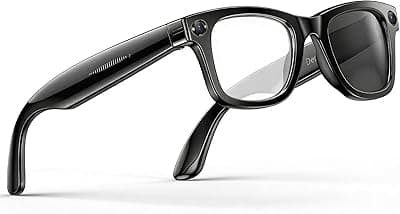
  1. AI Smart Glasses with Camera and Bluetooth, 8MP 4K Camera
    15
    Best Overall
    Demabon

    AI Smart Glasses with Camera and Bluetooth, 8MP 4K Camera

    Scored highest overall by balancing AI functionality, camera quality, and everyday wearability at an accessible price point with strong demand signals in the smart eyewear category.

    Trust
    84
    Value
    98
    Quality
    94
    Durability
    96
    94
    Score
    $158.99
    Buy
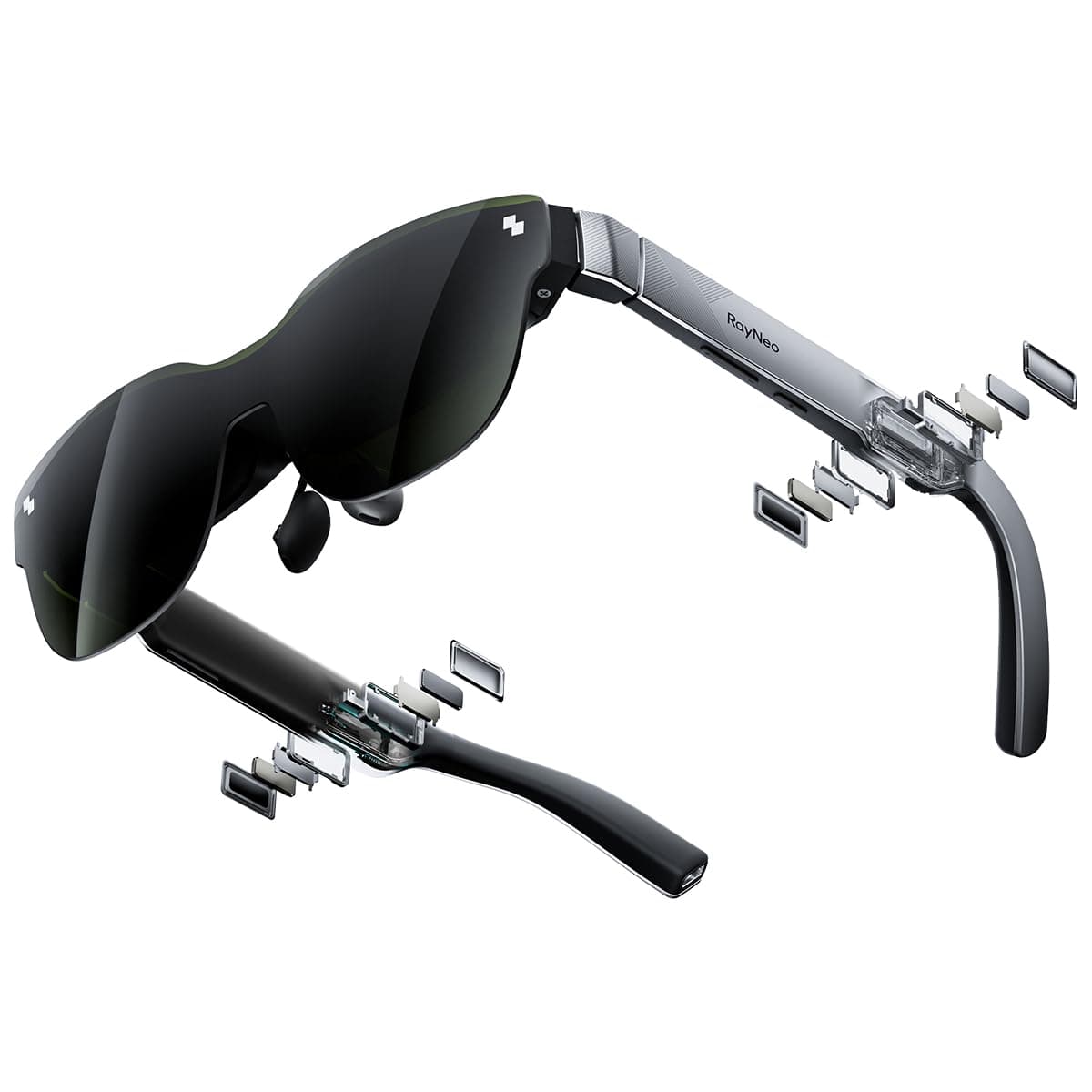
  2. RayNeo Air 3s AR/XR Glasses, 201" at 6m, 120Hz FHD HueView
    25
    RayNeo

    RayNeo Air 3s AR/XR Glasses, 201" at 6m, 120Hz FHD HueView

    Ranked second for delivering exceptional price-to-performance ratio in portable display functionality, with verified buyer consensus highlighting value in the screen extension category.

    Trust
    86
    Value
    90
    Quality
    91
    Durability
    96
    91
    Score
    $269.90
    Buy
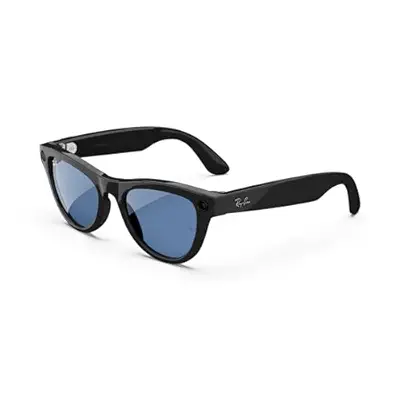
  3. Meta Ray-Ban (Gen 1) Skyler, Shiny Black | Smart AI Glasses
    35
    Ray-Ban

    Meta Ray-Ban (Gen 1) Skyler, Shiny Black | Smart AI Glasses

    Its ranking reflects strong quality and camera scores but narrower appeal compared to Wayfarer's broader adoption, suited for style-focused buyers within Meta ecosystem.

    Demand
    77
    Trust
    93
    Value
    89
    Quality
    88
    Durability
    91
    89
    Score
    $284.99
    Buy
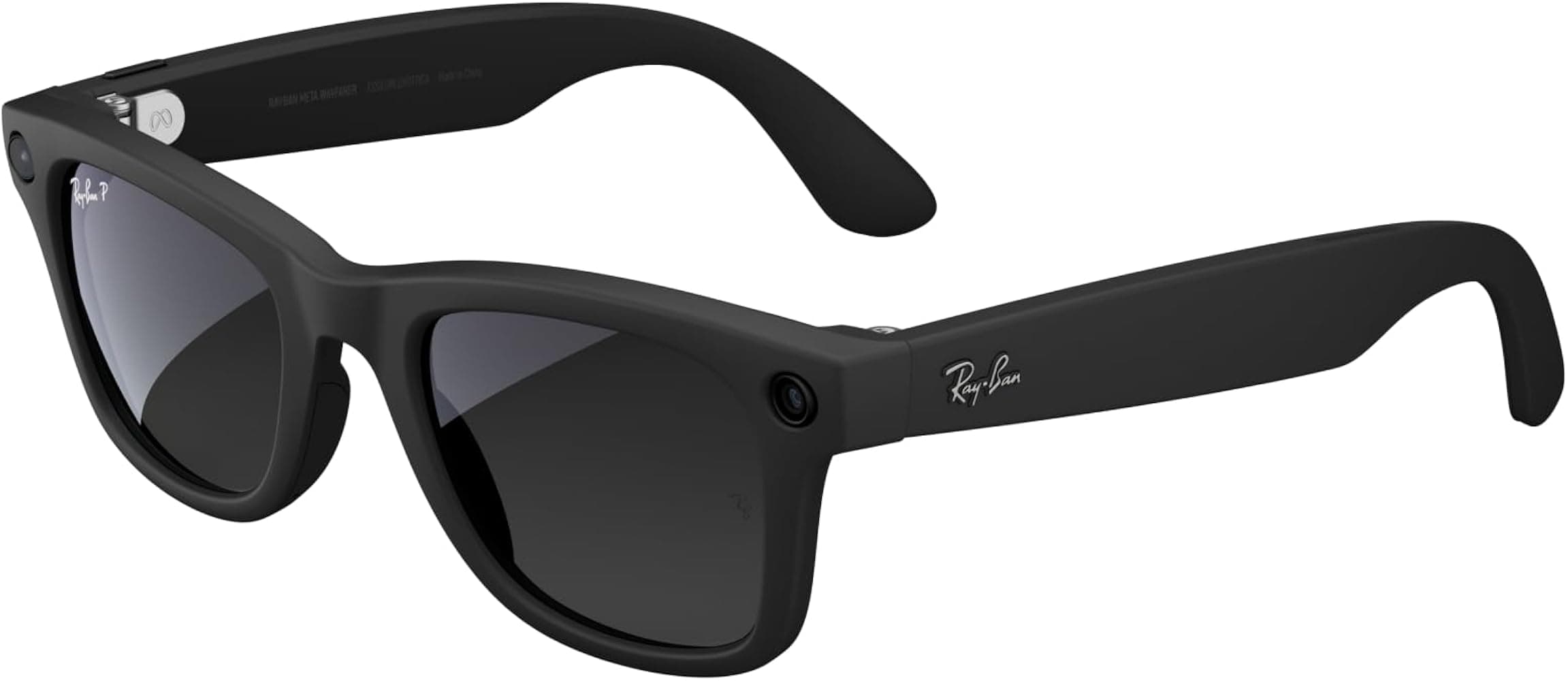
  4. Meta Ray-Ban (Gen 2), Wayfarer, Matte Black | Smart AI
    45
    Ray-Ban

    Meta Ray-Ban (Gen 2), Wayfarer, Matte Black | Smart AI

    Budget designation reflects lower cost than brand's premium variants while delivering extended battery life and full Meta ecosystem integration with strong trust scores.

    Demand
    84
    Trust
    87
    Value
    73
    Quality
    90
    Durability
    96
    87
    Score
    $459.00
    Buy
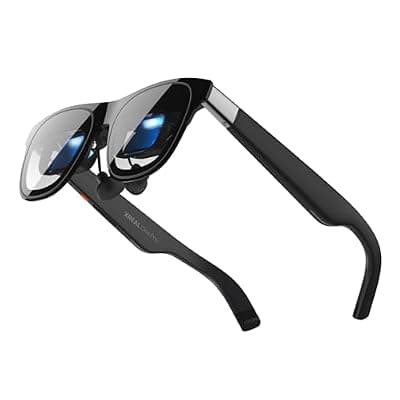
  5. XREAL One Pro AR Glasses with X1 Chip, Native 3 DoF
    55
    Best Premium
    XREAL

    XREAL One Pro AR Glasses with X1 Chip, Native 3 DoF

    Mid-range rank reflects comprehensive AR feature set and strong quality scores, appealing to enthusiasts exploring spatial computing without enterprise-level investment.

    Demand
    80
    Trust
    89
    Value
    68
    Quality
    91
    Durability
    96
    87
    Score
    $599.00
    Buy

People also ask

  1. How do I choose between display AR glasses and smart camera glasses?
    Display AR glasses like the RayNeo Air 3s and XREAL One Pro project virtual screens for media consumption, gaming, and workspace extension, requiring connection to a host device. Smart camera glasses like the AI Smart Glasses and Ray-Ban Meta variants focus on hands-free photography, voice assistance, and audio playback without screen projection. Choose display models if your primary goal is private viewing or screen expansion, and camera-focused models if you prioritize daily wearability with capture and AI features. Consider whether you need the device to function as a screen replacement or a connected assistant.
  2. Are premium AR glasses worth the extra cost for casual users?
    Premium models like the XREAL One Pro justify higher prices through advanced features like spatial tracking, stereoscopic 3D, and dedicated processing chips that enable immersive experiences beyond basic screen mirroring. Casual users seeking simple screen extension or hands-free camera functionality typically find better value in mid-tier or budget options that deliver core features without the complexity. The price difference reflects hardware capabilities most relevant to AR enthusiasts and developers rather than everyday tasks. Assess whether spatial computing features align with your actual use cases before investing in premium tiers.
  3. What refresh rate do I need for gaming on AR glasses?
    A 120Hz refresh rate, like the RayNeo Air 3s offers, provides smooth motion for fast-paced games and high-frame-rate content, reducing blur and improving responsiveness. Lower refresh rates around 60Hz remain acceptable for casual gaming and video streaming but may produce noticeable stuttering in competitive titles. The host device must also support the desired frame rate for the glasses to display it. Verify both the glasses' specifications and your gaming device's output capabilities to ensure compatibility.
  4. Do smart glasses with AI translation actually work reliably?
    AI translation in smart glasses like the top-ranked model performs well with common language pairs such as English-Spanish or English-Mandarin, leveraging cloud-based translation engines for real-time conversion. Accuracy decreases with less common languages and complex technical vocabulary, similar to standalone translation apps. Network connectivity affects performance, as most translation features require internet access for processing. Review consensus indicates these tools work effectively for travel conversations and basic communication but should not replace professional translation services for critical interactions.
  5. How long do smart glasses batteries last in real use?
    Battery life varies significantly by model and usage pattern. Camera and AI-focused glasses like the Ray-Ban Meta variants with extended batteries support full-day use under moderate activity, including intermittent photo capture and voice assistance. Display-intensive AR glasses with wireless operation, such as the XREAL One Pro, typically last three to four hours during continuous screen use. Tethered display glasses draw power from the connected device, extending effective runtime. Active camera recording, streaming, and translation features drain batteries faster than passive audio playback or standby modes.
  6. Can I use AR glasses with prescription lenses?
    Many AR and smart glasses support prescription lens inserts or customization, though availability varies by model and frame style. Ray-Ban Meta variants offer prescription options through the brand's lens program, while dedicated AR viewers like the XREAL line include prescription adapters as separate accessories. Some models, particularly compact camera glasses, may have limited prescription support due to size constraints. Verify prescription compatibility before purchase, as retrofit options can add significant cost and may require manufacturer-specific solutions rather than standard optical lab services.
  7. What is the best option for beginners new to AR technology?
    Beginners benefit most from simpler smart glasses with camera and audio features like the AI Smart Glasses or Ray-Ban Meta Wayfarer, which offer intuitive voice controls and familiar eyewear form factors without the complexity of spatial interfaces. These models provide practical hands-free functionality for daily tasks while introducing wearable AI concepts. Display-focused AR glasses require more setup and adjustment but suit beginners specifically interested in screen extension or media viewing. Starting with a lower-cost model allows experimentation with the technology before committing to premium spatial computing devices with steeper learning curves.
//The Method

Every rank is a composite, not an opinion.

The same five dimensions, the same weights, applied to every product in the category. The composite is recomputed whenever the data moves — typically twice a month — and the rank order updates with it.

  1. 01
    Demand

    The retailer sales rank; review velocity over the last three months. Measured on 3 of 5 picks on this page.

  2. 02
    Trust

    The 1-5 rating distribution; negative-review share. Measured on 5 of 5 picks on this page.

  3. 03
    Value

    Price against the category median; measured quality per pound spent. Measured on 5 of 5 picks on this page.

  4. 04
    Quality

    The 1-5 rating distribution; review text, including the share of it that mentions a defect. Measured on 5 of 5 picks on this page.

  5. 05
    Durability

    Reviews aged three months or more, and the share of them reporting a failure. Measured on 5 of 5 picks on this page.