Best Microphones: 5 Picks Scored & Ranked

Ranked by our composite score across its measured dimensions

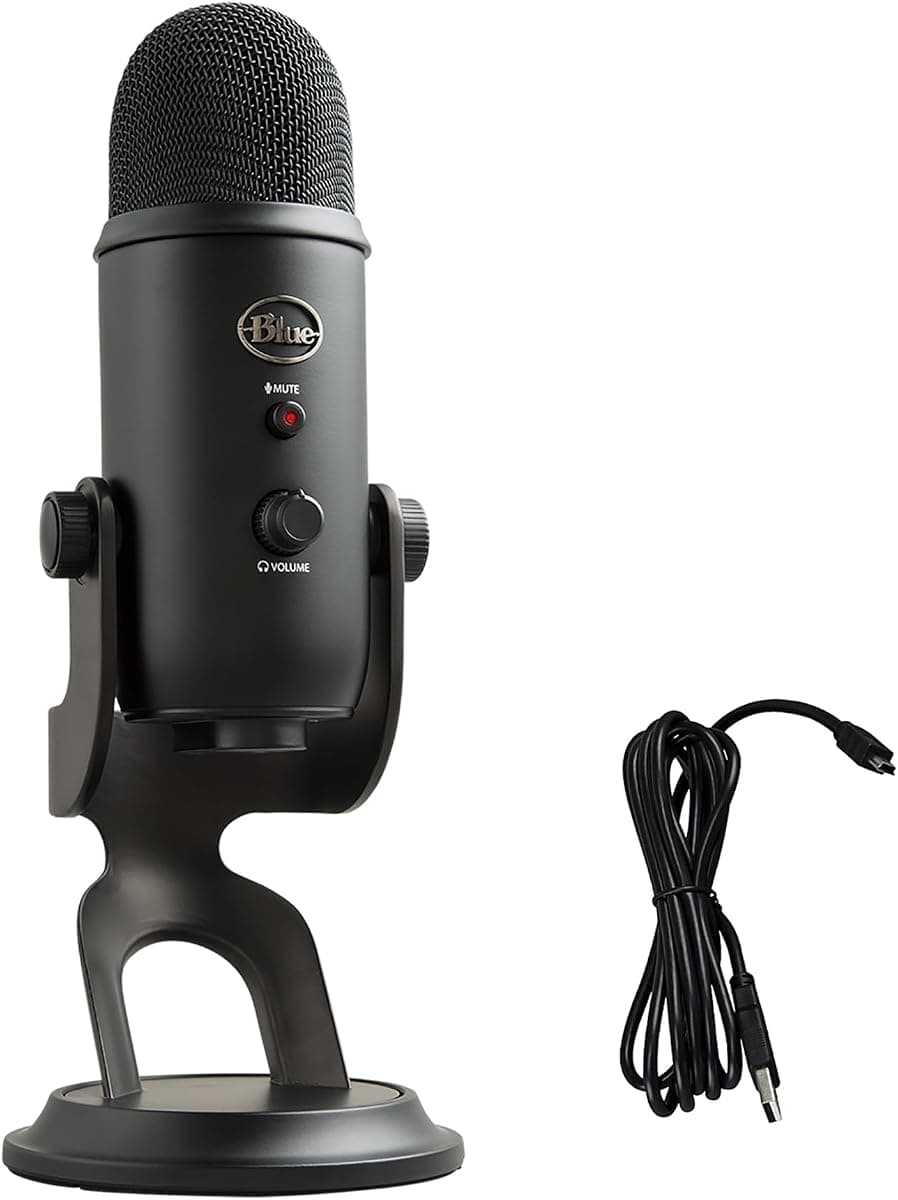
  1. Blue Yeti USB Microphone

    Blue Yeti USB Microphone

    Best Overall

    Check current price on AmazonBuy on Amazon
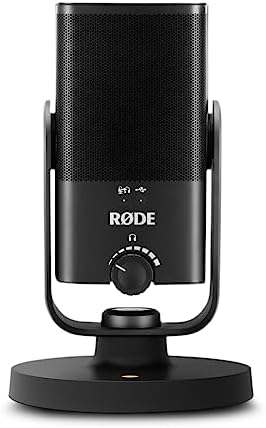
  2. Rode NT-USB Mini

    Rode NT-USB Mini

    Rode

    Check current price on AmazonBuy on Amazon
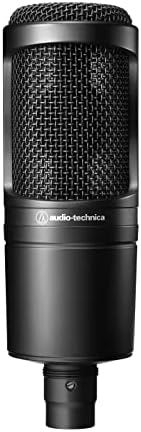
  3. Audio-Technica AT2020

    Audio-Technica AT2020

    Audio-Technica

    Check current price on AmazonBuy on Amazon
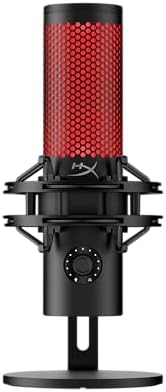
  4. HyperX QuadCast

    HyperX QuadCast

    HyperX

    Check current price on AmazonBuy on Amazon
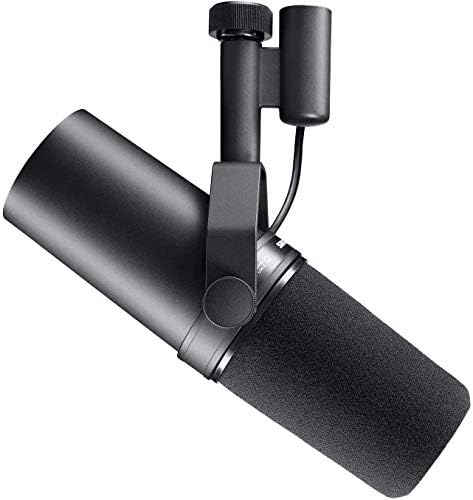
  5. Shure SM7B

    Shure SM7B

    Shure

    Check current price on AmazonBuy on Amazon

The picks in detail

5 microphones scored algorithmically across demand, trust, value, quality & durability. From USB plug-and-play to pro XLR, find your match.

Blue Yeti USB MicrophoneBest Overall

No. 1 · Top pick

Blue Yeti USB Microphone

Blue (Logitech)

Check current price on AmazonBuy on Amazon

Why it ranked

This pick scored across every measured dimension in this ranking—demand, trust, value, quality, and durability—reflecting strong buyer consensus and sustained market performance. It is rated 4.6 out of 5 from 57,215 ratings on Amazon, as of November 13, 2026.

Strengths

  • Four polar patterns switchable on the microphone body for solo, interview, and spatial recording
  • USB plug-and-play with zero-latency headphone monitoring and onboard gain control
  • Scored across all measured dimensions—demand, trust, value, quality, and durability

Trade-offs

  • Sensitive to room noise and keyboard strikes when gain is elevated
  • Bulky footprint on desktop without a boom arm
  • Cardioid mode picks up rear reflections in untreated spaces
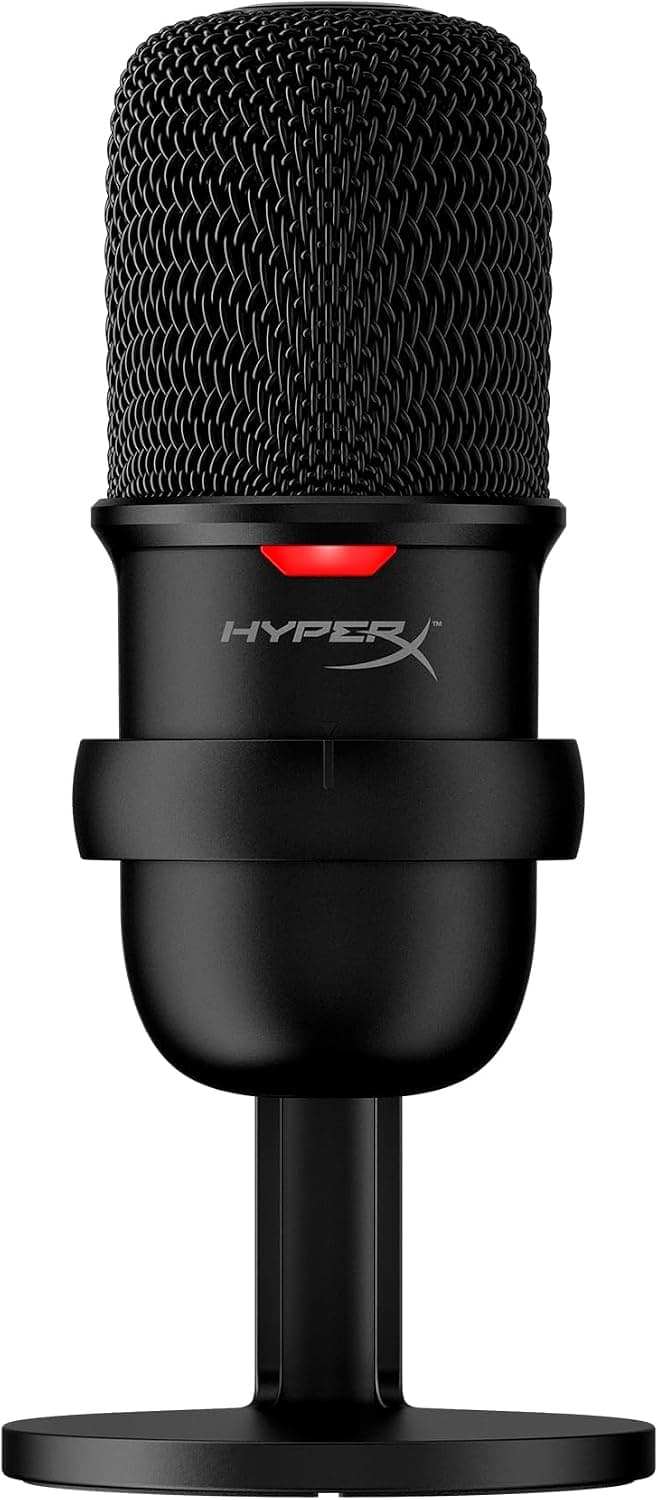
Rode NT-USB Mini

No. 2

Rode NT-USB Mini

Rode

Check current price on AmazonBuy on Amazon

Why it ranked

Earned its place for its compact USB convenience and cross-platform compatibility, offering plug-and-play simplicity for voice-focused recording. It is rated 4.5 out of 5 from 5,486 ratings on Amazon, as of October 31, 2026.

Strengths

  • Compact footprint with detachable magnetic stand suits desktop and portable setups
  • USB plug-and-play with zero-latency monitoring and 24-bit/48kHz resolution
  • Cross-platform compatibility with Mac, Windows, iOS, and Android devices

Trade-offs

  • Fixed cardioid pattern offers no multi-pattern flexibility
  • Lightweight build requires shock mount and boom arm for vibration isolation in active workspaces
  • Gain adjustment happens in software, not on the microphone body
Audio-Technica AT2020

No. 3

Audio-Technica AT2020

Audio-Technica

Check current price on AmazonBuy on Amazon

Why it ranked

Earned its place for its XLR flexibility and integration into existing studio workflows, offering analog signal path and high SPL handling. It is rated 4.7 out of 5 from 15,151 ratings on Amazon, as of November 1, 2026.

Strengths

  • XLR output integrates with audio interfaces and outboard preamps for flexible signal chains
  • Cardioid pattern rejects off-axis sound and minimizes room reflections
  • 144dB SPL handling accommodates loud sources like guitar amplifiers without distortion

Trade-offs

  • Requires phantom power and audio interface, increasing upfront cost
  • High-frequency emphasis can sound bright on sibilant voices without EQ
  • No onboard gain or pattern controls—all adjustments happen at the interface
HyperX QuadCast

No. 4

HyperX QuadCast

HyperX

Check current price on AmazonBuy on Amazon

Why it ranked

Algorithmically earned its place for its integrated shock mount and streaming-focused feature set, balancing USB convenience with vibration isolation. It is rated 4.7 out of 5 from 953 ratings on Amazon, as of November 8, 2026.

Strengths

  • Built-in shock mount isolates capsule from desk vibration and mechanical keyboard noise
  • Tap-to-mute sensor with LED status provides clear visual feedback during live streams
  • Four polar patterns with integrated pop filter and zero-latency headphone monitoring

Trade-offs

  • High sensitivity requires treated space or noise gate to avoid ambient pickup
  • Fixed USB cable limits placement flexibility
  • Gamer-oriented aesthetic may not suit professional studio environments
Shure SM7B

No. 5

Shure SM7B

Shure

Check current price on AmazonBuy on Amazon

Why it ranked

Earned its place for its broadcast-standard noise rejection and warm tonal signature, though the gain demands and price position it for committed users. It is rated 4.8 out of 5 from 12,234 ratings on Amazon, as of November 6, 2026.

Strengths

  • Dynamic capsule with internal shock mount rejects ambient noise and electromagnetic hum
  • Built-in pop filter and rear-panel EQ switches allow tonal shaping before preamp
  • Smooth vocal presence and proximity effect control suit spoken-word and rap vocals

Trade-offs

  • Low output level demands high-gain preamp or inline booster like Cloudlifter
  • Premium price limits accessibility for budget-conscious buyers
  • Requires proper gain staging to achieve optimal signal-to-noise ratio

Compare all 5 picks

Fact
Blue Yeti USB Microphone
No. 1Blue Yeti USB MicrophoneBest OverallBuy on Amazon
Rode NT-USB Mini
No. 2Rode NT-USB MiniBuy on Amazon
Audio-Technica AT2020
No. 3Audio-Technica AT2020Buy on Amazon
HyperX QuadCast
No. 4HyperX QuadCastBuy on Amazon
Shure SM7B
No. 5Shure SM7BBuy on Amazon
PriceCheck current price on AmazonCheck current price on AmazonCheck current price on AmazonCheck current price on AmazonCheck current price on Amazon
Standout strengthFour polar patterns switchable on the microphone body for solo, interview, and spatial recordingCompact footprint with detachable magnetic stand suits desktop and portable setupsXLR output integrates with audio interfaces and outboard preamps for flexible signal chainsBuilt-in shock mount isolates capsule from desk vibration and mechanical keyboard noiseDynamic capsule with internal shock mount rejects ambient noise and electromagnetic hum
Main trade-offSensitive to room noise and keyboard strikes when gain is elevatedFixed cardioid pattern offers no multi-pattern flexibilityRequires phantom power and audio interface, increasing upfront costHigh sensitivity requires treated space or noise gate to avoid ambient pickupLow output level demands high-gain preamp or inline booster like Cloudlifter
//The Method

How we rank products

At theRANKS, we research and compare products to find the best options in each category.

  1. 01
    Demand

    The retailer sales rank; review velocity over the last three months. Measured on 5 of 5 picks on this page.

  2. 02
    Trust

    The 1-5 rating distribution; negative-review share; polarisation (the J-curve). Measured on 5 of 5 picks on this page.

  3. 03
    Value

    Measured on 5 of 5 picks on this page. The inputs recorded are not yet named here.

  4. 04
    Quality

    The 1-5 rating distribution. Measured on 5 of 5 picks on this page.

  5. 05
    Durability

    Not measured on any pick on this page — 5 pick(s) here carry no evidence for it.

Microphones FAQ

  1. How do I choose between USB and XLR microphones?
    USB microphones connect directly to computers via a single cable, providing built-in analog-to-digital conversion and often zero-latency headphone monitoring without requiring an audio interface. XLR microphones output analog signals that require phantom power and an interface or preamp, offering greater flexibility for multi-microphone setups, outboard processing, and professional signal chains. Choose USB for immediate plug-and-play simplicity and solo recording, or XLR when you already own an interface or plan to expand into multi-input recording and analog processing. USB models suit podcasters and streamers prioritizing desktop convenience, while XLR suits home studios integrating multiple inputs and external preamps.
  2. Is it worth spending more for a premium microphone?
    Higher-priced microphones often deliver lower self-noise, wider frequency response, and better off-axis rejection, though the audible difference depends heavily on your recording environment and gain staging. A microphone in the $100-$120 range typically handles spoken-word content and streaming with clarity, while models above $400 reward treated spaces, high-quality preamps, and critical listening applications like vocal tracking or instrument recording. Algorithmic scoring reflects buyer consensus on performance-per-dollar, but your room acoustics, interface quality, and content type determine whether premium features translate to noticeable improvements. Budget your spend across the entire signal chain—interface, cables, acoustic treatment—rather than allocating everything to the microphone alone.
  3. What polar pattern should I use for podcast recording?
    Cardioid patterns capture sound from the front of the microphone while rejecting rear and side sources, making them the standard choice for solo podcasters and reducing room reflections in untreated spaces. Bidirectional patterns capture sound from the front and rear, suited for two-person interviews where guests sit opposite, and omnidirectional patterns capture sound equally from all directions, useful for roundtable discussions or capturing room ambience. Most podcast workflows benefit from cardioid focus to isolate the host's voice and minimize background noise. Multi-pattern microphones allow experimentation, but cardioid remains the default for voice-forward content in home studios.
  4. Do condenser microphones actually sound better than dynamic microphones?
    Condenser microphones use charged diaphragms that respond quickly to transient detail, delivering extended frequency response and sensitivity suited for vocals, acoustic instruments, and studio recording. Dynamic microphones use electromagnetic coils that handle high sound pressure levels and reject ambient noise, making them durable for live sound, loud sources, and untreated spaces. Neither type is universally better—condensers capture nuance and air in controlled environments, while dynamics provide ruggedness and noise rejection in variable conditions. Buyer reviews reflect preference based on recording context, not absolute superiority. Choose condensers for detail in treated spaces, and dynamics for durability and rejection in noisier environments.
  5. How do I reduce microphone pickup of keyboard and mouse noise?
    Position the microphone off-axis from your keyboard, use a shock mount or isolation pad to decouple the microphone from desk vibrations, and activate cardioid or tighter polar patterns to reject off-axis sources. A boom arm suspends the microphone above the desk surface, preventing direct transmission of keystrokes through the desktop. Software noise gates and expanders can suppress low-level noise between speech, though proper mic placement and isolation yield cleaner results before processing. Mechanical keyboard users often switch to quieter switches or membrane boards during recording sessions, and some buyers add desk mats or isolation pads under keyboards to dampen impact.
  6. Can I use a microphone with my smartphone or tablet?
    USB microphones with USB-C outputs or adapters work with Android devices and iPads supporting USB audio input, often recognized without additional drivers in recording apps like Ferrite, Anchor, and Voice Record Pro. Lightning-to-USB adapters enable USB microphones on older iOS devices, though not all microphones draw low enough power to function without external hubs. XLR microphones require iOS-compatible audio interfaces with Lightning or USB-C connectivity. Review your device's USB audio support and power delivery before purchasing, and confirm compatibility with your preferred recording app. Some USB microphones include mobile-specific modes or power-saving features for battery-operated device use.
  7. What is phantom power and which microphones need it?
    Phantom power delivers 48 volts of DC current through XLR cables to energize condenser microphones' charged diaphragms and internal amplification circuits. Audio interfaces, mixers, and standalone preamps supply phantom power via a switch or menu setting, and the voltage travels alongside the audio signal without affecting dynamic microphones. Condenser microphones require phantom power to operate, while dynamic and ribbon microphones do not, though most modern dynamics tolerate phantom power without damage. USB microphones draw power from the USB connection and do not require separate phantom power. Confirm your interface provides phantom power before purchasing XLR condenser microphones, or budget for an inline phantom supply if your preamp lacks the feature.

theRANKS may earn affiliate commissions from qualifying purchases. How that works