Head-to-Head
Smart Ring vs Apple Watch for Sleep Tracking: Which Device Wins on Accuracy?
Smart rings deliver superior sleep-stage accuracy and week-long battery life, but Apple Watch offers ecosystem integration—here's which device wins for your sleep-tracking goals.
// KEY TAKEAWAYSWhat to know
- The Oura Ring matched polysomnography with 79% sleep-stage accuracy, outperforming Apple Watch by up to 10% in clinical testing.
- Smart rings last 7-8 days per charge while Apple Watch Series 11 requires charging every 1-2 days, forcing daily charging routines.
- Apple Watch delivers around 18 hours of battery life, meaning daytime wear drains power before sleep tracking begins at night.
- Nighttime wear compliance is significantly higher with rings than watches, directly impacting long-term sleep data quality.
- Smart rings win for dedicated sleep tracking; Apple Watch wins for buyers prioritizing all-day fitness and notifications over sleep precision.
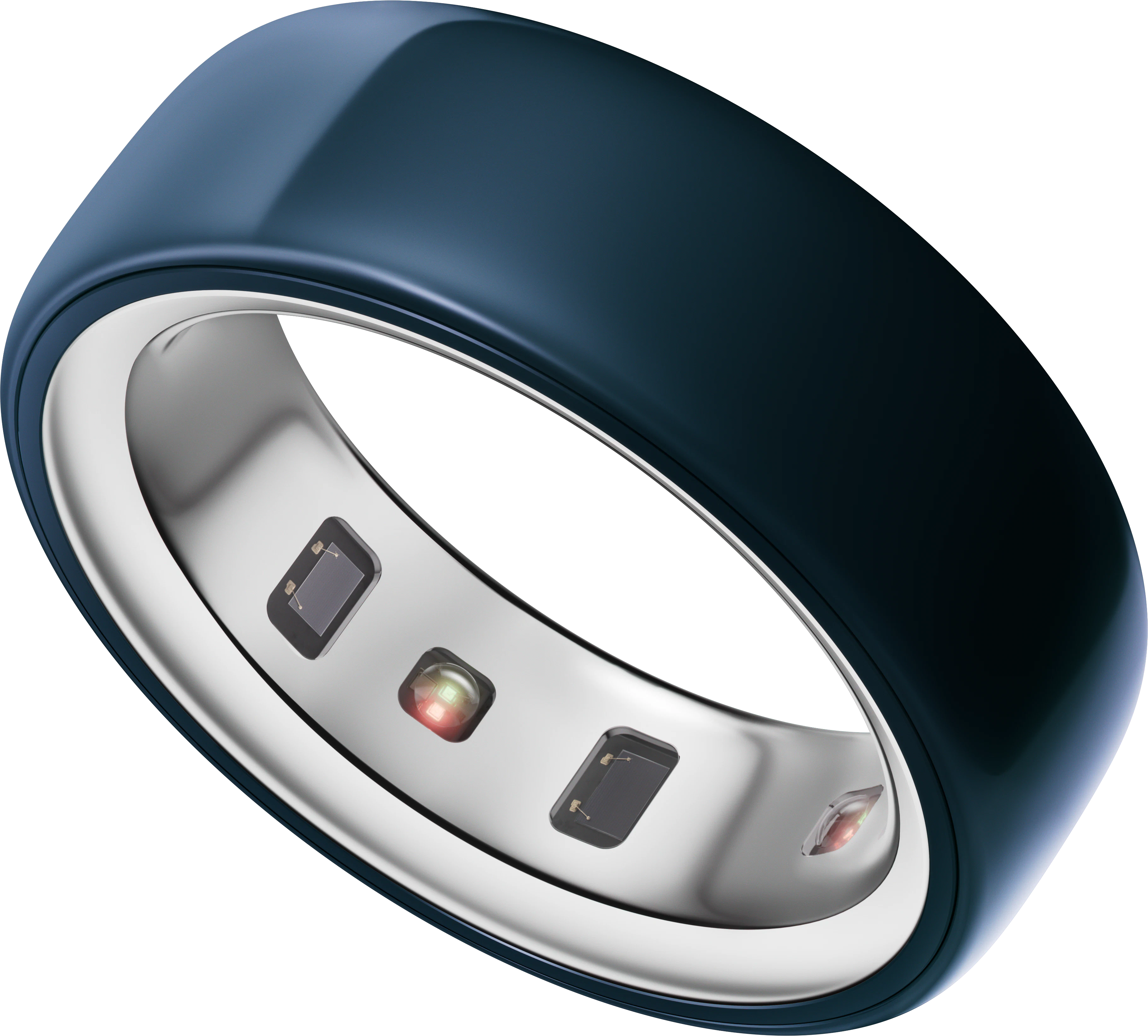
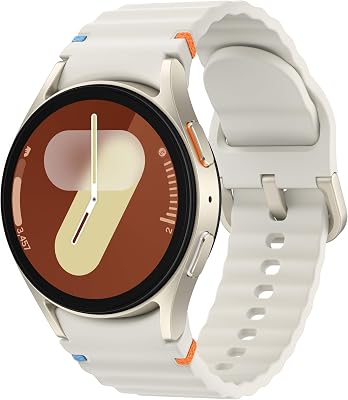
The Oura Ring achieved 79% four-stage sleep classification accuracy when tested against polysomnography, outperforming the Apple Watch Series 8 by up to 10% in clinical validation studies. That performance gap explains why sleep-focused buyers gravitate toward smart rings, while Apple Watch users accept trade-offs for daytime convenience. Apple Watch Series 11 lasts 1-2 days per charge compared to 7-8 days for the Oura Ring 4, and most Apple Watch models deliver around 18 hours of battery life, forcing a daily charging routine that competes with nighttime wear. The comparison breaks down to sensor placement, battery constraints, and whether you prioritize passive sleep accuracy or active daytime features.
Sleep-Stage Accuracy: Why Finger Placement Beats the Wrist
Key takeaway - Finger-based sensors deliver cleaner photoplethysmography signals, translating to 79% sleep-stage accuracy versus Apple Watch's wider 50-86% range.
The arteries in the finger are closer to the skin surface and have a denser capillary network than the wrist, giving photoplethysmography sensors a cleaner signal with less noise from motion or ambient light. That physiological advantage translates into measurable performance differences. For discriminating between sleep stages, Oura Ring sensitivity ranged from 76.0-79.5% with precision of 77.0-79.5%, while Apple Watch sensitivity ranged from 50.5-86.1% with precision of 72.7-87.8%. The Oura Ring was not different from polysomnography in terms of wake, light sleep, deep sleep, or REM sleep estimation, while the Apple Watch underestimated wake by 7 minutes and deep sleep by 43 minutes and overestimated light sleep by 45 minutes. For buyers who want trend data that mirrors clinical sleep assessment, the ring delivers tighter alignment. If you need the best smart rings ranked by signal data, our scoring breaks down which models lead on validated accuracy.
Battery Life: The Hidden Cost of Apple Watch Sleep Tracking
Key takeaway - Apple Watch's 18-hour battery life forces daily charging routines, while smart rings last 7-8 days and eliminate nighttime wear gaps.
Because most Apple Watches deliver around 18 hours of battery life on a charge, if you wear it all day you're likely to run out of power about the time you want to start tracking your sleep, and if the battery dies while you're sleeping the sleep tracking stops as well. If you want to use your watch as a sleep tracker, you will have to set aside an hour or so to charge the device sometime during the day. The Oura Ring 4 lasts approximately 7 to 8 days on a single charge, while the Samsung Galaxy Ring 2 lasts 5 to 7 days. That week-long runtime eliminates charging friction entirely. Consistent nighttime wear is essential for accurate sleep tracking, and compliance is significantly higher with rings than with watches. Daily charging routines erode long-term data consistency, creating gaps in trend analysis. For comparisons across both form factors, our ranked guide to smart ring vs smartwatch sleep tracking scores devices on battery life and compliance signals.
Apple Watch Strengths: Ecosystem Integration and Daytime Features
Key takeaway - Apple Watch integrates free Apple Health tracking, a bright display, and expandable apps, consolidating daytime fitness and sleep into one device.
Apple Watch delivers advantages that smart rings cannot replicate. A sleep tracking function that's cheap and convenient because it's incorporated into the Apple Health app that comes free on every iPhone, and a large bright screen that makes it easy to view basic sleep data without going to your iPhone. The ability to receive notifications, track workouts with GPS, and manage calls from your wrist adds utility beyond sleep. You can download additional apps on the device for in-depth sleep tracking, and Apple plans to offer sleep-tracking upgrades in the future; the watch may not come equipped with cutting-edge sleep data, but the ability to expand on the initial software is definitely an advantage. For buyers already embedded in the Apple ecosystem who want one device for fitness, communication, and sleep, the watch consolidates functions. If you prioritize Apple-specific features and want performance benchmarks, our ranked Apple Watch guide for 2026 scores models on sleep capability and battery trade-offs.
Price and Subscription Trade-Offs
Key takeaway - Oura Ring requires a $5.99 monthly subscription for full sleep data, while Apple Watch sleep tracking is free inside Apple Health.
The Oura Ring is positioned at a premium price point in the sleep tracker market, typically ranging from $299 to $549 depending on the model and finish, and to access the full functionality of the Oura Ring a subscription is required, priced at $5.99 per month. Without a subscription, users are limited to viewing their three daily Oura scores, ring battery status, basic profile information, app settings, and Explore content. Apple Watch pricing starts lower for older models, and sleep tracking lives inside the free Apple Health app with no recurring fee. The Oura subscription unlocks trend analysis, readiness scores, and contributor breakdowns that Apple Health does not natively provide. Buyers who want granular recovery metrics justify the subscription; those who want basic sleep duration and stages favor Apple's no-fee approach. Total cost of ownership over two years favors Apple Watch for budget-conscious buyers unless sleep precision justifies the Oura membership.
Who Should Choose Each Device
Key takeaway - Choose smart rings for sleep-first accuracy and week-long battery; choose Apple Watch for all-day fitness, notifications, and ecosystem integration.
Smart rings win for buyers who prioritize sleep-stage accuracy, passive health monitoring, and week-long battery life. The Oura Ring 4 builds on its advantage with its proprietary Readiness Score, body temperature deviation tracking, and detailed sleep staging with contributor analysis. If you want a device you charge once per week and forget, the ring eliminates daily friction. Apple Watch wins for buyers who want one wearable for daytime fitness, notifications, and sleep tracking, and who accept daily charging as part of the routine. It's not an effective replacement for a fitness tracker or smartwatch for tracking exercise. If you train with GPS workouts, manage calls from your wrist, or rely on Apple ecosystem integration, the watch consolidates functions the ring cannot deliver. For a complete breakdown of both categories, our scored comparison of smart ring vs smartwatch sleep tracking ranks devices on accuracy, battery, and buyer-signal data.
The takeaway
Smart rings win for sleep tracking on validated accuracy and battery life. The Oura Ring matched polysomnography with 79% sleep-stage accuracy, outperforming Apple Watch by up to 10% in clinical studies. Seven-day battery life versus Apple Watch's 18-hour runtime eliminates the daily charging friction that erodes nighttime wear compliance. Apple Watch wins for buyers who prioritize daytime utility and already own an iPhone, accepting sleep-tracking compromises for GPS workouts, notifications, and free Apple Health integration. If sleep data drives your purchase and you want a device that disappears on your finger for a week, the smart ring delivers superior performance. If you want one wearable for all-day fitness and sleep, and you charge nightly anyway, Apple Watch consolidates functions into a familiar form factor. The winner depends on whether you optimize for sleep precision or daytime convenience.
the best smart rings
Read the ranking →// FREQUENTLY ASKEDQuick answers
- Is a smart ring more accurate than Apple Watch for sleep tracking?
- Yes, the Oura Ring achieved 79% four-stage sleep classification accuracy when tested against polysomnography, outperforming the Apple Watch by up to 10% in clinical validation. Finger arteries are closer to the skin surface and have a denser capillary network than the wrist, giving photoplethysmography sensors a cleaner signal with less noise. That physiological advantage translates into tighter sleep-stage estimates and fewer over- or underestimations compared to medical-grade benchmarks.
- How much does the Oura Ring cost compared to Apple Watch?
- The Oura Ring typically ranges from $299 to $549 depending on the model and finish, and requires a subscription priced at $5.99 per month to access full functionality. Apple Watch pricing starts lower for older models, and sleep tracking lives inside the free Apple Health app with no recurring fee. Total cost of ownership over two years favors Apple Watch unless you value the granular recovery metrics and readiness scoring that Oura's subscription provides.
- Does Apple Watch battery life support sleep tracking?
- Most Apple Watches deliver around 18 hours of battery life on a charge, so if you wear it all day you're likely to run out of power about the time you want to start tracking your sleep, and you will have to set aside an hour or so to charge the device sometime during the day. The Oura Ring 4 lasts approximately 7 to 8 days on a single charge. That week-long runtime eliminates the daily charging friction that Apple Watch users must manage to maintain nighttime wear.
- Can I use Apple Watch for sleep tracking without a subscription?
- Yes, Apple Watch includes a sleep tracking function that's cheap and convenient because it's incorporated into the Apple Health app that comes free on every iPhone. The built-in Sleep app allows you to set a customized alarm, activate sleep mode to hinder nighttime disturbances, and view basic sleep metrics such as time asleep. Unlike the Oura Ring, which requires a monthly subscription for full data access, Apple Watch sleep tracking has no recurring fee beyond the device purchase.
- Which device is better for long-term sleep data consistency?
- Consistent nighttime wear is essential for accurate sleep tracking, and compliance is significantly higher with rings than with watches. The Oura Ring 4 lasts approximately 7 to 8 days on a single charge, eliminating the daily charging routines that create gaps in data collection. Smart rings win on long-term consistency because their week-long battery life removes the friction that causes Apple Watch users to skip nights when charging schedules conflict with sleep tracking.
- Does the Apple Watch track sleep stages as accurately as a smart ring?
- For discriminating between sleep stages, Oura Ring sensitivity ranged from 76.0-79.5% with precision of 77.0-79.5%, while Apple Watch sensitivity ranged from 50.5-86.1% with precision of 72.7-87.8%. The Oura Ring was not different from polysomnography in terms of wake, light sleep, deep sleep, or REM sleep estimation, while the Apple Watch underestimated wake and deep sleep and overestimated light sleep. Smart rings deliver tighter sleep-stage accuracy.
- What are the main advantages of Apple Watch over a smart ring for sleep?
- Apple Watch offers a sleep tracking function incorporated into the free Apple Health app, and a large bright screen that makes it easy to view basic sleep data without going to your iPhone. The watch consolidates daytime fitness tracking, GPS workouts, notifications, and communication into one device. You can download additional apps on the device for in-depth sleep tracking, and the ability to expand on the initial software is an advantage. If you want one wearable for all-day utility, Apple Watch delivers broader functionality.
- Should I buy a smart ring or Apple Watch for sleep tracking in 2026?
- Buy a smart ring if sleep-stage accuracy and week-long battery life are your top priorities. The Oura Ring achieved 79% sleep-stage accuracy in clinical testing, outperforming Apple Watch by up to 10%. Buy an Apple Watch if you want one device for daytime fitness, notifications, and sleep, and you accept daily charging routines. Apple Watch delivers around 18 hours of battery life, requiring daily charging that competes with nighttime wear. The winner depends on whether you optimize for sleep precision or all-day convenience.
- How does nighttime comfort compare between smart rings and Apple Watch?
- Consistent nighttime wear is essential for accurate sleep tracking, and compliance is significantly higher with rings than with watches. Smart rings eliminate the wrist bulk and screen distractions that can interfere with sleep, and their lightweight design fades into the background. Apple Watch users report comfort varies by band choice and personal preference, but the larger form factor and screen presence create more nighttime friction. Buyers who prioritize passive, distraction-free tracking favor rings for long-term wear consistency.