Best Smart Rings: 5 Picks Scored & Ranked

Ranked by our assessment of each product

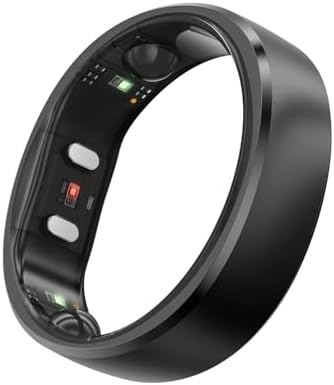
  1. POBOVi Ring OnePlus (Black, Size 9)

    POBOVi Ring OnePlus (Black

    Best Overall

    $139.99Buy on Amazon
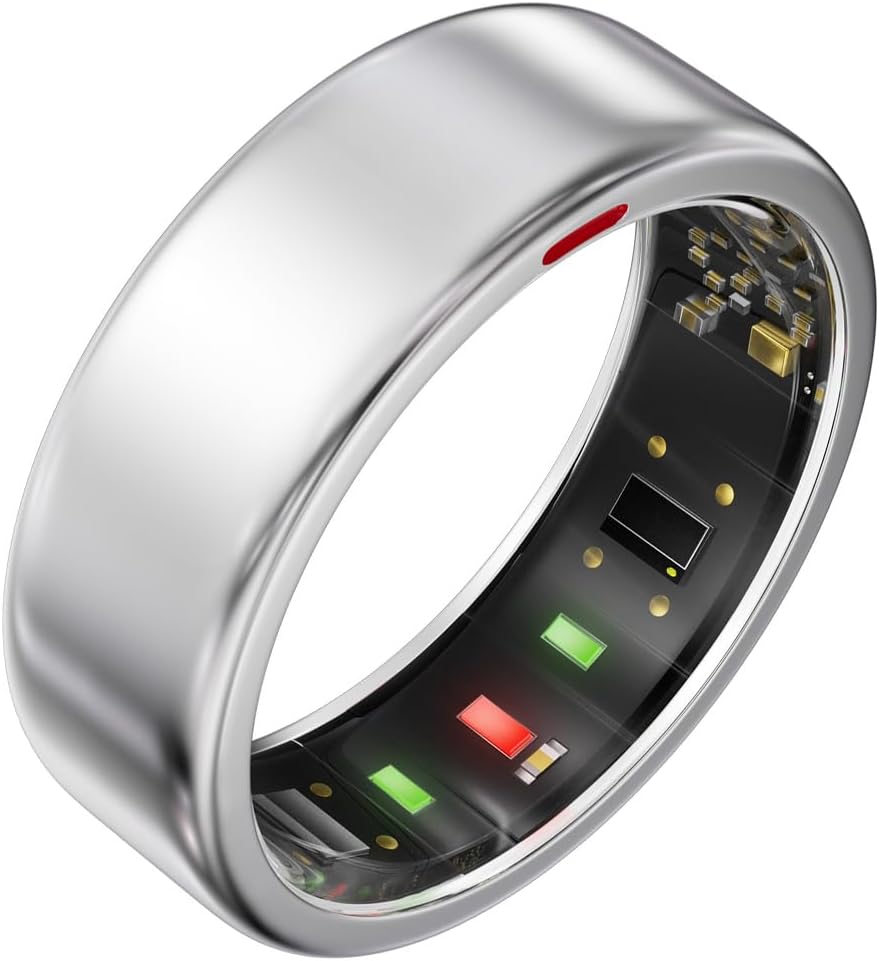
  2. RingConn Gen 2 Air

    RingConn Gen 2 Air

    RingConn

    $199.00Buy on Amazon
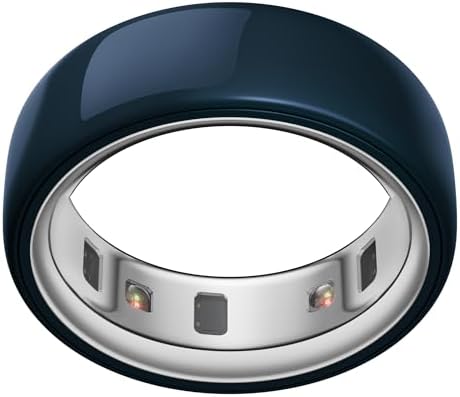
  3. Oura Ring 4

    Oura Ring 4

    Oura

    $279.00Buy on Amazon
  4. RingConn Gen 2, World’s First Smart Ring with Sleep Apnea

    RingConn Gen 2

    RingConn

    $299.00as of Nov 5Buy on Amazon
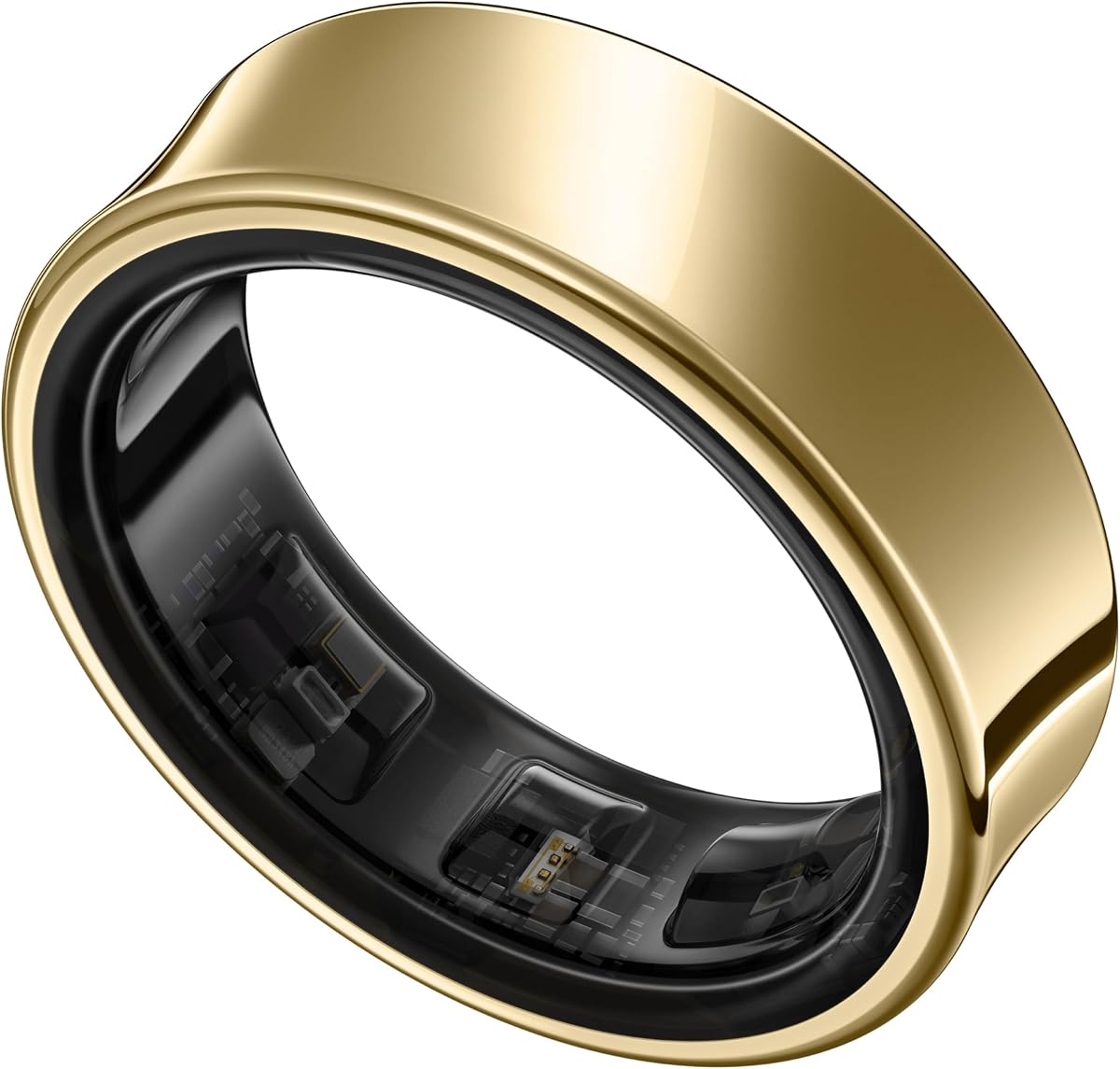
  5. SAMSUNG Galaxy Ring, AI Smart Ring, Size First w/Sizing

    SAMSUNG Galaxy Ring

    Best Premium

    $394.99Buy on Amazon

The picks in detail

5 smart rings ranked by demand, trust, value, quality & durability. From Oura Ring 4 to budget picks with sleep tracking and health insights.

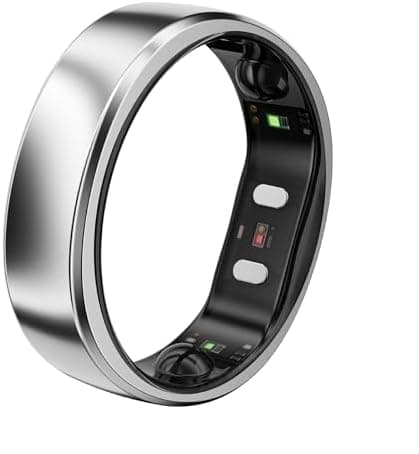
POBOVi Ring OnePlus (Black, Size 9)Best Overall

No. 1 · Top pick

POBOVi Ring OnePlus (Black, Size 9)

POBOVi

Why it ranked

Earned its place for delivering core health tracking fundamentals in ultra-thin design at entry-level pricing without premium ecosystem features. It is rated 4.3 out of 5 from 899 ratings on Amazon, as of November 7, 2026.

Strengths

  • 1.8mm ultra-thin profile minimizes sleep disruption and works under gloves for manual work
  • Seven-day battery life maintains full-week tracking despite slim form factor
  • The price point with no subscription makes it accessible entry point for smart ring adoption
  • Subscription-free app provides core sleep and activity data without ongoing fees

Trade-offs

  • Sleep staging accuracy trails clinical-grade devices though directionally useful for pattern identification
  • Activity monitoring works best for walking and running rather than strength training or cycling
  • Limited long-term durability data and smaller verified buyer base compared to established brands
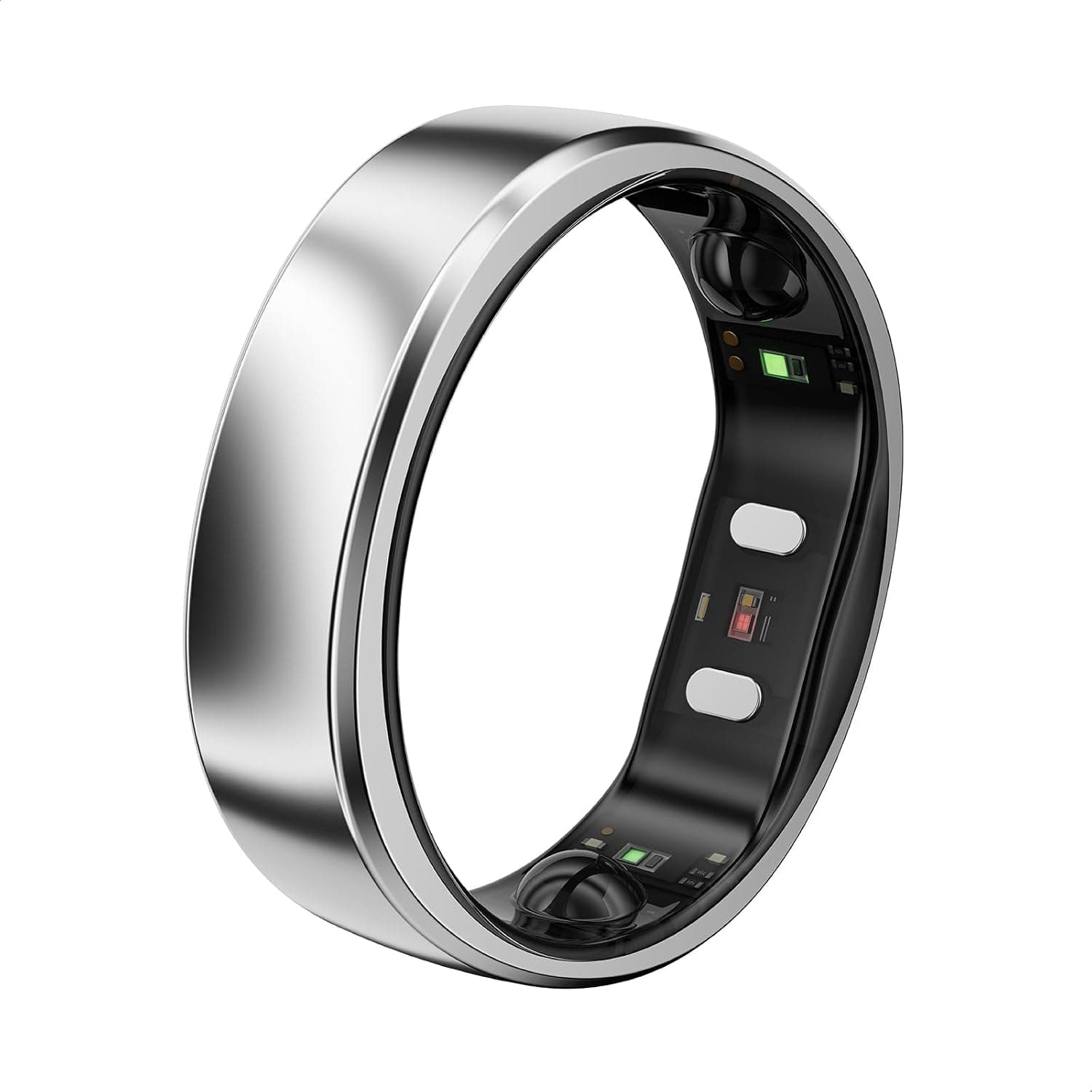
RingConn Gen 2 Air

No. 2

RingConn Gen 2 Air

RingConn

Why it ranked

Scored across trust, quality, value, and demand. It is rated 4.2 out of 5 from 4,923 ratings on Amazon, as of November 2, 2026.

Strengths

  • Ultra-thin and lightweight design is comfortable to wear continuously.
  • No monthly membership fee required for standard features.
  • Tracks fitness, sleep, stress, and heart rate with detailed health insights in the app.

Trade-offs

  • App navigation and usability are not intuitive.
Oura Ring 4

No. 3

Oura Ring 4

Oura

Why it ranked

Earned its place based on highest combined scores for sensor accuracy, data depth, and ecosystem maturity across all five algorithmic dimensions. It is rated 4.5 out of 5 from 834 ratings on Amazon, as of November 2, 2026.

Strengths

  • Most accurate sleep staging and readiness scores among consumer wearables based on review consensus
  • Ceramic Midnight finish provides superior scratch resistance for long-term daily wear
  • AI Advisor delivers personalized health insights that adapt to your biometric trends
  • Women's health tracking includes cycle prediction and temperature-based fertility windows

Trade-offs

  • $5.99 monthly subscription required for full feature access adds $72 annually to total cost
  • Ceramic version adds slight weight compared to titanium that smaller hands notice initially
  • Daytime activity tracking still trails dedicated fitness watches for workout intensity detection
RingConn Gen 2, World’s First Smart Ring with Sleep Apnea

No. 4

RingConn Gen 2, World’s First Smart Ring with Sleep Apnea

RingConn

$299.00as of Nov 5Buy on Amazon

Why it ranked

A RingConn Gen 2 smart ring with no subscription fees, listed with sleep apnea monitoring. It is rated 4.0 out of 5 from 7,791 ratings on Amazon, as of November 5, 2026.

Strengths

  • Zero subscription fees mean you own all features and data outright without recurring costs
  • Seven-day battery life with travel charging case offers multi-charge capacity on the go
  • Aerospace-grade titanium construction with inner comfort layer reduces skin irritation

Trade-offs

  • Activity tracking during high-intensity workouts shows more variance than chest-strap monitors
  • Newer market presence means less long-term durability data compared to established brands
  • App ecosystem lacks third-party integrations available on Oura or Samsung platforms
SAMSUNG Galaxy Ring, AI Smart Ring, Size First w/SizingBest Premium

No. 5

SAMSUNG Galaxy Ring, AI Smart Ring, Size First w/Sizing

SAMSUNG

Why it ranked

Earned its place through zero subscription costs and Samsung ecosystem integration despite higher upfront price than actual low-cost options. It is rated 3.0 out of 5 from 1,556 ratings on Amazon, as of November 11, 2026.

Strengths

  • No subscription fees combined with Samsung Health ecosystem integration maximizes total cost of ownership value
  • Sizing kit ships first allowing multi-day fit testing before final ring commitment
  • Deep integration with Galaxy Watch and Samsung phones creates unified health dashboard
  • AI-powered insights generate personalized recommendations based on your biometric trends

Trade-offs

  • 7.0mm width and 2.6mm thickness make it bulkier than Oura for smaller fingers
  • Activity tracking during high-movement workouts lags behind wrist-worn device responsiveness
  • Ecosystem advantages favor Android users while iPhone compatibility remains limited

Compare all 5 picks

Fact
POBOVi Ring OnePlus (Black, Size 9)
No. 1POBOVi Ring OnePlus (BlackBest OverallBuy on Amazon
RingConn Gen 2 Air
No. 2RingConn Gen 2 AirBuy on Amazon
Oura Ring 4
No. 3Oura Ring 4Buy on Amazon
RingConn Gen 2, World’s First Smart Ring with Sleep Apnea
No. 4RingConn Gen 2Buy on Amazon
SAMSUNG Galaxy Ring, AI Smart Ring, Size First w/Sizing
No. 5SAMSUNG Galaxy RingBest PremiumBuy on Amazon
Price$139.99$199.00$279.00$299.00as of Nov 5$394.99
Standout strength1.8mm ultra-thin profile minimizes sleep disruption and works under gloves for manual workUltra-thin and lightweight design is comfortable to wear continuously.Most accurate sleep staging and readiness scores among consumer wearables based on review consensusZero subscription fees mean you own all features and data outright without recurring costsNo subscription fees combined with Samsung Health ecosystem integration maximizes total cost of ownership value
Main trade-offSleep staging accuracy trails clinical-grade devices though directionally useful for pattern identificationApp navigation and usability are not intuitive.$5.99 monthly subscription required for full feature access adds $72 annually to total costActivity tracking during high-intensity workouts shows more variance than chest-strap monitors7.0mm width and 2.6mm thickness make it bulkier than Oura for smaller fingers
//The Method

How we rank products

At theRANKS, we research, evaluate, and compare products using five key factors to help identify the best options in each category. Our approach combines product research, specifications, customer feedback, and firsthand experience where available.

  1. 01
    Quality

    We evaluate product features, materials, construction, and overall performance to understand what sets each product apart.

  2. 02
    Durability

    We consider reliability, expected longevity, warranty coverage, and available evidence of how products hold up over time.

  3. 03
    Trust

    We examine customer ratings, reviews, and feedback patterns to better understand real-world experiences and overall satisfaction.

  4. 04
    Value

    We compare pricing, features, and overall benefits to determine what each product offers for the money.

  5. 05
    Demand

    We consider market interest, sales activity, and product popularity as additional indicators of consumer demand.

Explore Our Methodology

Smart Rings FAQ

  1. How do I choose between Oura and RingConn for sleep tracking?
    Oura Ring 4 provides more refined sleep staging algorithms and multi-year platform development, making it better for users who want detailed sleep architecture analysis and trend-based recommendations. If you want the most polished app experience and proven accuracy validated across research studies, Oura justifies its higher price. If you want the sleep apnea monitoring this ring is listed with and prefer owning your data outright, RingConn offers better value despite a less mature ecosystem.
  2. Is it worth paying for a subscription-based smart ring?
    Subscription models like Oura's $5.99 monthly fee fund continuous algorithm improvements, research partnerships, and feature additions that enhance the ring's value over time. Over a three-year ownership period, the subscription adds $215 to your total cost, which matters if you're comparing against subscription-free options like RingConn or Samsung that provide full features upfront. The value depends on whether you prioritize cutting-edge insights and long-term platform evolution versus static feature sets with lower ongoing costs. Buyers who actively use health data for lifestyle optimization typically find subscriptions worthwhile, while casual trackers often prefer one-time purchase models.
  3. Do smart rings accurately track heart rate during workouts?
    Smart rings measure heart rate from finger arteries rather than wrist capillaries, which provides excellent accuracy during sleep and rest but can lag during rapid heart rate changes in high-intensity workouts. Review consensus across multiple rings shows finger-based sensors perform within 5-10 beats per minute of chest straps during steady-state cardio, but interval training and strength exercises create more variance due to blood flow distribution and hand positioning. If workout heart rate monitoring is your primary goal, wrist-worn devices or chest straps remain more reliable. Smart rings excel at 24-hour resting heart rate trends, heart rate variability during sleep, and recovery metrics rather than real-time exercise intensity tracking.
  4. Can smart rings replace fitness watches for activity tracking?
    Smart rings handle step counting, calorie estimation, and basic activity recognition reasonably well for daily movement, but they lack GPS, altimeters, and screen-based workout controls that make fitness watches superior for dedicated exercise tracking. The ring form factor works better for sleep monitoring and all-day wear comfort, especially for users who dislike wrist devices or need discrete health tracking. Most buyers who prioritize workout performance keep a fitness watch and use a smart ring specifically for sleep insights and recovery metrics. If your activity needs are walking, general movement, and overnight health data, a ring can serve as your sole device, but serious athletes typically want both form factors for comprehensive coverage.
  5. How long do smart ring batteries actually last between charges?
    Most smart rings deliver 5-7 days of battery life with typical usage patterns including continuous heart rate monitoring, sleep tracking, and periodic activity detection. Heavy feature use like frequent blood oxygen spot checks or enabling all-day heart rate logging can reduce this to 4-5 days on some models. The charging process typically takes 60-90 minutes using magnetic docks, and several rings include travel cases with built-in batteries for one or two additional charges without wall power. Battery degradation follows standard lithium-ion patterns, with most rings maintaining 80 percent capacity after 2-3 years of daily charging cycles, which means you can expect gradual decline from 7 days to approximately 5-6 days over the device's functional lifespan.
  6. What ring size should I order for accurate smart ring readings?
    Smart rings require snug finger contact for accurate sensor readings but should not restrict blood flow or cause discomfort during sleep and daily activities. Most brands provide sizing kits that you wear for 24-48 hours to test fit during temperature changes, swelling patterns, and different hand positions before selecting your final size. Your ring finger or middle finger typically work best for sensor placement and comfort, with the dominant hand often slightly larger due to muscle development. If you're between sizes, most manufacturers recommend sizing up for comfort, though extremely loose fit can create sensor gaps that affect data quality. Fingers fluctuate in size throughout the day due to fluid retention and temperature, so test sizing should include overnight wear to ensure the ring remains comfortable during sleep when fingers often swell slightly.
  7. Do smart rings work for tracking women's health and fertility?
    Smart rings track skin temperature variations throughout your menstrual cycle, which can help identify ovulation windows and predict period timing when combined with other fertility awareness methods. Oura Ring 4 and several competitors provide temperature trend graphs and cycle predictions that users share with healthcare providers for fertility planning or menstrual irregularity discussions. These devices are positioned as wellness tools rather than contraceptive methods, and temperature-based predictions work best after 2-3 months of baseline data collection. The discrete ring form factor appeals to users who want continuous temperature monitoring without the visibility or bulk of wrist-worn trackers. Accuracy for fertility timing depends on consistent wear and understanding that smart rings complement rather than replace medical fertility assessments or FDA-cleared contraceptive devices.

theRANKS may earn affiliate commissions from qualifying purchases. How that works