Best Audio Gear: 5 Picks Scored & Ranked

Ranked by our composite score across five dimensions

The picks in detail

Five audio gear picks ranked algorithmically across demand, trust, value, quality, and durability. From USB mics to noise-canceling headphones.

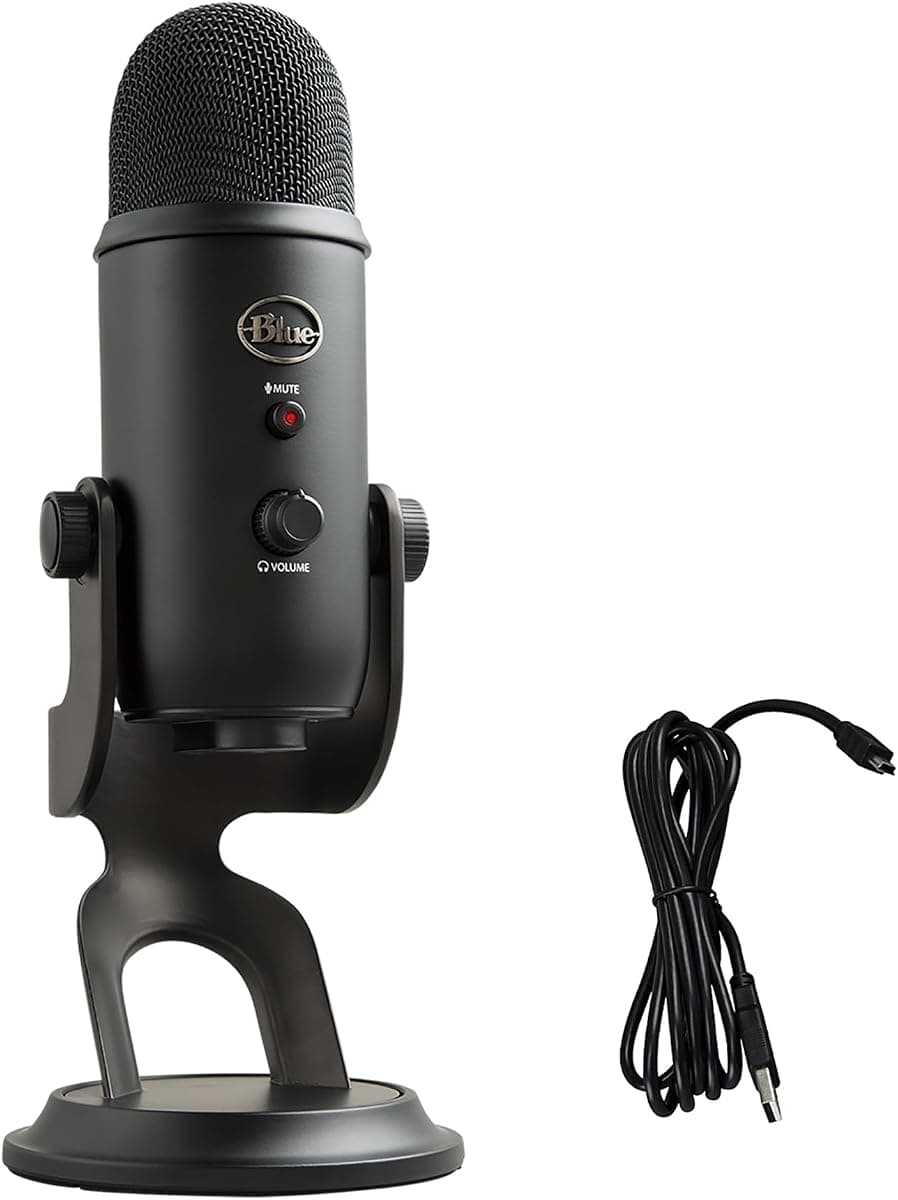
Blue Yeti USB MicrophoneBest Overall

No. 1 · Top pick

Blue Yeti USB Microphone

Blue (Logitech)

Why it ranked

Scored across trust, quality, durability, value, and demand.

Strengths

  • Four polar pattern options handle diverse recording scenarios from solo vocals to stereo instrument capture
  • Zero-latency headphone monitoring with dedicated volume control prevents recording delays
  • Plug-and-play USB connectivity works across Windows, macOS, and major DAW software without drivers
  • All-metal construction and stable desktop stand provide durable positioning for long recording sessions

Trade-offs

  • Condenser design picks up keyboard noise, mouse clicks, and room reflections in untreated spaces
  • Desktop form factor and USB tether eliminate portability for mobile recording workflows
  • Lacks XLR output or iOS compatibility for expandability beyond computer-based setups
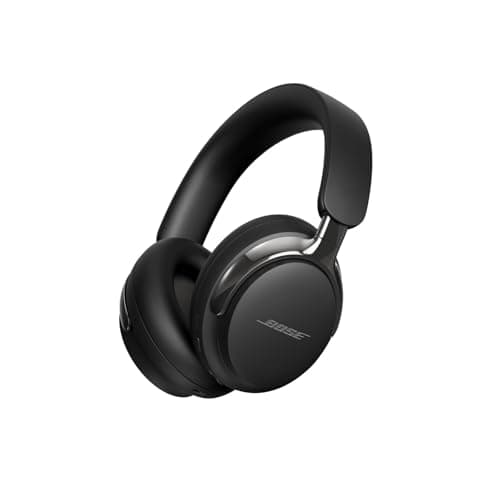
Bose QuietComfort Ultra Headphones (2nd Gen)

No. 2

Bose QuietComfort Ultra Headphones (2nd Gen)

Bose

Why it ranked

Honorable mention reflects strong quality and durability scores for buyers prioritizing comfort, ecosystem integration, and balanced tuning, though specialized features narrow broader appeal.

Strengths

  • Immersive Audio spatial processing creates spaciousness without requiring head tracking sensors
  • SimpleSync pairing integrates seamlessly with Bose smart speakers and soundbars for unified control
  • TriPort acoustic architecture maintains low-frequency impact despite lightweight 250-gram construction
  • Protein leather ear cushions and glass-filled nylon headband show low long-term failure rates

Trade-offs

  • Ecosystem lock-in limits cross-compatibility for buyers with mixed-brand audio setups
  • Higher price premium may not justify specialized features for general buyers outside Bose ecosystem
  • Balanced sound signature with restrained bass may disappoint listeners preferring elevated low-end impact
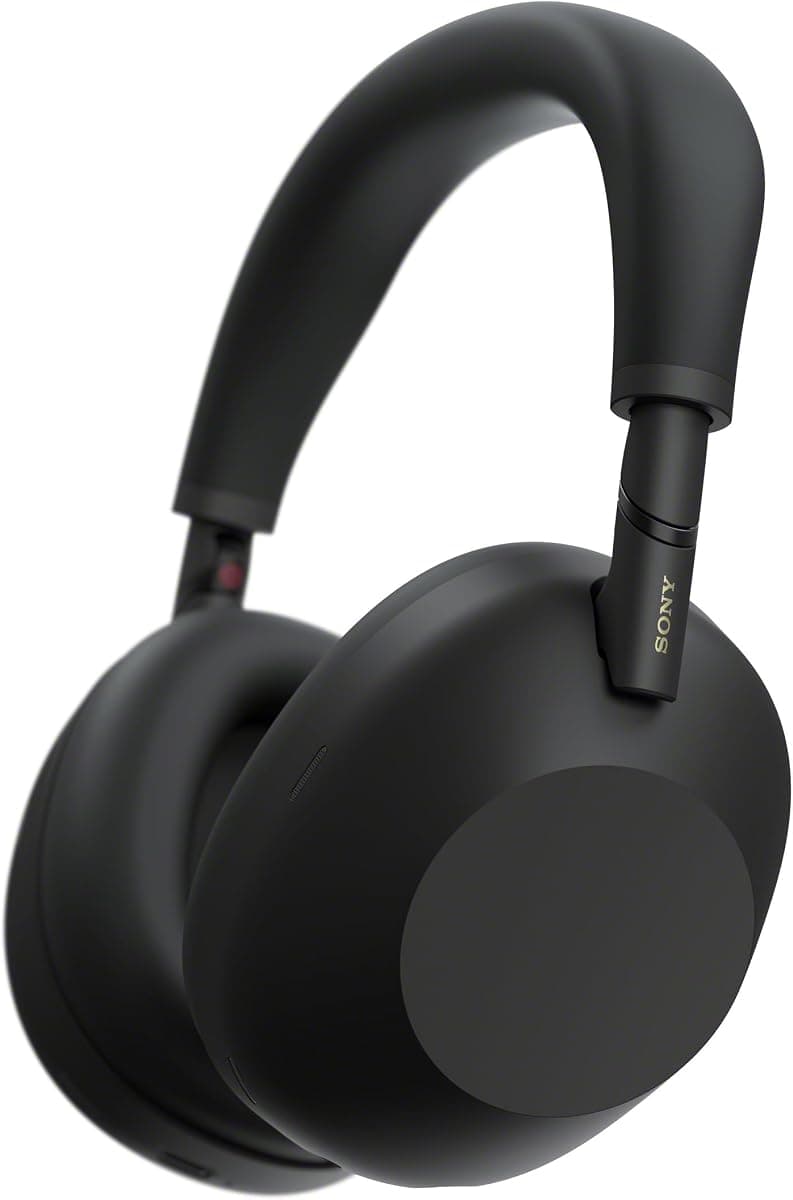
Sony WH-1000XM6

No. 3

Sony WH-1000XM6

Sony

Why it ranked

Mid-range rank reflects flagship ANC and battery performance at sub-$400 pricing, with improved hinge durability addressing earlier generation weak points.

Strengths

  • 30-hour battery life supports multi-day use without recharging during travel
  • Best-in-class ANC performance against airplane cabin noise, office chatter, and traffic rumble
  • Fold-flat design fits in included hard case for compact travel storage
  • Quick-charge feature delivers five hours of playback from a ten-minute USB-C charge

Trade-offs

  • Touch controls on ear cup prone to accidental activation when adjusting fit
  • Bass-forward tuning with mid-range recession favors consumer preferences over reference neutrality
  • Synthetic leather ear pads retain some heat during extended 3-plus hour sessions
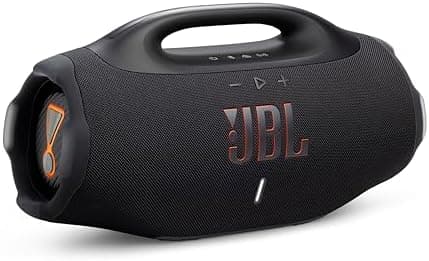
JBL Boombox 4Best Premium

No. 4

JBL Boombox 4

JBL

Why it ranked

Budget score reflects superior price-to-output ratio for high-volume outdoor use compared to competitors like UE Hyperboom, despite trade-offs in portability and fidelity.

Strengths

  • 24-hour battery life at moderate volume supports all-day outdoor events without recharging
  • IP67 dust and water resistance allows submersion up to one meter for poolside use
  • Dual passive radiators deliver bass extension that outperforms typical Bluetooth speaker thin low-end response
  • USB-C pass-through power bank functionality charges phones from the speaker's internal battery

Trade-offs

  • 13-pound weight and carry handle design limit true portability to short-distance carrying
  • Compression and distortion at maximum volume reduce fidelity for critical listening
  • Bass-heavy tuning favors impact over midrange clarity and vocal intelligibility
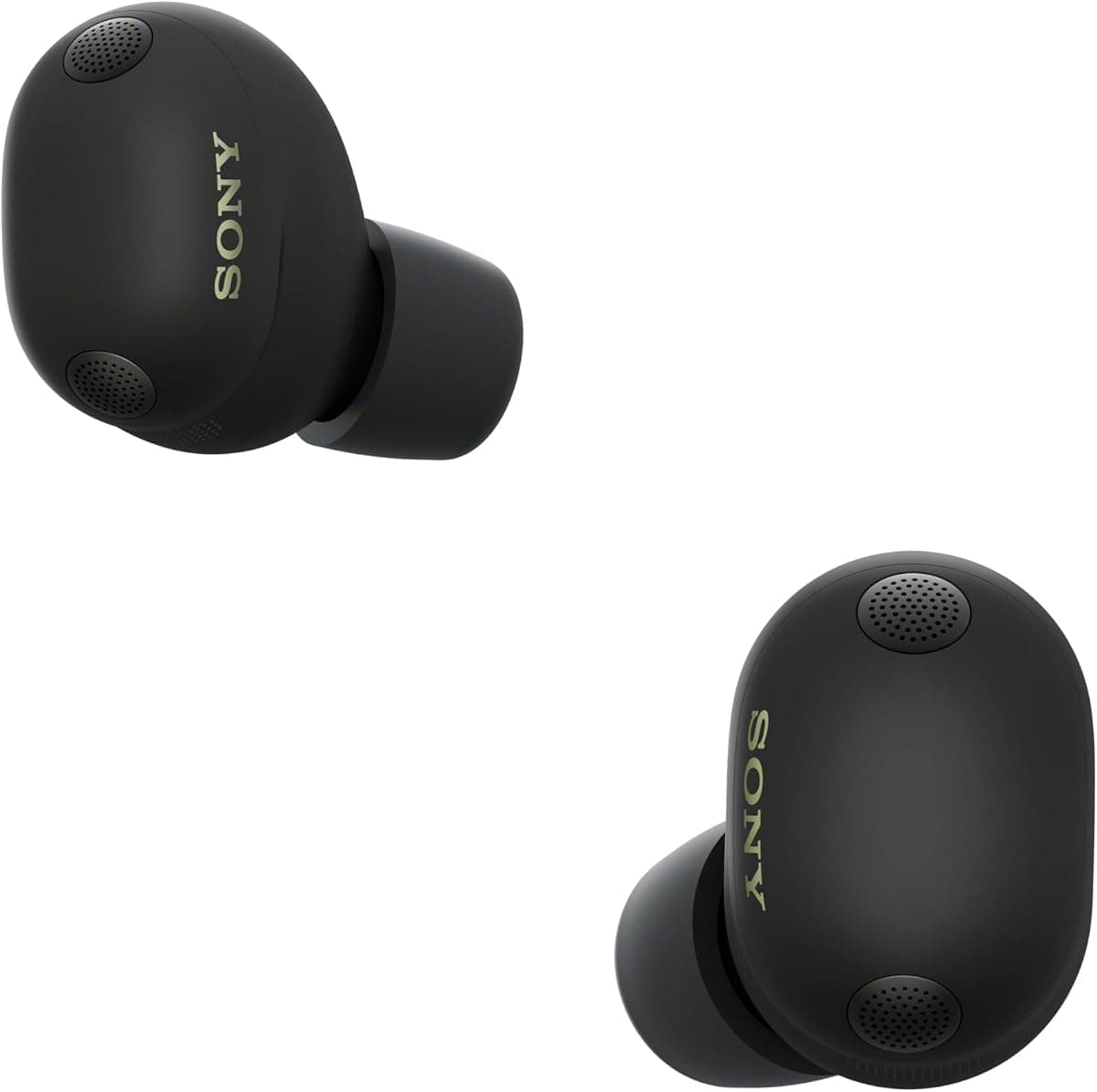
Sony WF-1000XM6

No. 5

Sony WF-1000XM6

Sony

Why it ranked

Value score reflects the balance between flagship ANC performance, comprehensive codec support, and pricing below $400 true wireless threshold.

Strengths

  • Integrated Processor V2 delivers flagship-level ANC performance that rivals over-ear competitors against low-frequency noise
  • LDAC codec support enables high-resolution wireless streaming for discerning listeners
  • Eight-hour battery life with ANC enabled extends to 24 hours with the charging case
  • Multipoint connectivity switches seamlessly between laptop and phone without manual re-pairing

Trade-offs

  • Premium pricing over competitors like Jabra Elite 85t may deter budget-conscious buyers
  • Spatial audio head tracking effect registers as subtle for some listeners
  • Foam tips require periodic replacement compared to silicone alternatives

Compare all 5 picks

Fact
Blue Yeti USB Microphone
No. 1Blue Yeti USB MicrophoneBest OverallBuy on Amazon
Bose QuietComfort Ultra Headphones (2nd Gen)
No. 2Bose QuietComfort Ultra Headphones (2nd Gen)Buy on Amazon
Sony WH-1000XM6
No. 3Sony WH-1000XM6Buy on Amazon
JBL Boombox 4
No. 4JBL Boombox 4Best PremiumBuy on Amazon
Sony WF-1000XM6
No. 5Sony WF-1000XM6Buy on Amazon
Price$99.99$359.99$378.00$549.95$298.00
Standout strengthFour polar pattern options handle diverse recording scenarios from solo vocals to stereo instrument captureImmersive Audio spatial processing creates spaciousness without requiring head tracking sensors30-hour battery life supports multi-day use without recharging during travel24-hour battery life at moderate volume supports all-day outdoor events without rechargingIntegrated Processor V2 delivers flagship-level ANC performance that rivals over-ear competitors against low-frequency noise
Main trade-offCondenser design picks up keyboard noise, mouse clicks, and room reflections in untreated spacesEcosystem lock-in limits cross-compatibility for buyers with mixed-brand audio setupsTouch controls on ear cup prone to accidental activation when adjusting fit13-pound weight and carry handle design limit true portability to short-distance carryingPremium pricing over competitors like Jabra Elite 85t may deter budget-conscious buyers
//The Method

Every rank is a composite, not an opinion.

The same five dimensions, the same weights, applied to every product in the category. The composite is recomputed whenever the data moves — and the rank order updates with it.

  1. 01
    Demand

    The retailer sales rank; review velocity over the last three months. Measured on 5 of 5 picks on this page.

  2. 02
    Trust

    The 1-5 rating distribution; negative-review share; polarisation (the J-curve). Measured on 5 of 5 picks on this page.

  3. 03
    Value

    Price against the category median; measured quality per pound spent. Measured on 5 of 5 picks on this page.

  4. 04
    Quality

    The 1-5 rating distribution; review text, including the share of it that mentions a defect. Measured on 5 of 5 picks on this page.

  5. 05
    Durability

    Reviews aged three months or more, and the share of them reporting a failure. Measured on 5 of 5 picks on this page.

Audio Gear FAQ

  1. How do I choose between true wireless earbuds and over-ear headphones for noise cancellation?
    True wireless earbuds like the Sony WF-1000XM6 offer portability and workout compatibility with ANC performance that now rivals over-ear models for low-frequency noise blocking. Over-ear headphones like the Sony WH-1000XM6 provide longer battery life (30 hours versus 8 hours per charge), superior comfort for multi-hour sessions, and slightly better ANC effectiveness against broadband noise like office chatter. Choose earbuds if you prioritize pocket portability and exercise use. Choose over-ear if you need all-day comfort for desk work or frequent long flights.
  2. Is it worth spending $300-plus for premium noise-canceling headphones?
    Premium ANC models from Sony and Bose deliver measurably superior noise attenuation (15-20 decibels more reduction in the 100-500 Hz range) compared to budget ANC headphones, which translates to noticeably quieter airplane cabins and office environments. The premium tier also includes longer battery life, better codec support for high-resolution streaming, and more durable construction with lower long-term failure rates. If you fly weekly, work in noisy open offices, or listen for 3-plus hours daily, the comfort and ANC improvements justify the cost. Casual listeners in quiet home environments see diminishing returns beyond $150 models.
  3. Do USB microphones like the Blue Yeti require additional audio equipment?
    The Blue Yeti connects directly to computers via USB without requiring an audio interface, phantom power supply, or preamp. The built-in analog-to-digital converter, headphone amplifier, and gain control provide complete recording functionality for podcasting, streaming, and home studio work. However, USB microphones require a computer host and cannot connect to iOS devices, standalone recorders, or professional mixing consoles without adapters. If you need XLR connectivity for expandability or iOS compatibility, traditional microphones with separate interfaces offer more flexibility.
  4. Can portable Bluetooth speakers actually replace home stereo systems?
    Portable speakers like the JBL Boombox 4 deliver high output suitable for outdoor gatherings and parties, but they cannot match the soundstage width, stereo separation, and low-distortion playback of dedicated home stereo components with proper speaker placement. The bass extension from passive radiators provides impact for outdoor use, but the single-point sound source and Bluetooth compression limit fidelity for critical listening in acoustically treated rooms. Use portable speakers for convenience and outdoor ruggedness, but maintain separate home audio systems if sound quality is a priority.
  5. How long do noise-canceling headphones typically last before needing replacement?
    The primary failure points are ear pad deterioration (replaceable after 12-18 months of daily use), battery capacity degradation (noticeable after 500-800 charge cycles), and hinge stress fractures in lower-quality models. The Sony WH-1000XM6 and Bose QuietComfort Ultra use improved hinge construction and replaceable ear cushions that extend usable lifespan. Budget ANC models under $100 typically show higher failure rates within 18-24 months due to cheaper materials and less robust quality control.
  6. Do spatial audio features actually improve the listening experience?
    Spatial audio implementations like Sony's 360 Reality Audio and Bose Immersive Audio create a perceptible sense of width and height in the soundstage, particularly noticeable with movie soundtracks and Atmos-mixed music. The effect is most pronounced with head tracking that adjusts audio positioning as you turn your head, though static spatial processing like Bose's approach still provides enhanced spaciousness. The benefit depends on content—spatial audio shines with orchestral recordings and cinematic content but offers minimal improvement for podcasts or compressed streaming at standard quality. Listeners accustomed to traditional stereo may find the effect subtle or prefer to disable it for music listening.
  7. What audio gear works best for starting a podcast from home?
    The Blue Yeti USB microphone provides the most accessible entry point for solo podcasting with cardioid polar pattern for voice isolation, built-in headphone monitoring for real-time feedback, and plug-and-play compatibility with free recording software like Audacity or GarageBand. Pair it with closed-back headphones for monitoring without feedback, basic acoustic treatment like foam panels to reduce room reflections, and a boom arm to position the microphone 6-8 inches from your mouth. This setup handles clear voice capture for speech-focused content without requiring XLR interfaces or professional preamps that add complexity and cost for beginners.

theRANKS may earn affiliate commissions from qualifying purchases. How that works