Head-to-Head
USB Microphone vs XLR Audio Interface for First Streaming Setup: Which Wins?
USB delivers plug-and-play convenience for under $150, while XLR demands a separate interface but unlocks modular upgrades as your channel grows.
// KEY TAKEAWAYSWhat to know
- USB microphones integrate preamp and converter into one unit, eliminating the need for additional hardware and costing $50 to $150 total.
- XLR setups require a separate audio interface adding $50 to $200 to the microphone cost, but each component upgrades independently.
- Premium USB microphones achieve 24-bit/96kHz conversion with noise floors approaching budget XLR interfaces in 2026.
- XLR systems deliver superior noise floor performance, typically -110dB to -130dB compared to -90dB to -100dB for USB options.
- USB wins for hobby streamers starting out; XLR wins for creators planning multi-source setups or future audio production work.
First-time streamers face a fork in the road before their first broadcast: plug in a USB microphone and go live immediately, or invest in an XLR microphone plus audio interface for a modular system that scales over time. The USB microphone segment is the fastest-growing in the microphone market through 2032, driven by demand for accessible audio solutions across podcasting, content creation, and gaming. Modern USB microphones sound excellent, and most viewers cannot tell the difference between a well-set-up USB mic and an XLR mic through Twitch's audio compression. Yet professional studios and top-tier streamers overwhelmingly choose XLR for reasons that extend beyond raw audio fidelity. The decision hinges on your timeline, budget ceiling, and whether you see streaming as a hobby or a long-term content business.
How USB Microphones Deliver All-in-One Convenience
Key takeaway - USB microphones integrate every component into one plug-and-play unit, eliminating additional hardware and keeping total investment under $150.
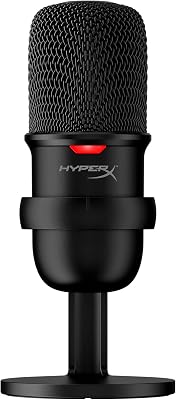
A USB microphone is a complete recording system inside one body, containing capsule, preamp, and converter, while an XLR microphone is just the capsule and outputs an analog signal that needs an external audio interface to digitize. You connect a single cable from the microphone to your computer's USB port, select it as your input device in OBS or Streamlabs, and your audio chain is complete. A good USB microphone can be found for $50 to $150, and that's your total cost. Entry-level units like the Blue Yeti deliver broadcast-quality capture for under $100, while premium models such as the Shure MV7 and Rode NT-USB achieve professional-grade specifications without requiring any external hardware. Premium USB microphones in 2026 achieve 24-bit/96kHz conversion with -100dB noise floors, approaching the performance of budget XLR interfaces. Most mid-range USB microphones include zero-latency headphone monitoring, built-in gain control, and mute buttons directly on the microphone body. For creators prioritizing speed and simplicity over future expansion, USB eliminates the learning curve associated with gain staging, phantom power, and signal routing. If you want to explore ranked options in this category, the best USB microphones for streaming we ranked surface the models with the strongest review consensus and price-performance signals.
Why XLR Systems Require More Upfront Investment
Key takeaway - XLR setups demand a separate audio interface costing $50 to $200 plus cables and stands, increasing complexity and initial investment compared to USB.
XLR microphones connect via a three-pin XLR cable to an audio interface or mixer, which then connects to your computer, typically via USB, separating the microphone itself from the critical pre-amplification and analog-to-digital conversion stages. Audio interface prices vary widely, typically ranging from $50 to over $500, with entry-level models offering basic functionality and limited connectivity usually costing between $50 and $100. A Shure SM7B at $439 paired with a Focusrite Scarlett Solo at $119 creates a $558 total system, compared to a premium USB microphone at $150. The Scarlett Solo Gen 4 remains the definitive entry-level audio interface in 2026, is class-compliant on Mac with zero driver installation required, works with any iPad via USB-C, and delivers preamp performance that would have been considered mid-tier just a few years ago. You also need an XLR cable, a microphone stand or boom arm, and potentially a shock mount, adding another $50 to $100 to the setup. The complexity extends beyond cost: you must understand phantom power settings for condenser microphones, set appropriate gain levels to avoid clipping or noise, and route audio correctly through your streaming software. For first-time streamers without audio engineering experience, this introduces failure points that can delay your first broadcast by hours or days.
Where XLR Delivers Superior Audio Performance
Key takeaway - XLR systems achieve lower noise floors of -110dB to -130dB and superior dynamic range through dedicated external preamps and balanced cable design.
XLR microphones paired with quality interfaces deliver superior sound with lower noise floors, often -110dB to -130dB compared to -90dB to -100dB for USB. This difference manifests as cleaner gain when amplifying quiet sources, reduced hiss in silent passages, and greater dynamic range for capturing the full spectrum from whispers to shouts without distortion. XLR cables are balanced, meaning they are far less susceptible to electromagnetic interference and noise over longer cable runs, crucial for a clean signal. Professional XLR microphones such as the Shure SM7B, Electro-Voice RE20, and Rode Procaster employ capsule designs and diaphragm materials that USB microphones cannot replicate due to space and cost constraints within the integrated housing. Audio interfaces and mixers house dedicated preamps and ADCs that are often higher quality than those found in USB mics, offering cleaner gain and better dynamic range. For streamers broadcasting in noisy environments, dynamic XLR microphones reject keyboard clicks, mouse movement, and air conditioning hum more effectively than most USB condensers. The performance gap narrows at the premium end of the USB market but remains decisive when comparing entry-level options or when recording multiple simultaneous sources.
How Upgrade Paths Differ Between USB and XLR
Key takeaway - USB microphones require full replacement to upgrade, while XLR systems allow independent upgrades of microphone, interface, or preamp components.
Upgrade paths are limited with USB microphones; if you want to improve your audio quality, you'll likely need to replace the entire unit rather than upgrading individual components. A $100 USB microphone that served you well for six months becomes obsolete when you want better sound, forcing you to spend another $150 to $200 on a superior model and sell or discard the original. XLR setups are modular and expandable; you can upgrade any part of your chain including mic, interface, or preamp independently. If your Scarlett Solo no longer meets your needs, you keep your $400 microphone and upgrade to a $300 interface with better preamps, phantom power headroom, or additional inputs. If you expect to upgrade in 12 months, XLR is the right choice because the interface stays when the mic changes. Hybrid USB/XLR microphones like the Shure MV7 and Fifine AM8 bridge this gap by offering both connection types in one unit, allowing you to start with USB simplicity and transition to an XLR interface later without replacing the microphone. For creators who see streaming as a potential business rather than a hobby, XLR's modular architecture protects your investment by allowing incremental upgrades rather than complete system replacements. The best audio gear we ranked includes both USB and XLR options scored by upgrade flexibility and long-term value retention.
When USB Wins for First-Time Streamers
Key takeaway - USB wins for hobby streamers broadcasting solo, working within $150 budgets, prioritizing portability, and needing zero-configuration setup simplicity.
If you're starting out or streaming as a hobby, USB is the right choice. Creators who stream two to four times per month, prioritize getting content published quickly, and operate within a strict $150 budget benefit from USB's zero-configuration design. For single talker calls and streaming, USB options like the Shure MV7, Elgato Wave 3, and Blue Yeti are the right starting point for a single person on calls or podcasts. USB eliminates the risk of incorrect gain staging that can ruin your first broadcast, removes the need to troubleshoot driver installations or phantom power settings, and frees up desk space by consolidating multiple components into one unit. If your streaming setup includes only your voice and you do not plan to add guests, instruments, or hardware mixers, USB provides everything you need without the overhead of unused XLR capabilities. Mobile streamers who broadcast from different locations, travel content creators, and anyone with limited desk space gain significant practical advantages from USB's single-cable portability. The quality ceiling matters less when your audience watches through compressed Twitch or YouTube streams where audio bitrates rarely exceed 320 kbps.
When XLR Wins for Serious Content Production
Key takeaway - XLR wins for creators planning multi-person formats, hardware processing chains, professional audio work, or viewing streaming as a career investment.
If you're serious about audio production or plan to expand your setup over time, XLR is the long-term investment. Most top streamers opt for analog XLR microphones and choose dynamic microphones, and in fact, most top streamers opt for analog XLR microphones. Creators who plan multi-person podcast formats, want to add hardware compressors or EQ in the signal chain, or intend to transition into professional voice-over work require XLR's modular architecture. For two or more sources, advanced processing, or studio-grade quality, XLR plus an interface wins, and for two or more mics at once with mixing on the fly, XLR plus audio interface is the clear choice. Audio interfaces with multiple XLR inputs allow simultaneous recording of co-hosts, guests, or instruments without complex digital routing or software mixer configurations. Professional streaming setups that include dedicated hardware mixers like the GoXLR or RodeCaster Pro provide physical faders for game audio, music, Discord, and microphone levels, enabling real-time mix adjustments during live broadcasts. If you view streaming as a potential career path or plan to monetize your channel within the first year, XLR's initial complexity becomes an investment in your production infrastructure rather than an obstacle.
The takeaway
USB microphones win for first-time streamers who prioritize immediate broadcasting capability, operate within tight budgets under $150, and stream solo as a hobby or casual side project. The plug-and-play design eliminates technical barriers, delivers quality sufficient for compressed streaming platforms, and allows you to publish content within minutes of unboxing. XLR systems win for creators who plan to expand their setup within 12 months, need multi-source recording capability, or view streaming as a potential business requiring professional-grade audio fidelity. The modular architecture protects your investment by allowing incremental upgrades, delivers measurably lower noise floors, and scales from solo broadcasts to full podcast studios without replacing core components. Hybrid USB/XLR microphones offer a middle path, starting with USB simplicity while preserving the option to add an interface later. For most beginners testing whether streaming fits their lifestyle, USB provides the lowest-friction entry point. For creators committed to long-term content production, XLR's higher initial investment pays dividends through superior scalability and resale value. Choose based on your 12-month plan, not your first broadcast.
the best USB microphones for streaming we ranked
Read the ranking →// FREQUENTLY ASKEDQuick answers
- How much does a complete USB microphone setup cost?
- A complete USB microphone setup costs $50 to $150 total, including the microphone itself. Entry-level models like the Blue Yeti cost under $100, while premium options such as the Shure MV7 reach $150. You need no additional hardware since the microphone includes built-in preamp, converter, and headphone monitoring. Budget for a boom arm or desktop stand at $20 to $50 if the microphone does not include one.
- How much does a complete XLR microphone setup cost?
- A complete XLR microphone setup costs $200 to $650 for first-time streamers. Entry-level combinations pair a $100 to $150 microphone with a $50 to $120 audio interface like the Focusrite Scarlett Solo. Professional setups combine microphones like the Shure SM7B at $439 with mid-range interfaces at $200, plus XLR cables at $15 to $30 and stands at $30 to $80. Total investment runs significantly higher than equivalent USB options.
- Can I hear the audio quality difference between USB and XLR on stream?
- Most viewers cannot distinguish USB from XLR audio through Twitch or YouTube compression, which limits bitrates to 128 to 320 kbps. The noise floor difference becomes audible in quiet passages if you amplify your audio heavily, but compressed streaming platforms mask the performance gap that exists in raw recordings. Audiophile viewers and professional audio engineers notice the difference immediately in uncompressed formats, but casual audiences prioritize content over technical fidelity.
- Do I need an audio interface if I buy an XLR microphone?
- Yes, XLR microphones require an audio interface or mixer to function with computers. The interface provides phantom power for condenser microphones, amplifies the analog signal through its preamp, converts analog to digital through its ADC, and connects to your computer via USB. You cannot connect an XLR microphone directly to a computer without this intermediary hardware. Budget $50 to $200 for an entry-level interface with one or two XLR inputs.
- Which connection type do professional streamers use?
- Most professional streamers and top-tier content creators use XLR microphones with dedicated audio interfaces. The modular design allows them to upgrade individual components as their production quality standards increase, add hardware processing like compressors and EQ units, and integrate multi-source setups for co-hosts or musical guests. Professional streaming studios prioritize XLR's lower noise floor, balanced cable interference rejection, and tactile hardware control over USB's plug-and-play convenience.
- Can I upgrade from USB to XLR later without losing my investment?
- Hybrid USB/XLR microphones like the Shure MV7 and Fifine AM8 offer both connection types in one unit, allowing you to start with USB and add an interface later without replacing the microphone. Standard USB-only microphones have no upgrade path; you must sell or retire the unit and purchase a separate XLR microphone when transitioning. Hybrid models cost $50 to $100 more than USB-only equivalents but protect your investment if you anticipate upgrading within 12 to 18 months.
- Is USB or XLR better for noisy streaming environments?
- Dynamic XLR microphones reject background noise more effectively than USB condensers in noisy environments with keyboard clicks, air conditioning, or household sounds. Dynamic capsules capture sound only from very close sources, while most USB microphones use condenser capsules with wider pickup patterns. If you stream in a shared space or cannot treat your room acoustically, a dynamic XLR microphone like the Shure SM7B paired with an interface outperforms even premium USB condensers for isolating your voice.
- How long does it take to set up each type of microphone?
- USB microphones require five to ten minutes: plug the cable into your computer, select the device in your streaming software, adjust gain through the software interface, and start broadcasting. XLR setups require 30 to 60 minutes for first-time users: connect the microphone to the interface with an XLR cable, connect the interface to your computer via USB, install interface drivers if needed, enable phantom power for condenser microphones, set gain levels to avoid clipping, and configure routing in your streaming software.
- Which option offers better resale value?
- XLR microphones and audio interfaces retain resale value better than USB microphones. Professional XLR models like the Shure SM7B and Electro-Voice RE20 hold 60 to 80 percent of retail value in used markets because studios and content creators recognize their longevity. Quality audio interfaces like the Focusrite Scarlett series maintain strong resale demand. USB microphones depreciate faster because new models with updated features release frequently, and integrated components cannot be separated for individual resale.