How-To
How to Choose Adjustable Dumbbells for Small Spaces and Apartments
Picking the right adjustable dumbbells for tight quarters means balancing footprint, adjustment speed, and weight capacity without sacrificing strength progression.
// KEY TAKEAWAYSWhat to know
- A single pair of adjustable dumbbells occupies approximately 2 square feet versus the 15 to 20 square feet required for a full rack of fixed weights.
- Dial-adjust systems prioritize speed for circuit training while pin-select and plate-loaded designs maximize durability and weight capacity in the same footprint.
- Weight ranges of 5 to 50 pounds cover most apartment strength training needs without requiring expansion kits or additional storage space.
- Vertical storage racks reduce floor footprint further, keeping dumbbells off the ground and organized in corners or closets.
- Adjustment mechanism determines noise level, re-racking friction, and whether the system suits supersets or heavy single-movement sessions.
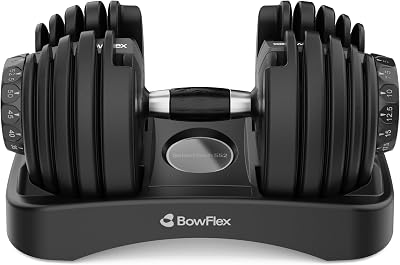
Rising gym costs, flexible schedules, and the convenience of training at home have pushed more people to build serious workout spaces in garages, spare rooms, and apartments. One pair of adjustable dumbbells can replace an entire row of fixed dumbbells, which makes them ideal for a bedroom, basement, apartment, or compact garage gym. PowerBlock adjustable dumbbells take up 2 square feet of space, compared to the sprawling racks traditional weights demand. For apartment lifters, the choice is not just about weight capacity or brand recognition. The decision hinges on storage footprint, adjustment friction during workouts, noise when re-racking, and whether the system can grow with your strength without demanding more floor space. This guide walks through the selection framework step by step, prioritizing the constraints that matter most when every square foot counts.
Step 1: Measure Your Available Training and Storage Space
Key takeaway - Measure floor, ceiling, and movement clearance before shopping to confirm the storage stand and workout space fit your apartment layout.
Before comparing brands or mechanisms, measure the physical space where the dumbbells will live and where you will lift them. A functional home gym requires a minimum footprint of 50 to 100 square feet for basic strength training, and an area measuring 8 feet by 10 feet provides sufficient room for an adjustable bench, dumbbells, and essential floor exercises. Most apartment setups dedicate a corner, closet, or bedroom alcove rather than a full room. Record three dimensions: the floor area for the storage stand or cradle, the ceiling height if you plan overhead presses, and the lateral clearance for movements like bent rows or lateral raises. A footprint of roughly 2 square feet versus the 15 to 20 square feet needed for a complete rack of fixed dumbbells defines the advantage. If your only option is under-bed or closet storage, confirm that the dumbbell cradle height and stand dimensions fit those constraints. Vertical racks further compress the footprint, some models occupying under 2.5 square feet while holding 10 pairs worth of adjustable weight.
Step 2: Decide on Weight Range Based on Training Goals
Key takeaway - Choose 5 to 50 pounds for general apartment training or 5 to 80 pounds if you anticipate progressive overload beyond intermediate pressing strength.
Weight capacity drives long-term value and determines whether you will need expansion kits or a second pair down the line. For an apartment, the 50 pound pair is the sweet spot, heavy enough for rows, presses, lunges, split squats, RDLs, and loaded carries in a hallway, but not so heavy that you are paying for capacity you cannot safely use upstairs. Beginners and intermediate lifters benefit from 5 to 50 pound ranges, which cover bicep curls, shoulder presses, goblet squats, and single-leg Romanian deadlifts without requiring expansion kits. Advanced lifters targeting heavy chest presses or single-arm rows may need 5 to 80 or 5 to 90 pound sets, though these occupy the same storage footprint and simply add cost. Plate-loaded adjustable dumbbells allow unlimited expansion if you already own standard weight plates, making them ideal for lifters who anticipate strength progression beyond 100 pounds per hand. Dial and pin systems cap at their rated maximum, so confirm the top weight matches your three-year strength projection, not just today's working sets.
Step 3: Compare Adjustment Mechanisms for Speed and Durability
Key takeaway - Dial mechanisms favor speed and quiet operation for circuits, while pin-select and plate-loaded designs prioritize durability and unlimited expansion.
Adjustment mechanism defines the trade-off between convenience and longevity. Dial-adjust systems twist or turn a selector to change weight in under five seconds, making them ideal for drop sets, supersets, and circuit-style sessions where re-racking friction kills momentum. Pin-select designs use a magnetic or manual pin to lock weight increments, balancing speed with a more robust locking mechanism that reduces plastic wear over time. The screw-lock system takes 10 to 15 seconds per dumbbell, annoying if you do drop sets, and also heavier to move around when loaded, with a 75 pound dumbbell weighing 75 pounds. Plate-loaded adjustable dumbbells require manual collar tightening and take 20 to 30 seconds per change, but they eliminate proprietary parts and plastic selectors that can break under daily use. For apartment gyms prioritizing quiet operation, dial systems produce minimal noise during adjustment, while pin-select designs click audibly and plate collars clang when tightened. Dial versus plate-loaded mechanisms ranked for beginners break down durability and speed for first-time buyers.
Step 4: Evaluate Storage Solutions and Vertical Rack Compatibility
Key takeaway - Vertical storage racks and brand-matched stands reduce floor clutter and improve accessibility in apartments where space resets between workouts.
Adjustable dumbbells save a huge amount of space, and one pair can replace an entire row of fixed dumbbells, which makes them ideal for a bedroom, basement, apartment, or compact garage gym. Most adjustable sets ship with a horizontal cradle or tray that holds the unused weight plates, but vertical storage racks compress the footprint further and lift weights off the floor. The Titan Adjustable Dumbbell Rack is a compact, affordable solution for storing a wide range of adjustable dumbbells up to 260 pounds total, and at only 23.5 inches long and 26 inches deep, it has a compact footprint that fits nicely in nearly any size gym. Confirm that the storage stand you select matches the dumbbell brand and cradle width, as proprietary designs often require matching accessories. Some vertical racks fold flat or tuck into closets when not in use, a critical feature for studio apartments where the gym setup must disappear between sessions. Adjustable-height stands reduce bending and improve ergonomics during weight changes, particularly for lifters over six feet tall or those with lower-back sensitivity.
Step 5: Confirm Increment Flexibility and Micro-Loading Compatibility
Key takeaway - Smaller weight increments and micro-loading compatibility allow finer strength progression, especially for isolation movements and injury rehab protocols.
Weight increment size determines how smoothly you can progress without stalling. Most adjustable dumbbells jump in 5-pound steps, while premium models offer 2.5-pound increments that allow finer progression on isolation movements like lateral raises, hammer curls, and tricep extensions. Fixed dumbbells jump in fixed steps, commonly 5 pounds, while adjustable dumbbells often change in smaller 2.5 to 5 pound increments. Micro-loading becomes critical for lifters following linear periodization programs or rehabilitating from injury, where a 5-pound jump exceeds safe progression. Some pin-select systems include magnetic add-on weights or dedicated micro-plate storage trays that accept 1.25 or 2.5 pound discs for ultra-fine control. Plate-loaded designs accommodate any standard fractional plates you already own, making them the most flexible option for advanced programming. The best adjustable dumbbells for home gyms ranked by theRANKS score increment flexibility and micro-loading compatibility across dial, pin, and plate-loaded categories.
Step 6: Factor in Noise, Neighbors, and Re-Racking Behavior
Key takeaway - Dial mechanisms and rubberized cradles minimize noise for apartment lifters training in shared buildings with noise-sensitive neighbors or housemates.
Apartment training demands quieter equipment than garage or basement setups, particularly in multi-story buildings with shared walls and floors. Dial-adjust dumbbells produce minimal noise during weight changes and re-racking, as the plates nest into cradles without metal-on-metal contact. Pin-select systems click audibly when the selector engages but remain quieter than traditional fixed dumbbells dropped on rubber mats. Zero noise, zero hassle, feels pro. Plate-loaded designs clang when collars tighten and plates shift, making them the loudest option for apartment use. Re-racking behavior also influences noise, as some cradles require precise alignment while others accept dumbbells at any angle, reducing the chance of accidental drops or loud resets. Rubberized cradles and foam-lined trays dampen impact noise, a small detail that matters during early-morning or late-night sessions when neighbors are home. Testing the re-rack process in person or confirming cradle material in product specs prevents post-purchase regret when every decibel counts.
Step 7: Assess Long-Term Cost and Expansion Path
Key takeaway - Higher upfront cost for dial or pin systems trades against lower per-pound expense and expansion flexibility in plate-loaded designs with standard compatibility.
Upfront cost varies widely across adjustment mechanisms, but long-term value hinges on expansion compatibility and replacement part availability. Entry-level dial systems start around 300 dollars for a 5 to 50 pound pair, while premium models with larger weight ranges and faster selectors reach 600 to 1,200 dollars. Adjustable sets cost more upfront but usually cost less per pound than buying several fixed pairs separately. Pin-select designs fall in the middle, often bundling expansion kits that add 20 to 40 pounds per dumbbell for an additional 150 to 300 dollars. Plate-loaded options offer the lowest cost per pound if you already own standard weight plates, since you pay only for handles and collars rather than proprietary selector mechanisms. Evaluate whether the brand sells replacement selectors, cradles, or individual plates, as broken parts can render an entire set unusable if proprietary components go out of stock. Warranty coverage for adjustment mechanisms, handles, and cradles signals manufacturer confidence in durability and reduces long-term ownership risk.
The takeaway
Choosing adjustable dumbbells for a small apartment requires prioritizing footprint, adjustment speed, noise, and expansion path over brand reputation alone. The 2-square-foot advantage over fixed racks makes adjustables the default choice for space-constrained training, but the adjustment mechanism determines whether the system fits circuit workouts, heavy strength sessions, or long-term progression without requiring a second pair. Dial systems minimize friction and noise for buyers who value speed and quiet operation, while pin-select and plate-loaded designs deliver durability and unlimited weight expansion in the same compact footprint. Confirm that your chosen system includes a storage stand or vertical rack compatible with your floor plan, offers weight increments fine enough for isolation work, and ships with a warranty that covers the parts most likely to wear. Once you have narrowed the field by mechanism and capacity, cross-reference the best adjustable dumbbells for home gyms scored by theRANKS to see how top models rank on adjustment speed, build quality, and real-world owner feedback. A single well-chosen pair transforms a corner of your apartment into a complete strength training setup without sacrificing progression or performance.
the best adjustable dumbbells for home gyms scored by theRANKS
Read the ranking →// FREQUENTLY ASKEDQuick answers
- How much space do adjustable dumbbells actually save in an apartment?
- A single pair of adjustable dumbbells with a storage stand occupies approximately 2 square feet, compared to 15 to 20 square feet for a full rack of fixed weights covering the same weight range. Vertical storage racks compress the footprint further, some occupying under 2.5 square feet while holding the equivalent of 10 to 16 pairs of traditional dumbbells.
- What weight range covers most apartment strength training needs?
- A 5 to 50 pound range per dumbbell handles rows, presses, lunges, split squats, Romanian deadlifts, and loaded carries for most intermediate lifters without requiring expansion kits. Advanced lifters targeting heavy chest presses or single-arm rows benefit from 5 to 80 or 5 to 90 pound sets, which occupy the same storage footprint but add cost.
- Are dial-adjust or pin-select mechanisms better for small spaces?
- Dial-adjust mechanisms change weight in under five seconds and produce minimal noise, making them ideal for circuit training and noise-sensitive apartment buildings. Pin-select designs take slightly longer but offer more durable locking mechanisms and easier expansion kits, balancing speed with long-term reliability in the same compact footprint.
- How much do quality adjustable dumbbells cost for apartment use?
- Entry-level dial systems start around 300 dollars for a 5 to 50 pound pair, while premium models with faster selectors and heavier capacities range from 600 to 1,200 dollars. Plate-loaded designs offer the lowest cost per pound if you already own standard weight plates, since you pay only for handles and collars rather than proprietary selector mechanisms.
- Can adjustable dumbbells handle heavy strength training in apartments?
- Yes, premium adjustable dumbbells support 80 to 100 pounds per hand, sufficient for heavy pressing, rowing, and loaded carries. Plate-loaded designs allow unlimited expansion if you own standard weight plates, making them ideal for lifters who anticipate progressive overload beyond 100 pounds per hand without requiring additional storage space.
- Do adjustable dumbbells require a separate storage rack?
- Most adjustable dumbbells ship with a horizontal cradle or tray that holds unused weight plates, but vertical storage racks reduce floor footprint further and improve accessibility. Vertical racks occupy 2 to 3 square feet and lift weights off the ground, making them ideal for apartments where floor space resets between training sessions.
- Which adjustment mechanism is quietest for apartment buildings?
- Dial-adjust systems produce minimal noise during weight changes and re-racking, as plates nest into cradles without metal-on-metal contact. Pin-select systems click audibly but remain quieter than traditional dumbbells, while plate-loaded designs clang when collars tighten and plates shift, making them the loudest option for shared-wall buildings.
- How do I know if my apartment ceiling is tall enough for overhead lifts?
- A standard home gym requires a minimum ceiling height of 8 feet, while 9 to 10 feet is ideal for full standing overhead presses and controlled eccentric lowering. Measure from floor to ceiling with your arm fully extended overhead while holding a dumbbell to confirm adequate clearance without risk of hitting light fixtures or ceiling fans.