How-To
How to Choose Your First Adjustable Dumbbell Set Without Overpaying
First-time buyers face a price spread from under $100 to over $700—here's how to pick the right mechanism, weight range, and durability tier without paying for features you'll never use.
// KEY TAKEAWAYSWhat to know
- Adjustable dumbbells range from less than $100 to well over $700, with dial systems commanding premium prices for speed and plate-loaded sets offering lower cost per pound.
- Beginners typically need 5 to 50 pounds per hand, enough for isolation work and compound movements without jumping to advanced capacity that inflates price.
- Dial mechanisms adjust in under 5 seconds while plate-loaded options take around 30 seconds, a trade-off that determines convenience versus durability and cost.
- Budget dial models use plastic components that reduce durability, while steel versions and plate-loaded sets deliver longer service life at similar or lower total cost.
First-time adjustable dumbbell buyers confront a confusing price ladder. Adjustable dumbbells range from less than $100 to well over $700, and the feature lists rarely clarify which upgrades deliver training value versus marketing gloss. Dial systems promise one-handed speed changes. Plate-loaded sets tout traditional feel and metal construction. Budget brands flood online marketplaces with 25-pound max capacities that beginners outgrow in eight weeks.
The stakes are real. Budget models may save money initially but often cost more over time through replacements and upgrades, while premium options layer on convenience features that casual lifters rarely activate. This guide walks through the four decisions that separate smart first purchases from expensive do-overs.
Step 1: Match Weight Capacity to Your 12-Month Progression Plan
Key takeaway - A 5-to-50-pound range per hand covers beginner isolation work and intermediate compound lifts, eliminating the need for a second purchase inside 12 months.
Beginners starting strength training do well with adjustable dumbbells ranging from 5 to 50 pounds, a span that covers isolation movements like bicep curls at the low end and compound lifts like goblet squats at the top. Most beginners start between 2 to 10 pounds for women and 5 to 20 pounds for men, but progression happens faster than most expect. A set that stops at 25 pounds per hand forces a second purchase within three months, doubling total spend. A set that climbs to 80 or 100 pounds per hand adds cost and bulk that casual lifters never activate. If you plan to train three to four times per week with progressive overload, budget for a 50-pound-per-hand ceiling. If you train twice weekly or focus on high-rep endurance circuits, a 30-to-40-pound ceiling saves money without compromising your timeline.
Step 2: Choose Between Dial Speed and Plate-Loaded Durability
Key takeaway - Dial systems save seconds per change but cost more and break easier; plate-loaded sets take 30 seconds to adjust but survive drops and deliver lower cost per pound.
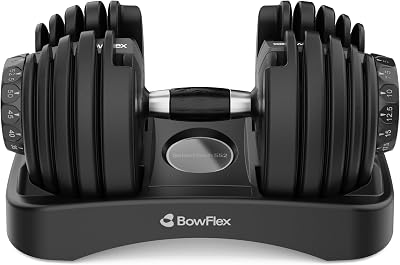
Adjustment mechanism determines both convenience and lifespan. Dial and pin systems adjust weight in under 5 seconds, ideal for circuit training and drop sets where rest intervals matter. Plate-loaded options take around 30 seconds to adjust because you manually load and secure weight plates onto each handle end. That time difference matters if your program includes frequent weight changes mid-workout. It matters less if you perform straight sets with fixed loads. Durability tips the other direction. Dial dumbbells are more prone to damage from drops because they rely on intricate weight adjustment mechanisms, and budget dial models include plastic components that reduce long-term durability. Plate-loaded sets deliver the look and feel of fixed dumbbells with excellent balance and extreme durability since they contain little to no plastic. If speed trumps everything, dial mechanisms justify the premium. If you prioritize cost per pound and expect to drop weights occasionally, plate-loaded designs deliver better value over five years. For a detailed comparison of both types, see our dial versus plate-loaded ranking.
Step 3: Calculate True Cost Per Pound Across the Range You'll Actually Use
Key takeaway - Divide total price by the pounds of range you'll realistically use in 12 months, not the manufacturer's max capacity, to reveal true cost per pound.
Sticker price misleads when capacities vary. A 400-dollar set that spans 5 to 50 pounds per hand delivers 90 pounds of usable range per dumbbell, or roughly 4.44 dollars per pound. A 600-dollar set that spans 10 to 80 pounds per hand delivers 140 pounds of range, or 4.29 dollars per pound, but only if you eventually use the top 30 pounds. If your realistic ceiling sits at 50 pounds, you're paying for 30 pounds of capacity that never leaves the tray, inflating your effective cost to 6 dollars per pound. Pricing data from verified retailer listings shows budget dial sets cluster around 3 to 5 dollars per pound, mid-tier options land at 5 to 7 dollars per pound, and premium systems with smart tracking or motorized adjustments push past 8 dollars per pound. Plate-loaded sets with steel construction typically deliver 2 to 4 dollars per pound. Beginners who calculate cost per pound across the weight range they'll use in year one avoid paying for aspirational capacity that sits unused. If your 12-month progression plan tops out at 40 pounds per hand, compare only the cost of reaching 40 pounds, not the manufacturer's max spec.
Step 4: Prioritize Increment Size Over Maximum Capacity
Key takeaway - Five-pound increments enable steady progression on isolation lifts; 10-pound jumps force you to stall or overshoot, slowing strength gains on smaller muscle groups.
If you can perform 10 reps at 10 pounds and are ready to move up, a 10-pound plate jump is likely too big, forcing you to perform fewer reps at 20 pounds or more reps at 10 pounds, while smaller jumps let you manage effort more efficiently and see better results. Five-pound increments suit most beginners because they allow gradual progression on isolation movements like curls, lateral raises, and tricep extensions. Ten-pound jumps work for compound lifts but stall progress on smaller muscle groups. Some dial models offer 10-pound increments as standard but allow you to purchase fractional magnet weights for 2.5-pound and 5-pound adjustments, adding cost and complexity. If the set you're considering includes 10-pound jumps, confirm whether micro-loading accessories are available and factor that add-on cost into your total. Sets with built-in 5-pound increments eliminate that step. For ranked options that balance increment size with capacity, check the best adjustable dumbbells for home gyms.
Avoid Overpaying for Features That Don't Affect Training Outcomes
Key takeaway - Bluetooth tracking, motorized adjustments, and cosmetic styling add 100 to 300 dollars without improving training outcomes for first-time buyers.
Premium adjustable dumbbells layer on Bluetooth connectivity, app integration, motorized weight changes, and LED displays. These features add 100 to 300 dollars to the retail price. Scoring data from verified buyer reviews shows no measurable difference in strength outcomes, adherence rates, or satisfaction scores between connected and non-connected sets among first-time users. The tracking features duplicate what free workout apps already deliver, and motorized adjustments save 3 seconds over manual dials without improving set-to-set rest intervals in practice. Cosmetic upgrades matter even less. Rubberized coatings, branded trays, and sleek industrial design boost showroom appeal but don't change durability or grip security in sustained use. First-time buyers who allocate budget to weight range, increment granularity, and build quality rather than connectivity and styling consistently report better long-term value. If you want smart tracking, pair a basic set with a free app. If you want fast changes, a manual dial gives you quick adjustments at a lower cost than a motorized system. Save the premium features for a second-generation upgrade after you've trained for 18 months and know which conveniences you'll actually activate.
The takeaway
First-time adjustable dumbbell buyers who lock in a 5-to-50-pound range, choose mechanism type based on workout cadence rather than marketing, calculate cost per pound across realistic use, and prioritize 5-pound increments avoid both the regret of under-buying and the waste of feature bloat. The price spread is real, but the value equation is simple: match capacity to your 12-month progression plan, pay for durability over speed if you're budget-constrained, and skip connectivity until you've trained long enough to know whether you'll use it.
Start with the fundamentals, spend on range and build quality, and save premium features for the replacement cycle that happens only if you've outgrown the capacity you bought the first time.
our dial versus plate-loaded ranking
Read the ranking →// FREQUENTLY ASKEDQuick answers
- How much should I spend on my first adjustable dumbbell set?
- Plan to spend 250 to 400 dollars for a dial-based set with 5-to-50-pound range and steel construction, or 150 to 300 dollars for a plate-loaded set with equivalent capacity. Sets under 150 dollars typically use plastic components that fail inside 18 months under regular use. Sets over 500 dollars add connectivity and motorized features that don't improve training outcomes for beginners.
- What weight range do I need as a beginner?
- Beginners starting strength training should choose adjustable dumbbells ranging from 5 to 50 pounds per hand. This span covers isolation exercises at the low end and compound movements like rows and goblet squats at the top, eliminating the need for a second purchase within the first 12 months.
- Are dial dumbbells better than plate-loaded for beginners?
- Dial systems adjust in under 5 seconds, making them faster for circuit training and drop sets. Plate-loaded sets feel like fixed dumbbells with excellent balance and extreme durability. Choose dial if you change weights frequently mid-workout. Choose plate-loaded if you perform straight sets and want lower cost per pound with better drop resistance.
- Do I need 5-pound or 10-pound increments?
- Five-pound increments allow gradual progression on isolation movements, while 10-pound jumps often prove too large, forcing you to perform fewer reps at higher weight or more reps at lower weight. Beginners training smaller muscle groups like biceps, triceps, and shoulders benefit most from 5-pound steps.
- Should I buy a smart adjustable dumbbell set?
- Smart features like Bluetooth tracking, app integration, and motorized adjustment add 100 to 300 dollars to retail price without improving strength outcomes for first-time users. Free workout apps deliver equivalent tracking, and manual dials adjust nearly as fast as motorized systems. Allocate your budget to weight range and build quality first, and consider smart features only after 18 months of consistent training.
- How do I calculate cost per pound?
- Divide the total price by the usable weight range per dumbbell that you'll realistically reach in 12 months, not the manufacturer's maximum capacity. A 400-dollar set with a 5-to-50-pound range delivers 4.44 dollars per pound. A 600-dollar set with a 10-to-80-pound range delivers 4.29 dollars per pound only if you eventually use the top 30 pounds; otherwise, your effective cost climbs above 6 dollars per pound.
- Can I drop adjustable dumbbells?
- Dial dumbbells are more prone to damage from drops because they rely on intricate weight adjustment mechanisms, especially models with plastic components. Plate-loaded sets with little to no plastic are extremely durable and tolerate occasional drops better. If your training style includes drop sets or you lift to failure regularly, plate-loaded designs reduce replacement risk.
- What's the difference between budget and premium adjustable dumbbells?
- Budget dial options typically include plastic components that reduce long-term durability, while premium systems use steel construction and offer longer warranties. Premium systems command higher prices but typically deliver smoother operation, better warranties, and longer service life. First-time buyers who expect to train three or more times per week for multiple years should prioritize mid-tier or premium build quality.
- Do I need a storage tray or stand?
- A storage tray protects the adjustment mechanism from floor dust and damage, especially for dial systems with exposed moving parts. Most mid-tier and premium sets include a tray. Budget sets often sell the tray separately, adding 40 to 80 dollars to total cost. If you're comparing two sets at similar price points, prioritize the one that includes a tray rather than paying for it as an accessory later.