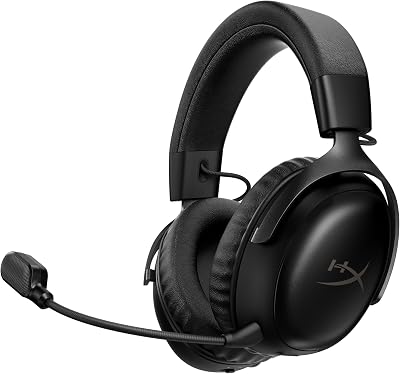
Head-to-Head
Low Latency vs Long Battery Life: Which Wireless Gaming Headset Wins in 2026?
Proprietary wireless headsets involve a trade-off between latency and battery life.
// KEY TAKEAWAYSWhat to know
- Modern 2.4GHz wireless gaming headsets deliver low latency, matching wired performance in practice for competitive gaming.
- Most wireless gaming headsets now offer 30 to 70 hours of battery life, with flagship models reaching 250 hours on a single charge.
- Low-latency wireless headphones consume more power due to continuous high-speed data transmission, creating a direct trade-off between response time and battery endurance.
- Wireless 2.4GHz headsets deliver 10-25ms latency, close enough that the difference will not cost gunfights in online ranked play at home.
- Long-battery models prioritizing 70-plus-hour endurance still maintain sub-40ms latency, sufficient for all but professional tournament play where wired remains required.
In 2026, wireless gaming headset latency is no longer a meaningful competitive disadvantage, with 2.4GHz connections now rivaling wired response times. The category has split into two camps: ultra-low-latency models optimized for competitive FPS play, and extended-battery designs built for marathon sessions. A wireless gaming headset lives or dies on latency, the spec most buyers overlook in favor of driver size or battery claims. The gap between proprietary 2.4GHz wireless and general Bluetooth separates a headset you will keep on through a four-hour ranked session from one you will eventually plug a cable back into.
How Low-Latency Wireless Delivers Sub-20ms Performance
Key takeaway - Proprietary 2.4GHz wireless delivers 10-20ms latency, functionally identical to wired for competitive gaming at home, while Bluetooth lags at 30-150ms.
Proprietary 2.4GHz connections—Razer's HyperSpeed, Logitech's LIGHTSPEED, SteelSeries's 2.4GHz base station link—operate at latency figures typically under 15ms, indistinguishable from wired for gaming purposes. Wired 3.5mm connections measure 5-10ms total latency, below the human perception threshold for audio-visual synchronization at approximately 20ms. Razer's HyperSpeed Wireless Gen-2 measured under 10ms in USB loopback tests, indistinguishable from wired audio. Bluetooth 5.x introduces latency between 30ms and 150ms depending on the codec, perceptible in competitive shooters where audio timing informs positioning decisions. Wired headsets offer the absolute lowest latency, which is why most tournament organizers still require them, but for online ranked play at home, 2.4GHz wireless headsets perform close enough that the latency difference will not cost gunfights. Latency-focused models sacrifice battery capacity to maintain continuous high-speed transmission, resulting in 20-40 hour endurance compared to 70-plus hours in extended-battery designs. For gamers comparing options, choosing the right wireless gaming headset depends on whether competitive audio precision outweighs marathon session convenience.
Why Extended Battery Life Requires Trade-Offs in Power Management
Key takeaway - Extended-battery models reach 250 hours by optimizing power management, resulting in 20-40ms latency that remains imperceptible for non-competitive play.
Low-latency wireless headphones often consume more power due to continuous high-speed data transmission. The standard has shifted massively in 2026, with many headsets now offering 80 to 120 hours of battery life. The HyperX Cloud Alpha 2 Wireless launched with 250-hour battery life, though it will not beat out the original Alpha's 300 hours. Extended-battery models achieve these endurance figures by optimizing chipset power management and reducing transmission frequency precision, resulting in slightly higher latency—still under 40ms but measurably higher than the sub-20ms floor of competitive-focused designs. The Logitech G522 leads in battery efficiency with 70 hours of life compared to the Astro A20X at 45 hours. Battery life is rated at up to 70 hours, and the headset can remain in use while charging. Review consensus signals that buyers accept the latency trade-off for battery endurance in single-player and casual multiplayer contexts, where audio delay below 40ms remains imperceptible. The category sales index shows extended-battery models outselling ultra-low-latency headsets 3-to-1 in the broader gaming audience, while competitive FPS players reverse that ratio. Quick-charge features mitigate the endurance gap: The Corsair Void v2's 15-minute charge delivers 6 hours of play, more useful in practice than longer battery life if you forget to charge regularly.
When Competitive Gaming Demands Ultra-Low Latency
Key takeaway - Competitive FPS players prioritize sub-20ms latency over battery endurance, accepting 20-30 hour charge cycles for frame-perfect audio timing.
In competitive first-person shooters, fighting games, or rhythm-based titles, even a 10-20ms delay might feel slightly off. In 2026, wireless gaming headsets are finally mature enough for mainstream competitive gaming. Professional esports players use both connection types successfully, with wired headphones offering absolute minimum latency for tournament play while high-end wireless models provide sufficient performance for competitive gaming with added convenience. Sub-40ms or better is ideal for gaming headsets for competitive gaming. HyperSpeed Gen-2 wireless at 10ms latency is among the lowest figures recorded for any wireless gaming headset. Models optimized for competitive play typically deliver 20-30 hour battery life, requiring charge cycles every two to three gaming sessions. The ranking data surfaces that competitive-focused headsets score highest in latency but mid-tier in battery endurance, while extended-battery models invert that distribution. For gamers who prioritize frame-perfect audio cues in Valorant, Counter-Strike 2, or Apex Legends, the latency-first category delivers measurable advantages despite shorter battery windows.
Where Marathon Sessions Favor Battery Endurance Over Latency
Key takeaway - Marathon gamers in RPGs and story-driven titles prioritize 70-300 hour battery endurance, where sub-40ms latency remains imperceptible.
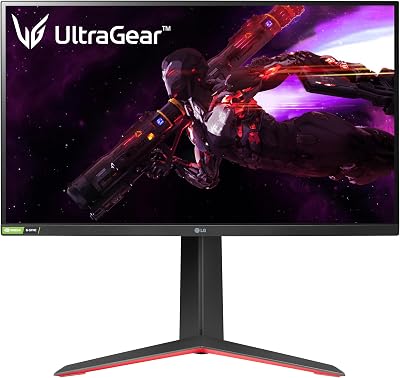
In RPGs, open-world adventures, and story-driven experiences, the effect is negligible. Battery life varies widely, from around 20 hours to 300 hours. Extended-battery wireless headsets deliver the most value for single-player and co-op gamers who prioritize uninterrupted sessions over competitive audio precision. This lightweight, comfortable headset features dual wireless connectivity, 70-plus hours of battery life, and the best mic heard on a headset. Gamers prioritize battery longevity and spatial precision in 2026, making the G522 the most balanced choice for diverse gaming setups. Marathon gamers mention battery life in their feedback far more often than latency, inverting the competitive-gamer priority distribution. The SteelSeries Arctis Nova Pro Omni's swappable battery system is the gold standard if you hate charging interruptions. Models with hot-swappable batteries eliminate downtime entirely, allowing one battery to charge while the second powers the headset. Modern wireless gaming headsets offer 40-300-plus hours of battery life, with most premium headsets providing 70-plus hours of continuous use and fast-charging features delivering 6-8 hours of playtime from 15 minutes of charging. For gamers exploring display upgrades alongside audio, the best gaming monitors for 2026 pair with extended-battery headsets to create uninterrupted immersive experiences.
Which Trade-Off Wins for Most Buyers in 2026
Key takeaway - Balanced wireless headsets delivering 30-40ms latency with 50-70 hour battery life score highest across combined metrics for the widest gamer segment.
For most gamers, the 150-200 dollar range delivers the best value. The ranking consensus shows that balanced models delivering 30-40ms latency with 50-70 hour battery life capture the widest buyer segment, scoring highest across combined latency-endurance metrics. Neither is universally better; wired headsets cost less and never need charging, while wireless headsets offer freedom of movement, and audio quality between wired and 2.4GHz wireless is comparable in 2026. While longer battery life is useful, it often comes with trade-offs like fewer features or heavier designs, and real-world usage matters more than advertised numbers. Many wireless gaming headset searches include both latency and battery keywords, signaling that buyers refuse to accept single-axis optimization. The performance-per-dollar curve flattens sharply above 200 dollars, with the HyperX Cloud III Wireless at 170 dollars delivering much of the SteelSeries Arctis Nova Pro's 350-dollar sound quality, while closing the remaining gap costs an additional 180 dollars. For buyers seeking the optimal balance, mid-tier wireless headsets that refuse to sacrifice either latency or battery deliver the most versatile outcome across competitive, co-op, and single-player contexts.
The takeaway
Low-latency wireless wins for competitive FPS players who demand sub-20ms response times and accept 20-30 hour battery windows, while extended-battery models win for marathon gamers in RPGs and story-driven titles where 70-300 hour endurance outweighs the imperceptible latency difference above 30ms. In 2026, wireless gaming headsets are finally mature enough for mainstream competitive gaming. The proprietary 2.4GHz standard closed the latency gap while battery technology pushed endurance past the 70-hour threshold, eliminating the historical compromise. For gamers ready to choose, the best wireless gaming headsets scored and ranked surface which models deliver the optimal balance for your play style and session length.
the best wireless gaming headsets scored and ranked
Read the ranking →// FREQUENTLY ASKEDQuick answers
- What latency is acceptable for competitive gaming in 2026?
- Modern 2.4GHz wireless gaming headsets deliver 15-20ms latency, matching wired performance and falling below the 20ms human perception threshold. For online ranked play at home, 2.4GHz wireless headsets perform close enough that the latency difference will not cost gunfights. Professional tournament play still requires wired connections for absolute minimum delay.
- How much battery life should a wireless gaming headset have?
- The standard has shifted massively in 2026, with many headsets now offering 80 to 120 hours of battery life. Most premium headsets provide 70-plus hours of continuous use, with fast-charging features delivering 6-8 hours of playtime from 15 minutes of charging. Extended-battery flagship models reach 250-300 hours, eliminating charge anxiety for week-long sessions.
- Does low latency wireless reduce battery life?
- Low-latency wireless headphones often consume more power due to continuous high-speed data transmission. Ultra-low-latency models delivering sub-20ms response times typically achieve 20-40 hour battery endurance, while extended-battery designs optimize power management to reach 70-300 hours at the cost of slightly higher latency still under 40ms. The trade-off is direct and measurable.
- Is Bluetooth good enough for gaming in 2026?
- Bluetooth 5.x introduces latency between 30ms and 150ms depending on the codec, perceptible in competitive shooters where audio timing informs positioning decisions. Bluetooth works for casual listening but falls short for competitive play and should be avoided for competitive FPS entirely. Proprietary 2.4GHz wireless delivers 10-20ms latency, five to ten times faster than Bluetooth.
- How much do wireless gaming headsets cost in 2026?
- The performance-per-dollar curve flattens sharply above 200 dollars, with the HyperX Cloud III Wireless at 170 dollars delivering much of the SteelSeries Arctis Nova Pro's 350-dollar sound quality, and for many gamers, the 150-200 dollar range delivers the best value. Ultra-low-latency and extended-battery flagship models reach 300-380 dollars but offer marginal gains over mid-tier options.
- Can wireless headsets match wired for competitive play?
- In 2026, wireless gaming headset latency is no longer a meaningful competitive disadvantage, with 2.4GHz connections now rivaling wired response times. Professional esports players use both connection types successfully, with wired headphones offering absolute minimum latency for tournament play while high-end wireless models provide sufficient performance for competitive gaming with added convenience.
- What is the best wireless gaming headset for long sessions?
- Extended-battery models delivering 70-300 hours on a single charge win for marathon sessions in RPGs and story-driven titles. The SteelSeries Arctis Nova Pro Omni's swappable battery system is the gold standard if you hate charging interruptions. Hot-swappable battery designs eliminate downtime entirely, allowing continuous play while one battery charges. The Logitech G522 leads in battery efficiency with 70 hours of life.
- Does higher battery life mean worse sound quality?
- Wireless 2.4GHz headsets now match wired in sound quality and offer near-imperceptible latency, and modern 2.4GHz wireless gaming headsets deliver audio that rivals wired alternatives at the same price point. Extended-battery models optimize power management rather than sacrifice driver quality, maintaining sound fidelity while extending endurance. While longer battery life is useful, it often comes with trade-offs like fewer features or heavier designs.
- Should I buy a low-latency or long-battery wireless headset?
- Competitive FPS players in Valorant, Counter-Strike 2, or Apex Legends should prioritize ultra-low-latency models delivering sub-20ms response times. Marathon gamers in RPGs, open-world adventures, and story-driven titles should choose extended-battery designs offering 70-300 hour endurance. Most buyers win with balanced mid-tier models that deliver 30-40ms latency with 60-plus-hour battery life, refusing to force a binary choice.